
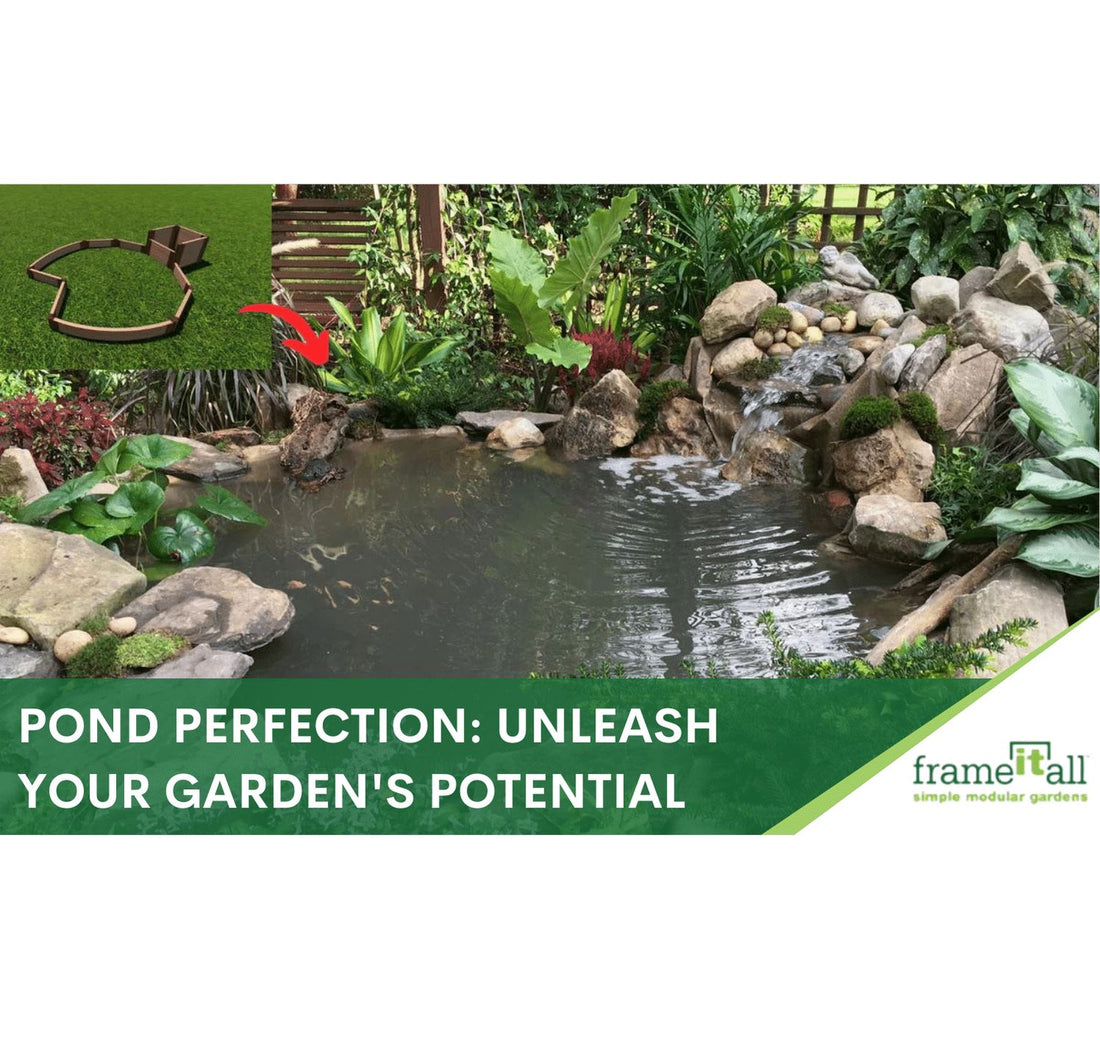
If you want to invite more nature into your yard, just add water. A pond is a magnet for local wildlife, providing a vital resource for everything from thirsty honeybees and bathing birds to chirping frogs and dazzling dragonflies. You don’t need a large, sprawling water feature to create a thriving habitat. A thoughtfully designed raised garden pond can become a bustling mini-ecosystem, offering a fascinating window into the natural world. This guide goes beyond aesthetics to show you how to create a safe and welcoming sanctuary for wildlife, turning your backyard into a lively, balanced environment that supports the creatures around you.
Water has always played a pivotal role in transforming landscapes, adding an element of serenity and a dash of nature's finest sounds to our surroundings. Whether you're yearning for a peaceful corner to relax or seeking a vibrant focal point for your garden, raised garden ponds can be the answer.
In this article, we plunge into the myriad of raised garden pond ideas, showcasing the ways in which they can elevate your outdoor space both aesthetically and ecologically. From quaint, intimate settings to grand, luxurious designs, let's embark on a journey to discover the perfect water oasis for your garden.

Unique Pond Shapes and Features
Considering unique pond liner shapes and features for your raised garden pond project? Dive deeper than mere aesthetics. Alternative shapes for a unique design aren't just about standing out; they integrate both beauty and function. Practical aspects such as liner installation and water conservation are paramount.
Unconventional pond designs have the power to metamorphose a plain backyard into an enchanting oasis. Envision free-form shapes inspired by nature's ponds or an elevated waterfall introducing a rhythmic cascade. The design canvas broadens infinitely when fueled by imagination.
However, design doesn't overshadow diligence. Ensuring the liner is installed flawlessly is critical to avoid water leakage. Wasting water due to improper installation is a concern, especially in regions experiencing frequent heatwaves. Selecting materials that can withstand UV rays is crucial, as prolonged sunlight can deteriorate certain liners.
The realm of creativity with a backyard water feature isn't confined to shapes alone. Enrich your pond with aquatic plants to enhance its beauty and sustain water quality. These plants counteract excessive nutrient buildup and facilitate oxygenation. Design varied zones within your pond: deep sections for fish, shallow niches for marginal plants, or even an island centerpiece in a circular setting.
To truly make your small water fixture 'yours', introduce customized elements. Be it a quaint statue, subtle underwater lighting, or stepping stones weaving through traditional raised beds, these intricacies can significantly amplify your garden's allure. At Frame It All, we offer a variety of solutions to help you bring your vision to life. Visit our website today to explore our selection of pond edging, liner options and plant care products.
Natural Borders and Materials
Incorporating natural borders and materials into corner raised ponds can profoundly elevate the visual appeal of your waterscape. A lily pad pond, for instance, naturally merges with its surroundings, and the inclusion of materials like stone or wood can truly accentuate its inherent beauty. These elements not only promote a seamless blending of your pond with its environment but also bestow a unique, organic touch that artificial components struggle to replicate.
Consider the artistry of using natural borders, such as rocks or plants, to frame your raised garden pond. Varying sizes of stones lend a more authentic look to circular ponds, whereas low-growing plants ensure an unobstructed view. Marrying both elements can offer a multi-layered, captivating effect.
Stone pathways, meandering towards or encircling the pond, craft a warm invitation to the above-ground water feature, articulating space within your garden. Their rustic charm dovetails perfectly with other organic attributes of the surroundings.
Ponds with waterfalls and gently meandering streams infuse your design with motion and melody. This not only creates a haven of tranquility in your outdoor expanse but also ensures a pristine water surface. The consistent movement wards off stagnation, thereby oxygenating the water, vital for any aquatic life or terrestrial plants you introduce.
Choosing natural materials like stone, wood, or clay adds an earthy feel while promoting sustainability in design choices. These materials are typically durable and weather-resistant making them ideal for outdoor use. Remember though, placement is key when adding these features - they should appear as if they've always been part of the landscape rather than seeming out-of-place or forced.
Design Elements and Functionality For Your Decorative Patio Pond
When designing a fish pond, both its aesthetic elements and functionality must be considered. First and foremost, think about the purpose of your water feature. Are you envisioning a tranquil oasis for unwinding or a thriving habitat for fish and various aquatic species? Your intention here will guide the intricacies of your pond design.There’s many options available, so it's essential to select what aligns best with your vision.
At the heart of any water feature is a pond kit, a crucial component. These kits not only offer insulation but also include vital elements like pumps and filters, essential for maintaining healthy water circulation. Some kits even come embellished with decorative features: think underwater lighting, a variety of aquatic plants, and fish. Armed with the right knowledge and tools, crafting your dream pond can be an uncomplicated endeavor.
But a pond's design doesn't stop at kits. Lighting, for example, plays a dual role, enhancing beauty while ensuring safety. Imagine submersible lights accentuating underwater wonders, transforming your pond into an enchanting spectacle during the evenings. Solar-powered lights, which are both eco-friendly and economical, complement wooden ponds perfectly. However, balance is key; excessive lighting can induce unwanted algae proliferation.
Water quality is paramount. To ensure this, incorporate water filtration systems. While mechanical filters eliminate debris, biological counterparts transform detrimental waste into benign substances. For those housing fish, a UV sterilizer can be a safeguard against parasites.
Incorporating fish-friendly plants elevates your pond's aesthetics and functionality. They not only enliven the scenery but also offer nourishment, refuge, and oxygen for your aquatic inhabitants. These plants are natural warriors against impurities, absorbing surplus nutrients that could otherwise encourage algal blooms. Surface plants like lilies grant much-needed shade during scorching days, whereas submerged varieties like elodea function as innate filters.
All these elements should work in harmony: lighting should accentuate plants, filtration systems must have ample room to function, and plant choices should be based on depth considerations. Last but no least, don't forget maintenance. Regular cleaning of filters, trimming of overgrown vegetation and monitoring of light intensity will ensure your water feature remains an attractive focal point in your garden.
Using Repurposed Containers as Raised Garden Ponds
Are you considering using repurposed containers as ponds? It's a brilliant idea that not only recycles old items but also adds a unique touch to your outdoor space. But before you start digging through the garage or scouring thrift stores for potential containers, let's take a moment to discuss some important factors.
Firstly, consider size and depth of stock tank. The container should be large and deep enough to support aquatic life and withstand temperature fluctuations. Old bathtubs, stock tanks, or even discarded hot tubs make excellent repurposed container alternatives.
Next, think about material. Avoid containers made of treated wood or metal that might leach harmful substances into the water. Instead opt for sturdy plastics or ceramics. Remember to seal any porous materials properly to prevent leaks.
Now let's talk budget-friendly options. While it's tempting to splash out on an expensive antique trough or designer planter, there are plenty of less costly possibilities out there. Used plastic barrels cut in half can create attractive ponds with minimal investment.
Finally, don't forget aesthetics. Your new pond should blend seamlessly with its surroundings while reflecting your personal style - this is where container pond inspiration comes into play! Consider painting the outside of your chosen vessel or adding decorative mosaic tiles for added interest.
Creating a pond from a repurposed container is an exciting project which allows you to upcycle an old item while enhancing your garden space creatively and economically. At Frame It All, we provide expert solutions and products to elevate your garden pond experience and help you get started with ease.
Raised Ponds in Garden Beds: Perfect For Small Gardens

Elevating your water feature by integrating it into your flower beds can truly transform it into a stunning focal point. Imagine unique garden ponds nestled among vibrant blooms, surrounded by galvanized garden beds – this not only offers a delightful element of surprise but also augments the entire aesthetic of your garden.
Diving into DIY raised pond ideas might appear daunting at first glance, but believe me, the end results are entirely worth the investment. The approach is uncomplicated and adaptable to any space you possess. From a quaint garden basin to a spacious koi haven, raised ponds exhibit a versatility that caters to all your needs.
Now, let's delve into the advantages of raised ponds versus their traditional in-ground counterparts. For starters, they're back-friendly. There’s no constant bending or kneeling during maintenance, a considerable advantage for many. Furthermore, their elevated design often results in superior water clarity, thanks to enhanced filtration and circulation systems.
Additionally, raised ponds act as deterrents for potential threats. Whether it's predators on the prowl or an inquisitive pet, these structures ensure your aquatic companions remain unharmed. Especially if you're considering more delicate species for your pond, this protection is indispensable. Lastly, such structures offer excellent insulation during colder months keeping the water temperature stable - an essential factor for many aquatic plants and animals' survival.
Raised Bed Pond Edges and Landscaping
It's essential to give some thought to the edges and the surrounding landscape of your water feature, as they can greatly enhance its overall appeal. An attractive pond edging can distinguish your raised garden pond from the mundane. Natural stones or bricks might offer a timeless, rustic appearance, while sleek tiles bring out a contemporary vibe. They can be perfect for your dog to roam and relax by the side. The key is to find an edging material that complements not only the style of your pond but also fits seamlessly with the rest of your garden landscape.
Raised pond maintenance is another crucial aspect you mustn't overlook. Regular checks are necessary to ensure the integrity of both the water feature itself and its surroundings. Keep an eye out for any signs of wear or damage on your edging materials, as these could potentially compromise the pond pump structure over time.
And for those seeking creative pond landscaping inspirations, diversifying the plant and flower species around your water feature can mimic a natural haven. Opt for colors that either blend or stand in delightful contrast to your chosen edging materials, maximizing visual allure. A fusion of textures, like the gentle touch of soft grasses next to rugged stone edges, can craft a rich sensory tableau.
Finally, remember that lighting plays an important role in showcasing your raised garden bed or pond at night. By strategically placing spotlights around the pond or integrating a luminous fountain, you can enliven its majestic beauty even under the starlit sky.
Planning and Construction
A successful raised pond starts long before you add the first drop of water. Thoughtful planning is the foundation for a beautiful, functional, and long-lasting water feature. Taking the time to map out your project, from location to materials, ensures the construction process goes smoothly and the final result is exactly what you envisioned. This phase is all about making smart decisions that will save you time and effort later, setting your pond up for a healthy and vibrant life.
Why Choose a Raised Pond?
Opting for a raised pond is a fantastic way to introduce a water feature into your backyard without the hassle of major digging. One of the biggest perks is accessibility; they are easier on your back during setup and maintenance. Their defined structure also adds a layer of safety, creating a clear barrier that can help keep small children and pets from accidentally falling in. Plus, a raised design offers incredible versatility. You can build it on a patio, a deck, or right in your garden, making it a perfect solution for almost any outdoor space, regardless of size or soil conditions.
Essential First Steps: Planning and Preparation
Before you start building, take a moment to plan. First, decide on the perfect location. Look for a spot that gets a mix of sun and shade throughout the day and is visible from a window or seating area. Next, determine the size and shape that best fits your space and goals. Will it be a small, circular feature or a larger, rectangular home for fish? Once you have a vision, you can move on to the practical steps of preparing the site for construction.
Check Local Regulations
Before you get too far, it’s always a good idea to check your local regulations. Some municipalities have rules about water features, especially concerning depth and fencing, to ensure safety. A quick call or visit to your local planning department’s website can clarify any requirements and prevent any surprises down the road. This simple step ensures your project is compliant and safe for everyone, including your neighbors.
Prepare the Ground Surface
Proper ground preparation is critical for the stability and longevity of your pond. The area where your pond will sit must be perfectly level to ensure the water distributes evenly. Clear the space of any grass, weeds, and, most importantly, any sharp rocks or roots that could puncture the pond liner. Spreading a layer of sand or placing a protective underlayment down first is a great way to create a smooth, safe base for your pond structure and liner.
Building a Strong and Stable Frame
The frame is the backbone of your raised pond, and its strength is non-negotiable. Water is incredibly heavy—weighing about 8.3 pounds per gallon—so a weak structure can easily bow or even burst under the pressure. Investing in a durable, well-constructed frame is essential for containing thousands of pounds of water safely. This is where using a high-quality kit can provide peace of mind, ensuring your pond walls are engineered to withstand the constant force and last for years to come.
Understanding Water Weight
It's easy to underestimate the sheer weight of water. A seemingly small 100-gallon pond actually holds over 800 pounds of water. This immense pressure pushes outward on the walls of your pond frame 24/7. That’s why the material and construction of your frame are so important. It needs to be robust enough to resist this constant force without warping, bending, or failing, ensuring your beautiful water feature remains a safe and stable part of your garden.
Common DIY Materials
If you're going the DIY route, common materials for pond frames include timber railway sleepers, concrete blocks, and natural stone. While these can create a beautiful, rustic look, they often require significant labor and careful construction to ensure they are strong and level. An easier alternative is to use a modular system, like Frame It All’s raised garden bed kits, which use a snap-lock system for simple, tool-free assembly and are made from durable composite materials that won't rot or degrade over time.
The Right Build Order: Liner First
Once your frame is built, the next step is installing the pond liner. This waterproof barrier is what actually holds the water, so it needs to be handled carefully to avoid tears. Lay the liner inside the frame, gently pushing it into the corners and creating soft folds as needed. It’s best to leave some excess draped over the edges. You can secure it temporarily and begin filling the pond with water, allowing the weight to press the liner perfectly into place before you trim the excess and secure the edges permanently.
Choosing the Right Size and Depth
The dimensions of your pond will influence everything from the wildlife it attracts to how you maintain it. A wider pond can create a more natural look, while a deeper one provides better insulation for fish during winter. Think about your primary goal: is it to house koi, attract dragonflies, or simply enjoy the sound of a small fountain? Your answer will help you decide on the ideal size and depth to create a balanced and thriving aquatic environment that meets your specific needs.
Ideal Pond Width for Easy Access
For practical maintenance, it’s a good idea to keep the width of your pond to around four feet if you can only access it from one side, or eight feet if you can access it from all sides. This allows you to easily reach the center of the pond for tasks like cleaning, tending to plants, or retrieving debris without having to step into the water. This simple consideration makes upkeep much more manageable and enjoyable in the long run.
Ideal Pond Depth for Wildlife
If you're hoping to attract wildlife, creating varied depths is key. A shallow area, around 8 inches deep, provides a spot for birds to bathe and drink. Deeper sections, up to two feet, offer a refuge for frogs and allow fish to escape predators and survive the winter. This multi-level design mimics a natural pond environment and supports a much wider range of creatures, turning your water feature into a bustling ecosystem.
Creating a Thriving Wildlife Habitat
A raised pond can be so much more than just a decorative feature; it can be a vibrant, living ecosystem that brings your garden to life. By making a few intentional choices during setup, you can create a welcoming habitat for a variety of local wildlife, from buzzing dragonflies and chirping frogs to thirsty birds and beneficial insects. The key is to think like nature, providing the essential elements that creatures need to thrive: water, food, shelter, and safe access. With a little effort, your pond can become a fascinating hub of activity and a valuable resource for the local environment.
Welcoming Wildlife Safely
To create a successful wildlife pond, you need to ensure that animals can get in and out of the water easily. Steep, smooth sides can be a trap for small creatures like frogs, toads, and even chipmunks that might fall in. Providing a gentle slope or a dedicated escape route is one of the most important things you can do to make your pond a safe haven. This simple feature ensures that visiting wildlife can drink, bathe, and hunt without risk, making your garden a truly animal-friendly space.
Provide an Escape Route
Creating an escape route is simple. You can build a small ramp out of wood with grooves cut into it for traction, or strategically place a pile of rocks or a partially submerged log to create a natural staircase. This "beach" area allows animals to easily climb out if they fall in. Make sure the ramp extends from the bottom of the pond to well over the edge, providing a clear and accessible path to safety for any creature that needs it.
Create a Complete Habitat
A pond is just one part of a larger habitat. To truly support wildlife, think about the area surrounding your pond. Planting native grasses and dense shrubs nearby provides cover for young frogs and nesting spots for birds. A sunny, flat stone at the edge can serve as a basking spot for dragonflies or turtles. By creating a complete ecosystem around the water, you’ll attract a greater diversity of species and give them a place to live, not just visit.
Timeline for Wildlife Arrival
You might be surprised by how quickly wildlife discovers your new pond. It’s not uncommon for pond skaters and diving beetles to show up within just a few days or weeks of filling it with water. Frogs and dragonflies may take a season to find it and lay eggs, but once they do, your pond will be buzzing with life. Be patient and let nature take its course; the reward is a dynamic, ever-changing environment right in your backyard.
To Fish or Not to Fish?
The decision to add fish to your pond is a significant one, as it can change the entire dynamic of the ecosystem. While fish like goldfish or koi can be beautiful and entertaining to watch, they can also disrupt a natural wildlife habitat. They are often voracious eaters and may consume frogspawn, tadpoles, and beneficial insects, reducing the biodiversity of your pond. Before you introduce fish, consider whether your primary goal is to keep ornamental pets or to cultivate a thriving, natural wildlife sanctuary.
How Fish Impact a Wildlife Pond
If your goal is to create a pond for wildlife, it's often best to avoid fish altogether. Fish can outcompete native species for food and prey on their young. Their waste also adds excess nutrients to the water, which can lead to algae blooms that cloud the water and reduce oxygen levels. For a pond that truly supports a wide range of local creatures, from amphibians to insects, a fish-free environment is usually the most successful approach.
When to Introduce Fish
If you do decide to add fish, don't rush it. It’s important to let the pond "settle" for a couple of weeks after you first fill it. This allows time for the water to dechlorinate (if you used tap water) and for beneficial bacteria to begin establishing themselves. This waiting period helps create a more stable and healthy environment for your fish, giving them a much better chance of thriving from the start.
Maintaining Healthy Water Naturally
Keeping your pond water clean and clear doesn't have to rely on chemicals. A healthy pond maintains its own balance through natural processes. By encouraging beneficial bacteria, using plants as filters, and keeping the water moving, you can create a low-maintenance system that stays healthy on its own. This approach is not only better for the environment and any wildlife in your pond, but it also results in a more stable and resilient aquatic ecosystem over the long term.
How to Prevent Mosquitoes
The best way to prevent mosquitoes from breeding in your pond is to keep the water moving. Mosquitoes lay their eggs in still, stagnant water, so adding a small pump to power a fountain or waterfall is an effective deterrent. The constant circulation disrupts the water's surface, making it unsuitable for mosquito larvae. This not only solves a potential pest problem but also adds the pleasant sound of moving water to your garden.
Using Beneficial Bacteria and Bog Filters
A bog filter is a fantastic, natural way to keep your pond clean. This is essentially a separate, shallow area filled with gravel and aquatic plants like irises or rushes. Water is pumped through the gravel, where plant roots and beneficial bacteria work together to remove excess nutrients and impurities before the clean water flows back into the pond. It’s a self-sustaining system that acts as your pond’s living filter.
Preventing the Spread of Disease
A balanced ecosystem is a healthy one. Avoid overcrowding your pond with too many fish or plants, as this can stress the environment and make it more susceptible to disease. If you need to clean out sediment from the bottom, do so sparingly. This "mulm" is home to beneficial bacteria, so it's best to only remove a portion at a time in the early autumn to avoid disrupting the pond's natural balance.
Safety and Long-Term Care
Once your pond is built and teeming with life, the focus shifts to keeping it safe and healthy for years to come. Long-term care isn’t about constant work; it’s about establishing simple routines and being prepared for seasonal changes. From ensuring electrical components are safe to protecting your fish from predators and getting your pond ready for winter, a little proactive maintenance goes a long way. These steps will protect your investment and ensure your raised pond remains a beautiful and enjoyable feature of your garden.
Key Safety Considerations
Safety should always be a top priority with any water feature. For ponds with pumps or lights, this means ensuring all electrical connections are secure and properly protected from the elements. It also involves thinking about the creatures both in and around your pond. Protecting your fish from predators is a common concern, as is ensuring the pond's structure remains a safe and secure part of your landscape. Taking a few key precautions can prevent accidents and keep your pond a peaceful retreat.
Electrical Safety for Pumps
If your pond has a pump, filter, or lighting, you'll need a power source. It is essential to use an outdoor-rated electrical outlet equipped with a ground-fault circuit interrupter (GFCI). A GFCI is a fast-acting device that will instantly shut off the power if it detects any imbalance, which can prevent electric shock. Always bury or secure electrical cords to prevent tripping hazards and protect them from damage from lawnmowers or shovels.
Protecting Fish from Predators
A raised pond can be an attractive buffet for predators like herons, raccoons, and cats. One of the most effective ways to protect your fish is to cover the pond with netting. For a more integrated solution, you can incorporate an animal barrier around the pond's perimeter. Taller fencing can deter climbing animals like raccoons, while a well-designed barrier can keep your fish safe without obstructing your view of the pond.
Low-Intervention Maintenance
The goal of a well-designed pond is to let nature do most of the work. Your role is simply to give it a helping hand now and then. Low-intervention maintenance involves simple, regular tasks that prevent small issues from becoming big problems. This includes skimming fallen leaves and other debris off the surface before they sink and decompose, which helps keep nutrient levels in check and reduces the buildup of sludge on the bottom. A few minutes of care each week is often all that’s needed to keep your pond looking its best.
Winterizing Your Raised Pond
Preparing your pond for winter is especially important for raised structures, as their exposed walls make them more susceptible to freezing than in-ground ponds. Proper winterization protects your pond's structure, equipment, and inhabitants from the harsh effects of cold weather. The main goals are to prevent the water from freezing solid, protect your pump from damage, and ensure any fish or plants can survive until spring. A few key steps in the fall will set your pond up for a successful winter dormancy.
Insulating the Pond Structure
To protect your pond from freezing, you can add insulation around the exterior walls. Piling bags of leaves or straw around the base can provide a surprising amount of insulation. For a more permanent solution, you can build the pond with an outer wall and fill the gap with a rigid foam insulating board. Placing a foam pad underneath the pond before you even build it can also help prevent heat loss through the ground.
Using a De-Icer
Even with insulation, the surface of your pond may freeze over. A solid sheet of ice prevents the exchange of gases, which can be harmful to fish. A floating pond de-icer is a small heating unit that keeps a small hole open in the ice, allowing harmful gases to escape and oxygen to enter. This is a much safer and more effective method than breaking the ice, which can create shockwaves that stress or even kill your fish.
Overwintering Aquatic Plants
Many aquatic plants need to be moved to the deepest part of the pond for the winter, where the water is less likely to freeze solid. Trim back any dead or dying foliage before moving them. This protects the plant's crown from the coldest temperatures and ensures it will be ready to start growing again in the spring. For tropical plants that won't survive the cold, you may need to bring them indoors for the winter.
Put These Raised Garden Pond Ideas To Use
So, are you ready to bring life and beauty to your garden with a front raised bed or pond? Remember, working with Frame It All can make the process easy and durable. Picking the right plants and caring for them will keep water plants in your pond healthy. Conserve water by exploring alternatives to hosepipes during heatwaves. Always ensure regular maintenance of equipment like heaters. And if you fancy fish in your pond water, just pick wisely.
Isn't it exciting how a simple addition like a water feature in your garden can offer so much joy? Reach out to Frame It All and let's craft your dream garden together.
Frequently asked questions
How can I make a raised fish pond in my backyard?
To make a raised fish pond in your backyard, you can use materials such as timber or DIY ideas to build a raised pond structure. Add a pond liner and fill it with water, then introduce koi or other fish species to create a beautiful raised pond.
What are the benefits of adding a water feature like a pond to my garden?
Adding a water feature like a pond to your garden can enhance the overall garden design, create a relaxing and soothing atmosphere, attract wildlife such as pond plants, and provide a focal point for your outdoor space.
How can I design a small pond in my garden?
To design a small pond in your garden, consider using a corner or narrow raised pond design that fits well in your available space. You can also incorporate garden furniture or plants around the pond to enhance its aesthetic appeal.
What is a koi pond and how can I build one?
A koi pond is a type of pond specifically designed to house koi fish. To build a koi pond, you will need to consider factors such as pond size, filtration system, pond life, and appropriate pond plants to create a suitable environment for koi fish.
Can I create a raised pond without using a pond liner?
Yes, it is possible to create a raised pond without using a pond liner. However, using a pond liner helps to prevent water leakage and maintain the water levels in your pond, so it is recommended for better functionality and longevity of the pond.
How can I make my pond look more natural?
To make your pond look more natural, you can consider adding rocks, pebbles, or natural elements around the pond edges. You can also plant pond-friendly vegetation and incorporate features like waterfalls or a running stream to enhance the natural look of your pond.
What are some design ideas for a larger pond?
Some design ideas for a larger pond include incorporating different depths or levels within the pond, adding floating plants or lily pads, and using large rocks or boulders as part of the pond's landscape. You can also consider adding a pond filter to maintain water quality.
How can I create a raised pond that requires minimal maintenance?
To create a raised pond that requires minimal maintenance, consider using a pond filter system to keep the water clean, using aquatic plants that help naturally balance the pond ecosystem, and ensuring proper circulation and aeration in the pond.
How can I incorporate a pond into my existing garden design?
To incorporate a pond into your existing garden design, consider the size and shape of the pond that complements your garden layout. You can also use pond-friendly plants, such as water lilies or irises, and create a seamless transition from the surrounding garden to the pond area.
Key Takeaways
- Build a Strong Foundation: Before adding water, ensure your pond's success by preparing a perfectly level surface. A strong, durable frame is essential to safely support the heavy weight of the water and prevent bowing or structural failure over time.
- Create a True Wildlife Haven: To attract and protect local creatures, provide a simple escape route like a sloped rock or a small ramp. For the most diverse ecosystem, consider keeping your pond fish-free, as fish often eat the eggs and young of frogs and beneficial insects.
- Prioritize Safety and Seasonal Care: For any pumps or lights, always use an outdoor-rated outlet with a GFCI to prevent electrical shock. Prepare your pond for winter by insulating the sides or using a de-icer to protect the structure and its inhabitants from freezing temperatures.