

You love your dog, but maybe you don't love what they do to your garden. Those freshly dug holes in the flowerbed, the yellow spots on your once-perfect lawn, and the muddy path worn along the fence line can be frustrating. It often feels like you have to choose between a happy pet and a beautiful backyard. The good news is, you don’t. By making a few smart, intentional choices, you can create a space that satisfies your dog’s need to play and explore while protecting your plants and sanity. This guide will show you how to design a functional and beautiful dog garden where everyone can coexist peacefully.
If you are a dog owner, then your ultimate Sunday likely features a long walk in the woods or spent bolting up and down your nearest beach. Despite all the fuss of mucky paws or sandy seats, when your dog greets you with that foolish grin - you know you’d do it all again just to make them happy.
Dogs are a man's best friend, part of the family, and for good reason. They offer us unconditional love and loyalty, and in return, all they ask for is a little bit of care and attention. One of the many ways to show your furry friend how much you care is by creating a backyard which is catered to their needs. In our guide, discover the best dog-friendly backyard ideas that are guaranteed to get tails wagging!
What Makes a Backyard Truly Dog-Friendly?
A dog-friendly backyard is a safe and stimulating environment that is specifically designed with your pets in mind. It should provide an outdoor space which allows dogs to exercise, play, relax and explore freely while keeping them safe from potential hazards.
Whilst your dog's safety and security should remain your top priority, it is possible to create a pet-friendly backyard which caters to every family member's needs.
Your Dog-Friendly Backyard Checklist
Taking care of a pet is a big responsibility and there can be a lot of pressure to get everything 'perfect' to ensure your puppy is living their best life. However, no matter how big or small your garden space is, a few simple additions can make a big difference to the well-being of your pet.
Choosing the Right Ground Cover for Paws
Grass can be a great addition to a garden for dogs, but it is not necessary for their well-being. So if you don't have access to a grassy space, don't worry!
Some dogs may love grass, but other dogs are perfectly content playing on different surfaces such as dirt, tarmac or artificial substitutes. These are also a great option if you are worried about maintaining your garden, especially if you wish to avoid puppy pee stains on your manicured lawn!
So while grass might be a common choice, your pets certainly won’t hold it against you if you decide to go a different route!
A Note on Mulch and Other Ground Covers
When you're considering ground cover options, mulch might seem like an easy, natural choice. Before you start spreading it, however, it’s important to know that it can pose a few risks to your furry friends. Many types of wood mulch can splinter, which can lead to painful paws for a dog that loves to run and play. More seriously, some varieties, particularly cocoa mulch, are toxic to dogs if ingested. Creating a truly safe space means being thoughtful about every material you introduce, right down to what’s underfoot.
Instead of mulch, you can explore alternatives that are much safer and more comfortable for your pet. Grass is often the top choice because it’s soft and provides a great surface for dogs in all kinds of weather. That said, a perfect lawn isn't a requirement for a happy pup! Some dogs are perfectly content with dirt, paving stones, or even quality artificial grass. These options can also make your life easier, helping you maintain a cleaner garden and avoid the dreaded yellow spots from dog urine. You can even use landscape edging to create a designated potty spot with a safe material like clover or pea gravel, protecting the rest of your lawn. Ultimately, the best ground cover will depend on your dog's preferences and how you want to design a dog-safe garden.
Designing with Your Dog's Behavior in Mind
Before you start digging or buying new plants, the most important step is to simply watch your dog. Every pup has a unique personality and set of habits. Is your dog a sprinter who tears up and down the fence line? A dedicated digger with a passion for unearthing treasures? Or maybe a sunbather who seeks out the warmest, coziest spots for a nap? Understanding these individual quirks is the key to creating a backyard that feels like it was made just for them. A yard that works with their instincts, rather than against them, will be a happier place for everyone.
Thinking about your dog's behavior helps you make smarter design choices that can save you a lot of frustration later. For example, if you notice your dog has already worn a path in the grass from their daily patrols, why not formalize it with paw-friendly pavers or mulch? If they love to perch and watch the world go by, maybe a small, raised platform is in order. The goal is to create a space that satisfies their needs for exploration, play, and relaxation while keeping them safe and protecting your garden. It’s about finding a balance where their happiness and your landscaping goals can coexist peacefully.
Observe Your Dog's Natural Habits
Take some time to be a quiet observer in your own backyard. Notice where your dog chooses to run, where they like to rest, and which areas they gravitate toward for sniffing and exploring. These are valuable clues. As experts point out, the best dog gardens are designed with a dog's natural behaviors in mind, so it’s wise to focus on their existing patterns to create zones within your yard that cater to their needs. This simple act of observation is the foundation for a thoughtful and effective dog-friendly design that your pet will appreciate every day.
Create a Designated Potty Area
To protect your lawn from unsightly yellow spots and make cleanup a breeze, establishing a designated potty area is a game-changer. Train your dog to use one specific spot by filling it with a distinct material like wood chips, pea gravel, or even artificial turf. To make the area clear and contained, you can use durable landscape edging to create a defined border. This visual cue helps your dog understand where they're supposed to go and keeps the rest of your yard looking its best. With a little consistency and positive reinforcement, you can teach your dog to use their special spot every time.
10 Steps to a Perfect Dog-Friendly Garden
Are you looking to create the perfect puppy paradise in your backyard? If you're looking to adopt a new puppy, or want to upgrade your garden space for your beloved pooch, we have outlined all the inspiration you need below.
From dog-proof fences to raised garden beds, these are the dog-friendly features which you may want to consider to keep yourself and your puppy happy!
Give Them a Designated Digging Spot

Let's face it, even though they are the epitome of cuteness and fun, sometimes dogs can dig their noses where we don't want them. Whether burying their beloved bones or searching for hidden treasure, dogs love to dig.
To keep your dogs from destroying your manicured lawn (and to avoid the cost of repairing it), why not consider a designated digging area? By incorporating this space into your backyard, you can redirect their digging behavior away from your flowerbeds, while still keeping them stimulated and entertained.
Whether you decide to invest in a sandbox or simply set aside some soft soil, you can train your dog to dig in this spot by using positive reinforcement such as treats, praise and play.
Lay Down Dog-Friendly Pathways
Garden paths are an easy way to provide your dog with a stimulating environment and direct them away from your more pruned spaces.
There are several ways to create paths which are budget friendly and durable, including paving or natural barriers. Defining your dog's space with landscape edging is a great way for them to explore and exercise in your outdoor space.
Incorporate Winding Paths for Exploration
Creating winding paths in your backyard does more than just add visual appeal; it taps directly into your dog's natural instincts. Dogs are explorers at heart, constantly following their noses to investigate new and interesting scents. A path that curves and meanders offers a much more engaging journey than a straight line, turning a simple walk around the yard into an adventure. This kind of mental stimulation is crucial for a happy and well-behaved dog, giving them a positive outlet for their curiosity and energy. By designing a route that encourages exploration, you make their outdoor time more fulfilling and fun.
These paths also serve a very practical purpose: they help guide your dog's traffic flow. As noted by Gardening Know How, "Dogs don't walk in straight lines; they follow their noses." You can use this behavior to your advantage by designing paths that lead them away from delicate flowerbeds or your vegetable garden. This is especially effective when you combine pathways with physical barriers like our durable raised garden beds, which protect your plants while clearly defining the "no-go" zones. This strategy allows you to protect your garden while giving your dog a designated and enjoyable space to roam.
When building your paths, consider materials that are gentle on your dog's paws. Smooth flagstones, cedar mulch, or even a simple dirt path can work well. You can easily create these gentle curves using flexible landscape edging to define the borders and keep materials like mulch in place. By incorporating winding paths, you transform your backyard from a simple patch of grass into a dynamic and engaging environment. It’s a thoughtful touch that shows you’re designing the space not just for yourself, but for every member of your family, furry ones included.
Secure the Perimeter with a Dog-Proof Fence

Are you worried about your dog escaping from your yard? Or maybe there are some areas which you want to keep out of bounds from your pet? No matter what you need, you should consider installing a dog-proof fence around the perimeter of your property, as well as around your more precious plants.
For your perimeter, choose a fence that is tall enough to avoid your dog jumping over it and sturdy enough to withstand any attempts to dig under it. This will prevent your dog from escaping, creating a safe space for your dog to explore.
If you are trying to keep your veggies or flower beds safe from prying paws, animal barriers will be your new best friend. There are some options for animal-proof garden fences for all budgets, including walk-in raised beds or animal barriers with gates for easy access.
Consider Natural Barriers and Deterrents
Sometimes a full fence isn't necessary, or you might want a softer approach to guide your dog away from certain areas, like a vegetable patch or delicate flower beds. This is where you can use nature to your advantage. Planting a border of prickly plants like juniper or certain rose varieties can create a natural "keep out" sign for curious noses and paws. These living fences not only protect your prized plants but also add texture and beauty to your landscape, blending seamlessly into your garden design while serving a very practical purpose. It's an elegant solution that works with your garden's aesthetic, rather than against it, to establish gentle boundaries for your furry friend.
If thorny shrubs aren't your style, other gentle deterrents can work wonders. A motion-activated sprinkler provides a harmless but surprising spray of water that can effectively teach your dog which areas are off-limits without any physical barriers. You can also incorporate plants that serve double duty. Planting dog-safe herbs like lavender or rosemary can help keep mosquitoes and other pests at bay, creating a more comfortable environment for both you and your pet to enjoy during those warm summer evenings. It’s a simple way to make your yard more pleasant for everyone, furry family members included, by using plants to solve common backyard problems.
Protect Your Plants with Raised Garden Beds

Even though dogs may love to get involved in gardening, if you are growing vegetables or cultivating flowers, it's best to keep them away from the action!
Raised garden beds are an easy way to keep plants away from smaller dogs and other animals that may trample or damage them. With our range of raised garden beds, you won't feel that you can't be creative!
If you're worried about your plants getting destroyed, consider raised garden beds with fences to ensure your crop is protected. Or if you're not a fan of mesh or wire barriers, investing in a simple 4x4 raised garden bed or a 4x8 raised garden bed can help to deter your pets from the offset to save your plants from harm.
Learn More: 5 Vegetable Garden Fence Ideas
Not only do raise beds keep your plants away from unwanted snouts, but they also improve drainage and make it easier to maintain your garden without bending or kneeling!
Choose Non-Toxic, Dog-Safe Plants
When you're choosing the plants for your garden, it is important to pick dog-friendly varieties which won't harm them if they ingest or come into contact with them.
Luckily, it is still possible to have a beautiful, blooming garden when you have pets. There is a wide range of non-poisonous flower varieties including sunflowers, snapdragons, roses and asters. Or if you're planting fruit and vegetables in your garden beds, be sure to keep your dog away from mushrooms, tomatoes, onions and garlic with animal barriers.
Are the plants you've chosen toxic to dogs? To avoid any issues, make sure to ask your local vet or garden center for the best varieties for your needs.
Safe Plants for a Dog-Friendly Garden
Creating a beautiful garden that’s also safe for your four-legged friend is easier than you might think. You don’t have to sacrifice vibrant colors or lush greenery to keep your pup out of harm's way. Many popular plants are perfectly safe for dogs, so you can design your outdoor space without worry. Consider planting cheerful sunflowers, colorful snapdragons, classic roses, or lovely asters. Other great options include marigolds, zinnias, and even catnip, which is surprisingly safe for dogs, too! For a more complete guide, the ASPCA offers an extensive list of non-toxic plants you can reference. Planting these in dedicated beds not only looks tidy but also helps establish clear boundaries for your pet from the start.
Toxic Plants to Keep Out of Your Garden
While many plants are harmless, some common garden residents can be toxic to dogs if ingested. It’s crucial to identify and either remove these plants or make them completely inaccessible. Common culprits include lilies, tulips, daffodils, and azaleas. If you have a vegetable patch, be aware that plants like tomatoes, onions, and garlic can also be harmful to your furry companions. To keep your harvest and your hound safe, consider using raised garden beds with a fence. This creates a physical barrier that prevents even the most curious pups from getting into trouble, giving you peace of mind while they roam the yard.
What to Do in an Emergency
Even with the best precautions, accidents can happen. If you suspect your dog has eaten something harmful, it's important to act quickly and not wait for symptoms to appear. The first step is to immediately contact your veterinarian or a local emergency animal hospital. It’s also a great idea to have the number for the Pet Poison Helpline saved in your phone: 855-764-7661. They are available 24/7 to provide expert advice when you need it most. Keep these numbers posted somewhere visible, like on your refrigerator, so anyone watching your pet can find them easily in a stressful situation.
Use Pet-Safe Garden Products
Keeping your garden lush and vibrant often means using products to help it along, like fertilizers for nutrients and pesticides for unwanted visitors. However, when you have a four-legged family member who loves to explore with their nose and mouth, the products you use matter immensely. Many standard garden treatments contain chemicals that can be toxic to dogs if ingested or absorbed through their paws. Taking the time to carefully select pet-friendly options ensures your backyard remains a safe haven for everyone, not just your plants. This simple step is crucial for creating a space where your dog can play without you having to worry about their well-being.
Choosing Safe Fertilizers and Pest Control
When you're at the garden center, make it a habit to read labels carefully. Your best bet is to use organic and pet-safe fertilizers and pest control whenever possible. Look for products that are specifically formulated to be safe for pets and children. Natural alternatives are also fantastic choices; using compost to enrich your soil or introducing beneficial insects like ladybugs to manage pests are effective and completely non-toxic methods. If you're ever unsure about a product, don't hesitate to ask an employee at your local garden center for their recommendations on the safest options for a dog-friendly yard.
Explore Artificial Grass Options
What is the best surface for your dog? If you're not keen on the hassle of maintaining fresh grass (or don't have the space in your backyard), artificial grass or turf is the perfect alternative for your pets.
Fake grass for dogs is much more resilient than traditional lawns and can withstand the wear and tear inflicted by paws and claws!
Add Sensory Fun to Your Dog Garden
When creating your dog-friendly garden, it's essential to make sure your dog is entertained and engaged by their environment for both their physical and mental well-being.
There are many cost-effective ways to create a stimulating environment for your pet, including toys, scents or digging opportunities in sandboxes.
Incorporate Varied Textures and Heights
Think about your dog's world from their perspective. A flat, uniform lawn can be a bit dull. You can easily make your backyard a more exciting place by adding a mix of textures and heights for them to explore. Consider planting a variety of dog-safe plants with different shapes and foliage to create a more "shaggy" and natural feel that makes the garden more interesting for your dog. You could even mix different types of grass, keeping some areas short for running and others a bit longer for sniffing and lounging. Adding small, sturdy trees like dogwoods or magnolias provides not only shade but also vertical points of interest. Using raised garden beds is another simple way to introduce different levels, creating a more dynamic landscape for your pup to enjoy.
Create a Shady Retreat for Hot Days
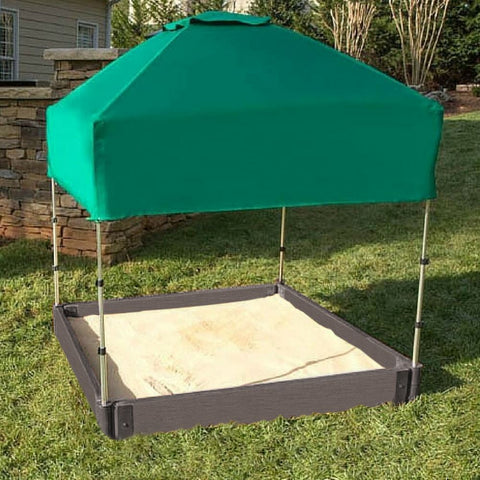
Dogs love spending time outdoors, but they also need a place to rest and cool off.
To protect your pup from the elements, provide shade in your backyard by using trees, umbrellas or even a pergola for your furry friend to relax in.
Choosing Dog-Safe Trees for Shade
While umbrellas and pergolas offer great shade, planting a tree is a beautiful, long-term solution for keeping your dog cool. However, it's crucial to select a variety that is non-toxic to your furry friend, as many common trees have leaves, berries, or bark that can be harmful if ingested. A great starting point is to look for native trees, since they are well-suited to your local climate and support native wildlife. Some wonderful, dog-safe options include certain varieties of Cherry trees, Star Magnolias, and Dogwoods. Before making a final decision, it's always a good idea to check a comprehensive list of toxic and non-toxic plants to ensure your choice will create a safe and shady haven for your pup for years to come.
Add a Water Station for Hydration and Play

Dogs love water, and having a water feature in your backyard is a great way to keep them cool and entertained.
A simple DIY water feature, such as a small pond or fountain, can be an affordable and easy way to add something extra to your garden space. While it is perfect for your pup to play in, it also works as a calming addition to your garden landscape for the whole family.
Design a Cozy Spot Just for Them
Dogs may seem like they're always full of energy, but it is also important to ensure they have space to catch up on their rays.
Be sure to include a cozy corner in your garden for your pooch to relax, with their favorite teddies and toys on hand to make them feel at home.
Reinforce Important Training Commands
Your backyard is the perfect training ground to practice and reinforce essential commands. It's a controlled environment where you can work on obedience without the distractions of a public park. Essential commands like 'leave it' are especially important in a garden setting, teaching your dog to steer clear of potentially harmful plants or your prized vegetable patch. Similarly, practicing 'stay' and 'come' ensures you can keep them safe and manage their behavior, whether you're tending to your garden beds or just relaxing outdoors. Consistent training in a familiar space builds your dog's confidence and strengthens your communication, making every outdoor adventure, both in and out of your yard, safer and more enjoyable for everyone.
Creating a Backyard You Both Can Enjoy
By incorporating some of these ideas, you can transform your backyard into a safe and enjoyable space for your four-legged family member. Above all, remember to prioritize their safety and comfort, while also keeping your plants safe and your family happy.
With a little bit of planning and creativity, you can create a backyard oasis that both you and your dog will love spending time in.
Frequently Asked Questions
My dog loves to dig everywhere. Will a designated digging spot actually work? Yes, it absolutely can, but it requires a little strategy and patience on your part. The key is to make the designated spot more appealing than your flowerbeds. You can start by burying some of your dog’s favorite toys or a high-value treat in the sandbox or soil patch. When you see them start to dig there, offer lots of praise. If you catch them digging elsewhere, gently redirect them to their special spot. It’s all about making their digging zone the most fun and rewarding place in the yard.
How can I make my small backyard dog-friendly without it feeling cramped and chaotic? In a smaller space, it’s all about smart, multi-functional design. Think vertically by using wall planters for your delicate flowers to keep them out of reach. Use raised garden beds to clearly define planting zones from play zones, which creates a sense of order. You can also create a simple, winding path with paw-friendly pavers that guides your dog through the space without letting them trample everything. This approach gives every part of the yard a purpose, making it feel intentional rather than cluttered.
The post mentions creating a potty area, but how do I actually train my dog to use it? Training your dog to use a specific potty spot is a game of consistency. Start by taking them to the designated area on a leash every time you go outside, especially first thing in the morning and after meals. Use a specific command word like "go potty." When they do their business in the right spot, reward them immediately with enthusiastic praise and a small treat. It might take a little time, but with consistent positive reinforcement, they will learn that this is their official bathroom.
Are raised garden beds enough to keep my dog out of my plants, or do I really need a fence? This really depends on your dog's size, agility, and personality. For many smaller or less curious dogs, the height of a raised garden bed is a sufficient visual and physical boundary to deter them. However, if you have a larger, more athletic dog or a particularly determined veggie thief, adding an animal barrier or fence around the beds provides that extra layer of security. It’s a surefire way to protect your harvest and give you complete peace of mind.
My lawn is already covered in yellow spots from my dog. Is it too late to fix it? It's never too late to improve your lawn! While you can't undo the existing spots overnight, you can absolutely prevent new ones from forming by establishing a designated potty area. Once your dog is consistently using their new spot, you can focus on repairing the lawn. Rake out the dead grass, neutralize the soil with a lawn repair treatment, and reseed the patches. Over time, your lawn will recover, and you'll have a system in place to keep it looking great.
Key Takeaways
- Create designated zones for dog activities: Instead of fighting your dog's natural habits, guide them. Set up a specific potty area using landscape edging or build a simple digging box to contain their instincts, which helps protect your lawn and flowerbeds from damage.
- Use smart planting and physical barriers: Keep both your plants and your pet safe by choosing non-toxic flowers and shrubs. For extra protection around delicate vegetable patches, use raised garden beds or animal barriers to create a clear, physical boundary that your dog can easily understand.
- Enrich their environment for a happier pup: A great dog-friendly yard is both safe and stimulating. Incorporate winding paths to encourage exploration, provide a shady spot for them to cool off, and add a water station for hydration and play to make the space more engaging.