
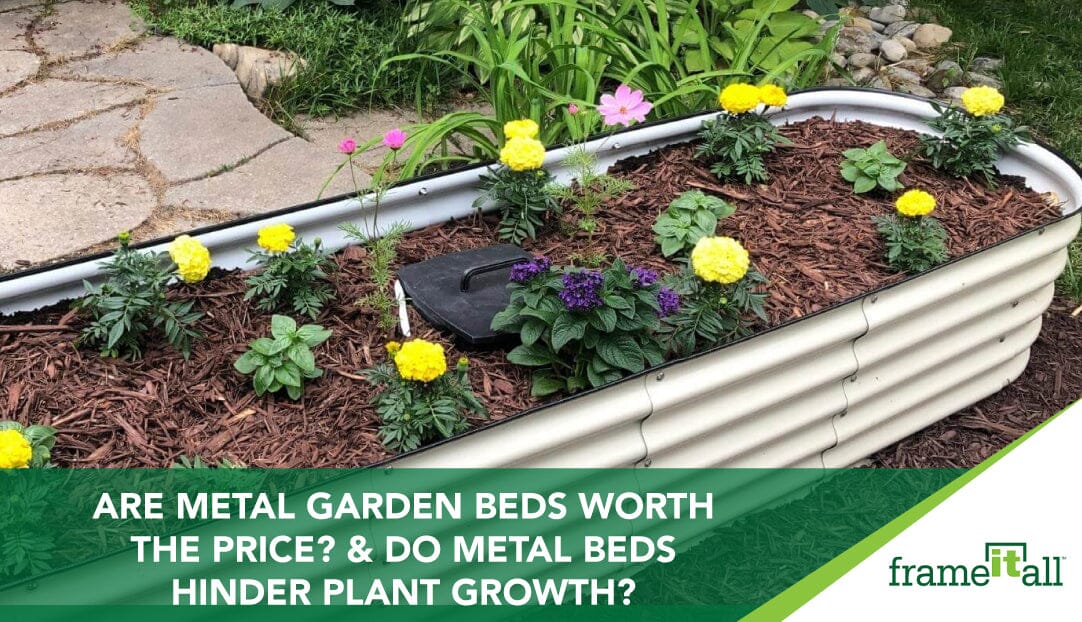
The sleek, modern look of a metal garden bed is undeniably appealing, but it often comes with a few questions. Will it get too hot in the summer and cook my plants? Is it safe to grow vegetables in, or will chemicals leach into my soil? These are completely valid concerns we hear all the time. The short answer is that a well-designed bed accounts for all of this. From advanced coatings that are completely food-safe to the way soil naturally regulates temperature, modern metal beds are engineered for healthy, productive gardens. We’ll address these common myths head-on and explain the science behind why they are a safe and effective choice.
Gardening is a great way to get outdoors, enjoy some fresh air and get a little exercise. But if you don't have a lot of space, it can be tough to get started. One way to make the most of a small space is to build a metal garden bed. Metal garden beds are a great way to add a little bit of height to your garden, which can help you make the most of a small space. They're also very durable, so you don't have to worry about them rotting or falling apart.
Metal garden beds are also relatively inexpensive, so you can get started without breaking the bank. It's important to know the benefits of metal garden beds and how beneficial they can be to both protect your plants and make your gardening a lot easier no matter what time of year you plan to grow your plants and vegetables.
However, we know many of you have questions about these types of beds. Are metal raised garden beds good for growing plants, herbs and vegetables? Are they safe? When should you consider using them? Do metal raised beds hinder plant growth because of their design? Knowing the answers to these and other questions will help you design whether a metal raised garden bed is the right choice to bring your gardening dreams to life.
In this blog, you'll learn:
- What are metal garden beds and when are they used?
- How metal garden beds work.
- If metal garden beds hinder plant growth.
- How Frame It All can help you choose the best metal garden bed for your garden that helps you continue to grow your plants all year long.
Visit our website to learn more about our metal garden beds and how you can protect your plants from local wildlife.

Why Choose a Metal Garden Bed?
There are many different types of metal garden beds available on the market, and each one has its unique benefits. Metal garden beds are often used to grow vegetables, herbs and flowers. They are also commonly used to line walkways, create privacy screens or simply add decoration to a garden. Metal garden beds come in various sizes, shapes and colors, so there is sure to be one perfect for your needs.
Built for Durability and Longevity
When you invest time and energy into building a garden, you want the structure to last. While traditional wood beds can rot, warp, and attract pests over time, metal offers a far more resilient solution. High-quality metal garden beds are designed to withstand the elements year after year without degrading. According to experts at Durable Green Bed, "Metal garden beds can last a long time, usually 25 to 30 years, which is much longer than wood or plastic beds." This impressive lifespan means you can spend less time on maintenance and repairs and more time enjoying your garden. It’s a one-and-done solution that provides a stable, reliable home for your plants for decades.
Pest and Weather Resistance
One of the biggest advantages of a metal garden bed is its inherent resistance to common garden frustrations. Unlike wood, metal doesn’t rot when exposed to moisture or attract destructive pests like termites. The material itself acts as a powerful deterrent. As noted by Durable Green Bed, the "smooth, slippery sides make it hard for pests like slugs and snails to climb into the bed," protecting your tender seedlings from being an easy meal. This built-in defense system saves you from constantly applying pest control measures. Furthermore, metal stands up to harsh weather, from intense sun to heavy snow, without cracking or breaking down, ensuring your garden structure remains intact and functional through every season.
Promotes Healthier Plants and Soil
The structure of your garden bed has a direct impact on the health of your plants, and metal beds create an ideal growing environment. They give you complete control over your soil composition, allowing you to create the perfect custom blend of nutrients for whatever you choose to grow. This is especially helpful if your yard has poor-quality native soil. A publication from Texas Homesteader points out that "Metal raised beds help prevent soil from getting too packed down and improve how water drains, which is good for plants." This improved aeration and drainage are key to developing strong root systems, leading to more vibrant, productive, and resilient plants throughout the growing season.
Open-Bottom Design for Better Drainage
A common feature of many metal garden beds is an open-bottom design, which is a game-changer for plant health. This simple yet effective feature directly addresses one of the most common killers of garden plants: root rot from waterlogged soil. An open bottom helps water drain out so your plants don't sit in too much water, and it lets plant roots get more nutrients from the ground below. This design allows excess moisture to escape freely into the ground, while also giving plant roots the freedom to grow deeper and tap into the natural ecosystem of your yard, accessing more nutrients and beneficial microorganisms.
Natural Pest Deterrence
Beyond just being durable, metal garden beds provide a formidable line of defense for your plants. The solid, impenetrable walls create a physical barrier that many common garden pests simply can’t cross. According to the team at Vegega, "Metal beds solve common gardening problems like rotting wood, pest damage (termites, rodents), and the need for frequent maintenance." This means you won’t have to worry about burrowing animals damaging the structure or your plant roots from the side. For even greater protection against larger critters like rabbits and deer, you can easily find animal barrier gardens that integrate fencing directly with the raised bed, creating a complete fortress for your vegetables and flowers.
Is a Metal Garden Bed Right for You?
There are a few circumstances when it might make sense to use a metal garden bed. If you're gardening in an area with high rainfall, for example, metal beds can help prevent flooding and soil erosion. Metal beds can also be a good choice if you are gardening on a slope as they help stabilize the soil. If you have limited space, metal beds can be a good option as they're often smaller than other types of beds.
What Type of Metal Garden Bed Should I Use?
It can be challenging to decide which type of garden bed to install and to choose the garden bed with the cost that fits your specific gardening needs. There are a variety of metal garden bed styles that you can choose from, so it's important to discuss the benefits and costs associated with each. A few things to consider are:
- The size and shape of the garden bed.
- Whether it is elevated, and if so, by how much.
- The material quality, including how thick it is and whether it has a protective coating.
- How easy it is to put together the garden bed.
- Whether you can customize the layout.
Understanding Materials and Construction
When you're investing in a metal garden bed, you want something that will last for years, not just a single season. The material and construction are the biggest factors in determining a bed's durability and performance. A well-built bed will stand up to harsh weather, resist rust, and hold its shape under the pressure of soil, water, and growing roots. Paying close attention to details like the type of steel used and the thickness of the panels will help you choose a product that provides a stable and long-lasting home for your plants, ensuring your garden thrives for many seasons to come.
The Importance of Metal Thickness
The thickness of the metal, often measured in millimeters, directly impacts the sturdiness of your garden bed. Thinner, flimsier panels can bow or warp over time from the weight of the soil, especially after heavy rain. Look for beds made with thicker steel, as a gauge of around 0.6mm is considered very strong and provides excellent structural integrity. This added strength ensures your garden bed can handle the elements and the demands of a full garden season after season, making it a more reliable and worthwhile investment for your outdoor space.
Advanced Steel for Corrosion Resistance
Not all steel is created equal, especially when it's going to be sitting outside. Basic steel will rust quickly, but modern metal garden beds use advanced coatings to prevent corrosion. Many are made from galvanized steel, but premium options use materials like Aluzinc steel, a special alloy that offers superior resistance to rust and damage. This is crucial for maintaining both the appearance and the function of your bed over the long term. A bed made with high-quality, corrosion-resistant steel will look great and perform well for years, even in rainy or humid climates.
Considering Ease of Assembly and Safety
Beyond the materials, think about the practical side of owning a metal garden bed. How easy is it to put together, and is it safe to have in your yard? A frustrating assembly process can sour your excitement before you even add soil, while sharp edges can pose a risk to you, your family, and your pets. The best designs prioritize a user-friendly experience from start to finish, combining straightforward construction with thoughtful safety features so you can focus on the fun part: gardening.
Look for User-Friendly Designs
No one wants to spend an entire afternoon struggling with confusing instructions and a bag full of tiny screws. When shopping, look for designs that emphasize simple, tool-free assembly. Some beds can be put together in just a few minutes thanks to innovative, no-fuss systems. Modular designs that use features like snap-lock connectors allow you to build and even customize your layout without any hassle. Choosing a garden builder kit with a user-friendly design means you'll be ready to plant faster and with less frustration.
Prioritizing Safety Features
Metal edges can be sharp, but a well-designed garden bed will account for this. Top-tier models include safety features like rounded corners and protective rubber or vinyl edging that fits over the top rim. This simple addition prevents accidental cuts and scrapes, making the garden a safer place for everyone, including curious kids and pets. When you're comparing options, always check for these safety measures. It’s a small detail that makes a big difference in creating a worry-free and enjoyable gardening environment for your entire family.
Are Metal Garden Beds Safe for Growing Food?
A common misconception of metal beds is that they can leech harmful metals into the soil of your garden bed. Most metal beds are made from a type of galvanized steel that uses zinc for the galvanization process. Zinc leeching is only an issue in acidic environments, and most garden soil will have a neutral pH. Even in acidic conditions, the amount of zinc leeched into the soil has a negligible effect on plant growth and will not be harmful to anyone who consumes these plants.
The Role of Food-Safe Coatings
Even with minimal risks from the metal itself, having extra peace of mind is always a good thing. This is where food-safe coatings come into play. High-quality metal garden beds often feature a special, non-toxic paint or powder coating that acts as a protective barrier between the metal and your soil. These coatings are specifically designed and certified to be safe for growing edible plants, ensuring no unwanted substances make their way into your vegetables. Beyond food safety, these advanced finishes also significantly extend the life of your garden bed. A durable coating adds another layer of defense against the elements, helping the bed resist scratches, rust, and fading from the sun. This dual benefit of safety and longevity is what makes a well-coated metal garden bed a smart investment for any home gardener.
Will a Metal Garden Bed Cook Your Plants?
Since metal often feels burning hot on a warm day, it's fair to ask whether it will make the soil too hot and dry to grow - or make the garden bed too hot to touch. The short answer is no. Soil is very good at absorbing and redistributing heat. The soil right next to the garden bed edges will get warmer by a few degrees, but the majority of the soil is not affected. As long as you water your plants sufficiently, you should not have an issue. The metal will feel warm when you touch it but not unbearably hot.
That being said, if you are using a raised bed, the soil will warm up faster since more of it is exposed to the sun. As such, you are generally better off growing more heat-friendly plants in the summer, especially if you live in warmer areas like the Southeast and Midwest.
The Truth About Soil Warming
It’s a valid question we hear all the time: since metal gets hot in the sun, won't it cook my plants? It’s easy to imagine the soil baking inside, but the reality is quite different. The short answer is no, your plants will be perfectly fine. Soil is an excellent insulator and is very effective at absorbing and redistributing heat. While the soil directly touching the inner walls of the metal garden bed might warm by a few degrees, this effect is minimal and doesn't penetrate deep into the bed. The vast majority of the soil, where your plant roots are growing, remains at a stable temperature, protecting your plants from any extreme heat fluctuations from the metal sides.
A Note on Airflow and Watering
Beyond just managing heat, metal raised beds offer some fantastic benefits for soil health. One of the biggest advantages is improved drainage and airflow. Unlike in-ground gardens where soil can become heavily compacted from foot traffic and rain, the contained structure of a raised bed keeps the soil loose and airy. This structure prevents water from pooling around plant roots, which is a common cause of root rot. Better airflow and drainage help maintain a more consistent soil temperature, creating a stable and healthy environment for your plants to thrive and develop strong root systems.
Why You'll Love Gardening in a Metal Bed
There are many benefits of using a metal garden bed. Metal garden beds are durable and long-lasting, so you won't have to replace them as often as you would with other materials. They're also easy to assemble and disassemble, so you can move them around your garden easily. Metal garden beds also offer good drainage and aeration, which is important for plant health.
Modular and Customizable Designs
One of the best features of modern metal garden beds is their modular design. This means you aren't stuck with a single, predetermined shape or size. Instead, you can connect panels in various configurations to create a layout that perfectly fits your space and vision. The modular design allows you to create many different shapes and sizes from one kit, giving you incredible flexibility for your garden layout. Whether you want a long, narrow bed along a fence line or a unique L-shape to wrap around a corner of your patio, a modular system makes it possible. This adaptability is perfect for gardeners who love to change things up or need to work with an unconventional space. You can even explore different options with garden builder kits to design a garden that is truly your own.
Unmatched Placement Versatility
Metal garden beds offer incredible freedom when it comes to placement. You can place these raised garden beds almost anywhere, from a grassy lawn to a concrete patio, as long as the spot gets enough sunlight. This versatility opens up gardening possibilities for those with poor native soil, or even no yard at all. Because the bed contains its own soil environment, you don't have to worry about what's underneath. Metal raised beds also help prevent soil from getting too packed down and improve how water drains, which is crucial for healthy plant roots. This means you can create a thriving garden on a deck, a balcony, or a paved area, transforming any sunny spot into a productive and beautiful space.
Metal Garden Beds: A Smart Investment or a Splurge?
There is no doubt that metal garden beds are more expensive than their wooden counterparts. But the question is, are they worth the price? The answer is yes if you're looking for durability and low maintenance. Most metal garden beds are made from powder-coated steel or galvanized steel, which makes them resistant to rust, pests and weather damage. They're also relatively lightweight compared to wood or stone and can be moved with ease when empty.

Calculating the Long-Term Value
When you're comparing prices, it's true that metal garden beds often have a higher initial cost than wood or plastic options. However, it's worth looking at the bigger picture. A quality metal bed can last for 25 to 30 years, far outliving other materials that might rot, crack, or warp after just a few seasons. When you break down the cost over its lifespan, a metal bed is a much smarter investment. For example, some estimates show that a metal bed costs around $9 per year of use, while a wooden bed that needs replacing every few years can average closer to $48 per year. Choosing a durable metal garden bed means you're investing in a long-term solution for your garden, saving you money and the hassle of replacements down the road.
How Soil Conditions Affect Longevity
While our metal beds are built to last, the environment they're in can play a role in their lifespan. The primary factors in your soil that can affect galvanized steel are moisture level, pH, and salt content. According to industry experts at Galvanize It, steel tends to last longer in well-draining, sandy soils because they dry out quickly. In contrast, heavy clay soils that hold a lot of moisture can create a more challenging environment. However, modern galvanized steel is designed to be incredibly resilient. By filling your raised bed with good quality, well-draining garden soil, you create an ideal environment for both your plants and the bed itself, ensuring you'll get to enjoy your garden for decades to come.
Finding the Perfect Metal Garden Bed for Your Space
Are you looking to make a raised garden but stuck on the design? VegHerb's 6-in-1 Metal Raised Garden Bed kit is the solution! This garden bed is made with our Aluzinc metal panels and stainless steel hardware. It's strong and durable enough to last for years to come and grow any plant you can think of. Choose from any of the six possible design configurations or add additional metal garden bed kits for even more versatility.
Here are a few of the features the VegHerb's 6-in-1 Metal Raised Garden Bed has that will help you protect your plants from local wildlife:
- Longevity: Our hot-dip Aluzinc coating is made with aluminum and zinc, and it provides an even more durable surface than our galvanized steel competitors. The Aluzinc material is less likely to chip or flake and resists rusting. In addition, our Aluzinc garden beds will last up to 20 years, so you won't have to replace this garden anytime soon!
- Safe for Children: VegHerb's metal beds are made with curved corner panels and cap nuts to provide safe corners for you and your children to garden. The included rubber trim can be installed around the top edge of the garden bed to give a soft surface to rest your hands or arms while gardening too!
- Sustainable: The Aluzinc steel material of VegHerb's raised beds is 100% recyclable and created using an environmentally conscious manufacturing method.
Tips for Filling Tall Garden Beds
Filling a tall garden bed can feel like a big project, but it doesn't have to drain your wallet or your energy. Instead of using expensive bagged soil for the entire depth, try a layering method. Start by lining the bottom with cardboard to smother any weeds. On top of that, add bulky organic materials like branches, twigs, and wood chips. This layer not only fills space but also improves drainage and slowly breaks down over time, releasing valuable nutrients into the soil. After your bulky base, add finer materials like straw, leaves, and kitchen compost. This process creates a rich, self-sustaining environment for your plants and is a fantastic way to recycle yard waste.
The final 6 to 12 inches of your bed should be a high-quality potting mix or a blend of compost and topsoil, as this is where your plants' roots will do most of their growing. This layering technique gives you complete control over your soil quality, a key benefit of using metal raised beds. You'll save money, reduce waste, and build healthier soil that prevents compaction and retains moisture more effectively. This method gives your plants the perfect foundation to thrive without the cost of filling the entire structure with premium soil from the start.
Frequently Asked Questions
Will my metal garden bed rust over time? High-quality metal garden beds are specifically designed to prevent rust. They are typically made from galvanized or Aluzinc steel, which has a protective coating that shields the metal from moisture and the elements. This advanced construction ensures your garden bed will maintain its structure and appearance for many years, often lasting for decades without any signs of corrosion.
Are the metal sides dangerous for kids or pets? This is a great question, and reputable brands design their beds with safety in mind. Look for models that include a protective rubber or vinyl trim to cover the top edge. This creates a smooth, rounded surface that prevents any accidental scrapes or cuts, making the garden a safe and enjoyable space for the whole family to work in.
Will the metal get too hot and cook my plants on a sunny day? It’s a common concern, but your plants are perfectly safe. Soil is a fantastic natural insulator. While the metal sides will feel warm to the touch, that heat doesn't transfer very far into the soil. The core temperature of the bed, where the roots are, remains stable and cool, protecting your plants from heat stress.
What's the main advantage of a metal bed over a traditional wood one? The biggest difference comes down to durability and maintenance. Wood beds can rot, warp, and become a home for pests like termites over just a few seasons. A metal bed, on the other hand, is impervious to rot and pests. It’s a long-term solution that won't break down, saving you the time and money of having to rebuild your garden structure every few years.
Do I have to fill the entire bed with expensive bagged soil? Not at all! In fact, it’s better if you don’t. For taller beds, you can save a lot of money by layering materials. Start with a base of cardboard, then add bulky organic matter like logs, branches, and leaves. Top it off with compost and a final 6-12 inches of high-quality soil where you'll be planting. This method, often called Hugelkultur, builds incredibly rich soil over time and puts your yard waste to good use.
Key Takeaways
- Invest in a Garden That Lasts: While the initial price might be higher, a metal garden bed's resistance to rot, pests, and weather means it can last for decades, making it a smarter and more cost-effective choice in the long run.
- Metal Beds Are Safe for Your Plants and Food: Modern metal beds are designed to be completely food-safe. Soil's natural insulating properties prevent roots from overheating, and protective, non-toxic coatings ensure that no harmful substances leach into your soil.
- Customize Your Garden for Healthier Plants: Metal beds give you complete control over your garden's foundation. You can build the perfect soil mix, ensure optimal drainage for strong roots, and place your garden on almost any surface, from a lawn to a patio.