
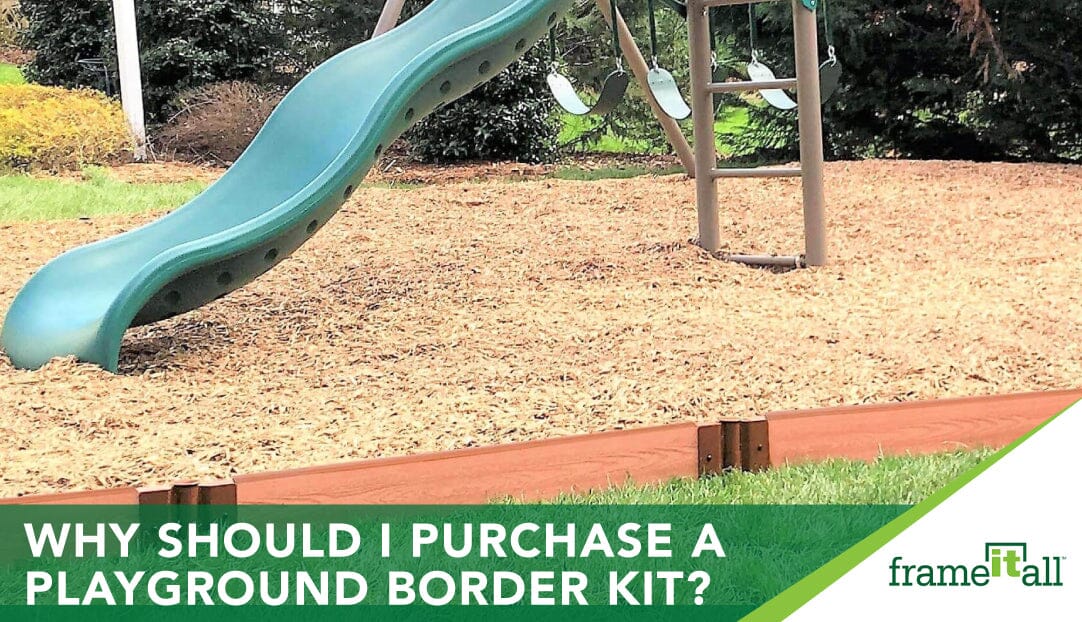
Are you tired of seeing wood chips scattered all over your lawn? Does your playground’s surfacing seem to shrink every season, leaving you with a constant cleanup chore? An uncontained play area is not only messy but can also become a safety hazard as the protective ground cover thins out. The simple and effective solution is a playground border kit. It provides a sturdy barrier that keeps surfacing materials in place, defines the play zone, and drastically cuts down on maintenance. This guide will walk you through the essential steps for choosing the right kit, from calculating the size you need to understanding the benefits of different materials and installation systems.
Why Should I Purchase A Playground Border Kit?
As parents and caregivers, ensuring the safety of children while they play the utmost importance. One way to enhance the safety and functionality of any playground is by installing a playground border kit. A playground border kit is a simple yet effective solution that keeps loose fill materials in place, prevents children from falling off the playground, and helps define the playground area, keeping children within safe boundaries. Frame It All offers easy-to-install playground border kits suitable for residential and commercial playgrounds.
Benefits of Purchasing a Playground Border KitFrame It All’s playground border kits are high-quality, weather-resistant plastic, and easy to install. No special tools are required.
Safety Benefits of a Playground Border KitSafety is paramount when you’re deciding which playground border kit you’ll purchase and install. One of the main benefits of a playground border kit is that it keeps loose-fill materials such as mulch or wood chips inside the playground area, preventing them from spilling out onto surrounding surfaces. This not only keeps the playground looking tidy but also reduces the risk of children tripping and falling on uneven surfaces. Additionally, a playground border kit can help prevent children from falling off the playground by clearly defining the edge of the play area.
It’s extremely important to put safety at the top of your list when deciding which playground border kit will suit your playground and protect children playing on your equipment the most. Here are a few of the safety benefits of playground border kits:
- Keeps loose fill materials in place, preventing them from spilling out onto surrounding surfaces
- Helps prevent children from falling off the playground by clearly defining the edge of the play area.
In addition to providing safety benefits, a playground border kit can also be used to create different play zones within the playground. For example, a border kit can be used to create a sandbox area, a raised flower bed, or even a seating area.
This allows children to have different experiences and activities within the same playground, encouraging them to explore and discover new things. Furthermore, a playground border kit can be used to create an area for seating or shade, allowing parents and caregivers to relax while keeping an eye on the children.
Functionality is not nearly as important as the safety of playground materials and slides but it cannot be forgotten. Here are a few of the functionality benefits you can expect when you purchase a playground border kit:
- Can be used to create different play zones within the playground
- Can be used to create a sandbox area, a raised flower bed, or even a seating area.
- Can be used to create an area for seating or shade.
When it comes to playground border kits, there are a few different types of materials to choose from, such as plastic, rubber, and wood. Each type has its unique benefits and drawbacks. There are several different playground border kits you can choose from (including those made from different materials, shapes, and sizes which may fit a particular size or type of playground).
Here are a few of the different types of playground border kits you can choose from:
- Plastic border kits: lightweight and easy to install but not as durable as other options
- Rubber border kits: durable and flexible but can be more expensive
- Wood border kits: aesthetically pleasing and blend in well with natural surroundings, but require more maintenance
- Frame It All’s playground border kits are made of high-quality, weather-resistant plastic and are easy to install, no special tools are required.
How to Install a Playground Border Kit
- Clear the area where the playground border kit will be installed
- Lay out the border kit and make any necessary adjustments to fit the space
- Fill the area inside the border with the desired loose fill material such as mulch or wood chips
- Frame It All’s playground border kits come with easy-to-follow instructions and all the necessary hardware to install the border
- Regularly check and maintain the playground border kit to ensure that it remains in good condition.
Visit Frame It All to learn more about their playground border kits and how they can enhance the safety and functionality of your playground.
Ready To Purchase Frame It All’s Easy To Install Playground Border Kits To Protect Your Kids From Accidents, Slips, & Falls?A playground border kit is a simple yet effective solution that can greatly enhance the safety and functionality of any playground. Frame It All offers easy-to-install playground border kits suitable for residential and commercial playgrounds.
Here are a few of the features the Playground Border Kit - Curved Boards offers home gardeners:
- The equivalent of 97 single-use plastic bottles is diverted from oceans and landfills to make each 4 ft. 2” Profile composite board! Shop & Purchase Your Walk-In/Through Garden Today
- Food-safe composite boards are made from 38% HDPE Plastic and 62% Certified Sustainably Sourced Wood Fibers.
- Snap-Lock Anchor/Stacking Brackets – simply slide and snap
- Composite Boards feature a textured finish that blends into any environment
- Limited Lifetime (registration required) / 5-year warranty (no registration required)
Shop & Purchase Your Playground Border Kit Today
Choosing the Right Material for Your Playground Border
The material you choose for your playground border impacts everything from safety and durability to aesthetics and maintenance. Wood might seem like a natural choice, but it can rot, splinter, and require frequent upkeep. Modern materials like composite, plastic, and rubber offer more practical and long-lasting solutions for containing playground surfacing and defining the play space. Each has its own set of benefits, so understanding the differences is the first step in making a confident choice for your backyard or community play area. Let's look at the most popular options to help you decide which one best fits your needs, budget, and vision for a safe, fun environment.
Composite Borders: The Durable, Eco-Friendly Choice
Composite borders are a fantastic option if you're looking for a blend of strength, longevity, and environmental responsibility. These borders are engineered to withstand the elements without the common issues that affect traditional wood, like rotting or cracking. At Frame It All, our playground borders are designed to be maintenance-free, so you can spend less time on upkeep and more time enjoying the play space. They offer a clean, finished look that holds up year after year, making them a smart investment for any playground project. Their robust construction ensures they can handle active play while keeping surfacing materials like mulch or sand neatly contained.
Material Composition
Composite materials combine the best of both worlds. Our borders are made from a mix of recycled plastic and sustainably sourced wood fibers. This innovative blend creates a material that is incredibly strong and durable yet also eco-friendly. By using recycled components, we help divert plastic waste from landfills and oceans, turning it into a useful and long-lasting product for your family. This composition not only provides superior performance but also gives you peace of mind knowing you've made a sustainable choice for your outdoor space.
Advantages of Composite
The primary advantage of composite material is its resilience. Unlike wood, it won't rot, warp, or fade over time, even when exposed to harsh weather. This means you won't have to worry about replacing boards or treating them with chemicals. They are also splinter-free, which is a critical safety feature for a space designed for children. The durability ensures that the border will maintain its structural integrity for years, effectively holding in playground surfacing and maintaining a tidy appearance without any extra work from you.
Plastic Borders: Lightweight and Affordable
Plastic playground borders are a popular and practical choice, especially for those looking for a straightforward and budget-friendly solution. They are known for being lightweight, which makes them easy to transport and handle during installation. Because they are so common, you can find them in various heights and styles to suit different needs. Their simple design often includes a spike system for installation, making them a quick way to outline a play area. While they are strong and require little upkeep, it's important to choose a high-quality plastic that can resist cracking under sun exposure and temperature changes.
Rubber Borders: Flexible for Creative Designs
If your playground design includes curves or non-traditional shapes, rubber borders are an excellent option. Their inherent flexibility allows you to create flowing, natural-looking edges that are difficult to achieve with rigid materials. This makes them ideal for defining winding pathways or rounded play zones. Rubber is also incredibly durable and provides a soft, forgiving edge, which adds an extra layer of safety if a child stumbles near the border. While they can sometimes be more expensive than plastic, their design versatility and safety features make them a worthwhile consideration for custom playground projects.
Color and Style Options
Your playground border doesn't have to be purely functional; it can also contribute to the overall look and feel of the play area. Borders are available in a range of colors, from earthy tones like brown and black that blend into the landscape to vibrant primary colors that add a playful touch. Frame It All's composite borders, for example, come in a classic sienna brown with a textured finish that mimics the look of wood without any of the maintenance. Choosing a color and style that complements your home and playground equipment can create a cohesive and inviting space for everyone to enjoy.
Getting the Size and Quantity Right
Once you've settled on a material, the next step is to figure out exactly what you need to bring your project to life. This involves taking some simple measurements to determine the right quantity of border sections and selecting an appropriate height to safely contain your chosen surfacing material. Getting these details right from the start will save you time and ensure your playground is both safe and functional. A well-planned border not only looks professional but also performs its job effectively, keeping the play area tidy and the surfacing where it belongs.
Calculating How Many Borders to Buy
Figuring out how many border sections you need is a simple calculation. First, measure the total length of the perimeter of your planned playground area in feet. Once you have that number, find the length of a single border section from the manufacturer you've chosen. Then, just divide the total perimeter length by the length of one section. For example, if your playground has a perimeter of 48 feet and each border section is 4 feet long, you would need 12 sections. It's always a good idea to double-check your measurements and maybe even sketch out your design to ensure you account for any corners or curves.
Selecting the Proper Border Height
The height of your border is a critical safety decision. It needs to be tall enough to contain the full depth of your loose-fill surfacing, like wood chips or rubber mulch. A border that's too short will allow the material to spill out, reducing the safety cushioning and creating a messy, unsafe edge. Most playground safety guidelines recommend a specific depth for surfacing materials to properly cushion falls, so your border must be able to accommodate that. Common border heights range from 8 to 12 inches, giving you options to match your specific safety requirements.
Matching Border Height to Surfacing Material
Different surfacing materials require different depths to be effective. For instance, engineered wood fiber often needs to be installed at a depth of 12 inches to provide adequate fall protection. In that case, you would need to select a 12-inch border to properly contain it. If you're using a thinner layer of surfacing, an 8-inch border might be sufficient. Always check the recommendations for your chosen surfacing material and select a border that is slightly taller to ensure everything stays securely in place, even after settling.
Important Safety and Accessibility Features
Beyond material and size, certain features can significantly enhance the safety and inclusivity of your playground. When shopping for borders, look for products that have been independently tested and certified for safety. Additionally, consider features that make the play area accessible to everyone, including children and adults with mobility challenges. Small details, like built-in guides for surfacing depth, can also make a big difference in ensuring your playground is as safe as possible. These features show that a manufacturer has thoughtfully considered the real-world use of their products.
Safety Certifications to Look For
One of the most important things to look for is an IPEMA (International Play Equipment Manufacturers Association) certification. This certification means the product has been tested by a third-party lab and meets specific national safety standards for playground equipment. Choosing an IPEMA-certified border provides an extra layer of assurance that the product is designed with child safety as a top priority. It confirms that the material is free from hazardous substances and is structurally sound for use in a play environment, giving you confidence in your purchase.
ADA Ramps for Inclusive Play
A truly great playground is one that everyone can enjoy. To make your play area accessible to individuals using wheelchairs or other mobility aids, look for border systems that offer compatible ADA-compliant ramps. These ramps create a smooth entry point into the play area, eliminating the barrier that a raised border would otherwise create. Some systems are designed with integrated ramp options that fit seamlessly with the border sections, ensuring a safe and inclusive space for children of all abilities to play together.
Built-in Surfacing Guides
Some playground borders come with helpful features like built-in surfacing guides. These are markings on the inside of the border that indicate the proper depth for your loose-fill material. This simple but effective feature takes the guesswork out of installation, helping you ensure that you've added enough surfacing to meet safety standards. It's a practical tool that helps you create a safer play environment by maintaining the correct cushion depth across the entire playground, protecting against injuries from falls.
Installation and Customization
The ease of installation can be a major factor in your decision, especially if you're planning a DIY project. Different border systems use different methods to connect and secure the pieces, from simple snap-together designs to more traditional spike-based installations. You should also consider how customizable the system is. The ability to stack borders for extra height or use specialized corner and end pieces can help you create a polished, professional-looking playground that perfectly fits your space and safety needs.
Understanding Installation Systems
Playground border installation systems are typically designed to be user-friendly. Most are intended for DIY installation and don't require special tools or expertise. The two most common methods are spike installation, where a long stake is driven through the border into the ground, and interlocking or snap-lock systems. At Frame It All, our playground border kits use a unique snap-lock system that makes assembly quick and secure. The instructions are included right in the box, allowing you to put everything together with ease.
Snap-Lock vs. Spike Installation
Spike installation is a common method where each border piece is secured by driving a long spike into the ground. While effective, it can sometimes be difficult to get the spikes into hard or rocky soil. A snap-lock system, on the other hand, uses brackets to connect the boards, which are then anchored in place. This design often provides a more stable and seamless connection between sections. Our tool-free snap-lock system allows you to simply slide and snap the pieces together for a sturdy, lasting frame.
Stackable Designs for Extra Depth
If you need a border higher than the standard 8 or 12 inches, look for a system that is stackable. This feature allows you to add a second layer of borders on top of the first to achieve the necessary depth for your safety surfacing. Frame It All's modular design is perfect for this, as our stacking brackets make it easy to build taller, more robust enclosures. This is particularly useful for playgrounds that require a very deep layer of surfacing material to meet safety guidelines for taller equipment.
Finishing Your Project: End Caps and Corners
To give your playground a clean, finished look, consider a border system that includes end caps and specialized corner pieces. End caps can cover the exposed ends of boards for a polished appearance and added safety. Flexible or fixed corner pieces help you create crisp, professional-looking angles without awkward gaps. These finishing touches not only improve the aesthetics of your play area but can also contribute to the overall durability and safety of the border structure by ensuring all connections are secure and protected.
What to Expect for Pricing and Shipping
Budget is always a key consideration for any home improvement project. The cost of playground borders can vary significantly based on the material, height, and brand. It's helpful to have a general idea of what to expect so you can plan accordingly. In addition to the product cost, be sure to factor in any shipping fees. Understanding where you can purchase the products—whether online or in-store—can also impact your overall cost and convenience, so it's worth looking into your options before making a final decision.
Example Costs for Different Materials
To give you a general idea, plastic borders are often the most affordable option. You might find a 12-inch plastic border with a spike for around $30 per section, while an 8-inch version could be slightly less. Rubber and composite borders may have a higher upfront cost, but their enhanced durability and longevity can make them a more cost-effective choice in the long run. When comparing prices, be sure to look at the length of each section to accurately calculate the total cost for your project's perimeter.
Shipping Details and Where to Purchase
Many playground borders can be purchased directly from the manufacturer's website or through major online retailers. Some brands, including Frame It All, also partner with big-box stores, so you may be able to find our playground border kits at your local Lowe's. Buying in-store can help you save on shipping costs, but ordering online often provides a wider selection. Be sure to check shipping policies and costs before you buy, as the size and weight of the borders can sometimes lead to significant shipping fees.
Checking the Warranty and Support Options
A good warranty is a sign that a company stands behind its product. Before you make a purchase, take a moment to understand the warranty coverage, including what it covers and for how long. This can protect your investment and give you peace of mind. It's also helpful to know if the company offers customer support or expert advice. Having access to a knowledgeable team can be invaluable if you have questions during the planning or installation process, ensuring your project goes smoothly from start to finish.
Understanding Warranty Coverage
Warranty terms can vary widely between brands. Some may offer a simple one-year warranty, while others provide much longer coverage. For example, Frame It All's playground border kits come with a standard 5-year warranty. However, if you take a few moments to register your product on our website, we'll extend that coverage to a limited lifetime warranty. This level of commitment reflects our confidence in the durability of our composite materials and provides you with long-term assurance that your playground border is built to last.
Access to Expert Advice
Building a playground can bring up a lot of questions, from design and layout to installation and maintenance. Choosing a company that offers excellent customer support can make the entire process much easier. Whether you need help calculating the number of boards you need, have a question about the snap-lock system, or want advice on the best surfacing material, having access to a team of experts can be a huge help. Look for companies that provide clear contact information and are ready to assist you with your project.
Frequently Asked Questions
My yard has a slight slope. Can I still install these playground borders? Yes, you can definitely install playground borders on ground that isn't perfectly level. For the best results, you'll want to do a little site preparation first. Start by clearing the area of any grass or debris. Then, you can dig a shallow trench and level it out to create a stable base for the first layer of boards. It's often easiest to begin your installation at the lowest point of the slope and work your way up, ensuring each section is secure as you go.
How do I know what height my border should be? The right border height is directly tied to the type of safety surfacing you plan to use. Different materials, like wood chips or rubber mulch, need to be at a certain depth to provide adequate cushioning for falls. You should first check the manufacturer's recommendation for your chosen surfacing. For example, if engineered wood fiber requires a 12-inch depth for proper safety, you will need to select a 12-inch border to contain it effectively.
What makes composite a better choice than traditional wood for a playground? While wood has a classic look, composite material offers significant advantages for a play area, primarily in safety and durability. Composite boards will not rot, warp, or crack when exposed to moisture and changing temperatures. Most importantly, they are splinter-free, which eliminates a common and painful hazard for children. This means you get the look of wood without the constant worry or the need for chemical treatments and maintenance.
Can I create shapes other than a simple square or rectangle with these kits? Absolutely. The modular design of our kits gives you a lot of creative freedom. You can easily create multi-level designs, L-shapes, or other custom rectangular configurations to fit your space perfectly. If you're looking for rounded edges or circular play areas, we also offer kits with curved boards that are specifically designed to help you achieve those softer, more organic shapes.
What kind of upkeep is required for a composite border? One of the best features of composite material is that it requires almost no maintenance. Unlike wood, you will never need to paint, stain, or seal it to protect it from the weather. If the border gets dirty from mud or grass clippings, a quick spray with a garden hose is usually all it takes to clean it. This lets you spend less time on yard work and more time enjoying the playground with your family.
Key Takeaways
- Prioritize safety with proper containment: Your border's main job is to keep surfacing material inside the play area, so select a height that accommodates the full, recommended depth of your mulch or wood chips to ensure a safe cushion for falls.
- Select the right material for your needs: Consider the long-term benefits of different materials. Composite provides a durable, low-maintenance solution, plastic is great for a simple and affordable project, and flexible rubber works well for creating custom, curved layouts.
- Measure twice, buy once: Before purchasing, calculate the total perimeter of your play area to determine the exact number of border sections you'll need. A little planning upfront, including choosing an easy installation system, ensures a smooth and successful project.