
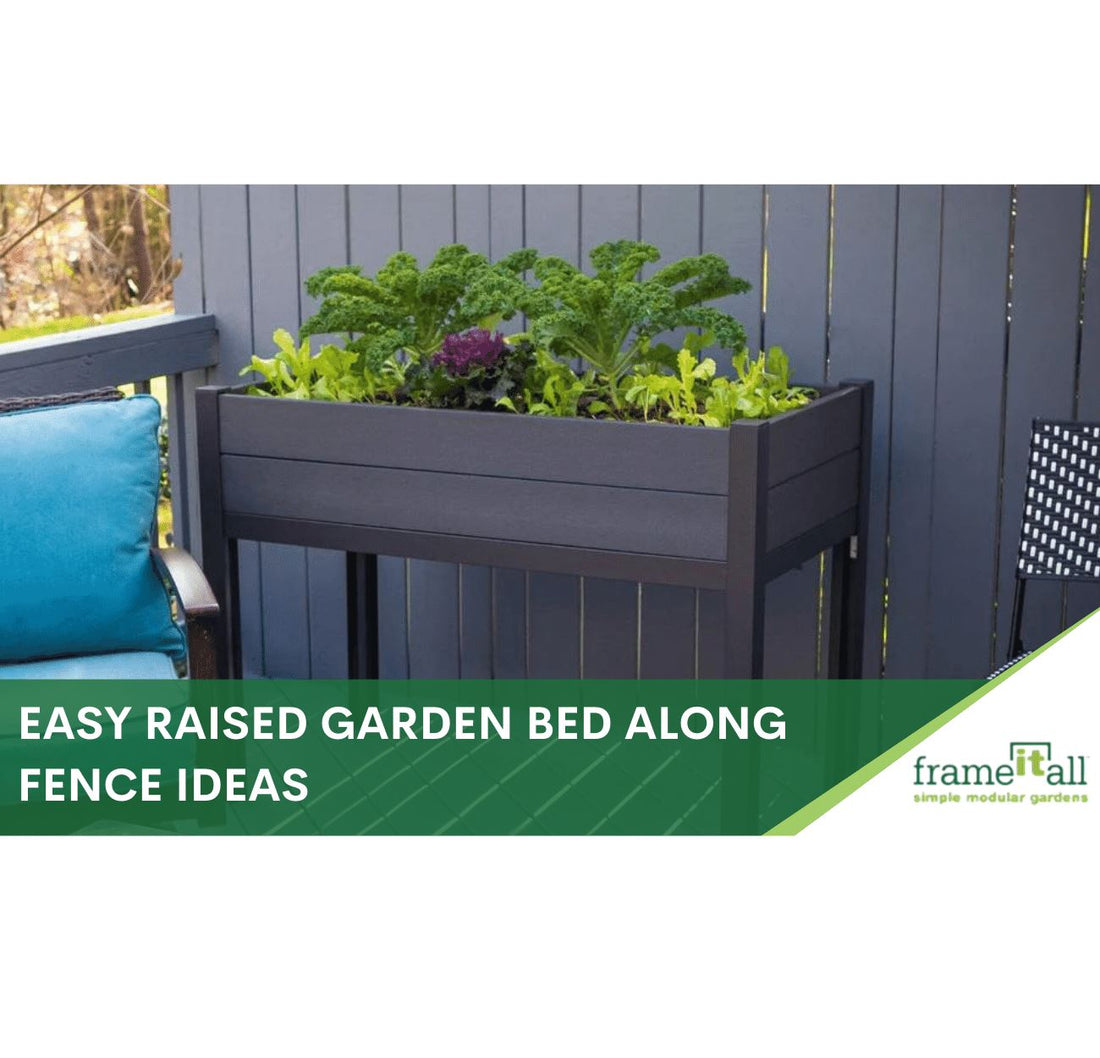
That narrow strip of land along your fence line? It's more than just an awkward spot to mow—it's an opportunity. You can transform that underused space into a beautiful and productive garden. A raised garden bed is the perfect solution, turning a boring border into a thriving home for your favorite vegetables, herbs, and flowers. It's a fantastic way to get into gardening, even with limited space. This guide will show you exactly how to plan, build, and plant your new fence line garden for a successful harvest.
In this blog post, we will explore the basics of raised garden beds along fences and provide you with some creative ideas to help you design your own. We will discuss the benefits of raised garden beds, how to plan and position them along your fence and discussion your raised garden bed options.
So whether you're a seasoned gardener looking for new ideas or a beginner wanting to start your gardening journey, this blog post will provide you with the inspiration and guidance you need to create a beautiful and functional raised garden bed along your fence. Let's dive in and explore the world of raised garden beds along fences!
Why Put a Raised Garden Bed Along a Fence?

Raised garden beds along fences offer numerous advantages that make them a popular choice for both experienced gardeners and beginners. Here are some key benefits to consider:
- Optimal Use of Space: By utilizing the vertical space along your fence, you can maximize the available gardening area in your backyard. This is particularly beneficial if you have limited space or a small yard.
- Improved Drainage: Raised garden beds allow for better drainage compared to traditional in-ground gardens. The elevated design prevents water from pooling and helps prevent waterlogged soil, which can lead to root rot and other plant diseases.
- Better Soil Quality: With raised garden beds, you have full control over the soil composition. You can create a nutrient-rich and well-draining soil mixture that promotes healthy plant growth. This is especially advantageous if your existing soil quality is poor or contaminated.
- Reduced Weed Growth: Raised garden beds act as a barrier against invasive weeds. By elevating your plants, you can minimize the chances of weeds taking root and competing with your desired plants for nutrients and sunlight.
- Easy Access and Maintenance: The raised height of the bed makes it easier to reach and tend to your plants, reducing strain on your back and knees. Additionally, the defined boundaries of the bed make it easier to maintain and keep your garden organized.
- Protection from Pests: The elevated design of raised garden beds can offer some protection against common garden pests, such as rabbits or ground-dwelling insects. You can also install additional measures like wire mesh or fencing to further deter pests.
- Enhanced Aesthetics: Raised garden beds along fences can add a visually appealing and structured element to your garden. They can serve as a focal point or create a beautiful backdrop for other garden features.
- Extended Growing Season: Raised garden beds can warm up faster in the spring, allowing you to start planting earlier. Additionally, you can extend the growing season in the fall by using covers or cold frames to protect your plants from frost.
By understanding these benefits, you can see why raised garden beds along fences are an attractive option for gardeners of all levels. Now let's move on to the next section to explore how to plan and position your raised garden bed along a fence.
Finding the Perfect Spot for Your Raised Garden Bed
Planning and positioning your raised garden bed along a fence requires careful consideration to ensure optimal sunlight exposure, accessibility, and overall aesthetics. In this section, we will guide you through the essential steps to help you plan and position your raised garden bed effectively.
First, Check Your Lawn and Fence Condition
Before starting your project, take a close look at your available space and assess the condition of your fence. Consider the following factors:
- Available Space: Measure the length and width of the area along the fence where you intend to build your raised garden bed. Take note of any obstacles like trees, shrubs, or utilities that may limit the available space.
- Fence Condition: Inspect your fence for any signs of damage or decay. Ensure that it is sturdy enough to support the weight of the raised garden bed. If necessary, repair or reinforce the fence before proceeding.
How Much Sunlight Does Your Garden Bed Need?
Proper sunlight exposure is crucial for the health and productivity of your plants. Consider the following tips when choosing the position for your raised garden bed:
- Sunlight Requirements: Determine the sunlight requirements of the plants you intend to grow. Most vegetables and herbs require at least 6-8 hours of direct sunlight per day. Take note of areas in your backyard that receive full or partial sunlight throughout the day.
- South-Facing Fence: If possible, position your raised garden bed along a south-facing fence. This will ensure that your plants receive the maximum amount of sunlight throughout the day.
- Shade Considerations: Be mindful of any nearby structures, trees, or tall plants that may cast shade over your garden bed. Avoid positioning your raised bed in areas that are heavily shaded, as this may inhibit plant growth.
Sketching Out Your Garden Bed Layout
Once you have assessed your space and determined the best position for your raised garden bed, it's time to design the layout. Consider the following factors:
- Bed Dimensions: Decide on the dimensions of your raised garden bed, taking into account the available space and your gardening needs. Ensure that the width allows for easy reach to the center of the bed from both sides.
- Shape and Style: Choose the shape and style of your raised garden bed. Common options include rectangular, square, or even curved beds. Consider the overall aesthetics of your garden and select a design that complements the existing landscape.
- Accessibility: Plan for easy access to your raised garden bed. Leave enough space around the bed for you to comfortably move and tend to your plants. Consider pathways or stepping stones that allow you to navigate through your garden without stepping on the soil.
By carefully planning and positioning your raised garden bed along your fence, you can optimize sunlight exposure, ensure accessibility, and create a visually pleasing garden space. In the next section, we will dive into the materials needed and the step-by-step process of building your raised garden bed.
Choosing the Right Design for Your Space
Once you’ve picked the perfect spot, it’s time to think about the design of your raised garden bed. The right choice depends on your specific needs, from how you plan to use the garden to your physical comfort while tending to it. Key factors like bed height, accessibility, and whether you choose to build from scratch or use a kit will shape your gardening experience for years to come. Thinking through these elements now ensures you create a space that is both beautiful and perfectly functional for you.
Consider Bed Height and Accessibility
One of the greatest advantages of a raised garden bed is ergonomics. The height of your garden bed directly impacts how easy it is to plant, weed, and harvest. A taller bed significantly reduces the need to bend or kneel, which can be a real game-changer for anyone with back or knee issues. This improved accessibility makes gardening a more enjoyable and sustainable hobby. Beyond comfort, a taller structure can also provide better protection from pests like rabbits and makes it easier to keep your garden tidy and organized within its defined borders. When selecting a design, consider a modular system that allows you to choose the perfect height for your comfort level, ensuring you can garden with ease for seasons to come.
Buying vs. Building: What's the Cost?
The classic question for any home project is whether to DIY or buy a pre-made kit. Building a raised bed from scratch can seem like the more budget-friendly option upfront, but it’s important to consider the long-term costs. Using untreated wood, for example, may save you money initially, but it will likely rot and need to be replaced within a few years. Investing in quality materials from the start will save you time, effort, and money down the road. High-quality raised garden bed kits made from durable composite or metal materials might have a higher initial price tag, but their longevity makes them a smarter financial choice. Plus, they eliminate the guesswork and hassle of construction, often assembling in minutes without any special tools.
How to Build Your Raised Garden Bed Along a Fence
Building a raised garden bed along a fence is a rewarding and relatively straightforward project that can be completed with the right materials and tools. In this section, we will guide you through the process of building your own raised garden bed step-by-step.
Preparing the Ground for Your Raised Bed
Before you can assemble your new garden bed, you need to give it a solid foundation. Proper ground preparation is a non-negotiable step that prevents a lot of headaches down the road, like weeds taking over or your bed becoming unstable. Taking the time to do this right ensures your plants have the best possible environment to grow. This prep work is essential whether you're building from scratch or using a simple snap-together kit. It sets the stage for a healthy, productive garden that you can enjoy for years to come.
Clear and Level the Area
First, clear your chosen spot of any grass, weeds, or large rocks. You want to get down to the bare soil to create a clean slate. Once the area is clear, it's time to check for levelness. An uneven base can cause your garden bed frame to warp over time and lead to uneven water distribution in the soil, leaving some plants thirsty while others are waterlogged. Lay a long, straight board across the area and place a carpenter's level on top. If you find high spots, dig them down. For any low spots, fill them in with a bit of topsoil or sand until the entire footprint for your bed is perfectly flat.
Line the Bottom of the Bed
Lining the bottom of your raised bed is a smart move to keep weeds and pests out. A simple and eco-friendly option is to lay down a few layers of plain cardboard, making sure to remove any plastic tape or labels. This will smother any existing grass or weeds and will decompose over time, adding organic matter to your soil. If you live in an area with burrowing pests like gophers or voles, you’ll want to add a layer of hardware cloth. This galvanized wire mesh is a lifesaver for protecting your plants' roots. Simply cut it to size and lay it down before adding your cardboard and soil, creating an effective animal barrier from below.
6 DIY Raised Garden Bed Ideas for Your Fence Line
Are you ready to transform that neglected strip of lawn along your fence into a vibrant and productive space? With these easy DIY raised garden bed ideas, you can elevate your gardening game while maximizing limited space. From vegetable gardens to herb sanctuaries, here's a guide to help you build the perfect raised garden bed along your fence.
1. The Classic Wooden Raised Bed
One of the easiest ways to create a raised bed garden is by using wood. Choose untreated, rot-resistant lumber to ensure the longevity of your garden beds. Mitered corners add a professional touch and make assembly a breeze. This method is perfect for the traditional gardener who appreciates the classic look and natural feel of wood. If you have leftover fencing material, repurpose it to create a cohesive look along the perimeter.
Choosing the Right Wood
When building a wooden raised bed, your choice of wood is a critical decision. It directly impacts the lifespan of your garden and the safety of the soil where your food will grow. I always recommend naturally rot-resistant woods like cedar or redwood, as they stand up to the elements for years. The most important rule is to use untreated wood only. Pressure-treated lumber contains chemicals that can leach into your soil, and that’s a risk not worth taking with your edible plants. Also, aim for boards that are at least two inches thick to keep them from bowing out over time. If you love the look of wood but not the eventual maintenance or rot, modern composite raised garden beds offer a great alternative, giving you that classic style without the worry.
2. A Modern Look with Cinder Blocks
For a more industrial and modern aesthetic, consider using cinder blocks or concrete blocks. Stack them easily, and they provide excellent durability. The best part? No need for screws or additional hardware. Create a built-in look by incorporating concrete blocks as both the structure and the planter itself. This is not only a visually appealing option but also a low-maintenance one.
Tips for Using Cinder Blocks Safely
While cinder blocks are a durable and budget-friendly choice, there's a bit of a debate about their safety for edible gardens. The main concern is that some blocks, especially older ones, may contain fly ash or other industrial byproducts that you wouldn't want in your food. Over time, there's a small chance these materials could leach into your soil, which is something to seriously consider if you plan on growing vegetables for your family. For ornamental plants and flowers, this isn't really an issue, but it’s good to be aware of the potential risks before you start planting your herbs and tomatoes.
To be on the safe side, you can take a few simple precautions to create a safe growing environment. The easiest solution is to line the inside of your cinder block bed with a barrier. A food-grade plastic liner or a few layers of landscape fabric will prevent your garden soil from making direct contact with the blocks, giving you peace of mind. You can also use the holes in the blocks to your advantage by planting companion flowers like marigolds or herbs like thyme. This creates a beautiful border while keeping your main vegetable soil contained and separate, turning a potential problem into a creative design feature.
3. Choose Eco-Friendly Composite Materials
If you're looking for an eco-friendly alternative, composite garden beds are the answer. Constructed from a mix of recycled wood fibers and plastic, these beds are durable, resistant to rot, and low-maintenance. The best part? You won't need to worry about the long-term effects of weather exposure on your garden beds and they are easy to attach to one another. Plus, they provide a cohesive look and are available in various sizes such as 2×4 or larger.

The Benefits of Composite Boards
Composite boards are a fantastic choice because they blend the classic look of wood with the resilience of modern materials. Made from a mix of recycled wood fibers and plastics, these boards are engineered to last. Unlike traditional wood beds that can rot, splinter, or warp over time, composite materials stand up to the elements without needing constant upkeep. This means you spend less time on maintenance and more time enjoying your garden. Because they are so durable, lasting 20 years or more, they are a smart long-term investment. Frame It All's composite raised garden beds use a unique snap-lock system, making assembly incredibly simple without any tools. This combination of longevity, low maintenance, and easy setup makes them an ideal solution for any gardener.
4. Galvanized Metal for a Modern Touch
Galvanized metal containers offer a sleek and modern aesthetic for your raised garden beds. The zinc coating protects against corrosion, making them a durable choice. These metal planters not only look great but also provide a unique and trendy way to enclose your garden. Consider arranging them along the fence, creating a stylish perimeter for your vegetable or herb haven.
Ensuring Proper Drainage
While galvanized metal looks sharp, it's crucial to manage water flow to prevent soggy soil and root rot. If you're using a container with a solid bottom, like a stock tank, you absolutely must drill drainage holes every few inches. However, most open-bottom metal raised beds have a major advantage: they allow excess water to drain directly into the ground. This design, combined with your ability to create a custom, well-draining soil mix, sets your plants up for success. Just remember not to overwater—a good rule of thumb is to check if the top two inches of soil are dry before reaching for the hose.
5. Get Creative with Repurposed Pallets
For the resourceful gardener, repurposing pallets is an easy and budget-friendly way to create raised garden beds. Disassemble the pallets, and use the planks to build the sides of your garden beds. The open slats allow for proper drainage, and the gaps between the planks give the beds a rustic charm. It's a creative way to extend the life of discarded materials while adding character to your garden.
6. Go Vertical with Lawn Edging and a Trellis
In limited spaces, going vertical is a smart move. Use PVC pipes to create trellises along the fence, providing support for climbing plants like peas or decorative vines. Integrate lawn edging to delineate the garden beds and keep a cohesive look. This solution not only maximizes space but also adds a touch of elegance to your garden.
What Should You Plant in Your Raised Garden Bed?
Choosing the right plants for your raised garden bed along a fence is essential to ensure successful growth and a bountiful harvest. In this section, we will discuss how to select suitable plants for your garden bed, understand plant spacing and sunlight needs, and provide guidelines for planting and care.
Picking the Perfect Plants for Your Space
Consider the following factors when choosing plants for your raised garden bed:
- Sunlight Requirements: Determine the amount of sunlight your garden bed receives throughout the day. Some plants thrive in full sun, while others prefer partial shade. Match the sunlight requirements of your chosen plants with the available light in your garden bed.
- Plant Size and Spacing: Consider the mature size of the plants and plan accordingly to avoid overcrowding. Leave enough space between each plant to allow for proper airflow and growth. Check the recommended spacing guidelines for each plant variety.
- Companion Planting: Practice companion planting by selecting plants that benefit each other when grown together. For example, planting marigolds alongside vegetables can help repel pests.
- Crop Rotation: Plan for crop rotation by choosing a variety of plants with different nutrient requirements. This helps prevent soil depletion and the buildup of pests or diseases.
Give Your Plants Room to Grow
Proper plant spacing and understanding sunlight needs are crucial for maximizing productivity and preventing issues such as overcrowding or shading. Consider the following tips:
- Spacing Guidelines: Follow the recommended spacing guidelines for each plant variety. This ensures that plants have enough room to grow and receive adequate nutrients and sunlight.
- Trellising and Supports: Some plants, such as tomatoes or cucumbers, may require trellises or supports. Plan for these structures in your garden bed to provide vertical growing space and support for your plants.
- Sunlight Considerations: Arrange your plants in the garden bed according to their sunlight needs. Place taller plants towards the back of the bed to prevent shading smaller plants. Consider the orientation of the fence and how it may cast shadows at different times of the day.
Simple Steps for Planting and Ongoing Care
Follow these general guidelines when planting and caring for your raised garden bed:
- Planting: Dig a hole slightly larger than the plant's root ball and gently place the plant in the hole. Backfill with soil, ensuring that the plant is at the same depth as it was in the container or nursery. Firmly press the soil around the plant to eliminate air pockets.
- Watering: Provide regular watering to keep the soil consistently moist but not waterlogged. Avoid overwatering or letting the soil dry out completely. Use mulch around plants to help retain moisture and reduce weed growth.
- Fertilizing: Apply organic or slow-release fertilizers according to the specific needs of your plants. Follow the instructions on the fertilizer packaging and avoid over-fertilization, as it can harm the plants.
- Weeding: Regularly inspect your garden bed for weeds and remove them promptly to prevent competition for nutrients and space.
- Support and Pruning: As your plants grow, provide support for vining or tall plants using stakes, trellises, or cages. Prune plants as needed to maintain their shape and encourage healthy growth.
By carefully selecting and planting your plants, and providing proper care throughout the growing season, you can enjoy a flourishing and productive raised garden bed along your fence. In the next section, we will explore maintenance tips and techniques to keep your garden bed in optimal condition.
Growing Lavender in a Raised Bed
Lavender is a fantastic choice for a raised garden bed, especially one placed along a sunny fence line. This fragrant herb originally comes from the Mediterranean, so it thrives in conditions that mimic that climate: lots of sun and, most importantly, excellent drainage. Lavender absolutely dislikes having "wet feet," and soil that stays soggy can quickly lead to root rot. This is where a raised garden bed becomes the perfect solution. It allows you to completely control the soil composition, creating a gritty, well-draining mix that lavender loves, even if your native yard soil is heavy clay. By elevating the planting area, you ensure that excess water drains away freely, keeping your lavender happy and healthy.
Troubleshooting Common Lavender Problems
Even with the best intentions, you might run into a couple of common issues with lavender. If you notice the leaves turning brown, the culprit is likely too much moisture. Overwatering or high humidity can cause fungal diseases to take hold. The solution is to scale back on watering and make sure your plants have good air circulation. Another frequent problem is a beautiful, green lavender plant that refuses to flower. This is often caused by too much kindness in the form of fertilizer, particularly one that's high in nitrogen. Nitrogen encourages leaf growth at the expense of blooms. Lavender prefers lean soil, so it's best to avoid fertilizing it altogether once it's established in your garden bed.
How to Prune and Harvest Lavender
Pruning is key to keeping your lavender plant from becoming woody and sparse. A light trim in the spring, just as new growth appears, will encourage the plant to become bushier and produce more flowers. When it comes to harvesting, you can snip stems anytime you need them. To ensure the plant stays full and healthy, a good rule of thumb is to never cut more than one-third of the plant's stems at once. If you plan on drying the lavender for sachets or crafts, the best time to harvest is just before the tiny flowers fully open. This is when their fragrance and color are most concentrated, ensuring you capture the best of what your garden has to offer.
Ready to Build Your Dream Garden?
Whether you opt for the classic wooden charm, the modern appeal of galvanized metal, or the eco-conscious choice of composite materials, creating raised garden beds along your fence is a rewarding endeavor. Embrace the DIY spirit, reuse materials, and watch your garden thrive. It's time to assemble, plant, and enjoy the fruits (and vegetables) of your labor!
Frequently Asked Questions
How deep does my raised garden bed need to be? The ideal depth really depends on what you plan to grow. For plants with shallow roots, like lettuce, spinach, and most herbs, a bed that's 6 to 8 inches deep will work just fine. If you're dreaming of growing root vegetables like carrots or potatoes, or larger plants like tomatoes, you'll want a depth of at least 12 inches to give their roots plenty of room to expand. A deeper bed also holds more soil, which means it can retain moisture longer.
Will the moisture from the garden bed damage my wooden fence? This is a great question and a valid concern. To protect your fence, it's a good idea to leave a small gap of a few inches between the raised bed and the fence itself. This space allows for air to circulate, which helps both the back of the garden bed and the fence dry out after it rains. Using a self-contained garden bed kit made from a material that doesn't rot, like composite or metal, also helps create a solid barrier between the damp soil and your fence.
What's the best soil to fill my new raised bed with? One of the biggest perks of a raised bed is getting to create the perfect soil from scratch. You don't want to use soil straight from your yard, as it's often too dense and can contain weed seeds. A great, all-purpose mix is one-third topsoil, one-third compost, and one-third a material for aeration, like perlite or vermiculite. This combination creates a light, fluffy, and nutrient-rich environment that will help your plants thrive.
What can I plant if my fence line is mostly shady? While many vegetables need a full day of sun, you still have plenty of options for a shadier spot. Leafy greens are your best friends in partial shade; think spinach, kale, chard, and arugula. Many herbs, such as mint, parsley, and chives, also do quite well with less sun. Some root vegetables, like radishes and carrots, can tolerate partial shade, though they may grow a bit slower.
Do I have to replace all the soil in my raised bed every year? Thankfully, no. You don't need to start over with fresh soil each spring. Instead, you just need to amend what's already there. At the start of each growing season, simply top off your bed with a few inches of fresh compost. Gently mix it into the top layer of your existing soil to replenish the nutrients that your plants used up last year. This simple step will keep your soil healthy and productive for years to come.
Key Takeaways
- Location is everything: Before you build, ensure your chosen spot gets at least six hours of daily sun. A clear, level foundation is just as important, as it prevents your bed from warping and ensures even water distribution for your plants.
- Invest in durable materials: Building a bed from scratch can seem cheaper, but materials like untreated wood will rot quickly. Opting for a quality composite or metal kit is a smarter long-term choice that saves you from future repairs and replacements.
- Control your soil for healthier plants: A raised bed gives you total control over the growing environment. You can create the perfect well-draining, nutrient-rich soil for any plant, from vegetables to picky herbs like lavender, regardless of your yard's native soil quality.