
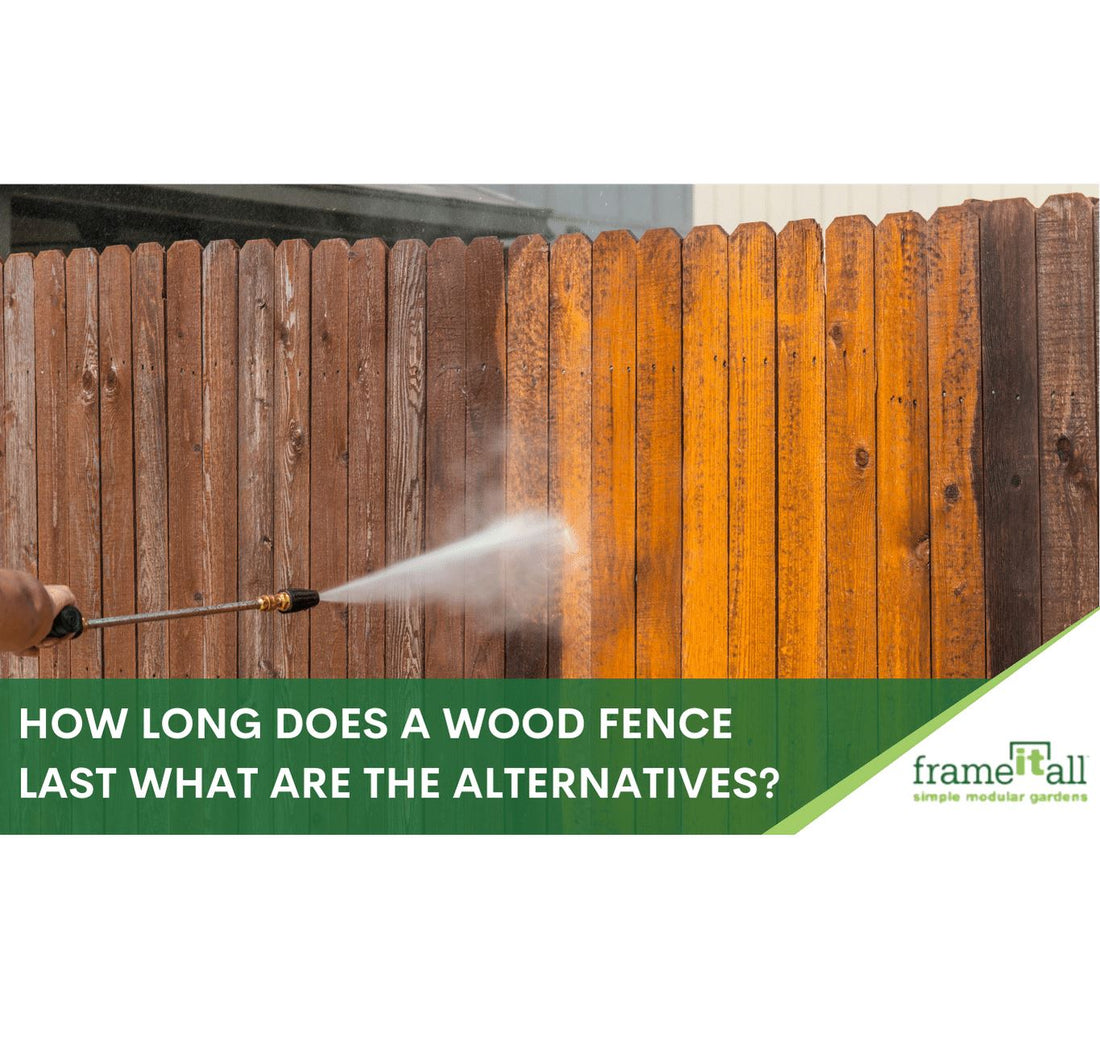
A classic wood fence has a timeless appeal that can perfectly frame a property. But that natural beauty comes with a vulnerability to the elements. From constant exposure to rain and sun to the threat of pests and rot, a wood fence is in a constant battle for survival. This reality makes homeowners wonder how long a wood fence will last and what it truly takes to keep it standing. We’ll break down the expected lifespans of popular wood choices, from cedar to pressure-treated pine, and cover the essential maintenance required to protect your investment from weather, water, and wear.
When it comes to fencing options for your property, durability is a key factor to consider. A well-constructed fence not only enhances the aesthetic appeal of your home but also provides security and privacy. In this blog post, we'll delve into the longevity of wood fences and explore alternative materials that might better suit your needs.
The Lifespan of a Wood Fence - Does a Wood Fence Last?
How Long Different Wood Fences Last
Not all wood is created equal, and the type you choose for your fence will have the biggest impact on its longevity. Factors like your local climate, how much maintenance you’re willing to do, and your initial budget all play a role, but the wood species is the foundation of your fence’s lifespan. Some woods are naturally resistant to rot and insects, while others need chemical treatments to stand a chance against the elements. Let’s look at the expected lifespans for some of the most common wood fencing materials so you can make an informed decision for your property.
Cedar
Cedar is a very popular fencing material, largely because of its natural resistance to decay and insects. A well-maintained cedar fence can last around 25 years, but its actual lifespan can vary quite a bit depending on the climate and upkeep. In fact, some people have reported their cedar fences lasting much longer, sometimes for 30 years or more. While it holds up well without treatment, applying a quality stain or sealant every few years can help preserve its rich color and protect it from moisture, extending its life even further and keeping it looking great.
Redwood
Similar to cedar, redwood contains natural tannins and oils that help it resist rot and pests, making it another excellent, long-lasting choice for fencing. Redwood offers a nice look and good durability, with a typical lifespan of about 20 to 25 years. Its beautiful reddish-brown hue is a major draw for many homeowners, though it will eventually fade to a silvery gray if left unstained. To maintain its vibrant color and get the most out of its lifespan, you’ll want to clean it annually and reapply a protective sealant every three to five years.
Pressure-Treated Pine
If you’re looking for a more budget-friendly option, pressure-treated pine is a common go-to. This wood is put through a chemical preservation process that helps it stand up to decay and insects. A pressure-treated pine fence typically lasts between 10 and 20 years. While it’s affordable and resists pests effectively, it’s more prone to warping, shrinking, and cracking than cedar or redwood. Consistent maintenance, including regular staining or painting, is essential to protect it from moisture and sun damage and to maximize its lifespan.
Exotic Hardwoods
For those seeking maximum durability and a unique, high-end look, exotic hardwoods like Ipe are the top of the line. These woods are incredibly dense, strong, and naturally resistant to almost everything, including rot, insects, and even fire. Because of their remarkable resilience, exotic hardwood fences can last an impressive 50 to 75 years, making them a true long-term investment. However, this premium performance comes with a significantly higher price tag for both materials and installation, placing it outside the budget for many projects.
Untreated Softwood
Untreated softwoods, such as basic pine or spruce, are the least expensive wood fencing option available. However, their low upfront cost comes with a major trade-off in durability. Without any chemical treatments or natural defenses against the elements, this type of wood is highly susceptible to rot, decay, and insect damage. An untreated softwood fence lasts only 5 to 10 years on average, and sometimes even less in wet climates. You’ll find yourself facing repairs and a full replacement much sooner than with any other wood option.
Factors Affecting Longevity

The longevity of your fence is crucial to allow you to feel secure in your home. Wood fences are popular for their natural beauty, but their lifespan can vary depending on several factors. Climate, maintenance, and the type of wood used are crucial determinants, there are many options such as cedar and pressure-treated wood. Generally, a well-maintained wood fence should last from 15 to 20 years, with good care and attention every few years.
Climate and Weather
Where you live plays a huge role in how long your wood fence will stand up to the elements. If you're in a region with a lot of rain and humidity, like the Pacific Northwest, your fence is in a constant battle against rot, mold, and moss. The cycle of freezing and thawing in colder climates can be just as damaging, causing the wood to warp, split, and crack over time. This constant exposure means you'll be spending more time and money on repairs and treatments just to keep it looking good. A material's ability to withstand local weather is a primary factor in its lifespan, making wood a high-maintenance choice in many parts of the country.
Quality of Installation
You can choose the most expensive, high-quality wood on the market, but if the fence isn't installed correctly, it won't last. The installation process is just as important as the material itself. For example, fence posts must be set deep enough and secured properly with concrete to ensure stability and prevent shifting. Proper drainage around the posts is also critical to keep them from rotting prematurely from ground moisture. A poor installation job can lead to leaning, sagging, and instability within just a few years, completely undermining your investment and forcing you to deal with costly repairs or a full replacement sooner than you expected.
Water Damage
Water is the number one enemy of a wood fence. Prolonged exposure to moisture is what leads to rot and decay, significantly shortening its life. This is especially true where water can pool, like on the tops of pickets, or where the bottom of the fence is in direct contact with the wet ground. Over time, this constant dampness softens the wood fibers, making the fence weak and unstable. This vulnerability is why materials that don't absorb moisture are becoming so popular. For instance, Cap Composite Fencing is engineered to resist water damage, offering a durable alternative that won't rot, warp, or decay, even in the wettest conditions.
Pest Damage
Because wood is an organic material, it’s an attractive food source and home for various pests. Termites are the most well-known culprits, but carpenter ants can also cause significant damage by tunneling through damp wood to create their nests. Powderpost beetles and other wood-boring insects can also turn your beautiful fence into their next meal. Preventing an infestation requires constant vigilance, including regular inspections and treatments with pesticides or sealants. This adds another layer of maintenance to your to-do list and is a problem you simply don't have with composite materials, which offer no appeal to destructive insects.
Maintenance Tips
To extend the life of your wood fence, regular maintenance is essential. This includes sealing or staining the wood to protect it from the elements, addressing any signs of rot or insect damage promptly, and cleaning it to prevent mold and mildew growth.
Start with Proper Installation
A fence’s lifespan is determined long before the first signs of weathering appear. Proper installation is the single most important factor in ensuring your wood fence stands strong for years to come. Even the highest quality wood will fail if it’s not set up correctly from day one. Taking the time to build a solid foundation and protect vulnerable areas during installation will save you from costly repairs and premature replacement down the road. Think of it as setting your fence up for success against moisture, pests, and the inevitable effects of gravity.
Use a Strong Foundation
The strength of your fence lies in its posts. For a wood fence to last, its posts need to be anchored securely in a way that prevents shifting and provides adequate drainage. This typically means setting each post in concrete. A solid concrete footing gives the post stability to withstand wind and impact, while a layer of gravel at the bottom of the hole can help water drain away from the base of the wood. Without a proper foundation, posts can lean, sag, or rot from the ground up, compromising the integrity of the entire fence structure.
Keep Wood Off the Ground
One of the fastest ways to introduce rot is to let wood touch the soil. The ground is a constant source of moisture and home to insects like termites that can destroy a fence. To prevent this, make sure the bottom of your fence panels and pickets sits a few inches above the ground. This gap allows for airflow, which helps the wood dry out after it rains, and creates a physical barrier between the fence and the damp earth. It’s a simple step during installation that can add years to your fence’s life.
Protect the Tops of Posts
While the bottom of a fence post is vulnerable to ground moisture, the top is exposed to direct rain and sun. The end grain of a wood post acts like a sponge, soaking up water that can lead to splitting and decay. Installing post caps is an easy way to shield the tops of your posts from the elements. For an even more durable foundation, some builders recommend using steel posts instead of wood. Steel doesn't rot or warp in wet soil, offering a much longer-lasting support system for your fence panels.
Commit to Regular Maintenance
Once your fence is properly installed, the focus shifts to protecting it from the elements. Wood is a natural material, and without consistent care, it will inevitably break down. A regular maintenance routine is your best defense against sun, rain, and pests. By staying on top of cleaning, sealing, and inspections, you can address small issues before they become major problems. This proactive approach is key to maximizing the return on your investment and keeping your fence looking its best season after season.
Clean and Seal Regularly
To keep your wood fence in prime condition, you’ll need to clean it annually and re-seal or re-stain it every two to three years. Start by gently power washing or scrubbing the surface to remove dirt, mildew, and old, flaky stain. Once the fence is completely dry, check for any damage and make necessary repairs. Finally, apply a high-quality, water-repellent sealant or stain. This protective layer is crucial for shielding the wood from moisture and preventing rot, ensuring your fence remains a beautiful and functional part of your property.
Protect from Sun Damage
Just as the sun can damage your skin, its ultraviolet (UV) rays can wreak havoc on a wood fence. Over time, sun exposure breaks down the wood fibers, causing the surface to turn a dull gray and become brittle. When you’re choosing a stain or sealant, look for a product that specifically offers UV protection. A quality stain with a built-in UV filter will help preserve the wood’s natural color and structural integrity, preventing the sun from prematurely aging your fence. Reapplying this protective coat regularly is essential for long-term defense.
Manage Nearby Plants and Water
Your fence doesn’t exist in a vacuum—its immediate environment plays a huge role in its longevity. Keep bushes, vines, and other plants trimmed back so they don’t trap moisture against the wood. You should also adjust your sprinklers to ensure they aren’t spraying the fence directly. Piles of soil or mulch against the base of the fence should be cleared away, as they create a perfect environment for rot and pests. Maintaining a clear, dry space around your fence line is a simple but effective maintenance step.
Perform Routine Inspections
Catching problems early is the best way to prevent expensive repairs. Make it a habit to walk your fence line at least twice a year, once in the spring and once in the fall. During your inspection, look closely for any signs of trouble. Check for splintering wood, popped nails, or loose boards that need to be secured. Pay special attention to areas near the ground and around the posts for signs of rot or insect damage. A quick, 15-minute check-up every six months can help you stay ahead of maintenance and keep your fence secure.
Repair or Replace? Making the Right Call
Every wood fence owner eventually faces the big question: is it time for a repair or a full replacement? It can be tough to know when a quick fix will do the trick versus when you’re just throwing good money after bad. Making the right call depends on a realistic assessment of the damage. A few warped boards might be a simple weekend project, but widespread rot is a sign of a much bigger problem. Understanding the key differences between minor wear and tear and major structural failure will help you invest your time and money wisely, ensuring your property line is secure and looks great for years to come.
When to Repair Your Fence
If the damage is contained to a specific area, a repair is often your best bet. As a general rule, if less than 30% of your fence is showing wear and the main posts are still standing strong, you can likely get away with a targeted fix. This could mean replacing a few cracked or warped pickets, securing a wobbly post, or treating a small patch of rot. A weekend repair project can save you a significant amount of money and extend the life of your fence, provided the underlying structure is still in good shape. Carefully inspect the posts, as they are the foundation of your fence; if they are solid, a simple repair is usually the most cost-effective solution.
When to Replace Your Fence
There comes a point when patching things up is no longer practical. If you're dealing with widespread issues—like multiple leaning posts, extensive rot that has compromised the structural integrity, or damage affecting more than 30% of the fence—it’s time to consider a full replacement. Constantly spending money on repairs can become a financial drain, and you're only delaying the inevitable. When replacement is the right move, it’s also a great opportunity to explore low-maintenance alternatives that won't rot or warp. Upgrading to a modern material like Cap Composite fencing can give you peace of mind and save you from future headaches.
Alternatives to a Wooden Fence
While wood is a classic choice, there are alternative materials that offer increased durability and require less maintenance, and will not decay over time. Wood offers a great solution but there are some risks, check out some of our latest blogs to find out more:
Vinyl Fencing

Vinyl fencing has gained popularity for its low maintenance and impressive longevity. It doesn't rot, warp, or splinter, and it is resistant to pests. With a lifespan of 15 years or more, vinyl fencing is a durable alternative to traditional wood.
Metal Fencing

Metal fences, such as aluminum or steel, are renowned for their strength and longevity. They are resistant to weathering, pests, and rot, making them an excellent choice for homeowners seeking a long-lasting fencing solution. With proper care, metal fences can last 15 years or more.
Composite Fencing

If you're looking for a material that combines the classic look of wood with modern durability, composite fencing is an excellent choice. Made from a blend of recycled plastic and wood fibers, composite materials are designed to withstand the elements without the typical wear and tear of wood. At Frame It All, our Cap Composite Fencing is engineered to resist rotting, warping, and insect damage, offering a truly low-maintenance solution for your property. You won't need to worry about the annual sealing or staining that wood fences require to stay in good shape.
One of the biggest advantages of composite fencing is its exceptional longevity. While a wood fence might last 15 to 20 years with consistent upkeep, our composite fencing comes with a 30-year warranty, giving you peace of mind for decades. It also features industry-leading fade-resistant technology, so the color you choose today will remain vibrant for years to come. This makes it a smart, long-term investment that provides the beauty of wood without the constant maintenance, allowing you to simply enjoy your outdoor space.
Composite Fencing

Composite materials, combining wood fibers and recycled plastics, offer the natural look of wood with enhanced durability. Composite fences are resistant to rot, insects, and harsh weather conditions. They typically last 20 to 25 years, making them a viable alternative to traditional wood.
Lifespan and Benefits
If you love the classic look of a wood fence but aren't thrilled about the constant upkeep, composite fencing is a fantastic solution. It truly combines the best of both worlds: the timeless beauty of wood with the resilience of modern materials. While a typical composite fence lasts a solid 20 to 25 years, some options go even further, offering peace of mind for decades. For instance, our Cap Composite fencing is backed by an impressive 30-year warranty, giving you long-term security and style without the annual maintenance checklist. This means you can say goodbye to staining, sealing, or painting, and just enjoy a beautiful fence that stands the test of time.
So, what makes composite fencing so durable? It’s specifically engineered to resist the common issues that plague wood fences, like rotting, warping, and insect damage. You won't have to worry about termites making a meal of your investment or boards twisting after a wet season. Plus, it’s a choice you can feel good about, as it’s made from a sustainable blend of wood fibers and recycled plastics. A major advantage is its superior color stability. Unlike wood that inevitably fades to gray, our composite fencing includes industry-leading fade-resistant technology, ensuring your fence maintains its rich, vibrant color year after year with just simple cleaning.
Making an Informed Decision
Consider Your Priorities
Before choosing a fencing material, consider your priorities. If you value a natural aesthetic and are willing to invest time in maintenance, wood might be suitable. However, if durability and low maintenance are top priorities, an alternative such as composite fencing may be more appealing.
Something you might like: Composite vs Wood Fence: Which is The Better Choice for You?
Budget Considerations
While wood fences may have a lower upfront cost, it's essential to factor in long-term maintenance expenses. Alternative materials with higher upfront costs may prove more cost-effective over their extended lifespan due to reduced maintenance requirements.
Eco-Friendly Considerations
When exploring fencing options, it's essential to consider the environmental impact. Wood is a renewable resource, but the type of wood and the logging practices used can affect sustainability. Alternatively, composite fencing made from recycled materials and metal fencing that can be recycled at the end of its life may align better with eco-conscious values.
Customization and Design Options
Wood fences offer a classic and versatile aesthetic, allowing for various design options, including different types of wood, stains, and styles. However, alternative materials like vinyl and composite also offer a range of customization possibilities. Consider the design flexibility each material provides to ensure your chosen fence complements the overall look of your property.
Wrapping Up
In the pursuit of a long-lasting and aesthetically pleasing fence, understanding the lifespan of wood and exploring alternative materials is crucial. Balancing factors such as maintenance requirements, durability, and customization options will guide you toward the fencing solution that best suits your needs.
Remember, a well-maintained fence not only adds value to your property but also enhances its curb appeal. Whether you opt for the time-tested beauty of wood or choose a modern, durable alternative, investing in a quality fence ensures years of security, privacy, and satisfaction for you and your family.
Check out our durable fence guide if you're keen to learn more
Frequently Asked Questions
How much work is really involved in maintaining a wood fence? Maintaining a wood fence is an ongoing commitment. Think of it as a recurring task on your home's to-do list. At a minimum, you should plan to clean the fence annually to remove dirt and mildew. Every two to three years, you'll need to apply a fresh coat of sealant or stain. This isn't just for looks; this protective layer is what shields the wood from moisture and sun damage, which are the primary causes of rot and decay. You'll also want to do a quick inspection twice a year to check for loose boards, popped nails, or early signs of rot.
Is a pressure-treated pine fence a good way to save money? Pressure-treated pine has a lower upfront cost, which makes it an attractive option for many homeowners. However, it's important to consider the long-term picture. While the chemical treatment helps it resist rot and insects, this type of wood is much more likely to warp, crack, and shrink over time compared to cedar or redwood. To get the most out of its 10 to 20-year lifespan, you'll need to be very diligent with regular maintenance, including consistent sealing or painting to protect it from the elements.
Does paying more for cedar or redwood guarantee my fence will last longer? While woods like cedar and redwood have natural oils that make them more resistant to rot and insects, a higher price tag doesn't automatically guarantee a longer life. The final lifespan of any wood fence, regardless of the species, depends heavily on three things: the quality of the installation, your local climate, and how consistently you maintain it. A poorly installed cedar fence in a very wet climate will fail much faster than a well-maintained pine fence in a drier area.
My fence posts are rotting but the panels look fine. Can I just repair it? Rotting posts are a serious issue because they are the foundation of the entire fence. If the posts are compromised, the fence's structural integrity is at risk, and it will eventually start to lean or fall, regardless of how good the panels look. While you might be able to replace a single post, if you notice several are rotting from the ground up, it's often a sign of a systemic problem. This is usually the point where a full replacement becomes the more practical and cost-effective long-term solution.
What makes composite fencing a low-maintenance alternative? Composite fencing is engineered specifically to avoid the common problems that affect wood. It's made from a blend of wood fibers and recycled plastics, creating a material that is non-porous and doesn't absorb water. This means it won't rot, warp, or split like wood does. It also offers no appeal to termites or other wood-boring insects. Because of this durable composition, you never have to spend your weekends staining or sealing it to protect it from the elements.
Key Takeaways
- Your wood choice matters, but your maintenance routine matters more: The type of wood you select, from cedar to pine, establishes its potential lifespan. However, consistent cleaning, sealing, and inspections are what will actually help it get there by protecting it from moisture and sun damage.
- Proper installation is your fence's best defense: A fence's longevity is determined from the start. Setting posts securely in concrete, keeping wood panels off the ground, and ensuring good drainage are essential steps to prevent early rot and structural issues.
- Consider the total cost of ownership, not just the upfront price: A wood fence might seem cheaper initially, but the ongoing costs of staining, repairs, and eventual replacement add up. Low-maintenance alternatives like composite fencing offer a durable, long-term solution that saves you time and money down the road.