
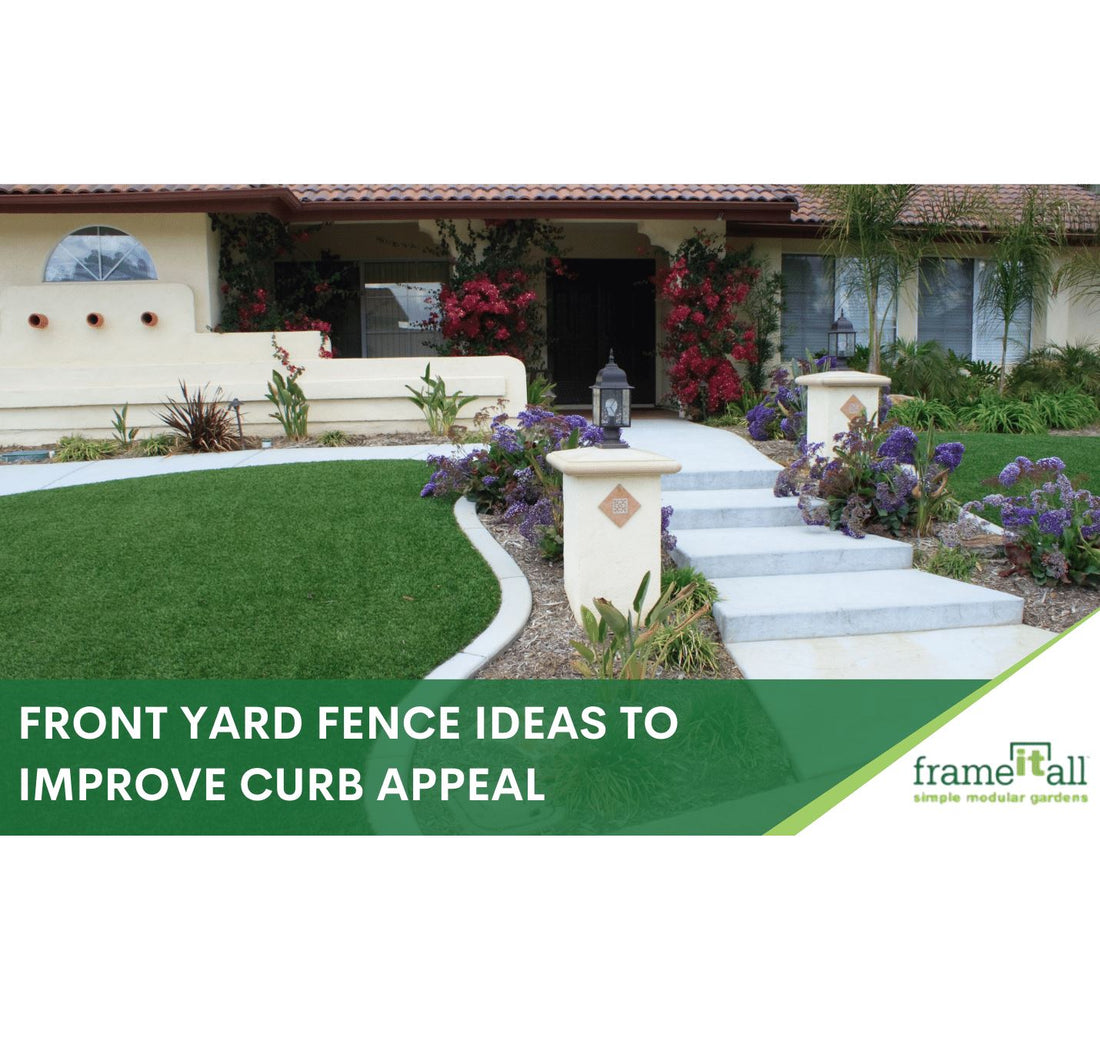
Your front fence is so much more than a property line. It’s the first impression your home makes, setting the tone for your garden and hinting at your personal style. It’s a key player in your home's curb appeal, but it also needs to be practical, offering privacy and security. With countless fence options available, choosing the right one can feel like a huge decision. This guide is here to help you explore a variety of Front Garden Fence Ideas. We'll walk through different materials, provide plenty of design inspiration, and help you find the perfect fence style for your home.
Understanding the Basics: Why Having a Fence in Your Front Garden Matters
Having a fence in your front garden serves multiple purposes and offers several benefits. Understanding why it matters can help you make an informed decision when choosing the right fence for your property.

Privacy Fence: One of the primary reasons for having a front garden fence is to enhance security and privacy. A well-designed and sturdy fence acts as a deterrent to potential intruders, keeping your property and loved ones safe. Additionally, the fence around your yard shields it from prying eyes, providing a sense of seclusion.
Defining Property Boundaries: A front garden fence clearly marks the boundaries of your property, preventing any encroachments or disputes with neighbors. It helps avoid any confusion regarding shared spaces and establishes a clear separation between your property and the surrounding area so you can create any landscape designs you'd like in your yard.
Curb Appeal and Aesthetic Enhancement: A beautifully designed fence can significantly enhance the curb appeal of your home. It adds character, charm, and visual interest to your front garden, making it more inviting and appealing. Whether you choose a traditional picket fence, a horizontal fence or a wire fence the right fence can elevate the overall aesthetic of your property.
Safety for Children and Pets: If you have children or pets, a front garden fence provides an extra layer of safety. It creates a secure space for them to play and explore without the risk of wandering onto the road or neighboring properties. A fence acts as a physical barrier, giving you peace of mind knowing that your loved ones are protected, and with the addition of a driveway gate, you'll still have easy access to your home.
Noise Reduction and Wind Protection: Depending on the location of your property, a fence can help reduce noise from nearby roads, traffic, or other sources compared to a hedge boarder. It creates a barrier that absorbs and deflects sound, creating a quieter and more peaceful environment depending on the fence panel thickness. Additionally, a fence can act as a windbreak, providing protection from strong gusts and creating a more comfortable outdoor space.
By understanding the importance of having a fence in your front garden, you can make an informed decision about the type, design, and material that will best suit your needs and preferences.
Before You Build: Planning, Regulations, and Safety
Jumping into a fence project without a plan can lead to costly mistakes and neighborly disputes. Before you break ground or even choose your materials, it’s essential to handle the preliminary steps. A little research and planning will ensure your new fence is not only beautiful but also compliant and safe. Taking the time to understand local rules, your neighborhood’s character, and key safety features will save you a lot of headaches down the road and result in a fence you can be proud of for years to come.
Check Local Zoning Laws and HOA Rules
The very first step in your fencing project is to check the rulebook. Your local municipality and, if applicable, your Homeowner’s Association (HOA) have specific regulations about what you can build on your property. These rules can dictate everything from the maximum height of your fence to the types of materials you’re allowed to use. Some communities even have restrictions on front yard fences altogether. You can typically find this information on your city’s planning or zoning department website or by reviewing your HOA’s official documents. Getting this sorted out first prevents the nightmare scenario of having to tear down a newly built fence because it violates a local ordinance.
Consider Your Neighborhood's Aesthetic
Your fence is a reflection of your home, but it also contributes to the overall look and feel of your neighborhood. Take a walk around your block and notice what other homeowners have done. Does your neighborhood have a consistent style, like classic white picket fences, or is there more variety? While you want your fence to express your personal taste, a design that clashes dramatically with its surroundings can stick out for the wrong reasons. Choosing a versatile material, like a modern composite fence, can be a great way to complement both traditional and contemporary homes while adding a unique touch that still feels cohesive with the neighborhood’s character.
Fence Height and Safety Considerations
Beyond aesthetics and regulations, the physical dimensions of your fence play a huge role in its function and safety. The ideal height depends on your goals—are you looking for a decorative border or a solid privacy screen? At the same time, you need to think about how the design impacts the safety of your family and pets. The height, the style of the panels, and the spacing between pickets are all critical details that determine how secure your front yard will be. Balancing these practical needs with your design vision is key to creating a fence that works for everyone.
Standard Heights and Permit Rules
Front yard fences are typically shorter than backyard fences, usually standing between 36 and 42 inches tall to create a decorative boundary without obstructing views. In contrast, privacy fences are often 6 to 8 feet tall. However, your local zoning laws will have the final say. Many cities require you to get a permit for any fence over a certain height, which could be as low as 3.5 feet for a front yard. Always confirm these requirements with your local building department before you start. This ensures your project is fully compliant and helps you avoid potential fines or legal issues.
Keeping Kids and Pets Safe with Proper Gapping
If you have small children or pets, the design of your fence is a critical safety feature. The most important detail to consider is the spacing between the pickets or panels. A general rule of thumb is to ensure these gaps are no wider than four inches. This prevents a curious child or a small pet from squeezing through the fence and wandering into the street. It also reduces the risk of anyone getting their head stuck. When you’re looking at different fence styles, keep this four-inch rule in mind to create a truly secure and worry-free space for your family to enjoy.
Choosing the Right Material for Your Garden Fence to Improve Curb Appeal
Choosing the right material for your garden fence is crucial as it determines the longevity, maintenance requirements, and overall appearance of your fence. There are various factors to consider when selecting the material, including durability, cost, style, and compatibility with your surroundings. In this section, we will explore why material choice is important, provide an overview of common fence materials, and discuss the factors to consider when making your decision.
Why Material Choice is Important
The material you choose for your garden fence can have a significant impact on its performance and longevity. Different materials offer varying levels of durability, resistance to weather conditions, and maintenance requirements. Additionally, the material plays a crucial role in determining the overall aesthetic of your fence, ensuring it complements your front garden and matches the architectural style of your home.
You might also like: What's The Best Fence Material For You?
Popular Fencing Options - Which Fence Material is Right For You?
Composite Fence Ideas

Composite fences are made from a combination of wood fibers and recycled plastic. They offer the natural beauty of wood with the durability and low maintenance of plastic. Composite fences are resistant to rot, insects, and fading, making them a popular choice for those seeking a long-lasting and environmentally-friendly option. This is a great option to improve your home’s curb appeal as there any many different design options you can choose from, including, horizontal fencing and individual pickets.
Pros and Cons of Composite Fencing
Let's talk about the benefits. The biggest draw for composite fencing is its incredible durability paired with minimal upkeep. Unlike wood, which needs regular staining and sealing to fend off rot and pests, composite material is built to last. It resists fading, insects, and decay, meaning you get to spend your weekends enjoying your yard, not working on your fence. Plus, it's an eco-conscious choice, often made from a blend of recycled plastics and wood fibers. You get the classic, beautiful look of a wood fence without the constant maintenance, which is a huge win for any homeowner.
On the other side of the coin, the initial cost is something to consider. Composite fencing typically has a higher price tag upfront compared to a traditional wood fence. However, it's helpful to think of it as a long-term investment, since you'll save money over the years by avoiding replacement boards and costly maintenance supplies. Another point to be aware of is that some composite materials can be sensitive to extreme heat. That said, high-quality composite fencing is engineered with advanced technology to resist fading and warping, making this less of a concern. It’s just important to choose a reputable brand to ensure you get a product that will stand the test of time.
Rustic Wood Front Yard Fence Ideas
Wood is a popular and versatile choice for garden fences. It offers a natural and timeless look, and the options range from traditional picket fences to more modern horizontal slat designs. Common types of wood used for fences include cedar, pine, and redwood. Wood fences can be stained or painted to match your desired color scheme.
Pros and Cons of Wood Fencing
Wood fences bring a classic warmth and character to a front garden that's hard to beat. Their natural look blends seamlessly with landscaping, offering everything from charming picket fences to sleek, modern horizontal designs. You can truly make it your own by choosing a wood like cedar or redwood and then staining or painting it to perfectly match your home's exterior. This versatility is a huge plus, as a well-designed wood fence can seriously enhance the curb appeal of your property, creating a welcoming and friendly first impression for any visitor. It’s a timeless choice that adds a personal touch to your outdoor space.
On the flip side, the biggest drawback of wood fencing is the constant upkeep. To keep it looking good and structurally sound, you'll need to commit to regular painting or staining. This isn't just for looks; it's essential to protect the wood from moisture, which can lead to rot, and to ward off insect damage. Over time, exposure to sun and rain can cause wood to warp, split, or fade, meaning repairs or even a full replacement might be needed sooner than you'd expect. While beautiful, wood demands a lot of attention to maintain its charm compared to more low-maintenance materials.
Vinyl Fencing Options
Vinyl fences are known for their durability and low maintenance. They are resistant to rot, insects, and harsh weather conditions, making them an excellent long-term investment. Vinyl fences come in a variety of styles, including picket, privacy, and decorative designs. They are available in different colors and can mimic the look of wood without the need for regular upkeep.
Pros and Cons of Vinyl Fencing
One of the biggest draws of vinyl fencing is how little maintenance it requires. Unlike wood, you won't spend your weekends painting or staining it; a simple spray with a garden hose is usually all it takes to keep it looking clean. Vinyl is also incredibly durable, standing up to moisture, pests, and harsh weather without rotting or warping. This makes it a solid long-term choice for many homeowners. Plus, with a wide array of styles and colors available, you can easily find a design that complements your home's exterior and garden aesthetic, from classic white picket fences to modern privacy panels.
However, vinyl fencing isn't without its downsides. The initial investment is typically higher than for wood fences, which can be a hurdle for some budgets. Repairs can also be tricky. If a section gets damaged from a storm or a stray baseball, you often have to replace the entire panel rather than just a single board. While durable against the elements, vinyl can be more brittle than other materials and may crack or break under a strong, direct impact. It's important to weigh these factors against the benefits to decide if it's the right fit for your property and lifestyle.
Metal Fencing
Metal fences, such as aluminum and wrought iron, offer a combination of strength and elegance. They are durable, long-lasting, and require minimal maintenance. Metal fences can be customized to suit various styles and designs, from ornate and decorative to sleek and modern. They provide excellent security and are often used for both residential and commercial properties.
Pros and Cons of Metal Fencing
Metal fences are a fantastic choice if you're looking for something that combines strength with sophisticated style. Materials like aluminum and wrought iron are incredibly durable and built to last for decades with very little upkeep. This strength makes them an excellent security feature for your property, clearly defining your boundaries while adding a protective barrier. Aesthetically, metal fencing is highly versatile. You can achieve a classic, ornate look that feels timeless or opt for a sleek, modern design with clean lines. This adaptability allows you to find a style that perfectly complements your home's architecture and your personal taste.
On the flip side, the main considerations for metal fencing are the initial investment and maintenance. The upfront cost is typically higher than for wood or vinyl, so it's a bigger line item in your budget. However, their longevity and low maintenance needs can make them more cost-effective over the long run. Another point to consider is the potential for rust, particularly with wrought iron. To avoid this, you'll want to ensure the fence is properly treated with a protective coating, like powder coating, which helps it stand up to the elements and maintain its beautiful finish for years to come.
Factors to Consider When Choosing Materials
When selecting the material for your garden fence, consider the following factors:
Durability: Assess the durability of the material and its ability to withstand weather conditions, pests, and other potential damage.
Maintenance: Determine the level of maintenance required for the material. Some materials may require regular staining, painting, or sealing, while others are virtually maintenance-free.
Cost: Consider your budget and the overall cost of the material, including installation and long-term maintenance expenses.
Style and Aesthetic: Ensure that the material aligns with your desired style and complements the overall aesthetic of your front garden and home.
Local Regulations: Check if there are any specific material requirements or restrictions imposed by local regulations or homeowner associations.
By carefully considering these factors, you can choose the right material for your garden fence that meets your needs, enhances the beauty of your front garden, and provides the desired level of durability and maintenance.
Design Ideas for Your Garden Fence
When it comes to choosing an attractive front yard fence, there are countless options to choose from. The design you select can greatly enhance the overall aesthetic of your front garden and create a welcoming atmosphere. In this section, we will explore various design ideas for your garden fence, including classic and modern so you can make your front yard a garden oasis with a new fence.
Classic Fence Design Ideas
Picket Fence: A picket fence is a timeless and classic option that adds a touch of charm and nostalgia to your front garden. The fence consists of evenly spaced vertical wooden boards, often with a decorative top. It works well for both traditional and cottage-style homes.
Split Rail Fence: This rustic design features horizontal rails that are either stacked or crossed over vertical posts. Split rail fences are often made from wood or vinyl and are a popular choice for rural or country-style homes.
Wrought Iron Fence: Wrought iron fences exude elegance and sophistication. The intricate designs and decorative elements make them a perfect choice for Victorian or period-style homes. They provide security while allowing visibility and maintaining an open feel.
Split Rail Fences
A split rail fence offers a charming, rustic appeal that's perfect for creating a welcoming boundary without closing off your front yard. This design features horizontal rails fitted into vertical posts, giving it a classic, open look that works beautifully with country-style homes and larger properties. Because it doesn't create a solid wall, a split rail fence defines your space while preserving sightlines and allowing for plenty of airflow. It’s an excellent way to add character and structure to your landscape, serving as a simple backdrop for flower beds or a clear marker for your property line. While traditionally made of wood, you can also find vinyl options that provide a similar aesthetic with less maintenance, making it a practical and stylish choice for many homeowners.
Modern Fence Design Ideas
Horizontal Slat Fence: A horizontal slat fence offers a sleek and contemporary look. The horizontal boards are spaced apart, creating a modern and minimalist appearance. This design works well for modern and minimalist architectural styles.
Metal and Wood Combination: Combining metal and wood in your fence design adds a modern touch with a warm and natural element. For example, using metal posts and frames with wooden slats creates a visually appealing contrast.
Glass Panel Fence: Glass panel fences provide a modern and transparent look. They are ideal for showcasing beautiful landscaping or scenic views. This design is often used in urban or coastal areas.
Crossbuck 'X' Fences
If you love the modern farmhouse look, the crossbuck fence is a fantastic choice. This design features a distinct 'X' pattern between the posts, creating a visually interesting and charming boundary. It’s a style that feels both classic and current, offering a decorative touch without completely obstructing the view of your garden. Crossbuck fences are great for defining your property line in a stylish way, adding a bit of rustic elegance that complements a wide range of home exteriors. They strike a perfect balance between providing a clear border and maintaining a welcoming, open feel for your front yard.
Hybrid and Mixed-Material Fence Styles
Why stick to just one material when you can combine them for a unique, modern look? Hybrid fences are becoming increasingly popular for their ability to create visual contrast and texture. Mixing materials allows you to get the best of both worlds—for instance, the strength and sleek lines of metal paired with the natural warmth of wood. This approach gives you incredible design flexibility. You could use sturdy metal posts with composite slats for a low-maintenance yet sophisticated fence, or combine different materials to create a custom look that perfectly complements your home's architecture and personal style.
Combining Wood and Wire Mesh
For a rustic yet airy feel, consider combining wood frames with wire mesh panels, often called a hog wire fence. This style is a great way to create a boundary without blocking light or views, making your yard feel open and spacious. It’s a cost-effective and adaptable option that works well with farmhouse, rustic, or industrial home styles. The wood provides a sturdy, natural frame while the wire mesh keeps pets and children safely contained. This combination is perfect if you want a functional fence that blends seamlessly into your landscape rather than dominating it.
Other Fencing Styles to Consider
Chain Link Fences
Chain link fences are undeniably one of the most affordable and durable options for securing a property. They are practical for keeping pets and kids in the yard. However, they often lack the aesthetic charm of other materials and can sometimes detract from your home's curb appeal. If you have an existing chain link fence or it’s the only option in your budget, don’t worry. You can easily soften its industrial appearance by planting climbing vines like clematis or ivy, or by planting shrubs and flowers along the base to integrate it more naturally into your garden landscape.
Low Walls as Fences
A low wall made of materials like stucco, brick, or stone can serve as an elegant and substantial fence. This option is excellent for clearly defining your property and adding a touch of architectural character to your front garden. Low walls are incredibly durable and create a strong visual anchor for your landscaping. While they are often more expensive than traditional fencing, their longevity and sophisticated appearance can be a worthwhile investment. They work particularly well with Mediterranean, traditional, or formal home styles, providing a beautiful and permanent boundary for your outdoor space.
Beyond the Build: Design Tips for Maximum Curb Appeal
Once you’ve chosen your fence material and style, the design details are what will truly make it shine. A great fence doesn't just stand on its own; it works in harmony with your home and landscape to create a cohesive and inviting look. Thinking about how the fence complements your home’s architecture, how it impacts the sense of space, and how you can accessorize it will make a huge difference. These finishing touches can transform a simple boundary into a standout feature that enhances your property's overall appeal and even its value. Let's explore a few key design tips to ensure your new fence looks its best.
Matching Your Fence to Your Home's Architecture
Your fence should feel like a natural extension of your home, not an afterthought. To achieve a cohesive look, consider your home's architectural style, colors, and textures when selecting your fence. A modern home with clean lines might pair well with a horizontal slat fence, while a classic colonial could call for a traditional white picket fence. Materials matter, too. A durable, modern material like Cap Composite fencing can mimic the look of wood but offers color stability and low maintenance, ensuring it complements your home's aesthetic for years to come without fading or rotting.
The Importance of Visual Openness
A front yard fence should feel welcoming, not like a fortress. Designs that allow for some visibility, such as picket, split-rail, or wire mesh fences, tend to enhance curb appeal by creating a sense of openness. These styles define your property without completely closing it off from the neighborhood, which can make your home appear more inviting. A fence with gaps or transparent elements allows passersby to appreciate your garden and landscaping, contributing to a friendly and attractive streetscape. This visual connection prevents your yard from feeling small or boxed in while still providing a clear boundary.
Decorating Your Fence with Plants, Caps, and Lighting
Accessorizing your fence is the final step to making it a beautiful part of your landscape. Planting flowers, shrubs, or climbing vines at the base of the fence can soften its lines and help it blend into the garden. You can also add decorative post caps for a polished, finished look. Another great idea is to incorporate outdoor lighting. Solar-powered lights on the posts or uplighting along the fence line can create a warm, inviting ambiance in the evening while also improving safety and security. These simple additions can make a big impact on your fence's overall appearance.
How a Great Fence Can Increase Property Value
A well-chosen and properly installed fence is more than just a boundary; it's an investment in your home. A beautiful fence significantly boosts curb appeal, which is the first impression potential buyers have of your property. It can make your home look more polished, secure, and well-maintained, which are all attractive qualities in the real estate market. By adding both aesthetic charm and practical benefits like privacy and safety, a great fence can make your property more desirable and potentially increase its overall market value when it comes time to sell.
Budgeting for Your Project
Before you get too far into dreaming up the perfect fence, it’s important to think about the budget. The cost of a new fence can vary widely based on the material you choose, the size of your yard, and whether you decide to hire a professional or tackle the installation yourself. Planning your budget ahead of time will help you narrow down your options and make choices that are both beautiful and financially manageable. By understanding the costs involved, you can find a solution that meets your needs without breaking the bank, ensuring your project is a success from start to finish.
Affordable Front Yard Fence Options
You don't have to spend a fortune to get a beautiful and functional front yard fence. Several styles are known for being budget-friendly without sacrificing charm. Traditional picket fences, rustic split rail fences, and simple vertical board wooden fences are often among the least expensive options. These classic designs are timeless and can be customized with paint or stain to match your home. If you're looking for a low-cost way to define your property line and add a bit of character, these affordable choices are an excellent place to start your search.
DIY vs. Professional Installation
Deciding whether to install your fence yourself or hire a professional depends on the material, your skill level, and your timeline. A simple wood fence can be a manageable DIY project if you have solid building skills and the right tools. However, more complex installations, like metal fences or masonry walls, are usually best left to the pros to ensure they are secure and level. Some modern systems, like modular composite fencing kits, are designed for easier DIY assembly, which can be a great way to save on labor costs while still getting a professional-looking result.
Alternatives to Traditional Fencing
Sometimes, a physical fence isn't the right fit for your front yard, whether due to budget, neighborhood rules, or personal preference. The good news is there are other creative ways to define your property and add structure to your landscape. Natural borders like hedges can create a lush, living wall, while other solutions can offer practical benefits like pet containment without obstructing views. Exploring these alternatives can help you achieve the boundary and aesthetic you want in a less conventional way, offering unique solutions that might work even better for your space.
Using Hedges and Shrubs as Natural Borders
If you prefer a softer, more natural boundary, consider planting hedges or shrubs to create a "living fence." Plants like boxwood, arborvitae, or flowering shrubs can form a dense, beautiful border that provides privacy and defines your yard. This approach integrates seamlessly with your garden, adding greenery, texture, and even seasonal color. While a living fence requires ongoing maintenance like trimming and watering, it can be a stunning and eco-friendly alternative to traditional fencing, enhancing the natural beauty of your front yard while clearly marking your property line.
Invisible Fences for Pet Containment
For many homeowners, the primary reason for a front yard fence is to keep a furry friend safely contained. If this is your main goal, an invisible fence could be the perfect solution. This system uses a buried wire and a special collar to create an electronic boundary that keeps your pet within a designated area. The biggest advantage is that it provides reliable containment without altering the look of your yard or obstructing your view. It’s a great option for maintaining an open, unfenced aesthetic while still having peace of mind that your pet is safe.
Frequently Asked Questions
What's the very first step I should take before I even start shopping for a fence? Before you fall in love with a specific style, your first move should always be to check your local regulations. Contact your city's zoning or planning department and, if you have one, review your Homeowner's Association (HOA) guidelines. These rules will tell you exactly what's allowed in terms of height, materials, and even placement. Getting this information upfront will save you from the potential headache and cost of having to alter or remove a fence that doesn't meet local requirements.
I want a beautiful fence, but I don't want to spend my weekends maintaining it. What are my best options? If low maintenance is your top priority, you'll want to look at materials other than traditional wood. While wood is beautiful, it requires regular staining or painting to prevent rot and weather damage. For a "set it and forget it" approach, consider vinyl or composite fencing. Both are incredibly durable and only need an occasional wash to look their best. Composite, in particular, offers the rich look of wood without any of the demanding upkeep, giving you the best of both worlds.
How can I choose a fence that will keep my small dog and kids safely in the yard? When safety is a concern, the most important design detail to focus on is the spacing between the pickets or panels. A good rule of thumb is to ensure there are no gaps wider than four inches. This prevents curious children or small pets from squeezing through or getting their heads stuck. No matter which style you choose, from a classic picket to a modern horizontal design, keeping that four-inch rule in mind will help you create a secure boundary and give you peace of mind.
My home has a modern style. Will a classic picket fence look out of place? Your fence should feel like a natural extension of your home, so it's smart to choose a style that complements its architecture. While a traditional picket fence might clash with a modern home, there are plenty of other options that will look fantastic. Consider a sleek horizontal slat fence for a clean, contemporary feel, or explore hybrid styles that mix materials like metal and composite. The goal is to create a cohesive look, so don't be afraid to skip the classic designs in favor of something that better suits your home's unique character.
Is it better to install a fence myself or hire a professional? This really comes down to your budget, timeline, and skill level. If you're experienced with home projects and have the right tools, a DIY installation can save you a significant amount on labor costs, especially with user-friendly modular systems. However, if the project involves tricky terrain or complex materials, hiring a professional ensures the job is done correctly and your fence is structurally sound. A pro can handle the entire process, from setting posts to ensuring everything is perfectly level, which can be well worth the investment.
Key Takeaways
- Start with the Rules: Before choosing a style, check your local zoning laws and HOA guidelines for any restrictions on fence height, materials, or placement. This essential first step ensures your project is compliant from the start.
- Match the Material to Your Maintenance Style: Your fence material dictates its future upkeep. Wood offers classic charm but requires regular work, while low-maintenance options like composite and vinyl provide lasting beauty without the annual effort.
- Integrate Your Fence with Your Landscape: A great fence should feel like a natural part of your home and garden. Use plants, decorative post caps, and lighting to soften the lines and turn a simple boundary into a beautiful design feature.
Related Articles
- Stylish Fence Ideas for Front Garden Elevation | Frame It All
- Best Modern Fence Design Ideas For Your Yard | Frame It All
- 5 Vegetable Backyard Garden Fence Ideas - Frame It All
- Simple Fence Line Landscaping Ideas - Frame It All
- Border Fencing for Gardens: A Comprehensive Guide – Frame It All