
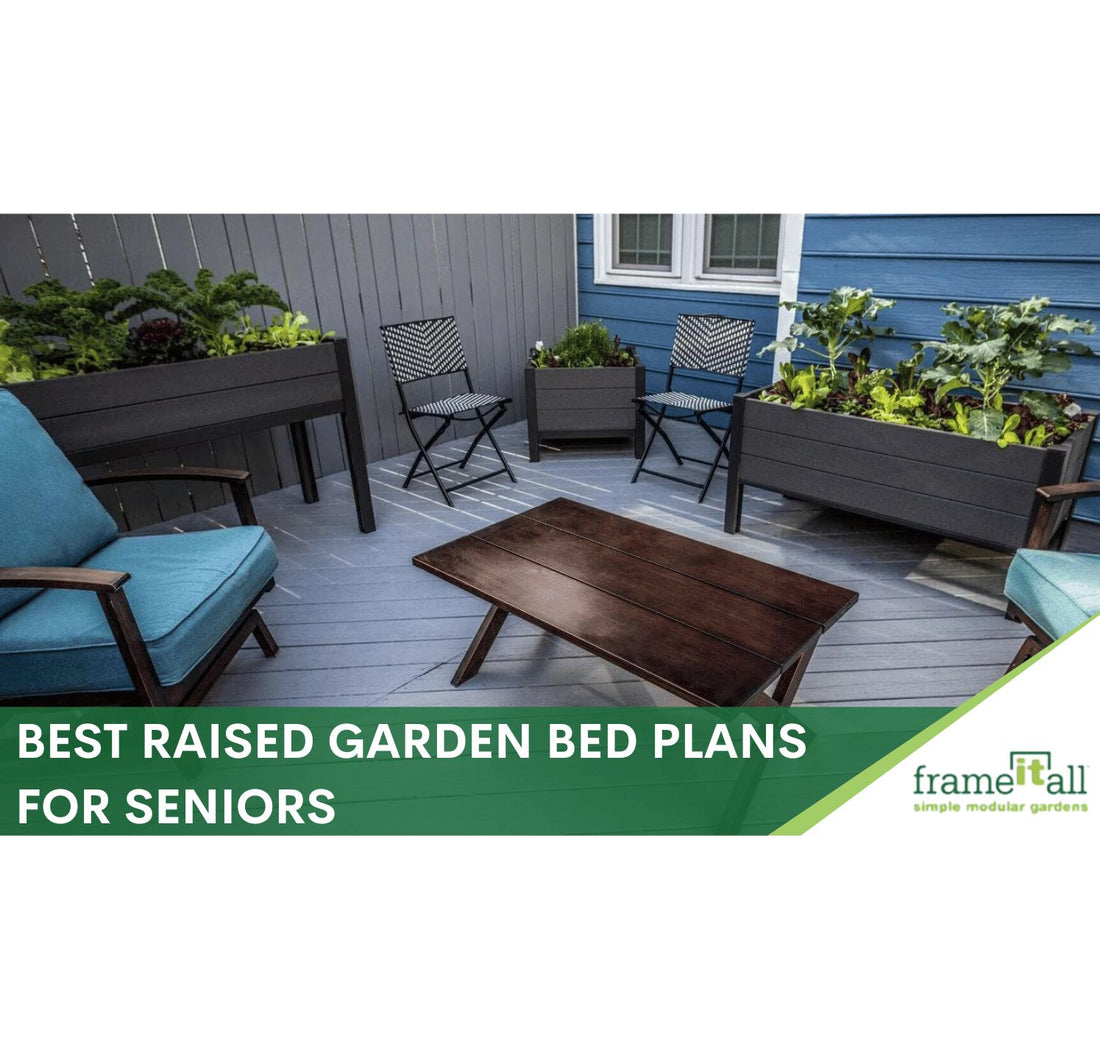
Love spending time in the garden but not the strain it puts on your back and knees? You're not alone. Staying active and enjoying the outdoors is one of life's great joys, but all that bending and kneeling can make it tough. That's where a raised garden bed comes in. It's a fantastic solution that brings the garden up to you, making it so much easier to plant, weed, and harvest your favorite flowers and vegetables without the aches and pains. Let's explore how these accessible gardens can help you keep doing what you love, comfortably.
In this article, we will look at the best raised garden bed plans for seniors, and the benefits of using them. Let's get started!
Why Raised Garden Beds are Perfect for Seniors
What is a Raised Garden Bed?
Simply put, raised garden beds are garden plots that sit above the surrounding ground. They typically use a frame to contain the soil, creating a dedicated space for your plants to thrive. This setup gives you complete control over the growing environment. If your yard has poor, rocky, or clay-heavy soil, you can fill your raised bed with a high-quality soil mix tailored to the exact needs of your vegetables, herbs, or flowers. This control is the secret to a healthier, more productive garden from the very start.
The frame is a key component, and you have several options for materials. While wood is a traditional choice, it can rot and degrade over time. Modern materials like composite timbers and galvanized steel provide a durable, long-lasting structure for your garden. For instance, Frame It All’s modular raised garden beds use a snap-lock system, making them incredibly easy to assemble without any tools. This means you can spend less time on construction and more time enjoying your garden.
Garden Boxes vs. Raised Planters
The term "raised garden bed" can refer to a couple of different styles, so it's helpful to know the distinction. Classic raised garden beds, or garden boxes, are bottomless frames that sit directly on the ground. This design allows plant roots to grow deep into the native soil, accessing more nutrients and moisture, which is great for larger plants like tomatoes or zucchini. They are perfect for transforming a patch of lawn into a tidy and productive garden plot.
In contrast, raised bed planters, sometimes called elevated garden tables, are containers that have bottoms and stand on legs. These are fantastic for small spaces like patios, decks, or balconies. Because they are self-contained, you can place them on any surface without worrying about the soil underneath. Many models, like these self-watering planters, are at a comfortable waist height, which completely eliminates the need for bending or kneeling, making them an excellent choice for anyone with mobility concerns.
The Benefits of Gardening in a Raised Bed
Gardening in a raised bed offers a host of advantages that make the entire experience more enjoyable and successful. First and foremost is soil health. The contained soil in a raised bed has better drainage, preventing water from pooling and causing root rot. It also stays loose and aerated because you aren't walking on it, which helps roots grow strong and easily absorb nutrients. This ideal soil environment often leads to healthier plants and higher yields, so you can enjoy more of what you grow.
You'll also find that maintenance is much easier. Since your garden is elevated and contained, it’s harder for weeds from your lawn to creep in. Pests like slugs and snails have a harder time reaching your plants, too. For extra protection against critters like rabbits or deer, you can even install an animal barrier around your bed. But perhaps the most significant benefit is the improved ergonomics. The elevated height means less bending and kneeling, which puts far less strain on your back and knees, allowing you to garden comfortably for longer.
Less Bending, More Growing: The Benefits for Seniors

Gardening is a pasttime that provides a huge range of health benefits, including improved mood and increased physical activity. Seniors can also benefit from the therapeutic effects of growing plants, as it gives them something to focus on and care for.
In this sense, raised garden beds are elevated, making it easier for seniors to tend to their plants without bending down too much. This reduces the risk of back strains and injuries. Moreover, there are a lot of walk in easy reach raised garden beds, which are easily accessible even from a wheelchair.
Raised garden beds also make it easier for seniors to manage a variety of plants, as the soil is contained in one area and can be more easily maintained. The raised bed helps with aeration and drainage, meaning that the plants get enough nutrients without becoming waterlogged.
Better Soil and Drainage Control
One of the biggest challenges with in-ground gardening is dealing with the native soil you’re given. Whether it’s heavy clay, nutrient-poor sand, or full of rocks, amending it can be a back-breaking, multi-season project. Raised garden beds let you bypass this problem entirely. You get to fill your garden with the perfect blend of soil and compost from the very beginning, creating an ideal environment for your plants to thrive. This control means you can tailor the soil to exactly what you want to grow, from vegetables that love rich loam to herbs that prefer grittier conditions. Plus, the contained structure ensures excellent drainage, which prevents water from pooling and causing root rot—a common issue in compacted ground soil.
Fewer Weeds and Pests
Let’s be honest, no one enjoys weeding. It’s a constant, tedious task that can be especially tough on the back and knees. A raised garden bed provides a physical barrier that keeps many surrounding lawn weeds and grasses from creeping into your garden soil. Since you’re starting with fresh, clean soil, you won’t have to contend with a bank of dormant weed seeds either. The elevated height also makes it more difficult for common ground-level pests, like slugs and snails, to find their way to your precious plants. For even more protection against critters like rabbits or deer, you can easily add an animal barrier to your setup, creating a secure fortress for your vegetables.
Higher Yields in Less Space
When your plants have access to deep, loose, nutrient-rich soil, they grow stronger and more productive. Because the soil in a raised bed isn't compacted by foot traffic, roots can grow freely without competing for resources. This allows you to practice intensive gardening techniques, placing your plants closer together than you could in a traditional row garden. You end up with a higher yield from a much smaller footprint, which is perfect for anyone with limited space. It’s a smart and efficient way to grow more food or flowers, proving you don’t need a huge yard to have a bountiful and beautiful garden.
Flexible Placement on Any Surface
Don’t have a perfect patch of lawn for a garden? No problem. One of the best features of raised garden beds is their versatility. You can place them almost anywhere that gets enough sunlight. They work beautifully on top of a lawn, but they can also be set up on a concrete patio, a wooden deck, a gravel driveway, or even in an area with rocky, unworkable ground. This flexibility gives you the freedom to design your garden space wherever it makes the most sense for you. You can finally put that sunny spot on your patio to good use or create a kitchen garden right outside your back door for easy access to fresh herbs and vegetables.
How High Should a Senior-Friendly Garden Bed Be?
The most comfortable height for a raised garden bed for seniors is between 24 and 30 inches. This height allows for easy access to plants without needing to bend too much. It is also advisable to have a width of about 4 feet, as it enables seniors to reach all parts of the garden bed without straining.
Therefore, the perfect garden bed for seniors should be around four feet wide and two to three feet high. In addition, it should have an edge or barrier that prevents the soil from spilling out. This will make it easier for seniors to manage their plants without worrying about making a mess.
Also, at Frame It All we offer different elevated raised garden bed solutions that are perfect for seniors, as they offer the proper height, width, and barrier needed. The solution also works well with soil boxes of different sizes and shapes that are designed to be accessible for seniors.
Choosing the Right Material for Your Garden Bed
Wood
Wood is a classic choice for garden beds, offering a natural and timeless look that blends beautifully into any backyard. Cedar is especially popular because it contains natural oils that help it resist rot and repel insects, giving it a longer lifespan than other types of wood. It also does a great job of insulating the soil, helping to keep it warm in cooler weather, which can give your plants a healthy start. While wood is a beautiful option, it will eventually break down over time and may require more maintenance or replacement compared to other materials.
Metal
For a more modern aesthetic, metal garden beds are a fantastic option. Materials like galvanized steel or aluminum are incredibly durable and can withstand harsh weather conditions without rusting or warping, ensuring they last for many seasons. They are also lightweight, which can make initial setup a bit easier. If you're looking for a sleek and long-lasting solution, metal garden beds provide a sturdy and stylish home for your plants. They heat up faster in the sun, which can be a benefit in cooler climates but may require more frequent watering in hotter regions.
Composite
Composite materials offer the best of both worlds, combining the classic look of wood with the durability of modern technology. Made from a mix of recycled plastic and sustainably sourced wood fibers, composite boards won't rot, warp, or splinter like traditional wood. This makes them an incredibly low-maintenance choice, which is perfect for anyone who wants to spend more time gardening and less time on upkeep. Our Frame It All composite raised garden beds are designed to last for years, giving you a reliable and attractive gardening space without the hassle.
Recycled Plastic
If you're looking for an eco-friendly and practical material, recycled plastic is an excellent choice. These garden beds are made from safe, recycled plastics, which keeps waste out of landfills. They are extremely durable, lightweight, and completely resistant to rot and moisture. Because they are so light, they are easy to move and assemble, making them a convenient option for seniors. The non-porous surface also means they won't harbor pests or diseases, helping to keep your plants healthy throughout the growing season.
Key Design and Construction Features to Look For
Beyond the material, a few key design features can make a world of difference in your gardening experience. The right construction can make setup a breeze and ensure your garden bed fits your space and needs perfectly. Look for features that prioritize flexibility, simple assembly, and long-term durability. These elements will help you create a garden that is not only beautiful but also easy to manage for years to come, allowing you to focus on the joy of growing.
Modular and Customizable Designs
One of the best features to look for is a modular design. This means the garden bed comes in components that you can arrange in various shapes and sizes to fit your specific space. Whether you have a long, narrow patio or a wide-open yard, a modular system allows you to create the perfect layout. Our Garden Builder Kits are designed with this flexibility in mind, letting you design a garden that is uniquely yours. This level of customization is ideal for seniors, as you can build a garden that is easy to access from every angle.
Ease of Assembly
No one wants to spend hours struggling with complicated instructions and a bag full of hardware. A garden bed that is easy to assemble is a must, especially for seniors. Look for systems that require minimal tools or, even better, no tools at all. The Frame It All snap-lock system, for example, allows you to simply slide and snap the boards and brackets into place. This straightforward assembly means you can have your garden bed built in minutes, not hours, getting you one step closer to planting.
Durability and Safety Features
Your garden bed is an investment, so you want to choose one that is built to last. Durable materials like our composite boards or thick galvanized steel will ensure your garden stands strong season after season. It's also important to consider safety features. Look for beds with rounded corners and smooth edges to prevent scrapes and bumps while you're working. A sturdy, well-built garden bed provides a safe and reliable space for your plants to thrive, giving you peace of mind.
Finding the Right Size and Depth
Choosing the right dimensions for your raised garden bed is just as important as selecting the right material. The size and depth will determine how easy it is to work in and what types of plants you can grow. A well-proportioned bed ensures you can reach every plant without straining while providing enough soil volume for healthy root development. Thinking about these factors ahead of time will help you create a productive and comfortable gardening space.
Popular Sizes for Vegetable Gardens
For vegetable gardens, some of the most popular sizes are 3x6 feet and 4x8 feet. A width of no more than four feet is generally recommended because it allows you to easily reach the center of the bed from either side without stepping on the soil. This is especially important for seniors, as it minimizes reaching and straining. These dimensions provide ample space for a variety of plants while keeping everything accessible. They also make it simpler to plan out your garden and set up efficient watering systems.
How Deep Should Your Garden Bed Be for Different Plants?
The ideal depth of your garden bed depends on what you plan to grow. Many plants, like lettuce, spinach, and herbs, have shallow root systems and only need about 6 to 8 inches of soil. However, root vegetables like carrots and potatoes require a deeper bed, typically 12 inches or more, to grow properly. As we explain in our guide to finding the perfect raised garden bed, the extra depth also improves drainage and aeration. Our stackable design makes it easy to create the perfect height for any plant you want to grow.
Planning for Placement and Accessibility
The material used for raised garden beds is an important consideration, as it affects the durability, aesthetics, and ease of use. Wood, metal, and plastic are popular choices. Cedar timber is particularly suited for garden beds for seniors, as it is durable, rot-resistant, and insect-repellent.
In any case, the material used should be safe and comfortable for seniors to use. Some materials, like metal or plastic, may cause skin irritation if they are not covered with a cushioning material.
Finally, it's important to pay attention to the surface of the garden bed. Smooth surfaces can help prevent slips and falls, while textured surfaces can give seniors better grip and stability. Raised garden beds can be built with curved forms to improve comfort, too. All in all, this type of garden bed is a great choice for seniors who want to stay active and enjoy their gardening experience!
Build Your Own: Simple DIY Raised Garden Bed Plans

DIY vs. Buying a Kit: Which is Better?
Deciding between building a raised bed from scratch and buying a kit is a classic gardener's dilemma. A DIY project can certainly be cheaper, especially if you have lumber on hand or are a savvy bargain hunter. The biggest advantage is customization; you can build a bed to the exact height and width that feels most comfortable for you, which is a huge plus for accessibility. However, the DIY route isn't without its challenges. It requires the right tools, a fair amount of time, and some construction know-how. Unexpected costs from mistakes or needing to buy specific hardware can also add up, turning a budget-friendly project into a headache.
On the other hand, a raised garden bed kit offers convenience and peace of mind. While the initial cost might be higher, everything you need arrives in one box with clear instructions. This is a fantastic option if you're not comfortable with saws and drills or simply want to get your garden set up quickly and safely. For instance, Frame It All kits use a simple snap-lock system that makes assembly straightforward, with no special tools required. These kits are designed for durability, often using composite boards that won't rot over time. Ultimately, if ease and a reliable, long-lasting result are your top priorities, a kit is often the best investment.
A Step-by-Step Guide to Building Your Own Bed
As we mentioned in our article about the benefits of building a raised garden bed, it's important to consider the needs of seniors when building such a bed. To make things simpler, we've compiled a list of tips on how to build a raised garden bed for seniors:
1. Choose Materials that are Easier to Use – As seniors often have difficulty using heavier materials, choose materials like wood or stone instead of metal or plastic.
2. Make it Easy to Reach – Seniors may have difficulty bending or reaching certain areas of the garden bed. It's important that seniors can reach all parts of their raised garden bed for easier maintenance harvesting.
3. Make it Comfortable – Raised garden beds can be built with curved forms to improve comfort, too. Allowing seniors to sit and tend their garden beds can help reduce fatigue. Some corner garden beds can also be built with a stool to make it easier for seniors to reach the plants, which might be another great option.
4. Add Seating – Adding seating, like benches or chairs around the raised bed, is a great way for seniors to rest in between gardening tasks.
5. Consider Assisted Gardening Tools – Seniors may need assistance with certain garden tools and equipment. Investing in ergonomic garden tools and devices, like kneeling pads or long-handled pruning shears, can make it easier for them to reach the top of their raised beds.
Simple Raised Garden Bed Plans Anyone Can Build
Seniors can easily build a raised garden bed by repurposing items such as pallets, planter boxes, and even old dressers. These DIY projects can be fun and economical, and can be customized according to the individual's preferences and needs. They are a great way for seniors to get creative and express their personalities.
There are many online resources that offer free raised garden bed plans for seniors. These plans provide detailed instructions, measurements, and materials lists to help seniors build their own garden beds.
However, in most cases it's worthwhile thinking about purchasing a good-quality raised bed planter. This type of planter is designed with seniors in mind, and typically has a sturdy frame that is easy to assemble – no tools required. It also usually comes with adjustable legs so that it can be adjusted to the right height for individual users.
Why Choose a Cedar Raised Garden Bed?

Most seniors could benefit from investing in a cedar raised garden bed. Cedar is an ideal material for raised beds because it's durable, rot-resistant, and provides excellent drainage. It's also considered to be the most aesthetically pleasing choice among wood materials.
Additionally, cedar repels insects and pests, which reduces the need for harsh pesticides. Finally, cedar looks attractive and blends in well with any garden or home décor.
Cedar Bed Assembly: What to Expect
The time it takes to assemble a cedar raised garden bed depends on the size, complexity, and skill level of the gardener. However, most cedar garden beds can be assembled within a few hours, and may require a full day for filling with soil and planting. Building garden beds can be a fun and rewarding activity for seniors, and a great way to spend time outdoors.
Addressing Common Concerns with Cedar
Cedar raised garden beds are generally safe for growing vegetables and other plants. However, cedar can leach natural oils and chemicals into the soil, which may affect certain plants negatively. It is advisable to line the bed with a protective barrier such as landscape fabric, or to use a food-grade sealant on the wood to prevent any unwanted effects.
Keep Your Garden Healthy: Drainage and Weed Control

Drainage is an important consideration for raised garden beds, as too much or too little water can affect plant growth negatively. Seniors can manage drainage by ensuring that the bed has proper drainage holes or rocks at the bottom, and by filling the bed with well-draining soil. Additionally, using self-watering containers or installing irrigation systems can regulate the water supply and minimize overwatering.
On the other hand, weeds can be a common problem in raised garden beds, as they can compete with plants for nutrients and space. Seniors can control weeds by using mulch, weed barriers, and other organic methods such as hand-pulling or using vinegar-based herbicides.
Additionally, planting companion plants such as marigolds or nasturtiums can deter pests and attract pollinators, thus reducing the need for chemical pesticides.
Why Raised Beds Make Weeding and Drainage Easier
Raised bed gardens offer several advantages over traditional gardening. They provide better soil drainage, reduced risk of soil compaction, and greater exposure to the sun. Additionally, raised bed gardens can be customized to fit one's specific needs and preferences, and can be moved or modified easily.
In the specific case of seniors, here are some great advantages of this form of gardening:
Raised bed gardens can be designed to fit at a comfortable height, providing seniors with an easier way to care for their plants without hard bending or strain.
They are also less labor-intensive than traditional gardening and can offer seniors more flexibility in their gardening options.
Additionally, soil temperature in raised beds remains warmer during the winter months and cooler during the summer months, making it easier to grow vegetables year-round.
Finally, raised beds can also provide protection from pests and weeds, thus reducing the need for chemical pesticides
These factors make raised bed gardening a popular option for seniors and other garden enthusiasts.
Making the Most of a Small Raised Garden Bed
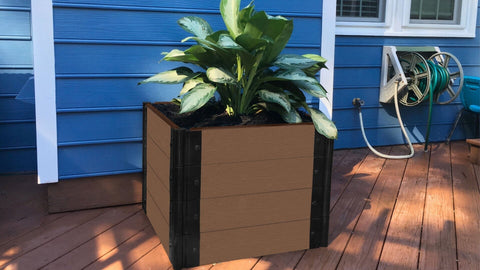
Seniors with limited space can still enjoy gardening by creating small raised garden beds such as herb gardens or salad tables. These compact beds can be placed on a patio, balcony, or windowsill, and can grow a variety of plants. Another option is to create vertical gardens using trellises or hanging pots, which maximizes the use of space and adds visual appeal.
Moreover, seniors can make the most of limited space by using creative techniques such as container gardening, square foot gardening, or vertical gardening. Additionally, choosing plants that are compact, grow quickly, and are easy to maintain can help maximize yields and reduce the need for constant pruning or watering.
Grow More in Less Space: Creative Planting Tips
Seniors can maximize yields in a small raised garden bed by using companion planting, crop rotation, and intercropping techniques. They can also use planters with built-in reservoirs or self-watering systems, which help conserve water and reduce the need for frequent watering. Finally, seniors can use organic fertilizers or compost to enhance soil fertility and promote plant growth.
Whether it is for exercise, recreation, or simply enjoying the outdoors, raised garden beds are a wonderful addition to any senior's lifestyle. By choosing the right materials, designs, and techniques, seniors can enjoy the many benefits of gardening without the physical strain and discomfort. Get started on your own raised garden bed today, and experience the joy of growing your own plants and vegetables!
What to Grow (and What to Avoid) in Your Raised Bed
Choosing the right plants is key to a successful and enjoyable gardening experience, especially when you want to see results without a ton of fuss. For raised beds, the best options are often compact, quick-growing, and low-maintenance. Think leafy greens like lettuce and spinach, herbs like basil and parsley, and even root vegetables like radishes and carrots. These plants provide a rewarding harvest without demanding constant attention. To make the most of your space, you can also try companion planting. For example, planting marigolds among your tomatoes can help deter pests naturally. It's generally best to avoid plants that require a lot of space to sprawl, like some varieties of pumpkin or watermelon, unless you have a very large bed and a plan for vertical growing.
Accessorizing Your Raised Garden Bed
Once your raised garden bed is set up, a few smart accessories can make your gardening journey even smoother and more productive. Think of these additions as tools that help you overcome common challenges, like limited space or pesky critters. By planning ahead, you can create a complete, self-contained gardening system that works for you, not against you. The right accessories not only protect your plants but also help you maximize your yield, making every bit of effort more rewarding. From vertical supports that let you grow upwards to protective barriers that keep your harvest safe, these simple additions can transform a basic garden box into a highly efficient growing space, perfectly tailored to your needs.
Getting started with accessories doesn't have to be complicated or expensive. You can begin with one or two items that address your biggest concerns. If you dream of growing your own cucumbers but have a small patio, a simple trellis is the perfect first step. If you've noticed rabbits nibbling on your lettuce seedlings, a protective cover is a worthwhile investment. Many modern garden builder kits are designed to be modular, allowing you to add these features as you go. This approach lets you build on your success and customize your garden over time, ensuring it remains a source of joy and fresh produce for years to come.
Adding Trellises for Vining Plants
If you're short on square footage or simply want to grow vining plants like tomatoes, cucumbers, or pole beans, adding a trellis is a brilliant solution. Growing vertically allows you to use the space above your garden bed, effectively increasing your planting area without expanding the bed's footprint. This method also has other benefits that make gardening easier. It brings the harvest up to a more accessible height, reducing the need to bend and search through dense foliage. Vining plants on a trellis also get better air circulation, which can significantly reduce the risk of fungal diseases, keeping your plants healthier throughout the season and making your garden look tidier.
Protecting Your Plants with Animal Barriers
There's nothing more disheartening than watching your carefully tended plants become a snack for local wildlife. While raised beds can deter some smaller pests, they aren't always enough to stop determined rabbits, deer, or groundhogs from enjoying your harvest before you can. This is where an animal barrier becomes essential. Adding a fence around your garden bed provides a crucial layer of defense, ensuring your hard work pays off. For an integrated and easy-to-install option, you can find raised garden beds with built-in fencing that create a secure enclosure. These systems offer peace of mind and protect your precious vegetables and flowers, allowing your garden to thrive without unwelcome visitors.
Getting Started with Frame It All

Looking to start a raised garden bed project this season?
Frame It All is the one-stop shop for all your gardening needs. We provide landscaping solutions from our safe and convenient raised beds perfect for kids and seniors, to vertical and modular planters, edging, borders and play sets! Our products are built with sustainability in mind so that you can create beautiful outdoor spaces without breaking the bank.
Whether you’re looking to expand an existing garden or just starting out, Frame It All has something to fit every desire. You can mix and match our products until it fits your vision perfectly. Everything comes easily installable--no tools required--so that creating your dream outdoor sanctuary takes no time at all!
Come browse Frame it All's selection of senior raised gardening equipment now! Shop Now!
Frequently Asked Questions
First Things First: What is a Raised Garden Bed?
A raised garden bed is a type of gardening bed made by raising the soil level from the ground and enclosing it with a frame that can be made of various materials, such as timber, pallets, or planter boxes.
Is a Raised Garden Bed Right for You?
Raised garden beds offer several benefits compared to traditional gardening, such as better soil drainage and aeration, easier access for elderly people or those with back problems, a higher yield of crops due to less competition from weeds and pests, and an overall more attractive garden design.
Your Raised Garden Bed Questions, Answered
Some common questions about raised garden beds include: What's the best way to build a raised bed? How do I make a raised garden bed? What are the best materials to use for a raised garden bed? How do I choose the right size for my raised bed? What type of soil should I use? How often should I water my raised garden bed? What kinds of vegetables can I grow in a raised bed?
Top Tips for Building Your First Raised Bed
Some tips for building a raised garden bed include: using untreated lumber for the frame, making sure the bed is level and well-drained, using a weed barrier to prevent weeds from growing, filling the bed with a good quality soil mix, and selecting a sunny location for the bed.
Where Can I Find Senior-Friendly Garden Plans?
Some good raised garden bed plans for seniors include using an elevated raised garden bed with legs, which can be built to the desired height for comfortable access, or a square raised bed with a garden enclosure, which helps keep pests out and provides a convenient work surface.
Should I Build My Own Raised Garden Bed?
Yes, you can make your own raised garden bed using a variety of materials and designs. DIY raised garden bed plans are widely available online and can range from simple and inexpensive to complex and decorative.
Why Raised Beds are Great for Growing Vegetables
Some benefits of using a raised garden bed for vegetable gardening include higher yields of produce due to less competition from weeds and pests, better soil drainage and aeration, and easier access for planting, pruning, and harvesting.
How to Choose the Perfect Raised Garden Bed
To choose the right type of raised garden bed for your needs, consider factors such as your available space, the amount of sunlight the bed will receive, your soil type, your budget, and any physical limitations you may have.
Garden Bed Designs to Complement Your Yard
Some attractive raised garden bed designs include using a mix of materials such as stones, bricks, or decorative tiles, incorporating unique shapes such as circles or hexagons, or combining raised beds with trellises or other garden structures.
Do I Need to Be a DIY Expert?
No, you don't need specialized skills to build a raised garden bed. With the right tools and materials, anyone can build a raised bed in a few hours or less.
Where to Find Free Raised Garden Bed Plans
Yes, there are many free raised garden bed plans available online, as well as DIY project ideas and tutorials for building a raised garden bed using materials such as scrap wood, pallets, and cinderblocks.
Key Takeaways
- Enjoy gardening without the aches and pains: Raised garden beds bring your plants to a comfortable height, making it easier to plant, weed, and harvest without straining your back and knees.
- Create the perfect soil conditions: You can fill your raised bed with a high-quality soil mix, which provides excellent drainage, reduces weed growth, and helps plant roots thrive, leading to healthier plants and more abundant harvests.
- Find a design that fits your space and style: Raised beds are available in durable materials like composite, metal, and wood, with many kits offering simple, tool-free assembly. Their versatility allows you to set up a garden on almost any surface, from a lawn to a patio.