
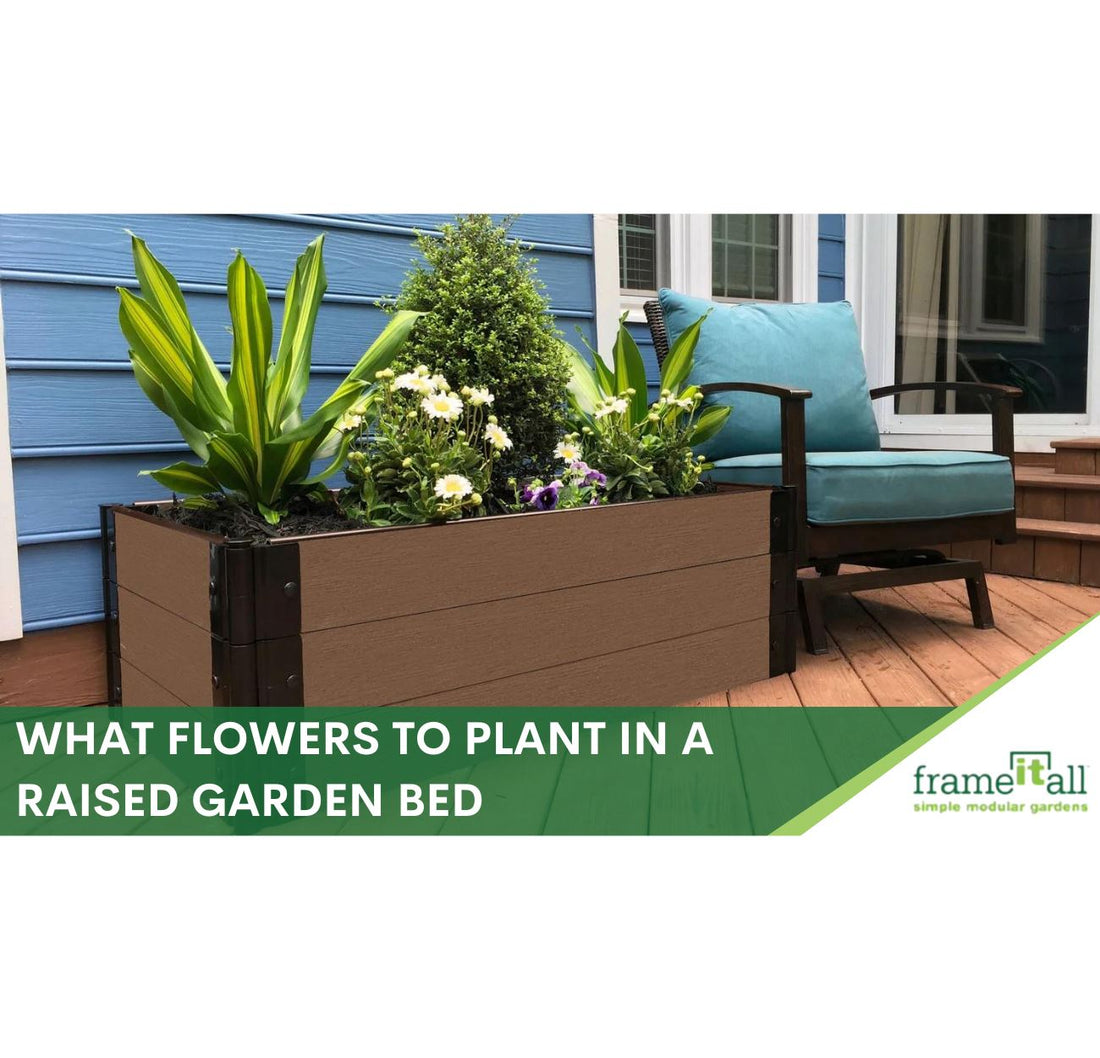
There's something so satisfying about a garden with clean lines and a clear purpose. That's exactly what a raised flower bed brings to your backyard—instant structure and style. It’s the perfect stage for your favorite blooms. But with a blank canvas in front of you, picking the right combination of flowers can feel a bit daunting. Where do you even begin? I'll help you choose the perfect plants to fill your raised bed, creating a gorgeous, thriving display that looks professionally designed.
Fortunately, we have some tips on the best kinds of flowers for raised gardens that'll have your outdoor space looking its best in no time!
In this article, we'll discuss how to select the right kind of flowers for raised garden beds and provide some examples of the best varieties for these types of gardens. We'll also explain how to care for these flowers so that you can make sure they stay healthy and vibrant throughout the season.
Although we’ve already discussed some ideas, we want to take it a step further in this article. Whether you're new to gardening or an experienced green thumb, our guide will help you create a beautiful and flourishing flower bed in your own backyard.
Why Choose a Raised Bed for Your Flowers?

Raised beds are an ideal way to plant flowers due to their ability to provide soil quality and good drainage. Planting in a raised bed helps ensure you have well-draining soil and can promote better root growth in flowers.
Plus, the soil in raised beds warms up quicker than ground-level soil, allowing for earlier planting of flowers. Besides that, they also offer other benefits such as:
- Easier access to flowers for weeding and pruning
- Ability to control soil quality, pH levels, and nutrients
- Less compaction of the soil which can improve drainage and promote better root growth
- Protection against pests and small animals that might otherwise damage your plants
With that out of the way, let’s take a look at some of the types of flowers that work best when planted in raised garden beds!
Choosing the Right Raised Bed for Your Flowers
Before you can start planting your beautiful blooms, you need the perfect home for them. The raised bed you choose will be the foundation of your flower garden, so it’s important to pick one that fits your space, style, and physical needs. There’s a lot to consider, from the material of the bed to whether you want to build it from scratch or use a simple kit. The right choice depends on your budget, how much time you want to spend on assembly, and the overall look you’re going for in your yard. Think about the long-term picture, too. Do you want a bed that will last for decades with minimal upkeep, or are you okay with a more traditional material that might need replacing sooner?
We’ll walk through the most common materials like wood, metal, and composite, each with its own set of pros and cons. We'll also compare the experience of a full DIY project versus using a convenient, pre-made kit. Finally, we'll touch on accessibility, because gardening should be an enjoyable activity for everyone. Whether you need a taller bed to save your back or are working with a small patio space, there’s a solution out there for you. Making a thoughtful decision now will set you up for a successful and stunning flower garden for years to come.
Types of Materials
The material of your raised bed affects more than just its appearance; it also determines its durability, maintenance needs, and even how well it insulates the soil for your flower’s roots. Classic wood offers a natural look, modern metal provides sleek strength, and innovative composite materials give you the best of both worlds. Each option has unique benefits that can complement your garden's design and your personal maintenance preferences. Understanding these differences will help you select a bed that not only looks great but also provides a healthy environment for your flowers to thrive season after season.
Wood Beds
Wood is a timeless choice for garden beds, blending seamlessly into any landscape. Woods like cedar are naturally resistant to rot and insects, which helps them last longer without chemical treatments. A wooden frame also provides good insulation, protecting plant roots from extreme temperature swings. While it has a beautiful, rustic appeal, keep in mind that most wood will eventually break down over time and may need to be replaced. However, for many gardeners, the natural aesthetic is well worth the eventual upkeep.
Metal Beds
If you’re aiming for a modern, industrial look, metal garden beds are an excellent option. Typically made from galvanized steel or aluminum, they are incredibly durable and can withstand harsh weather without rusting or warping. Metal beds are long-lasting and require virtually no maintenance. One thing to consider is that metal can heat up in direct, intense sunlight, which might warm the soil more than other materials. In very hot climates, you may want to position your metal bed where it can get some afternoon shade to protect delicate flower roots.
Composite Beds
For a low-maintenance solution that’s built to last, composite is the way to go. Made from a mix of recycled plastic and sustainably sourced wood fibers, composite boards won’t rot, warp, or splinter like traditional wood. They offer the best of both worlds: the look of wood with the durability of plastic. Composite material also provides great insulation for soil, maintaining a more consistent temperature for healthy root growth. It’s a fantastic "set it and forget it" option for gardeners who want to spend more time enjoying their flowers and less time on upkeep.
DIY vs. Pre-Made Kits
Once you’ve settled on a material, you have another choice to make: do you build your raised bed from scratch or use a pre-made kit? A DIY project gives you complete creative control over the size, shape, and design, and it can sometimes be a more budget-friendly route if you have the right tools and skills. On the other hand, kits are designed for convenience and ease. They come with all the necessary parts and instructions, taking the guesswork out of assembly and saving you a significant amount of time.
Tips for Building Your Own
If you decide to build your own raised bed, planning is key. Start by choosing materials that are durable, safe for gardening, and fit your budget. Measure your space carefully and create a simple design before you start cutting. When you construct the bed, make sure your corners are secure and the frame is level to prevent it from bowing or breaking apart under the weight of the soil. Taking your time with construction will ensure you have a sturdy, reliable bed that will last for many seasons.
The Benefits of a Snap-Lock System
If a full DIY project sounds a bit intimidating, a kit with a snap-lock system is the perfect middle ground. These garden builder kits are designed for incredibly simple, tool-free assembly. You just slide the boards into brackets that snap into place. This approach gives you the satisfaction of building your own bed in just a few minutes, without needing a saw or a drill. It’s a straightforward system that creates a strong, stable frame, letting you get to the fun part—planting your flowers—that much faster.
Accessibility and Alternative Containers
Gardening is a joy that should be accessible to everyone, regardless of physical limitations or the amount of space you have. If bending or kneeling is difficult, or if your "garden" is a small balcony or patio, don't worry! There are fantastic options available that bring the garden up to you. From elevated planters on legs to creative container solutions, you can easily create a beautiful flower display that is both comfortable to tend to and perfect for your living situation. Thinking outside the traditional garden box can open up a world of planting possibilities.
Elevated Beds for Easy Access
For anyone who experiences back pain or has trouble bending down, elevated garden beds are a game-changer. These planters stand on legs, raising the garden to a comfortable waist height, which makes planting, weeding, and watering much easier on your body. This design also offers an added layer of protection from pests like rabbits and slugs that might otherwise munch on your flowers. An elevated bed allows you to enjoy all the benefits of gardening without the physical strain, making it a more sustainable hobby for years to come.
Creative Container Ideas
You don't need a large yard to grow beautiful flowers. If you're working with a small space like a patio, deck, or balcony, you can get creative with containers. Large pots, window boxes, and fabric grow bags are all excellent choices for creating a vibrant flower display. You can even place pots on benches or plant stands to vary their height and make them easier to access. Container gardening gives you the flexibility to grow a wide variety of flowers, even with limited square footage, proving that a stunning garden is possible anywhere.
What Flowers Grow Best in Raised Beds?
When planning your flower garden in a raised bed it is important to choose varieties that will thrive in your climate zone and give you the most bang for your buck.
Annual flowers are an ideal choice for raised garden beds, as they require little maintenance and provide a burst of color throughout the growing season. Annuals are plants that complete their life cycle in one year and must be replanted each year. Popular annual flowers for raised beds include marigolds, petunias, snapdragons, pansies, and impatiens.
These types of flower beds are also perfect for starting a cut flower garden with annual flowers such as zinnias, cosmos, larkspur, bachelor buttons, and dahlias.
Perennials are another great option for raised flower beds because they come back year after year and require very little effort to maintain. Some popular perennials include daylilies, daisies, coneflowers, black-eyed Susan's, hostas and lavender. It is important to note that perennials will generally take two or more years to establish themselves before they will bloom fully in the springtime.
Finally, bulbs make a wonderful addition to raised flower beds since they come back every year without having to be replanted again. They can be planted in the fall when temperatures start to cool off; and common bulbs used in gardens include tulips, daffodils, crocuses and alliums.
Planting bulbs is a great way to use flowers from early spring through late summer as many bulbs will bloom at different times during the growing season.
Top Flower Picks for Your Raised Garden Bed
As we’ve seen, when it comes to deciding which flowers to plant, there are plenty of options. The key is to choose varieties that thrive in the environment. Let’s take a look at some of the most common varieties that homeowners choose to plant on their raised garden beds with different shapes and organization.
Marigolds

When it comes to choosing a flower to plant in a raised garden bed, marigolds stand out. These vibrant and cheerful flowers are perfect for adding color and charm to any outdoor space. Not only do they look beautiful when in bloom, but they are also easy to grow and maintain.
For example, marigolds can be planted in tiered garden beds, which will give them plenty of space to grow and bloom. To ensure success, make sure the bed has good drainage and is positioned in an area with at least six hours of direct sunlight each day.
Marigolds have been grown by gardeners for centuries due to their low maintenance needs and their ability to attract beneficial insects. They come in many different varieties and colors, making them a great choice for those looking for variety in their garden. When planted together, this species creates an eye-catching display that adds beauty and texture to any landscape design.
Petunias

Petunias are a favorite flower to grow in metal garden beds. They are easy to care for and come in many varieties. Petunias have showy flowers with wide, ruffled petals that bloom in spring and summer. Plus, they come in several colors including pink, purple, white, and yellow.
In order to get the best results, plant petunias in well-drained soil with plenty of sunlight, and water them regularly throughout the growing season, typically every week or two. Fertilize with a balanced fertilizer every four to six weeks for best results.
Sunflowers

Sunflowers are a great option for a corner garden bed. They can bring a lot of color and texture to your flower garden, as well as attract pollinators to your space. If you're feeling adventurous, you can even try growing them from seed!
When planting sunflowers in a raised garden bed, make sure to give them plenty of room. Sunflowers can grow up to six feet tall, so give each one at least two feet of space between it and the other plants in the bed. Also keep in mind that some varieties may need staking, so be sure to plan accordingly before planting.
Another great thing about using sunflowers in your raised garden bed is that they tend to do well when planted alongside other vegetables and flowers. For example, sunflowers are often paired with tomatoes or peppers- both of which thrive in raised beds.
So if you're looking for an easy way to add beauty and interest to your garden while also providing some tasty snacks for yourself or the local wildlife- sunflowers could be just what you need!
Dahlias

Dahlias are an excellent choice when considering what flowers to plant in a raised garden bed. Raised beds are the perfect place to grow these types of flowers and they will add plenty of color and vibrancy to your outdoor space.
The most common type of dahlia is the tuberous root type, which grows from a large underground stem. These dahlias typically have large, showy flowers and come in a wide variety of colors including yellow, orange, red and pink.
Dahlias also have long stems with multiple blooms on each stem, making them ideal for use in bouquets.
Dahlias can also provide beautiful color to any garden or landscape throughout the summer and into the fall season. The bright colors will lighten up any dull area and bring life to your outdoor space.
In any case, planting dahlias in a raised bed is a great way to add some extra beauty to your garden while creating a warm and inviting atmosphere. With proper care and maintenance, these flowers can thrive in any garden setting, providing you with beautiful blooms all season long.
Planning Your Perfect Raised Flower Bed

Now that you have a better idea of the flowers to plant in a raised garden bed, it's time to start designing your garden. Start by selecting a location that gets plenty of sun and water. Make sure it is level so your plants will get even light coverage.
Next, decide on the size and shape of the garden bed. If you are wanting to add vegetables this year, consider making the bed larger for more planting space.
When planning what flowers to put in your raised garden bed, consider varieties that will bloom at different times throughout the growing season. This will give your garden a long-lasting burst of color from early spring until late fall.
Also, use companion planting techniques when planning out the layout of your garden design. This helps ensure that each plant has enough nutrients and space to thrive while also providing pest control benefits.
Once you have determined which flowers and vegetables you would like in your raised garden bed, mark out where each one should go with stakes or string before digging into the soil or adding compost or mulch.
Pay attention to how much sunlight each type of flower needs; some may require more than others for optimal blooms. Planting your flowers according to these guidelines will ensure they look their best all season long!
Matching Flowers to Bed Depth
One of the biggest advantages of a raised garden bed is having complete control over the growing environment, and that starts with choosing the right size. The depth of your bed is especially important because different flowers have different root system needs. A shallow-rooted annual won't need the same depth as a large perennial. Matching your flower choices to your bed depth ensures they have plenty of room to establish strong roots, which is the foundation for healthy, beautiful blooms. Before you start planting, think about the types of flowers you love most and choose a bed that can support them.
For Shallow Beds (6 inches)
A 6-inch deep bed is perfect for flowers with shallow root systems, especially many popular annuals. These plants don't need a lot of soil depth to thrive, making them a great choice for smaller or more decorative beds. You can create a vibrant display with flowers like marigolds, pansies, and impatiens. This depth is also ideal for many herbs that you might want to mix in with your flowers, such as basil, chives, mint, and oregano. A shallow bed is a fantastic, low-commitment way to add a splash of seasonal color to your patio or yard without needing a huge amount of soil to get started.
For Medium-Depth Beds (12 inches)
A 12-inch deep bed is arguably the most versatile option and a great all-around choice for a flower garden. This depth provides enough room for the root systems of most annuals and a wide variety of perennials. You can confidently plant flowers like cosmos, snapdragons, zinnias, and lavender. It also accommodates plants that need a bit more root space, such as daisies and coneflowers. If you’re looking to create a mixed garden with flowers and vegetables, a 12-inch bed can support carrots, beets, and cucumbers alongside your blooms. This depth gives you the flexibility to experiment with different plant combinations year after year.
For Deep-Rooted Flowers (18+ inches)
For flowers that are true showstoppers or for gardeners who want to mix in deep-rooted vegetables, a bed that is 18 inches or deeper is the way to go. This extra depth is essential for large perennials and shrubs that need significant space to establish their extensive root systems. It’s also necessary for certain vegetables like tomatoes, peppers, and sweet potatoes, which you can easily pair with companion flowers. Taller raised garden beds not only support healthier, more robust plants but can also make gardening more comfortable by reducing the need to bend over. An 18-inch or deeper bed is an investment in growing bigger, more dramatic plants.
Creative Garden Themes
Once you've decided on the right size for your raised bed, you can have some fun with the design. Instead of just planting a random assortment of flowers, why not try a themed garden? A theme can give your garden a clear purpose and a cohesive look. It’s also a great way to attract specific types of wildlife or grow flowers that serve a dual purpose. Whether you want to create a sanctuary for pollinators or grow flowers you can toss in a salad, a theme helps guide your plant choices and makes the gardening process even more rewarding. Here are a couple of ideas to get you started.
The Butterfly Garden
A butterfly garden is a beautiful way to support local pollinator populations. To create one, fill your raised bed with nectar-rich flowers that bloom throughout the season. Annuals like marigolds, petunias, and zinnias provide a continuous source of food and color. Perennials like coneflowers, black-eyed Susans, and salvia will come back each year, providing a reliable food source for butterflies, bees, and hummingbirds. For an extra touch, consider planting host plants for butterfly larvae, such as milkweed for monarchs. To keep your fluttering visitors safe from nibbling critters, you might consider a bed with an animal barrier.
The Salad Garden (with Edible Flowers)
Why should vegetables have all the fun? An edible flower garden is both beautiful and delicious. Many flowers have lovely, subtle flavors that can brighten up salads, desserts, and drinks. Nasturtiums are a classic choice, with a peppery taste similar to arugula. Calendula petals add a golden hue to dishes, while borage flowers have a light, cucumber-like flavor. You can also plant violas, pansies, and bachelor's buttons. Mix these flowers in with your favorite lettuces and herbs to create a true "garden-to-table" salad bed that is as pleasing to the eye as it is to the palate.
Setting Up Your Raised Flower Bed
With your flowers and theme selected, it's time for the fun part: setting up your garden. Proper setup is the key to a low-maintenance and successful flower bed. Taking a little extra time at the beginning to prepare your location and the bed itself will save you headaches down the road and create the perfect foundation for your plants to flourish. The beauty of a raised bed is that it gives you a clean slate, allowing you to build an ideal growing environment from the ground up. From choosing the right spot to deciding what goes in the bottom, these initial steps are crucial for a thriving garden.
Preparing the Ground
First things first, you need to pick the perfect spot. Most flowers need at least six hours of direct sunlight per day to produce abundant blooms, so choose a location in your yard that gets plenty of sun. Once you've found your spot, it's important to create a level surface for your raised bed. A level bed ensures that water distributes evenly throughout the soil, so all your plants get a consistent amount of moisture. If you're placing the bed on a lawn, you can use a spade to remove the sod and a level to check the ground before assembling your frame.
Lining the Bottom of Your Bed
To line or not to line? It’s a common question, and the answer depends on your goal. If you're placing your bed over a lawn or weedy area, lining the bottom with a layer of cardboard is a great idea. The cardboard acts as a natural, biodegradable weed barrier, smothering the grass and weeds underneath without preventing drainage. Over time, it will decompose and add organic matter to your soil. Avoid using plastic liners, as they can trap water and lead to root rot. The goal is to block weeds while still allowing water to drain freely and earthworms to travel up into your garden bed.
Filling Your Bed with the Right Soil
The single most important ingredient for a successful raised flower bed is the soil. Because you're creating a self-contained ecosystem, you can't just dig up dirt from your yard and expect great results. The soil in a raised bed needs to have the perfect balance of moisture retention, drainage, and nutrients to support vigorous root growth and stunning flowers. Creating a high-quality soil blend is an upfront investment that will pay off all season long with healthier plants and more vibrant blooms. Think of it as building the perfect home for your flowers to live in.
Why Garden Soil Isn't Enough
It might seem logical to fill your new raised bed with soil from your existing garden, but this can lead to problems. Native garden soil is often heavy and full of clay, which can become compacted within the confines of a raised bed. This compaction squeezes out air pockets and prevents water from draining properly, which can suffocate plant roots. On the other hand, using only a lightweight potting mix isn't ideal either, as it can dry out too quickly and may not provide enough structure or nutrients for a full season of growth. A dedicated raised bed soil is specifically designed to avoid these issues.
Creating the Perfect Soil Mix
The ideal soil for a raised flower bed is a balanced blend that provides nutrients, retains moisture, and allows for good drainage. A popular and effective formula is the lasagna gardening method or creating a mix of different components. A great starting point is to fill the bottom third of your bed with organic materials like logs, branches, and leaves (a method known as Hügelkultur), which will decompose over time and release nutrients. For the main growing medium, a simple and effective mix is equal parts compost and topsoil. The compost provides essential nutrients, while the topsoil gives the mix structure. This combination creates a rich, loamy soil that your flowers will love.
How to Plant and Care for Your Flowers
When it comes to planting a raised garden bed, there are many things to consider. If you want to have a good visual effect, choose several colors of flowers so that the bed looks vibrant and healthy. Also, consider companion planting when selecting the types of flowers you want to grow in order to maximize the benefits from beneficial insects and other beneficial organisms in the soil.
Once you have planted your flowers, take good care of them for optimal growth. Regularly water your plants and provide them with adequate sunlight by positioning them properly in your garden bed.
Fertilize them every few weeks with a water-soluble fertilizer or compost tea to give them an extra boost of nutrients if needed; and deadhead spent blooms regularly to help promote more fresh flowers throughout the season. Finally, monitor your flowers closely for any signs of disease or pests so that you can take action quickly if necessary.
Keeping Your Flowers Happy: 3 Key Tips

Get Watering Right
Watering is an essential part of keeping your flowers healthy and vibrant. Depending on the type of flower you have, you'll need to water your raised bed accordingly. Make sure that the soil in your raised bed is moist but not soggy.
Generally, plants should be watered at least once a week, depending on the weather conditions. When it gets hotter during summer months, it's important to keep an eye out for dry soil and water your garden as needed.
Feeding Your Flowers
Fertilizing your flowers is also important for their health and longevity. You can use organic fertilizers or chemical fertilizers, depending on what works best for your particular flowers.
Make sure to follow the instructions on the fertilizer packaging and apply it according to the directions given. Fertilizers can help increase blooms, improve soil drainage and add nutrients to the soil in your raised bed.
Pruning for Better Blooms
Prune any dead or damaged branches regularly to keep your garden looking neat and tidy. Pruning helps encourage new growth while removing any potential hazards from overgrown plants. Self-seeding flowers should be pruned after they are done blooming so that they don't become overcrowded in the next season.
However, be careful not to prune too much at once since this could shock the plants and cause them harm instead of helping them grow healthier and stronger.
In any case, no matter what flowers you plant in a raised bed; taking care of them doesn't have to be difficult or time consuming. With regular watering, fertilizing, and pruning, you can make sure that your garden stays healthy and beautiful all year long!
Rotating Flowers for Healthy Soil
You might have heard about crop rotation for vegetable gardens, but did you know the same principle applies to your flower beds? Regularly changing up the types of flowers you plant is a simple yet powerful way to keep your soil healthy. Over time, specific pests and diseases that target certain plants can build up in the soil. By rotating your flowers, you break this cycle, preventing these problems from taking hold. This practice also helps maintain a balanced ecosystem. Different flowers have different nutritional needs, so switching them out prevents any one nutrient from being completely depleted. It's a key part of planning your garden layout to ensure it remains a thriving environment for beautiful blooms season after season.
Common Raised Bed Problems (and How to Fix Them)
Raised beds are great for growing flowers, as they provide ample space and improved drainage. However, they can also be tricky to work with if you don't know what you're doing.
One of the most common problems that arise when growing flowers in raised garden beds is selecting the wrong types of flowers. Different flower varieties have different requirements for soil, water, sunlight, and other conditions to grow best. It's important to research what types of flowers will do best in your specific environment before planting them in raised beds.
Another issue that arises when planting flowers in raised garden beds is overcrowding. Too many flowers can compete for resources such as sunlight and water, resulting in weaker or smaller plants overall. To ensure that your flowers thrive, make sure to space them out properly and leave enough room between each one so they can all get the necessary nutrients they need.
Finally, it's important to be aware of any pests or diseases that could affect your flower garden. Certain edible flowers may attract pollinators like bees and butterflies, but also pests like aphids or slugs. Monitor your plants regularly and take steps to make sure these critters don't damage your flower world!
Ready to Start Your Raised Flower Bed?

As we’ve discussed all over the article, by using raised garden beds for growing flowers, you can enjoy beautiful blooms throughout the year and create a stunning landscape feature that adds value to your property. With careful planning and attention to detail, you can create healthy plants and achieve a successful flower garden with thriving blooms.
So if you're looking for a great way to add colour and beauty to your outdoor space this year, consider planting flowers in a raised bed! You'll be glad you did when you get to enjoy the beautiful blooms all season long.
And if you need any help, here at Frame It All we offer a wide variety of raised garden beds and accessories to choose from. Start by selecting the type of frame and size that best fits your needs, then add grow mix and soil amendments to create the perfect environment for healthy flowers. From there, it's just a matter of planting your favorite blooms, giving them plenty of water and sunshine, and watching them thrive!
Happy gardening!
Frequently Asked Questions
Can I just fill my raised bed with soil from my yard? That’s a super common question, and while it seems like the easiest option, it’s best to avoid using straight garden soil. Dirt from your yard is often heavy and full of clay, which can get compacted in a raised bed. This prevents water from draining properly and can suffocate your flowers’ roots. For the best results, you’ll want to create a lighter, fluffier mix using components like compost and topsoil, which will give your flowers the perfect balance of nutrients, drainage, and aeration they need to thrive.
How do I know how deep my raised bed should be? The ideal depth really depends on what you want to plant. If you’re planning on growing annuals with shallow roots, like marigolds or pansies, a 6-inch deep bed will work just fine. For a more versatile garden that can handle most perennials and even some vegetables, a 12-inch depth is a fantastic all-around choice. If you have your heart set on large, dramatic flowers or deep-rooted plants like tomatoes, an 18-inch or deeper bed will give their extensive root systems the space they need to grow strong and healthy.
Do I need to replace all the soil in my raised bed every spring? Thankfully, no! You don't have to start from scratch every year. The soil in your bed will settle and get used up a bit over the season, so your main job in the spring is to refresh it. You can do this by simply topping off the bed with a few inches of fresh compost. This replenishes the nutrients that your flowers used during the previous year and keeps the soil structure healthy and ready for new plants.
What if my yard doesn't get a lot of sun? Can I still have a raised flower bed? Absolutely! While many popular flowers crave sunshine, there are plenty of gorgeous options that thrive in partial or even full shade. For a shadier spot, you could fill your raised bed with beautiful plants like impatiens, hostas, astilbe, or coral bells. The key is to observe how much light your chosen location gets throughout the day and then select flowers that are well-suited for those conditions. A shady spot is just an opportunity to play with different textures and colors.
How many plants should I actually put in my bed? I'm worried about overcrowding. It’s easy to get excited and want to plant everything, but giving your flowers enough space is crucial. A good rule of thumb is to check the plant tag that comes with your flowers—it will tell you the mature spread or width of the plant. Use that as your guide for spacing. Packing them in too tightly forces them to compete for sunlight, water, and nutrients, which can lead to weaker plants and fewer blooms. A little breathing room goes a long way in creating a lush, healthy garden.
Key Takeaways
- Choose the Right Bed for Your Blooms: Set your garden up for success by selecting a durable material like composite and matching the bed's depth—from 6 inches for annuals to 18+ inches for large perennials—to the needs of your flowers.
- Design with a Theme in Mind: Create a more intentional and beautiful garden by choosing a theme, like a pollinator haven or an edible flower patch. Mixing annuals, perennials, and bulbs ensures you'll have a steady stream of color all season.
- Build the Perfect Soil Foundation: The most critical step is creating a rich, well-draining soil mix with compost and topsoil. This prevents compaction and gives your flowers the nutrients they need to flourish.