
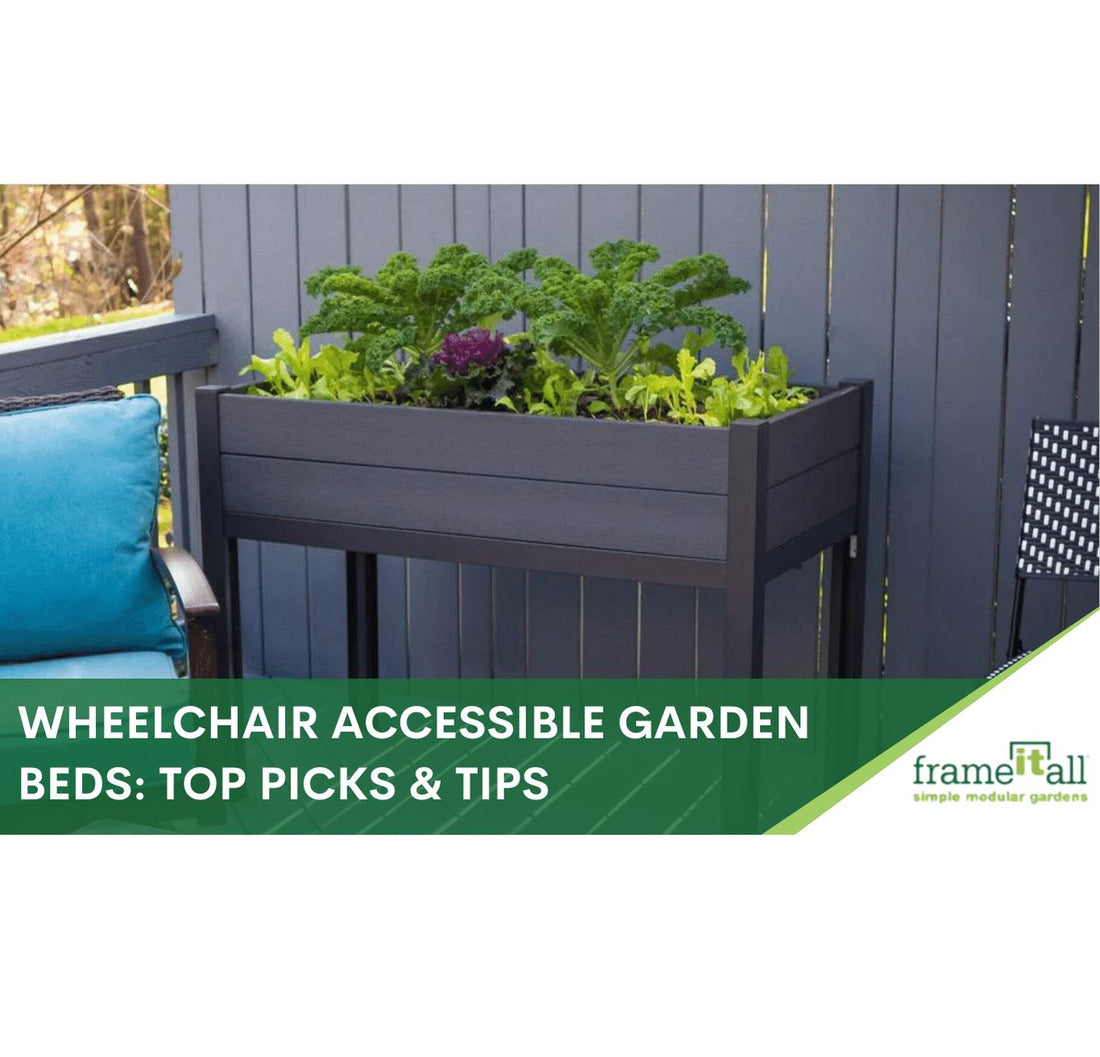
Gardening connects us to the natural world and often to each other, but this universal activity requires a space that welcomes everyone. Inclusive design ensures that no one is left on the sidelines due to mobility challenges. By building a wheelchair accessible garden, you are creating more than just a place to grow plants; you are fostering an environment where friends, family, and community members can all share in the experience. It’s about breaking down barriers so everyone can get their hands dirty and enjoy the rewards. This guide provides the practical steps to help you build that welcoming space.
Our community at Frame It All recognize that gardening is more than just a hobby—it's a connection to nature and a source of well-being.
Yet, for those using wheelchairs or facing mobility challenges, traditional garden beds can pose barriers. Allow us to introduce you to wheelchair accessible garden beds: spaces that are thoughtfully designed and prioritize both accessibility and inclusivity. These raised beds not only enable gardeners with limited mobility to take part in this wonderful outdoor activity, but truly thrive as well.
We'll dive deep into the world of accessible gardening, sharing how everyone can have an easy and fulfilling journey with veggies, herbs, and flowers, irrespective of mobility.
The Importance of Wheelchair Accessible Garden Beds
Accessibility in garden design isn't just about compliance; it's about providing every gardener the opportunity to immerse in the therapeutic world of plants. While wheelchair accessible garden beds are a response to a growing need, they've rapidly evolved into an emblem of progressive and inclusive garden design.
For many wheelchair users, gardening has often meant adapting to conventional garden beds. But why adapt when you can have a space tailored to your needs? These accessible beds are designed at an optimal height, ensuring minimal strain and maximum engagement. They transcend mere functionality by giving wheelchair users a renewed sense of independence and autonomy in their gardening endeavors.
These beds also offer ergonomic advantages, alleviating the common discomforts that gardeners might face. The raised structure ensures easy reach to every plant, thus preventing undue stress on the back and neck. But beyond the physical benefits, the true essence of these garden beds is the empowerment they bring, providing an unrestricted platform for creativity and connection with nature - something important that we think we can all agree on.
Health and Wellness Benefits
Gardening is so much more than just a way to grow fresh food; it's a powerful tool for enhancing your overall health. The physical activity involved helps improve movement, balance, and coordination, building strength and supporting your heart. But the benefits go far beyond the physical. Spending time in the garden is a fantastic way to manage stress and relax. The simple act of nurturing plants can foster a sense of purpose and build self-esteem, as you become a caretaker for your little green space. This connection to nature can also reduce feelings of sadness and lead to better social interactions, creating a holistic experience that nurtures both body and mind.
Planning Your Accessible Garden: First Steps
Creating a garden that you can enjoy for years to come starts with a bit of thoughtful planning. Before you even think about soil or seeds, taking the time to map out a space that truly works for you is the most important step. This initial phase is all about understanding your needs, the potential of your space, and the principles that make a garden truly accessible. By focusing on a user-centered approach from the beginning, you can design a garden that is not only functional but also a genuine source of joy and relaxation, perfectly tailored to your abilities and gardening style.
Understanding Universal Design Principles
A great starting point for any accessible project is the concept of universal design. The core idea is simple: to create spaces and products that are easy for everyone to use, regardless of their age, size, or ability. As the ADA National Network explains, this approach focuses on inclusivity from the ground up, rather than adding special accommodations later. In gardening, this might mean building pathways wide enough for both a wheelbarrow and a wheelchair, or choosing garden beds that are comfortable for someone standing, sitting, or kneeling. It’s about designing a flexible space that serves a wide range of people without needing separate, specialized equipment.
Assessing Your Abilities and Garden Location
Your perfect garden begins with a realistic look at your own needs and the space you have. Before you start building, take a moment to understand your physical limits and strengths. Consider your comfortable reach, how high you can lift things, and what postures are sustainable for you. This self-assessment is crucial for making smart design choices, like setting the height of your raised beds or deciding on the width of your pathways. This is also where modular systems shine, as our Garden Builder Kits can be customized to the exact height and dimensions that fit your personal requirements.
Involving Users in the Design Process
If you're designing a garden for a friend or family member, the best thing you can do is involve them directly in the planning. Their personal experience and insights are invaluable for creating a space that is genuinely functional and enjoyable for them. What works on paper doesn't always translate to real-world usability. By incorporating the user's feedback throughout the process, you can address specific needs and preferences, ensuring the final garden is a perfect fit rather than a well-intentioned guess. This collaborative approach leads to a more successful and cherished garden space for everyone.
Using ADA Guidelines as a Helpful Reference
While the Americans with Disabilities Act (ADA) doesn't have specific rules for private home gardens, its guidelines are an incredibly useful resource. Think of them as a set of best practices for creating accessible spaces. The ADA provides recommendations for things like minimum pathway widths (36 inches is a good standard), knee and toe clearance under surfaces, and comfortable reach ranges for someone in a seated position. Using these standards as a valuable framework can help you make informed decisions that ensure your garden is safe, comfortable, and easy to move through for wheelchair users and others with mobility considerations.
Key Aspects of Wheelchair Accessible Raised Garden Beds
Wheelchair-accessible raised garden beds revolutionize the gardening experience for many with limited mobility. But what are the defining characteristics of these specialized garden beds? Let's delve into the specifics that make them stand out.
1. Suitable Height: A typical raised garden bed for wheelchair users stands at around 20+ inches in height, ensuring easy reach from a seated position. This elevation means wheelchair users can access the entire garden without straining.
2. Durable Construction: Built to last, like garden beds should be. Whether cedar, composite or metal, the bed should provide a stable platform that can support the weight of the soil and plants, whilst being resistant to rot and pests. We appreciate a garden is not something that you'll want to replace anytime soon!
3. Effective Drainage & Irrigation: A well-designed wheelchair-accessible garden bed incorporates an efficient drainage system. Some even come equipped with an irrigation system, ensuring plants receive consistent moisture.
4. Accessible Width: A garden should be narrow enough so that you can easily access the plants without strain or pain. A garden with a width smaller than 2' is ideal so that the entire planting area is accessible from either side.
5. Sensory & Therapeutic Benefits: Beyond their physical design, these beds are also perfect for horticultural therapy, sensory gardening in senior living homes, and even in school playgrounds. Gardening is more than a physical activity; it's an experience that caters to the senses and well-being.
6. Flexibility & Versatility: These beds are not only suitable for yards but also for patios, making them versatile. Moreover, they can be placed in areas with direct sunlight, ensuring plants get the necessary hours of sunlight.
In essence, wheelchair accessible raised garden beds are an amalgamation of functionality, inclusivity, and ergonomic design. They offer a solution that allows those with limited mobility to fully immerse in the therapeutic world of gardening, ensuring the benefits of this wonderful outdoor activity are available to all. Bearing all of this in mind can help you to decide on the ideal solution for wheelchair accessible gardening.
Designing Your Wheelchair Accessible Garden Space
In order to make gardening easy for people with limited mobility or using a wheelchair, you'll have to do some diligent planning. Begin by sculpting wide, seamless pathways. A smooth surface, be it compacted gravel or well-laid paving stones, is essential to ensure unhindered movement. The placement of your wheelchair accessible raised garden beds is paramount. Position them such that there's room for easy access and maneuverability from all sides.
Specialized gardening tools that cater to limited mobility can further enhance the experience. Think long-handled tools that eliminate the need to stretch or overreach. Next, consider the water sources. Their positioning is crucial, with hose reels or watering systems ideally located at convenient heights.
Enrich the garden by integrating a sensory experience. Plants of varying textures, fragrances, and hues not only uplift the aesthetic appeal but offer therapeutic benefits. Labels, clear and at eye level, can make identification a breeze, while thoughtfully placed shade and seating spots provide respite and relaxation.
In essence, designing a wheelchair accessible garden demands foresight, but the resultant space—imbued with ease, functionality, and beauty—is a testament to gardening's universal allure.
Getting the Dimensions Right
When it comes to creating a truly accessible garden, precision is everything. The right dimensions can make the difference between a frustrating experience and a joyful one. It’s not just about raising the soil off the ground; it’s about tailoring the height, width, and depth of the garden bed to perfectly suit the needs of a seated gardener. Getting these measurements correct from the start ensures that every part of the garden is within comfortable reach, eliminating unnecessary strain and maximizing enjoyment and independence.
Ideal Bed Height and Knee Clearance
The sweet spot for a wheelchair-accessible raised bed is typically a height of 20 inches or more. According to the Mississippi State University Extension Service, this elevation allows a gardener to work comfortably from a seated position without bending or overextending. Just as important is knee clearance. If the design allows, having space underneath the bed for a wheelchair’s footrests lets the user get closer to their plants. This proximity reduces the need to lean forward, protecting the back and shoulders while making tasks like planting, weeding, and harvesting much easier.
Choosing Smart Bed Designs for Easy Access
Beyond simple height adjustments, the actual shape of your garden bed can dramatically improve accessibility. While a standard rectangular bed is a good start, innovative designs can open up the gardening experience even more. Shapes that curve around the gardener or feature multiple levels create more surface area that is easily reachable from a single spot. This thoughtful approach to design minimizes the need to move around the bed, saving energy and making the entire process more efficient and pleasant.
U-Shaped and Multi-Level Beds
U-shaped or keyhole garden beds are fantastic solutions for accessibility. As the National AMBUCS organization points out, these designs feature "cut-out" areas that allow a wheelchair to slide partially underneath the structure. This clever layout brings plants on three sides within immediate reach, making it easy to tend to a larger area without repositioning. Similarly, multi-level beds can provide varied planting depths and heights, adding visual interest while keeping certain plants closer for easy access. The modular nature of many modern kits makes creating these custom shapes simpler than ever.
Creating Safe and Stable Pathways
An accessible garden bed is only as good as the path that leads to it. The surrounding area is a critical component of the overall design, ensuring safe and easy movement throughout the garden space. A pathway that is too narrow, uneven, or made from the wrong material can create a significant barrier, undermining the accessibility of the beds themselves. Planning for wide, smooth, and stable pathways is a non-negotiable step in building an inclusive and functional garden for everyone.
Path Width and Surface Materials
For comfortable navigation, pathways should be at least four feet wide. This width provides ample room for a wheelchair to turn and pass by obstacles without difficulty. The surface material is equally important for safety and ease of movement. You’ll want to choose a firm, flat, and non-slip material like compacted gravel, pavers, or smooth concrete. Avoid loose materials like wood chips or pea gravel, which can make it difficult for wheels to get traction and may pose a tripping hazard.
Construction Materials, Soil, and Drainage
With the layout and dimensions planned, the final piece of the puzzle is the physical construction of the bed itself. The materials you choose will determine the bed's longevity and stability, while the right soil mix and drainage system will ensure your plants have the healthy environment they need to flourish. These foundational elements are crucial for creating a low-maintenance and productive garden that will last for many seasons to come.
Choosing Durable Construction Materials
Your garden bed needs to be built to last. It must be strong enough to contain the weight of soil and plants while withstanding the elements year after year. Materials like cedar, metal, or composite boards are excellent choices because they resist rot and pests. At Frame It All, our composite raised garden beds are designed for exactly this kind of durability, providing a stable and long-lasting structure. Our snap-lock system also ensures the frame is secure and simple to assemble, giving you a reliable foundation for your accessible garden.
Preparing Your Soil Mix and Ensuring Drainage
Proper drainage is essential for a healthy raised garden bed. Without it, water can become trapped at the bottom, leading to root rot and unhealthy plants. A well-designed bed will have an efficient way for excess water to escape. You can achieve this by drilling holes in the base or laying a layer of gravel before adding soil. Using a high-quality, well-draining soil mix is also key. Some advanced systems even incorporate irrigation, but ensuring good drainage from the start is the most critical step for plant success.
Steps to Creating a Wheelchair Accessible Gardening Experience
Assess the Area: Start by evaluating your garden space for size, sun exposure, and soil quality.
Pathways First: Design wide, smooth pathways ensuring easy and unhindered wheelchair movement.
Choose Raised Beds: Opt for wheelchair accessible raised garden beds with the right height and depth for easy reach.
Position Thoughtfully: Ensure ample space between garden beds for maneuverability.
Sensory Selection: Pick plants that offer varied textures, colors, and fragrances for a multi-sensory experience.
Tool Time: Source long-handled or adaptive gardening tools catering to limited mobility.
Watering Solutions: Position water sources at accessible heights, considering hose reels or adaptive irrigation systems.
Seating and Shade: Integrate comfortable seating and shade spots for moments of rest.
Maintenance Routine: Establish a routine that ensures the garden remains easily accessible and thriving.
Raised Garden Beds for Wheelchair Users: Make the Right Choice
Choosing the right garden bed is pivotal for wheelchair users. A well-selected bed not only ensures accessibility but also enhances the gardening experience.
Self-Watering Patio Planters
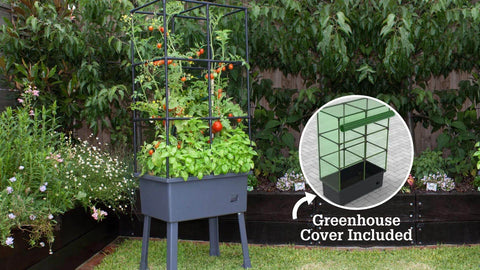
These are a great choice for any gardener, especially those with limited mobility. The self-watering feature ensures plants receive the right amount of moisture, reducing the need for frequent manual watering. Plus, being patio-friendly, they're perfect for homes with limited garden space or for adding greenery to your outdoor seating area.
Raised Garden Bed with Legs

Elevated from the ground, these beds are designed with the wheelchair user in mind. Their height ensures easy reach without strain. Supported by sturdy legs, they provide a secure and durable gardening solution. The added bonus? No need to bend or stretch, making them perfect for those seeking comfort while gardening.
Narrow Width Garden Planters
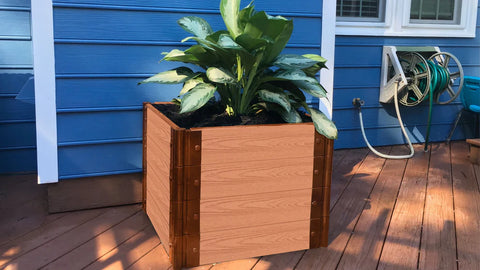
For those looking for more precision in planting or limited in space, planters less than 2 feet in width are ideal. Their slim design ensures every part of the soil is easily accessible from a seated position, making planting, tending, and harvesting a breeze.
Making the right choice in garden beds ensures a seamless, enjoyable, and fruitful gardening journey for wheelchair users. Whether you're cultivating flowers, herbs, or veggies, there's an accessible solution to fit your needs.
Exploring Other Accessible Options
Vertical Gardens
If ground space is limited or you prefer to garden while standing or seated, vertical gardening is a fantastic solution. This method uses upward space to grow plants, bringing them to a comfortable eye and arm level. You can attach trellises, wall-mounted planters, or stacked containers to surfaces like sheds, garden walls, or a sturdy fence. A durable composite fence not only defines your space but also provides the perfect, long-lasting backdrop for climbing plants or a living wall. This approach is not only accessible but also creates a stunning visual feature in your yard, transforming a plain surface into a vibrant, green oasis that’s easy to tend to without any bending or kneeling.
Hanging Baskets with Pulley Systems
Hanging baskets add a beautiful cascade of color to any porch or patio, but they can be difficult to water and maintain. A simple yet brilliant adaptation is to install a pulley system. This clever setup allows you to easily lower baskets for watering, pruning, and harvesting with just the gentle pull of a cord, then raise them back up. This eliminates the need for ladders or awkward reaching, making it a safe and practical option for everyone. For best results, choose lightweight plastic pots to reduce the overall weight, making the baskets even easier to manage. This system brings the garden right to you, on your terms.
Adaptive Tools and Techniques for Easier Gardening
Having the right setup is just the beginning; the right tools and techniques can transform your gardening from a task into a true pleasure. Adapting your approach doesn't mean compromising on the experience. In fact, it often means finding smarter, more comfortable ways to connect with your plants. With a few thoughtful adjustments to your tools and garden layout, you can create an environment that works for you, allowing you to focus on the joy of watching your garden grow. These small changes can make a significant impact, reducing physical strain and making every moment spent outdoors more enjoyable and productive.
Essential Adaptive Gardening Tools
The right tools can make all the difference, especially when you’re gardening from a seated position. Look for tools with long handles to extend your reach and reduce the need to stretch. For those with limited hand strength, ergonomic tools with padded grips can minimize stress on your hands and wrists. You can even modify existing tools by wrapping foam and duct tape around the handles for a more comfortable hold. Items like the E-Z Reacher or Easy Gripper are also fantastic for picking up supplies or fallen leaves without having to move or strain. Investing in a few key adaptive tools ensures you can handle tasks like weeding, planting, and pruning with greater ease and comfort.
Simple Environmental Modifications
Creating an accessible garden often involves simple but effective changes to the environment itself. Pathways are a great place to start; they should be at least three feet wide to comfortably accommodate a wheelchair and have a smooth, firm surface. Beyond pathways, the type of garden bed you choose is crucial. Using raised garden beds, elevated tables, or container gardens brings the soil up to a manageable height, which significantly limits bending and stretching. According to the Mississippi State University Extension Service, these modifications provide safer access for everyone. This approach not only makes gardening more accessible but also helps define the space, keeping it organized and easy to manage.
Plant Selection and Care for Raised Beds
Once your accessible garden space is set up, the fun part begins: choosing your plants. The plants you select will define the look, feel, and even the scent of your garden. For raised beds and containers, it’s important to choose varieties that will thrive in that specific environment. This means considering not only their sunlight and water needs but also their size and growth habits. Proper plant selection is the key to a lush, low-maintenance garden that provides a rewarding sensory experience every time you step outside. Thoughtful planning at this stage will save you time and effort later, leading to a more successful and enjoyable harvest.
Choosing the Right Plants for Your Space
When selecting plants, think about creating a multi-sensory experience. Pick plants with varied textures, vibrant colors, and pleasant fragrances to engage all your senses. Herbs like lavender and mint are great for their aroma, while lamb's ear offers a unique, soft texture. For vegetables, smaller varieties such as bush beans, cherry tomatoes, and leafy greens are perfect for containers and raised beds. Most flowers also grow beautifully in containers, allowing you to add pops of color wherever you like. Choosing compact or "dwarf" varieties ensures your plants won't outgrow their space too quickly, making them easier to care for throughout the season.
Watering and Fertilizing Needs
One thing to remember about raised beds and containers is that they tend to dry out faster than in-ground gardens. This means you’ll need to water them more frequently, especially during hot, sunny weather. A good rule of thumb is to check the soil daily and water whenever the top inch feels dry. To make this task easier, consider using self-watering planters or setting up a drip irrigation system. Because frequent watering can wash nutrients out of the soil, you’ll also want to fertilize your plants about once a month during the growing season to keep them healthy and productive.
Why Container Size Matters
The size of your containers plays a big role in your gardening success. While smaller pots are lighter and easier to handle, they also dry out very quickly. For gardeners with limited arm strength, lightweight plastic pots are an excellent choice. If you opt for larger containers, placing them on wheeled caddies allows for easy movement around your patio or deck. To prevent the soil from drying out too fast, it’s recommended to choose a pot that is at least 24 inches wide. This gives the plant roots plenty of room to grow and helps the soil retain moisture for longer, reducing your watering duties.
Important Safety Guidelines for Gardeners
Gardening is a relaxing and rewarding activity, but it’s important to keep safety in mind to ensure it stays that way. Spending time outdoors means being exposed to the elements, and working with tools and soil comes with its own set of considerations. By following a few simple safety guidelines, you can protect yourself from common risks like sunburn, dehydration, and minor injuries. These precautions are easy to incorporate into your routine and will help you enjoy a comfortable and worry-free gardening experience, allowing you to focus on the beauty and tranquility of your outdoor space.
Sun Protection and Hydration
When you're absorbed in your gardening, it's easy to lose track of time and forget about the sun. Always protect your skin by wearing a wide-brimmed hat, sunglasses, and a long-sleeved shirt, and don't forget to apply sunscreen to any exposed areas. It’s also crucial to stay hydrated, so keep a water bottle nearby and take regular sips, even if you don't feel thirsty. If possible, plan your gardening for the cooler morning or evening hours to avoid the intense midday sun. Taking breaks in a shady spot will also help you stay cool and comfortable while you work.
Safe Tool Use and Storage
Proper tool handling is key to preventing accidents. Always use tools for their intended purpose and choose lightweight, comfortable options that fit your hands well. If you’re using any sharp tools, like pruners or shears, handle them with care and be mindful of where your hands are. When you’re finished with your gardening session, it’s important to clean your tools and store them in a safe, designated place. This not only keeps them in good condition but also prevents them from becoming a tripping hazard for you or others.
Responsible Pest Control
Dealing with pests is a natural part of gardening, but it’s important to manage them responsibly. Whenever possible, try to control pests using natural methods first, such as introducing beneficial insects or using physical barriers. If you find that you need to use pesticides, always read the product label carefully and follow the instructions exactly. Apply them when no one else will be in the garden for a while to ensure everyone’s safety. Responsible pest management protects not only you and your family but also the beneficial wildlife in your garden.
The Versatility and Benefits of Frame It All Raised Beds

We've got great options for you to explore here at Frame It All. Our carefully designed self-watering elevated planters for easy plant growth make a perfect choice for modern gardeners looking to optimize water resources and time.
Beyond just functionality, we are dedicated to the environment. Our other raised garden options, crafted from sustainable composite boards, are both long-lasting and eco-friendly.
Our narrow-width gardens for accessible gardening come in a range of sizes, so you can choose the perfect length for you and the space you have available. Explore our diverse range of sizes tailored to every gardening need: from the spacious 2 x 6, the generous 2 x 8, the compact 2 x 2 to the versatile 2 x 4.

And for those seeking an elevated aesthetic, don't miss our collection of raised garden beds with legs.
Choose Frame It All, and invest in top-tier gardening solutions while making a positive impact on our planet.
Resources and Organizations for Accessible Gardening
Embarking on an accessible gardening project doesn't mean you have to go it alone. A vibrant community and numerous organizations are dedicated to making gardening inclusive for everyone, regardless of physical ability. These groups offer everything from design inspiration and DIY guides to specialized products that make it easier to get your hands in the soil. Tapping into these resources can provide the support and knowledge you need to create a garden that is not only functional but also a true source of joy and independence.
Several organizations focus specifically on creating practical solutions. For instance, Accessible Gardens offers table-height garden beds designed to allow easy access for individuals using wheelchairs or walkers, eliminating the need to bend or kneel. For the DIY enthusiast, National AMBUCS provides a comprehensive guide to building your own wheelchair-accessible garden bed, a project inspired by a Girl Scout who saw a need for affordable and suitable designs. These resources show that whether you prefer to buy or build, there are pathways to creating your perfect gardening space.
Beyond individual products, there's a broader movement centered on universal design and the therapeutic benefits of gardening. The ADA National Network highlights community projects that transform public spaces into fully accessible gardens, demonstrating how collaboration can create inclusive environments for all. Many of these gardens are also used for horticultural therapy and sensory experiences, which, as GardenTech explains, can be incredibly beneficial for well-being. These initiatives underscore that gardening is a powerful activity for both body and mind.
For more localized advice, don't forget to check with your regional university extension service. Programs like the one at Mississippi State University often publish helpful guides and tips for gardening with special needs. They can provide information on adaptive tools, suitable plant selections for your climate, and other practical techniques to ensure your gardening experience is successful and enjoyable. These local experts can be an invaluable resource for tailoring your accessible garden to your specific environment.
Frequently Asked Questions
What are the most critical dimensions for a wheelchair-accessible garden? You'll want to focus on three key areas: bed height, bed width, and pathway width. Aim for a garden bed that is at least 20 inches tall, which allows you to work comfortably from a seated position. Keep the bed's width to two feet or less; this ensures you can reach the center from either side without straining. Finally, make your pathways at least four feet wide to provide plenty of room for turning and moving around easily.
With so many bed designs, how do I choose the right one for my needs? The best design really depends on your space and personal comfort. A garden bed with legs or an elevated table is a great choice because it provides knee clearance, letting you get much closer to your plants. If you have a bit more room to work with, a U-shaped bed is a fantastic option because it wraps around you, putting a larger gardening area within easy reach from a single spot.
What kind of materials should I use to build my raised bed? You should look for something that is durable and can withstand the elements for many seasons. Materials like cedar, metal, and composite boards are all excellent choices because they are naturally resistant to rot and pests. Composite boards, like the ones we use at Frame It All, are particularly great because they are long-lasting, made from sustainable materials, and provide a very stable structure for your garden.
Do I need to buy a lot of special tools to get started? Not at all. You can begin with simple modifications to the tools you might already own. For instance, wrapping foam and duct tape around handles can create a more comfortable and ergonomic grip. The most helpful tools to consider first are those with long handles, as they extend your reach and reduce the need for stretching. You can always add more specialized tools later as you discover what works best for you.
What are the best types of plants for a raised, accessible garden bed? Since raised beds and containers can dry out more quickly than in-ground gardens, it's a good idea to look for plants that thrive in that environment. Compact or "dwarf" varieties of vegetables, such as bush beans and cherry tomatoes, are perfect because they won't overgrow their space. For a wonderful sensory experience, consider adding herbs like lavender for fragrance and a variety of flowers for color. The key is to choose plants that fit the scale of your bed and are easy to manage.
Key Takeaways
- Prioritize planning for comfort and safety: Before you build, map out your space with accessibility in mind. Aim for raised beds at least 20 inches high and pathways about four feet wide to ensure comfortable movement and easy reach from a seated position.
- Select bed designs that maximize your reach: The shape of your garden bed can make a huge difference. Consider U-shaped designs that let you get closer to the center or narrow beds (under two feet wide) so every plant is easily accessible without straining.
- Use the right tools and plants for easier care: Equip yourself with long-handled or ergonomic tools to reduce physical effort. Choosing compact plant varieties and using self-watering systems will also help create a beautiful, low-maintenance garden that's a joy to manage.