
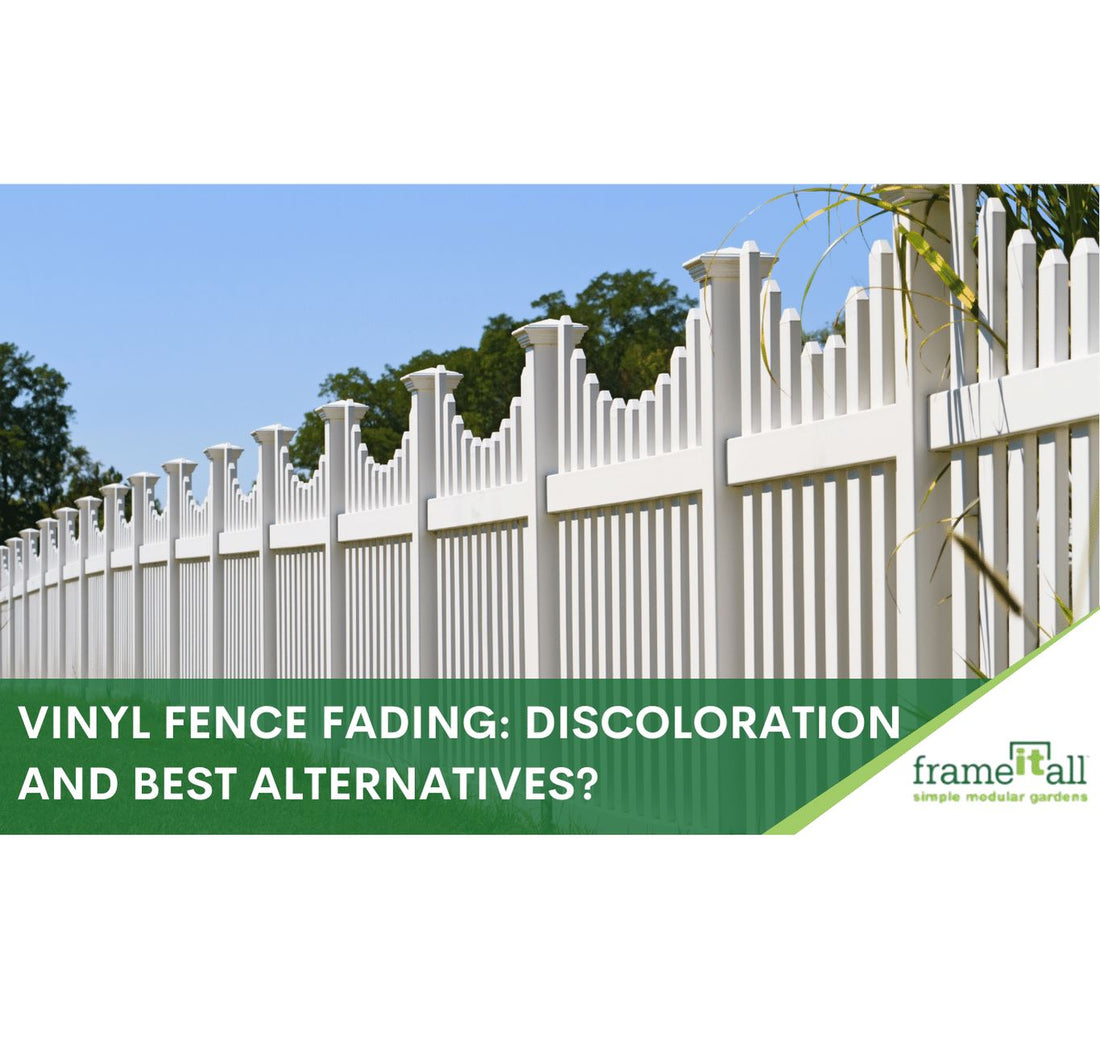
Nothing is more frustrating than watching your once-pristine fence lose its luster. That bright, clean look was a major reason you chose it, but now it appears tired and weathered. This process of vinyl fence fading is caused by more than just time; factors like sun exposure, pollution, and even the fence’s color play a significant role. The good news is that you aren’t stuck with a dull-looking fence forever. We’ll walk you through effective cleaning techniques, restoration methods, and what to look for in a new fence to ensure its color lasts for the long haul.
Vinyl fence fading is a common concern for homeowners seeking to maintain their property's curb appeal. While some degree of change is inevitable over time, understanding the causes and preventative measures can significantly extend your fence's appearance. For those contemplating alternatives, there are several other fencing options that offer unique benefits and aesthetics. This guide will help you navigate the choices, ensuring your fence stands the test of time and continues to enhance the beauty of your home, we hope you enjoy.
First Off, Why Do Homeowners Choose Vinyl Over Its Alternatives?
Vinyl is a type of plastic, specifically polyvinyl chloride (PVC), that offers multiple benefits over its alternatives like wood and metal fencing. Homeowners typically opt for a traditional wood fence because of one of the following reasons:
Low Maintenance: Vinyl fences require minimal upkeep. They do not need to be painted or stained and can be cleaned easily with soap and water. This makes them a convenient option for homeowners who do not want to spend a lot of time and money on fence maintenance.
Durability: Vinyl is a non-porous material that resists pests (like termites), rot, and decay. It doesn't absorb moisture, which means it won't blister, peel, or corrode. This longevity makes it a cost-effective choice over time.
Aesthetic Appeal: Vinyl products come in a variety of styles, colors, and finishes, which can mimic the look of traditional wood fencing or present a sleek, modern appearance. This versatility can contribute to the aesthetic appeal of a property and can also be a factor in increasing home value.
Should You Actually Be Concerned About Your Vinyl Fence Fading Or Is It A Myth?

Some fading is natural over time, especially with the constant sun exposure you'll get, particularly if you're based in Florida, Texas or South California. Most modern vinyl fences come with UV inhibitors to combat this.
Factors That Cause Fading and Discoloration
Several key factors contribute to why a vinyl fence might lose its color over time. Understanding them can help you choose the right fence and keep it looking its best for years to come.
Sun Exposure and UV Rays
The biggest reason for fading is consistent exposure to the sun. The sun's ultraviolet (UV) rays are powerful, and over time, they break down the chemical bonds in the PVC plastic. This process, known as photodegradation, causes the color to fade and can even make the material brittle. While most modern vinyl fences include UV inhibitors to slow this process down, the level of protection can vary depending on the quality of the product. A high-quality fence will have a better concentration of these protective chemicals, helping it withstand years of sun without significant color loss.
The Role of Fence Color
The color of your fence also plays a significant role in how quickly it fades. Darker colors, like deep grays or browns, absorb more sunlight and heat. This increased absorption of UV radiation accelerates the fading process. Lighter-colored fences, such as white, tan, or light gray, reflect more sunlight and stay cooler, which helps them retain their original color for much longer. If you live in an area with intense, year-round sun, opting for a lighter shade is a practical way to minimize fading and maintain your fence's appearance with less worry.
Environmental Factors like Pollution and Dust
It’s not just the sun you have to think about. Everyday environmental elements like dust, pollution, and grime can settle on your fence's surface. This layer of dirt can trap moisture and heat, and pollutants can contain chemicals that slowly degrade the vinyl. Over time, this buildup can make the fence appear dull and discolored. Even though vinyl is praised for being low-maintenance, it still benefits from an occasional cleaning. A simple wash with soap and water can remove this buildup, preventing long-term staining and helping the fence look fresh and vibrant. This is why even the best materials, like advanced composite fencing, require a basic cleaning schedule to look their best.
Common Concerns Around Ultraviolet Inhibitors
While UV inhibitors are beneficial for prolonging the life and appearance of vinyl products, there are a few considerations to keep in mind:
Cost: Fences with higher concentrations of UV inhibitors can be more expensive. The initial investment is higher compared to vinyl fencing without these additives.
Environmental Concerns: Some UV inhibitors may contain chemicals that are not environmentally friendly. It's important for consumers to consider the ecological impact of these additives and look for fences made with inhibitors that have a lower environmental impact.
Effectiveness Over Time: While UV inhibitors significantly slow down the fading process, they may not stop it entirely. Over many years, even with UV protection, some degree of fading can occur, especially in areas with intense sunlight.
Possible Chemical Degradation: In rare cases, certain chemical components of UV inhibitors might degrade over time, which can reduce their effectiveness and potentially affect the vinyl's quality.
Health and Safety: Although it’s not a common issue, there's always a concern about the potential health and safety effects of any chemical additives used in consumer products.
It’s essential to choose vinyl fencing from reputable manufacturers that use safe, effective, and environmentally responsible UV inhibitors to minimize any potential downsides.
Long-Term Issues with Vinyl Fencing
While vinyl fencing is celebrated for its low maintenance and durability, it's not without its long-term challenges. Understanding these potential issues from the start can help you set realistic expectations for your investment. Over the years, even the best vinyl can show signs of wear, and addressing these problems isn't always straightforward. From the natural aging process to the complexities of making repairs, knowing what lies ahead is key to managing your fence's appearance and function for decades to come. These factors are important to consider when weighing vinyl against other materials.
Expected Lifespan
A high-quality vinyl fence is built to last, with many manufacturers promising a lifespan of 20 to 30 years, or even longer. This impressive longevity is one of its main selling points, as it means you won't be replacing your fence every decade. However, this lifespan depends heavily on the quality of the material and the climate. In areas with intense sun or extreme weather fluctuations, the material can become brittle or degrade faster. While it resists rot and pests, its structural integrity and appearance are still subject to the effects of time and the environment, making initial quality a critical factor in how long it truly holds up.
Challenges with Repairs and Color Matching
One of the most significant long-term frustrations with vinyl fencing is making repairs. If a panel cracks or a post is damaged, finding a replacement piece is just the first step. The real challenge lies in color matching. Because your existing fence has been exposed to the sun, it will have faded, even if only slightly. A brand-new replacement part will likely be a noticeably different shade, creating a patchwork effect that can detract from your home's curb appeal. This makes it difficult to repair a fence seamlessly without replacing a much larger section than was originally damaged.
How to Maintain Your Vinyl Fence and Prevent Fading
The best way to keep your vinyl fence looking great is through proactive maintenance. While vinyl is known for being low-effort, a little attention goes a long way in preventing fading and discoloration. Simple, consistent care can protect your fence from the elements and preserve its color and finish for years. By incorporating a few easy tasks into your regular outdoor maintenance routine, you can significantly extend the life and beauty of your fence, ensuring it remains a crisp, clean border for your property. These preventative steps are far easier than trying to restore a fence that has already started to fade.
Proper Cleaning Techniques
Regular cleaning is your first line of defense against fading and grime. For most of the year, a simple rinse with a garden hose is enough to wash away dust, dirt, and pollen that can accumulate on the surface. For more stubborn spots, like mildew or grass stains, a solution of mild soap and water applied with a soft cloth or brush will do the trick. It's a good idea to clean your fence at least once a year to keep it looking its best and prevent buildup that can contribute to long-term discoloration.
Strategic Placement and Landscaping
Where you place your fence can have a big impact on how much it fades. If possible, installing sections in areas that receive partial shade can offer some protection from direct, harsh sunlight. You can also use strategic landscaping to your advantage. Planting trees or large shrubs near the fenceline can create natural shade, blocking some of the sun's most intense UV rays during the day. This not only helps preserve your fence's color but also adds another layer of beauty and privacy to your yard, making it a win-win solution.
How to Restore a Faded Vinyl Fence
If your vinyl fence has already started to lose its luster, don't worry—all is not lost. While you can't completely reverse the effects of years of sun exposure, there are effective methods to restore some of its original color and improve its overall appearance. These restoration techniques can breathe new life into a tired-looking fence, making it a feature you can be proud of again. Whether you opt for a fresh coat of paint or a protective sealant, taking action can make a significant difference and protect your fence from further degradation.
Applying Vinyl-Safe Paints or Stains
Painting a faded vinyl fence is a great way to give it a fresh, uniform look. However, you can't use just any paint. It's crucial to choose an epoxy-based paint or stain specifically formulated for vinyl or PVC. These products are designed to adhere to the non-porous surface of the plastic and expand and contract with temperature changes, preventing peeling and cracking. Before you begin, make sure the fence is thoroughly cleaned and dried to ensure the best possible adhesion and a smooth, long-lasting finish that revitalizes your fence's appearance.
Using UV-Resistant Coatings
Another effective restoration method is to apply a clear, UV-resistant coating. These protective sealants act like sunscreen for your fence, blocking harmful ultraviolet rays that cause fading and chalking. Applying a UV protectant can help restore some of the fence's sheen and will provide a crucial layer of defense against future sun damage. Some products are designed to be used on new fences to prevent fading from the start, but they can also be applied to older, faded fences after a thorough cleaning to help preserve what color remains and prevent it from getting worse.
What to Look for When Buying a Vinyl Fence
When you're in the market for a new fence, making an informed decision upfront can save you from headaches down the road. Not all vinyl fences are created equal, and the quality of the materials and the terms of the warranty can vary dramatically between manufacturers. Knowing what to look for will help you choose a product that not only looks great on day one but also stands up to the elements for years to come. Investing in a higher-quality product from the beginning is often the most cost-effective choice in the long run.
Material Quality and Durability
The key to a long-lasting, fade-resistant fence lies in its chemical makeup. Look for products that contain high concentrations of Titanium Dioxide (TiO2), which is a highly effective UV inhibitor that protects the vinyl from the sun. Additionally, quality vinyl will include impact modifiers to prevent it from becoming brittle and cracking in cold weather. Cheaper fences often skimp on these essential additives, leading to premature fading, chalking, and damage. Always ask the manufacturer about the specific ingredients used to ensure you're getting a durable, high-performance product.
Warranty and Professional Installation
A strong warranty is a clear sign that a manufacturer stands behind its product. Look for a comprehensive warranty that specifically covers fading and discoloration for a significant period. For comparison, our Cap Composite fencing includes an industry-leading 30-year warranty that covers fading, giving you peace of mind. Additionally, professional installation is crucial. An improperly installed fence can be more susceptible to damage and may even void the warranty. Ensuring your fence is installed correctly by experienced professionals will help it perform at its best and last for its full expected lifespan.
Your Best Alternatives to Vinyl Fencing
Composite Fencing - Your Best Eco-Friendly Option

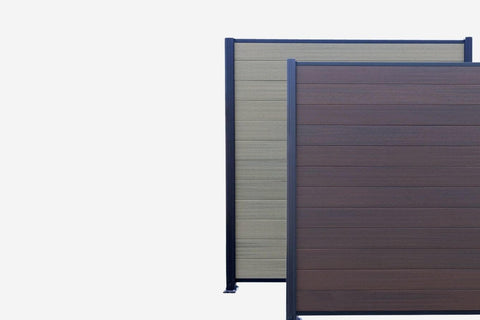
Vinyl fencing is incredibly popular - and for good reason. But we are starting to see more and more privacy fences going up that are made of composite materials. Composite is extremely durable, resistant to corrosion and has the eco-friendly benefits on the environment of using recycled plastics. Like vinyl, it requires very little upkeep to keep it looking great and will give your yard more of a premium feel. You also have a few different looks you can pick from including horizontal fencing or individual pickets.
Our innovations in the composite fencing space are something we're incredibly proud of here at Frame It All. If you're interested in getting a sample of composite fencing to see if it's right for you, check out our 360 Cap Composite Fencing today.
Learn more here: Why Homeowners Are Choosing Composite Over Vinyl Fencing
Other Alternatives
There are dozens - if not - hundreds of other fence materials for you to choose from, from wrought iron to rammed Earth. If you are looking for a vinyl fence (or a replacement), it's likely you're considering the different types of 6-foot privacy fences available. The most common options are wood and composite, but don't discount the live options out there hedges, bamboo and reed. These can really add a natural look to your home, whilst giving the privacy you're looking for.
If you want to make an eco-friendly choice: Read Our Best Eco-Friendly Fence Picks
Final Thoughts
Vinyl fences, when treated correctly, will be able to maintain their color well. While vinyl fences are an excellent, low-maintenance option for many homeowners, they're not the only option. Newer innovations are coming in every year and composite fencing is something you might not have considered yet!
Composite fences are made from wood fibers and recycled plastics. They take the benefits of vinyl and put it into a premium, eco-friendly alternative. Composite fencing is resistant to rot, able to withstand harsh weather, and does not require any painting or staining.
Interested? Contact us to get yourself a sample of 360 Cap Composite Fencing today!
FAQs About Vinyl Fences Fading
Does The Sun Cause Vinyl Fence Fade?
Most of the time, discoloration in white vinyl fences is caused by prolonged exposure to the sun's harmful ultraviolet (UV) rays. This fading over time due to long exposure to sunlight is common in many fence materials.
Can Fade Be Prevented?
Vinyl needs to be treated in order to prevent fade. Manufacturers use chemicals like titanium dioxide (TiO2) to make this happen. This feature, known as fade protection, helps vinyl maintain its original color for longer.
What Makes Vinyl Fences Turn Yellow?
A quality vinyl fence won't turn yellow over time due to sun exposure. Yellowing is often a sign of inferior products, so - whether you're choosing vinyl or an alternative - don't always go for the cheapest option and work with a reputable fence supplier to ensure quality.
How Much Upkeep Do Vinyl Fences Need?
Vinyl fences require low maintenance. Unlike wood fences that need regular paint jobs, vinyl fences merely need occasional washing with a garden hose to remove dirt and debris, keeping them looking fresh and clean.
Do Vinyl Fences Fade More Than Wood Fences?
Not necessarily. A high-quality vinyl fence with proper UV protection should not fade more than a wood fence. Both materials change over time due to sun exposure, but a well-made vinyl fence should resist fading better than wood.
Is Vinyl The Best Option For Fencing?
Choosing vinyl as your fencing option offers several long-term benefits. Besides its low-maintenance and high durability against harsh weather, vinyl fences come in a variety of colors and styles, making it a customizable choice for homeowners.
However, the best choice for you is very dependent on what you like and what you need. Check out our article on the Best Fence Material For You to gather more of an idea!
Can Vinyl Fences Be Repainted To Prevent Fading?
Unfortunately, painting a vinyl fence is usually not a good idea since the paint tends not to adhere well to the vinyl surface. Instead, focus on maintaining the surface clean.
How To Keep Your Vinyl Fence Looking Great?
Stay on top of the upkeep. Though it requires little maintenance compared to wood, cleaning it with a hose will help prolong its life and keep it looking good.
Key Takeaways
- Proactive care is your best defense: Sunlight is the main cause of fading, but you can protect your fence. Simple annual cleanings and smart landscaping that provides shade will go a long way in preserving its color.
- Invest in a quality product upfront: Not all vinyl is the same, so choose a fence from a reputable brand that includes UV-blocking additives and offers a strong warranty specifically covering discoloration.
- Look beyond vinyl for lasting color: For a modern, low-maintenance option with excellent fade resistance, consider composite fencing. It combines recycled materials to create a durable, premium fence that holds its color for years.