
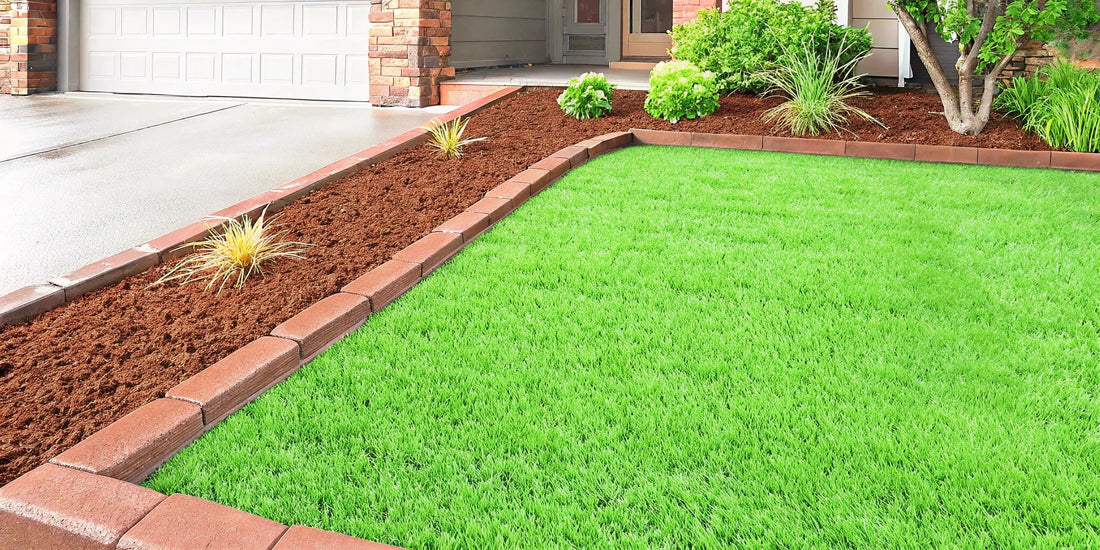
You don't need to hire a pro for a beautifully defined front yard. Installing landscape edging is one of the most satisfying DIY projects you can tackle in a weekend, adding instant structure and a clean finish to your garden beds. The key is choosing the right materials and a design that complements your home's style. This guide is packed with practical tips and creative landscape edging ideas. We’ll cover the most popular options for your front yard, helping you create a transformation you can proudly say you did yourself.
Key Takeaways
- Define Your Space for Looks and Less Work: Landscape edging creates a crisp, polished border that defines your garden beds, but it also acts as a practical barrier to keep grass out and mulch in, saving you time on weeding.
- Match Your Material to Your Home and Habits: Select an edging material that not only complements your home’s architectural style but also fits the amount of time you want to spend on future upkeep, whether that’s zero-maintenance composite or classic brick.
- A Flawless Finish Starts with Prep Work: To ensure your edging looks professional and stays put, always start by digging a level trench. This simple step prevents shifting and ensures proper water drainage, protecting your plants and your investment.
What is Landscape Edging (And Why Your Front Yard Needs It)?
If you’ve ever looked at your front yard and felt like something was missing, the answer might be simpler than you think. Landscape edging is the design secret that creates a clean, crisp border between your lawn and your garden beds. Think of it as the frame for your outdoor masterpiece. It’s a simple technique that adds structure and definition, instantly making your entire yard look more organized and intentional. Without it, grass can creep into your flower beds, and mulch can spill onto the lawn, creating a messy, undefined look.
But edging is about more than just appearances. It’s one of the most functional elements you can add to your landscape. A proper border acts as a barrier, preventing invasive grass and weeds from taking over your garden beds. This means less time spent on your knees pulling weeds and more time enjoying your beautiful flowers. It also keeps soil, mulch, and decorative stones contained, which is especially helpful during heavy rain. Plus, it creates a perfect guide for your lawnmower, protecting your plants from accidental trims and making yard work a little bit easier.
Ultimately, adding landscape edging is one of the fastest ways to improve your home’s curb appeal. It creates a polished, high-end look that naturally guides the eye and makes your landscaping pop. Whether you prefer a clean, straight line or a gentle, flowing curve, the right edging ties everything together. It’s a small project that delivers a huge visual impact, giving your front yard that professionally manicured feel you see in magazines and inspiring front yard lawn edging ideas.
The Functional Benefits of Edging
While the aesthetic payoff of a crisp, clean edge is undeniable, the real magic of landscape edging lies in its functionality. Think of it as the unsung hero of your front yard, working behind the scenes to make your life easier. A well-installed border is your first line of defense against migrating grass and stubborn weeds, creating a physical barrier that keeps your garden beds pristine. It also expertly contains mulch, soil, and decorative stones, preventing them from spilling onto your lawn or patio after a heavy downpour. This not only saves you cleanup time but also protects your investment in soil and mulch. Essentially, landscape edging does the hard work of maintaining boundaries so you can spend more time enjoying your beautiful, well-kept yard.
Prevent Soil Erosion
If your yard is prone to heavy rain, you’ve likely seen how easily water can wash away precious topsoil, leaving your plant roots exposed and your walkways a muddy mess. This is where edging becomes a crucial tool for garden health. By creating a solid border, edging acts as a mini retaining wall for your flower beds, which is why it’s so effective at stopping soil from washing away. This simple barrier holds everything in place, ensuring that nutrient-rich soil stays where your plants need it most. It prevents the slow, steady loss of your garden’s foundation and keeps your landscape looking neat and contained, no matter the weather. It’s a practical solution that protects both your plants and the clean lines of your yard design.
Support Different Ground Levels
For yards with slopes or terraced designs, landscape edging is absolutely essential. It provides the structural support needed to create and maintain different elevations without everything turning into one big, messy mound. It’s the secret to keeping materials like mulch or gravel in place and supporting soil when you have different ground levels. This function allows you to build raised beds or define a pathway on a gentle slope, confident that the materials will stay put. It’s the key to achieving a dynamic, multi-dimensional look that feels both intentional and professionally executed, ensuring your creative vision holds its shape for years to come.
Which Edging Material Is Right for Your Yard?
Choosing the right material for your landscape edging is the first big step, and it really comes down to your home’s style, your budget, and how much time you want to spend on upkeep. There’s no single “best” option—the perfect choice is the one that works for you and your yard. Some materials, like stone, offer a classic, natural feel that can last a lifetime. Others, like metal, provide a sleek, modern look that’s crisp and clean.
You’ll also want to think about installation. Are you planning a weekend DIY project, or will you be hiring a pro? Materials like flexible plastic or snap-together composite boards are incredibly user-friendly, while laying a perfect brick border requires a bit more patience and precision. Let’s walk through the most popular choices so you can find the perfect fit for your front yard.
Key Factors to Consider Before You Buy
Before you get too attached to a specific look, let’s quickly run through a few practical questions. Thinking about your climate and the job you need your edging to do will help you narrow down the options and ensure you invest in a solution that will last for years. A little planning now saves a lot of headaches later, and it’s the key to choosing an edging material that you’ll be happy with season after season.
Your Local Climate
Your local weather plays a surprisingly big role in how different edging materials perform over time. If you live in an area with harsh winters, the constant cycle of freezing and thawing can cause materials like concrete or certain plastics to crack and shift. In consistently damp or humid regions, untreated wood can be prone to rot and insect damage, requiring frequent replacement. It’s important to choose a material that can stand up to your specific environmental challenges. This is where modern materials really shine; composite edging, for instance, is designed to resist rot, warping, and cracking, making it a reliable choice for virtually any climate.
The Required Height and Function
Beyond aesthetics, consider what you need your edging to accomplish. Are you simply creating a neat line between your lawn and a paved walkway? A low-profile or flush edging might be all you need. However, if your goal is to contain a thick layer of mulch in a garden bed or build up a raised planting area, you’ll need something taller and more substantial. The height of your edging directly impacts its ability to hold back soil and other materials. Thinking about its primary function will help you decide if you need a decorative border or a structural workhorse that can handle a bit more pressure.
The Natural Look of Composite & Wood
Think of composite as the best of both worlds: it gives you the warm, classic look of wood without the maintenance headaches. Made from a mix of recycled plastic and wood fibers, composite landscape edging won’t rot, warp, or splinter like traditional wood. It stands up to rain, sun, and snow, so you can set it and forget it. This makes it a fantastic long-term investment for a polished look that lasts. While natural wood is beautiful, it does require regular sealing or staining to prevent decay and will eventually need to be replaced.
Classic and Durable: Stone & Brick
For a timeless and durable border, you can’t go wrong with stone or brick. Natural stone edging provides an organic, textured look that blends beautifully into any landscape, whether you’re creating a rustic border for a flower bed or a simple edge along a walkway. Brick offers a more traditional and structured feel, perfect for complementing classic or cottage-style homes. You can lay bricks in various patterns—from simple straight lines to intricate designs—giving you plenty of creative freedom to define your garden spaces. Both materials are incredibly long-lasting and add a sense of permanence to your yard.
Sleek and Modern Metal Edging
If you’re aiming for a clean, contemporary vibe, metal edging is an excellent choice. It’s known for creating sharp, precise lines that give your landscape a professionally manicured appearance. One popular option is Corten steel, which develops a stable, rust-like patina over time that protects the metal and adds a warm, industrial-chic color to your garden. For a more subtle look, thin steel or aluminum edging creates a nearly invisible barrier between your lawn and garden beds. It’s strong, durable, and flexible enough to form smooth, gentle curves.
Flexible and Budget-Friendly: Plastic & Rubber
When it comes to budget-friendly and easy-to-install options, plastic and rubber are at the top of the list. These materials are incredibly flexible, making them ideal for creating sweeping curves around trees or winding garden beds. Most plastic and rubber edging comes in long rolls that you simply unspool and secure with stakes, making it a perfect project for a DIY beginner. It’s also highly durable and won’t crack or chip in extreme weather. While it may not have the high-end look of stone or metal, it’s a practical and effective way to create a neat, tidy border in your yard.
Creative Landscape Edging Ideas for Your Front Yard
Once you’ve settled on a material, it’s time for the fun part: the design. Your landscape edging is a chance to get creative and define the personality of your front yard. It can be a subtle finishing touch or a bold statement piece. Think of it as the frame for your outdoor masterpiece. Whether you prefer a look that’s clean and modern or soft and natural, there’s an edging style that will bring your vision to life and make your home stand out.
Create Clean, Straight Lines
There’s something so satisfying about a perfectly straight line. Using crisp, linear edging along your flower beds, walkways, and driveway creates a sense of order and sophistication. This technique clearly separates your lawn from other garden areas, which not only looks sharp but also helps keep grass from creeping into your mulch or flower beds. If your home has a modern, traditional, or formal architectural style, straight lines will complement it beautifully. You can achieve this polished look with durable landscape edging that snaps together easily, giving you a professional-looking border without the hassle.
Design Gentle, Flowing Curves
If you want to create a more relaxed and natural feel, consider incorporating gentle curves into your landscape design. Sweeping, curved borders can soften the hard angles of your home and driveway, creating a welcoming flow that guides the eye through your yard. This approach is perfect for cottage gardens, rustic landscapes, or any design that aims for a less formal, more organic look. Flexible composite edging is ideal for this, as it allows you to create smooth, curved designs with ease. It’s a simple way to add movement and grace to your front yard.
Add Dimension with Raised Garden Beds
Why not let your edging do double duty? Using a raised garden bed as the border for a front yard garden is a brilliant way to add height and dimension. This instantly turns a flat garden area into a stunning focal point. Raised beds bring structure and definition to your space while making planting and maintenance much easier on your back. You can even opt for a tiered design for more visual interest. This is an especially great solution for homes with sloped yards or for gardeners who want to ensure excellent drainage for their plants.
Show Off Your Style with Decorative Edging
Your edging doesn’t have to just be a simple border—it can be a decorative element in its own right. Think beyond basic dividers and choose a material or style that adds texture, color, and personality to your landscape. You can find edging in a variety of finishes, from classic wood grain to modern metal. For a custom look, consider combining materials. For example, you could frame a garden bed with sleek metal edging and then fill the surrounding area with decorative river rock. This is your chance to express your personal style and make your front yard uniquely yours.
Use Natural and Rustic Materials
If your home has a rustic, cottage, or naturalistic style, using materials straight from nature can create a beautifully cohesive look. This approach is all about embracing organic textures and imperfect shapes to create a border that feels like it’s always been part of the landscape. Natural materials like wood and stone blend seamlessly into the environment, providing a soft, understated definition that enhances your garden without overpowering it. They add a touch of timeless charm and can often be sourced locally, making them a sustainable choice for your front yard.
Log and Woven Willow Borders
For a truly rustic feel, look no further than wood. If you have access to fallen branches or logs, you can cut them into uniform lengths and set them vertically into the soil to create a charming palisade-style border. Alternatively, laying logs horizontally provides a simple, sturdy edge that’s perfect for containing mulch in a woodland garden. Another beautiful option is woven willow, also known as wattle fencing. This traditional technique creates a lovely, textured border that adds a touch of English cottage charm. These natural edging ideas are perfect for DIYers who enjoy working with organic materials.
Gabion Walls and Rock Trenches
Stone is a classic choice for a reason: it’s durable, natural, and incredibly versatile. For a modern twist on a rustic material, consider a gabion wall—a wire cage filled with rocks—to create a unique and textured border. On a simpler scale, you can create a beautiful edge by stacking large, flat stones to form a low, mortar-free wall. This dry-stack method allows for drainage and creates a natural habitat for beneficial insects. Another easy and effective idea is to dig a shallow trench and fill it with decorative river rocks or pebbles, creating a clean and practical border that defines the space beautifully.
Create a Living Border with Plants
Why not use plants to define your garden beds? A living border, also known as soft edging, uses a neat row of low-growing plants to create a natural, lush boundary between your lawn and garden. This approach softens the hard lines in your landscape, adding color, texture, and life. It’s a fantastic way to create a cohesive design that evolves with the seasons. Choosing the right plants is key—you’ll want something that stays compact, is easy to maintain, and complements the rest of your garden’s style.
Low-Growing Shrubs and Grasses
For a formal, classic look, nothing beats a tidy hedge of low-growing boxwood. Its dense, evergreen foliage provides a crisp, green line year-round. If you prefer a more relaxed and modern feel, consider planting a row of ornamental grasses like Blue Fescue or Mondo Grass. Their fine texture and gentle movement add a soft, graceful touch to the garden’s edge. You can also use flowering perennials like lavender, catmint, or creeping phlox to create a border that bursts with color and attracts pollinators. A living border requires a bit more upkeep than hardscaping, but the beautiful, natural result is well worth it.
Get Creative with Recycled Materials
If you love a good DIY project and want to add a truly unique touch to your yard, look no further than recycled materials. Upcycling items into landscape edging is not only an eco-friendly choice but also a fantastic way to inject personality and creativity into your garden design. It’s a chance to turn everyday objects into a one-of-a-kind feature that tells a story. From colorful glass to salvaged metal, the possibilities are limited only by your imagination. This approach is perfect for eclectic, artistic, or cottage-style gardens.
Glass Bottle Edging
For a whimsical and colorful border, try using recycled glass bottles. Simply collect bottles in your favorite colors—cobalt blue, emerald green, and amber brown look especially striking in the sunlight—and bury them neck-down in the soil, leaving the rounded bottoms exposed. You can arrange them in a straight line or a gentle curve to create a sparkling, jewel-like edge for your flower beds. It’s an incredibly budget-friendly and environmentally conscious way to create a border that’s guaranteed to be a conversation starter. Plus, it’s a fun project that adds a splash of color and personality to your front yard.
Incorporate Decorative Double Edging and Lighting
To give your front yard a truly high-end, custom look, consider layering your materials or adding landscape lighting. Double edging involves using two different types of borders side-by-side to create depth and texture. For example, you could install a crisp, straight line of our composite edging and then lay a wider band of decorative river rock or black mulch alongside it. This technique adds a professional, finished touch that makes your landscape design feel more intentional. To enhance your hard work, install low-voltage landscape lighting along your borders. Uplighting a raised bed or illuminating a walkway not only adds stunning visual appeal at night but also improves safety and security.
How Edging Instantly Improves Your Curb Appeal
Think of landscape edging as the picture frame for your front yard. Without it, the view can feel a bit messy and unfinished. Edging creates a crisp, clean separation between your lawn and other areas like flower beds, walkways, or driveways. This simple definition is what gives your yard a polished, organized appearance, making everything look more intentional and well-maintained. It’s one of the easiest ways to make a big impact on how your home looks from the street.
Beyond just looking good, edging is a workhorse for your garden. It creates a barrier that keeps mulch in your flower beds and prevents grass from creeping in where it doesn’t belong. This means less time spent weeding and re-spreading mulch throughout the season. High-quality landscape edging also helps contain soil and can even guide visitors along a pathway. This underlying tidiness is a key component of great curb appeal, as it signals that a home is cared for.
Edging is also incredibly versatile, allowing you to bring your unique design vision to life. You can use it to create the clean, straight lines of a formal garden or the gentle, flowing curves of a more natural-looking landscape. It’s perfect for creating a distinct border around a tree, defining a vegetable patch, or sectioning off a special garden feature. By using edging to structure your outdoor space, you add a layer of design that makes your entire front yard more attractive and welcoming.
Your Guide to DIY Edging on a Budget
Creating a beautiful, polished look for your garden beds and walkways doesn’t have to be a huge expense. With a bit of planning and some clever material choices, you can install landscape edging yourself and get professional-looking results. A crisp border makes your entire yard look more intentional and put-together, defining spaces and keeping mulch where it belongs. Whether you have a weekend to spare or just a few hours, these DIY-friendly ideas will help you get the job done without draining your wallet.
The key is to find the right balance between cost, appearance, and the amount of work you’re willing to put in. From simple, natural borders to easy-to-install kits, there’s a solution for every skill level and budget. Let’s walk through some practical tips to get you started.
Simple Steps for Easy Installation
A successful DIY project starts with a good plan. Before you even think about buying materials, lay out your design. You can use a garden hose or rope to create curves and see how they flow, or use stakes and string for perfectly straight lines. This simple step helps you visualize the final result and measure exactly how much material you’ll need.
When choosing your material, think about your climate and how much time you want to spend on installation. If you live somewhere with harsh winters, you’ll want something that can handle the freeze-thaw cycle. For an incredibly straightforward project, consider a modular system. Our composite landscape edging uses a snap-lock system that makes installation fast and simple, without needing a lot of special tools.
Finding Smart, Low-Cost Materials
You can find great edging materials without spending a lot of money. For a rustic, earthy vibe, look for natural stones. You might even be able to find suitable rocks right in your own yard. Scouring local online marketplaces for leftover bricks or pavers from a neighbor's project is another fantastic way to find high-quality materials for less.
Recycled rubber edging is another excellent, budget-friendly option. It’s flexible, durable, and incredibly easy to install, especially around curves. It often comes in long rolls that you simply unroll into a shallow trench. Another idea that costs nothing but a little effort is a classic spade-cut edge. This involves using a flat-edged spade to dig a clean trench between your lawn and garden bed, creating a neat, natural-looking border.
Free Edging Solutions
The most budget-friendly option is one that costs nothing but your time and a bit of effort: the classic hand-dug edge. Also known as a Victorian trench or spade-cut edge, this technique involves using a sharp, flat-edged spade to cut a clean line between your lawn and garden bed. You simply slice into the turf along your desired border and remove a few inches of sod and soil to create a mini-trench. This creates a crisp, natural-looking definition that is surprisingly effective at keeping grass from creeping into your mulch. While it looks fantastic, keep in mind that this method requires upkeep; you’ll likely need to re-define the edge once or twice a year to keep it looking sharp.
Almost-Free and Upcycled Options
If you’re willing to get a little creative, you can find edging materials all around you. Upcycling is a fantastic way to add unique character to your yard while keeping materials out of the landfill. Have you recently trimmed a tree? Use the logs or large branches to create a rustic, natural border that will last for several years. You can also collect glass bottles and place them neck-down in the soil for a colorful, eclectic edge that sparkles in the sun. These upcycled garden ideas give your landscape a personal touch that you can’t buy in a store, turning everyday objects into a charming and functional feature for your front yard.
The Only Tools You'll Need for the Job
You don’t need a shed full of expensive equipment to install landscape edging. For most DIY projects, a few basic tools will do the trick. Having the right gear on hand not only makes the job easier but also ensures you can do it safely.
At a minimum, you’ll want a sturdy pair of gardening gloves, a round-point shovel or a flat-edged spade for digging a trench, and a rubber mallet to gently tap your edging into place. A small trowel is also helpful for fine-tuning the trench. To make sure your lines are straight and even, a tape measure and a level are your best friends. With these simple tools, you’ll be well-equipped to tackle your project and create a clean, defined edge for your garden.
Common Edging Mistakes (And How to Avoid Them)
Putting in new landscape edging is an exciting project, but a few common missteps can turn your dream yard into a bit of a headache. The good news is that these mistakes are easy to avoid once you know what to look for. By sidestepping these common pitfalls, you can ensure your edging not only looks fantastic but also functions perfectly for years to come.
Think of it this way: a little planning upfront saves you a ton of work later. From picking the right materials for your climate to installing them at the correct depth, getting the details right is what separates a professional-looking yard from a DIY project that needs redoing next season. We've all seen it: edging that's heaved up after a frost, borders that have rotted away, or garden beds that turn into ponds after a heavy rain. These issues aren't just frustrating; they can harm your plants and detract from your home's curb appeal. Let’s walk through the three biggest mistakes people make with landscape edging and, more importantly, how you can get it right the first time.
Mistake #1: Picking the Wrong Material
It’s easy to get swept up in the look of a material without considering its long-term performance. A classic mistake is using traditional wood edging in a damp or rainy climate, which almost guarantees it will rot and fall apart within a few seasons. Similarly, some materials might look great at the store but clash with your home’s style once installed. The key is to find a balance between aesthetics and durability. That’s why composite landscape edging is such a great option—it gives you the classic look of wood without any of the maintenance headaches or worries about rot.
Mistake #2: Ignoring Depth and Drainage
One of the most overlooked aspects of edging installation is getting the depth just right. If your edging is too shallow, it can shift, heave, or get knocked out of place by a lawnmower. But if it’s installed improperly, it can act like a dam, preventing water from draining away from your garden beds. This can lead to root rot and other issues for your plants. Before you install, make sure your design allows for proper garden drainage to keep your plants healthy. A good rule of thumb is to bury about one-third of the edging height to keep it stable while ensuring water can still flow where it needs to.
Mistake #3: Forgetting About Maintenance
When you’re planning your project, it’s important to think about the future. Some edging materials require a lot of upkeep to stay looking good. Wood needs to be stained or sealed regularly, some metals can rust, and individual pavers can shift and become a tripping hazard. Choosing a low-maintenance material from the start means you can spend more time enjoying your yard and less time working on it. Materials like composite boards or high-quality metal are designed to withstand the elements without needing constant attention, making them a smart, long-term investment for your landscape.
How to Match Edging to Your Home's Style
Choosing the right landscape edging is about more than just picking a material you like; it’s about creating a cohesive look that makes your entire property feel polished and intentional. The best edging choice will look like it was always meant to be there, seamlessly connecting your garden beds, lawn, and walkways to your home. Think of it as the frame for your outdoor masterpiece—it should enhance the picture, not distract from it. When done right, edging creates a satisfying sense of order and completeness that instantly makes your front yard look more put-together.
To get this right, you need to consider two main things: your home’s architectural style and your existing landscape. A sleek, modern home might look out of place with rustic, uneven stone edging, just as a charming country cottage might be mismatched with sharp, industrial steel. It’s all about harmony. By taking a few moments to assess your home’s character and your yard’s layout, you can select a landscape edging that truly improves your curb appeal and ties everything together beautifully. Let’s break down how to make the perfect choice for your space.
Complement Your Home's Architecture
The first step is to look at your house. What materials, colors, and overall style do you see? Your edging should echo these elements. For a modern home with clean lines and a neutral color palette, a minimalist black metal or a straight-edged composite border works perfectly. If you live in a classic brick colonial, continuing that look with brick pavers for your edging creates a timeless, unified feel. For rustic or cottage-style homes, materials that feel more natural, like stone or wood-look composites, will blend in beautifully. The goal is to choose a style that feels like a natural extension of your home’s design.
Work With Your Existing Landscape
Next, consider how the edging will interact with your current yard. Edging is fantastic for creating crisp, defined lines between your lawn and other features like flower beds, gravel paths, or a patio. Walk through your yard and think about the flow. Do you want to create gentle, sweeping curves to soften the landscape, or do you need strong, straight lines to define a formal garden bed? The right edging not only adds visual structure but also serves a practical purpose by keeping mulch in place, preventing grass from creeping into your garden, and making lawn maintenance much easier.
How to Get a Professional-Looking Finish
You’ve picked your materials and have a design in mind—now it’s time for the fun part. A successful installation is all about the prep work. Taking a little extra time before you lay down your edging will pay off with a clean, professional look that lasts for years. Think of it as building a solid foundation. When you get the groundwork right, the rest of the project snaps into place beautifully, and you’ll spend less time on fixes and more time admiring your handiwork.
These tips will help you get a polished finish, whether you’re a seasoned DIYer or tackling your first landscaping project. We’ll cover how to prepare the ground correctly and how to think ahead about maintenance so your new curb appeal stays fresh season after season. With the right approach, you can avoid common pitfalls and ensure your edging looks like it was installed by a pro.
Prep the Ground Like a Pro
Before you even think about placing your first piece of edging, you need to prepare the soil. Start by clearing the planned path of any grass, weeds, rocks, or debris. Next, use a spade or trenching tool to dig a shallow trench, about two to three inches deep, where the edging will sit. This simple step ensures the border sits securely in the ground and won't shift over time.
As you dig, pay attention to leveling the base of the trench. A level foundation prevents a wavy, uneven finish. It’s also the perfect time to think about water flow. Improperly installed edging can block drainage and cause water to pool in your garden beds. Make sure your design allows water to flow properly, protecting your plants from root rot and keeping your yard healthy.
Create a Simple Maintenance Plan
The best maintenance plan starts before you even install your edging. By choosing the right materials for your yard’s specific needs, you’re setting yourself up for success. One of the most critical mistakes is selecting a material that isn’t suited for your climate. If you live in an area with harsh winters or intense sun, you’ll want something that can stand up to the elements without cracking, warping, or fading.
Frame It All’s composite landscape edging is a fantastic low-maintenance option because it’s designed to resist rot and weather damage. Once it’s installed, your main task is simply to enjoy it. A quick check each spring to ensure everything is still snug and in place is all you’ll need to keep your front yard looking sharp.
Related Articles
- What Is The Best Landscape Edging Material & How Should I Install It?
- 12 Creative DIY Landscape Edging Ideas
- 15 Stunning Raised Garden Edging Ideas
- The Ultimate Guide to Above Ground Landscape Edging
Frequently Asked Questions
How deep should I install my landscape edging? A good rule of thumb is to bury about one-third of the edging's total height into the ground. This ensures it's stable enough to stay put and won't get knocked out of place by a lawnmower or foot traffic. Digging a small trench first is the key to getting a secure, level installation that looks professional.
What's the best low-maintenance edging material? If you want a "set it and forget it" solution, composite is your best bet. It gives you the beautiful, classic look of wood but won't rot, warp, or splinter over time. Unlike natural wood that needs regular sealing, composite is designed to stand up to the elements for years without any extra work from you.
Will landscape edging really stop grass from spreading into my garden beds? Yes, it absolutely will. A properly installed border acts as a physical root barrier, preventing grass and weeds from creeping into your flower beds or mulch. This is one of its most practical benefits, as it saves you a ton of time on weeding and helps keep your garden looking neat and tidy.
Is it difficult to create curved designs with landscape edging? Not at all, as long as you choose a flexible material. Materials like composite or rubber are specifically designed to bend into smooth, gentle curves. A great tip is to lay a garden hose on the ground first to map out the exact shape you want. Once you're happy with the flow, you can use it as a guide for your installation.
Can I install edging on a sloped or uneven yard? You certainly can, it just requires a little extra planning. The best approach is to create a terraced or stepped effect. Start at the lowest point and work your way up, using a level to ensure each section is straight. This method prevents soil and mulch from washing downhill and creates a clean, structured look on uneven ground.