
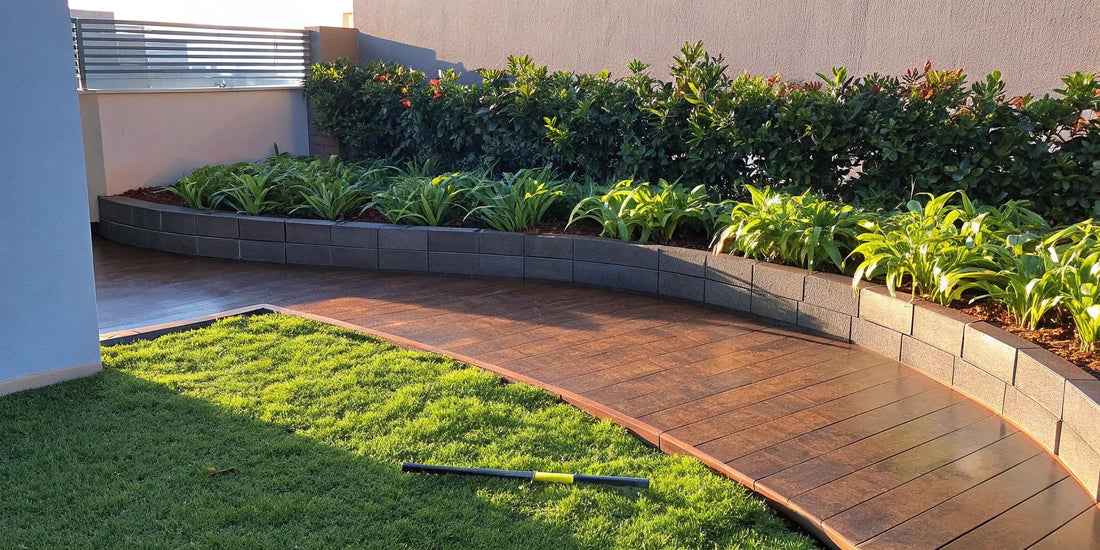
Is your grass constantly creeping into the flower beds? Does your mulch wash away after every heavy rain? A tidy yard with crisp, clean lines can feel impossible when everything just blends together. The fix is simpler than you think. Installing above ground landscape edging is one of the fastest ways to bring a sense of order to your outdoor space. It acts as a picture frame for your garden, creating a clear separation between your lawn, pathways, and beds. This guide covers everything you need to know, from choosing the right material to installation, so you can get that polished, professional look on your own.
Key Takeaways
- Match Your Material to Your Yard and Lifestyle: Select an edging material that not only complements your garden's style but also stands up to your local climate and requires a level of upkeep you're comfortable with.
- A Successful Project Starts with a Clean Slate: Before installing, take the time to clear the area of debris, level the ground, and accurately measure your layout. This foundational work is crucial for a stable and professional-looking result.
- Edging Creates Structure and Simplifies Maintenance: Use edging strategically to define garden beds, outline walkways, and contain mulch around trees. This creates a polished look while making tasks like mowing and weeding much easier.
What Is Above Ground Landscape Edging?
Think of above ground landscape edging as the picture frame for your garden. It’s a border designed to sit on top of the soil, creating a crisp, defined line between different parts of your yard. Whether you want to separate your lush lawn from a vibrant flower bed, contain the mulch around your trees, or outline a gravel pathway, this is the tool that gets the job done. It brings a sense of order and intention to your outdoor space, transforming a simple yard into a polished landscape.
More than just a decorative touch, this type of edging serves a practical purpose by creating a physical barrier. This helps keep everything in its place, from soil and mulch to wandering grass roots. Because it’s installed on the surface, it’s often much easier to work with than in-ground options, making it a fantastic choice for weekend DIY projects. With the right landscape edging, you can add structure, color, and texture to your garden design, all while making your yard easier to maintain. It’s one of the simplest ways to give your entire property a clean, professional look without hiring a crew.
Why Your Garden Needs Landscape Edging
So, why bother putting a border around your garden beds? Landscape edging is one of those small details that makes a huge difference in both the look and health of your yard. Its primary job is to create a barrier that stops grass from creeping into your flower beds and keeps mulch or soil from washing away during heavy rain. This separation is key to maintaining a tidy garden and reducing your weeding time. By creating a clean edge, it also makes mowing and trimming much easier, as you have a clear line to follow. It’s a simple, practical solution for a neater, more organized outdoor space.
Above Ground vs. In-Ground: What's the Difference?
When choosing edging, you’ll see two main types: above ground and in-ground. The biggest difference is installation. In-ground edging requires you to dig a trench to bury the material, creating a subtle, often flush line with the ground. Above ground edging, on the other hand, sits on the surface and is typically secured with stakes. This "no-dig" approach makes it much faster and easier to install, which is why it’s a favorite for DIY gardeners. Because it’s more visible, above ground edging also becomes a design element, allowing you to add style and dimension to your yard with different materials and heights. It’s a flexible option you can easily reconfigure with our Garden Builder Kits.
Your Guide to Landscape Edging Materials
Choosing the right material for your landscape edging comes down to three things: your style, your budget, and how much time you want to spend on upkeep. Each option has its own personality and practical benefits. Let's walk through the most popular choices so you can find the perfect fit for your yard.
Composite: The Low-Maintenance Choice
If you love the look of wood but not the maintenance, composite edging is your answer. Made from a blend of recycled plastic and wood fibers, it’s designed to stand up to the elements without rotting, warping, or fading. This material gives you a clean, polished look that blends beautifully into any garden setting. Because it’s so durable and long-lasting, you can install it and forget about it for years. It’s a fantastic choice for creating defined borders around garden beds or walkways, offering both flexibility for curves and rigidity for straight lines. Frame It All’s landscape edging kits use this technology to make installation a simple, tool-free project.
Metal: For a Sleek, Modern Look
For a sleek, modern, and almost invisible border, metal is an excellent choice. Steel and aluminum edging create crisp, clean lines that are perfect for contemporary landscape designs. It’s incredibly strong, so it does a great job of holding back soil, mulch, and gravel without budging. While some types, like Corten steel, are designed to develop a protective, rustic patina of rust over time, most modern metal garden products are powder-coated to resist corrosion. Metal is a durable, long-term solution that provides a sharp, professional finish to any garden or pathway.
Plastic: The Budget-Friendly Option
Plastic edging is one of the most common and budget-friendly options you'll find. It’s lightweight, incredibly flexible, and very easy to install, making it a go-to for DIY projects with lots of curves. You can find it in simple no-dig styles or more decorative scalloped designs. While it’s a great starting point, keep in mind that plastic can become brittle and crack after years of sun exposure. It also may not provide the sturdy barrier needed to contain heavier materials like rocks. For a quick and affordable fix, however, it’s a popular choice for homeowners.
Stone and Concrete: Built to Last
For a permanent and classic look, nothing beats stone or concrete. Materials like pavers, bricks, and natural stone create a substantial, timeless border that adds texture and structure to your landscape. This is a heavy-duty option that will last for decades with virtually no maintenance. The trade-off is the installation—setting stones or pouring concrete is labor-intensive and typically more expensive than other materials. However, if you want a strong, permanent edge that can also function as a small retaining wall or mowing strip, the effort can be well worth it.
Wood: For a Natural, Rustic Feel
Wood offers a natural, rustic charm that complements gardens perfectly. From simple cedar planks to chunky railroad ties, wood edging can be adapted to fit both traditional and informal landscape styles. It’s relatively easy to work with and can create beautiful, organic lines. The biggest challenge with wood is its vulnerability to the elements. Untreated wood will eventually rot and attract insects, requiring replacement every few years. You can opt for pressure-treated lumber to extend its life, but it’s important to choose wood that’s safe for garden use, especially around edible plants.
Rubber: A Flexible and Affordable Option
If you're looking for a flexible and eco-conscious choice, rubber edging is worth considering. Often made from recycled tires, it’s a great way to repurpose materials while defining your garden beds. Its biggest advantage is its pliability, which makes it perfect for creating smooth, sweeping curves around flower beds or trees without any special tools. Rubber edging is also quite affordable and simple to install, usually just requiring you to unroll it and secure it with stakes. However, it's good to know that it might not hold up as well in areas with intense, direct sunlight, as it can become brittle over time. For a quick, budget-friendly project with lots of curves, it’s a solid contender.
Natural Edging: Using Rocks and Mulch
For a border that feels like it’s always been part of your landscape, you can’t beat natural edging. This approach uses materials like fieldstones, river rocks, or even a deep channel of mulch to create a soft, organic boundary. This style is all about blending in, creating a seamless transition from your lawn to your garden beds. You can use landscaping rocks or a thick layer of mulch to define the space in a way that complements your plants and the natural feel of your yard. While it may not provide the rigid barrier of other materials and might require some occasional tidying to keep the line crisp, it’s an incredibly cost-effective and beautiful way to bring a relaxed, harmonious look to your garden.
How Do I Choose the Right Landscape Edging?
Picking the right landscape edging can feel like a big decision, but it doesn’t have to be complicated. The best choice for your yard will strike a perfect balance between your personal style, your local climate, how much time you want to spend on upkeep, and your budget. Think of it as choosing a picture frame for your garden—it should enhance the beauty of what’s inside without creating extra work for you. By considering these key factors, you can confidently select an edging that not only looks great on day one but continues to perform beautifully for years to come. Let’s walk through what you need to think about to find the perfect fit for your outdoor space.
Match Your Garden's Style
Your landscape edging is a finishing touch that should complement the overall aesthetic of your home and garden. Are you aiming for a clean, modern look? Sleek metal edging can create crisp, almost invisible lines that define spaces without drawing too much attention. If your style is more rustic or traditional, the warm tones of wood or the natural texture of stone might be a better fit.
For a versatile option that works with almost any design, consider composite edging. It can mimic the look of wood while offering the flexibility to create both straight and curved designs. The key is to choose a material that feels like a natural extension of your existing landscape, tying everything together for a polished, intentional look.
Consider Durability and Your Climate
Your edging will be exposed to sun, rain, and everything in between, so durability is a must. Materials react differently to the elements. Traditional wood, while beautiful, can rot, warp, or attract pests over time, especially in damp climates. Some metals can rust, and lower-quality plastic can become brittle and crack after a few seasons of intense sun or freezing temperatures.
This is where modern materials really shine. Our composite landscape edging is designed to withstand the elements without breaking down. Made from a blend of recycled plastic and sustainable hardwood fibers, it resists rot and won't lose its shape, giving you a reliable border that lasts year after year. Always consider your local weather patterns when making your choice to ensure you invest in a product built to endure.
Think About Long-Term Upkeep
Let’s be honest—most of us want to spend more time enjoying our gardens and less time maintaining them. Before you buy, think about the upkeep required. Wood edging often needs to be re-stained or sealed every couple of years to protect it from moisture and sun damage. Metal edging might require sanding and repainting if rust appears.
To keep things simple, look for low-maintenance materials. Composite edging, for example, requires little more than an occasional rinse with a hose to look its best. No matter what material you choose, proper site preparation is crucial for reducing future headaches. Taking the time to clear the area of debris and level the ground will ensure a stable installation that stays put.
Find the Best Edging for Your Budget
While it’s tempting to go for the cheapest option on the shelf, it’s important to think about long-term value. That inexpensive plastic edging might save you money upfront, but if you have to replace it every two or three years, it can end up costing you more in both money and time. Investing in a higher-quality, more durable material from the start is often the more economical choice.
Think of your edging as an investment in your home’s curb appeal. Materials like composite, metal, and stone have a higher initial cost but pay for themselves over time with their longevity and minimal maintenance needs. Explore different garden builder kits to compare costs and find a solution that provides the best return for your hard-earned money.
Comparing Materials: Cost vs. Installation Difficulty
When you’re weighing your options, you’ll find a clear trade-off between cost and installation effort. Plastic edging is the most affordable and is typically a simple, no-dig project you can finish in an afternoon. On the other end of the spectrum, stone and concrete offer a permanent, high-end look, but the installation is labor-intensive and often requires professional help, driving up the cost. As noted in our guide to landscape edging materials, "setting stones or pouring concrete is labor-intensive and typically more expensive than other materials." Wood and metal fall in the middle, with moderate costs and installation that can range from easy to challenging depending on your design. For a sweet spot of affordability and ease, composite landscape edging is a fantastic choice, offering a durable, premium look with a simple, tool-free installation that saves you time and effort.
Keeping Animals Out of Your Garden
A well-defined border does more than just look good—it can also be your first line of defense against unwanted garden guests. While a simple low-profile edge won't stop a determined deer, it can help deter smaller pests and create a clear barrier that makes your garden less inviting. For burrowing animals or persistent rabbits, a taller and more solid edging is necessary. You can even find specialized garden fence edging designed specifically to keep small critters out. If you’re dealing with larger animals, you may need to combine your edging with other solutions. For a truly protected space, consider an all-in-one system like our Animal Barrier Gardens, which integrate fencing with a raised bed for maximum protection against everything from rabbits to deer.
Choosing the Right Height for Your Plants
The height of your edging is a crucial detail that impacts both function and style. Functionally, it needs to be tall enough to contain your mulch, soil, or gravel without it spilling over. A simple one-inch border won’t hold back a three-inch layer of mulch. Aesthetically, you want to strike a balance. As the experts at Ace Hardware advise, you should "think about how tall the edging should be so it doesn't hide your flowers." A low-profile edge is perfect for defining a lawn or pathway, while a taller border of four to six inches works well for containing flower beds. For creating more dimension or a mini-raised bed effect, you can go even higher. Before you buy, consider the mature height of your plants to ensure your edging frames them beautifully instead of blocking the view.
What You'll Need for Installation
A little prep work goes a long way. Before you start laying down your new landscape edging, gathering your tools and getting your space ready will make the entire process faster, easier, and a lot more enjoyable. Think of it as setting yourself up for a successful project from the very beginning. With everything in place, you can focus on bringing your vision to life.
The Tools You'll Need
Having the right tools on hand is the first step to a smooth installation. You don’t need a professional-grade workshop, just a few key items. Make sure you have a sturdy shovel or spade for digging a shallow trench, a rubber mallet to gently tap stakes into place, and a level to ensure your lines are perfectly straight. Most edging kits, like our Frame It All landscape edging, come with the necessary stakes, but it’s always good to have a tape measure handy to keep your layout precise. A good pair of gardening gloves will also be your best friend during this project.
Getting Your Area Ready
This is the step that separates a good-looking edge from a great one. Before you even think about laying down the first piece, take some time to prepare the area. Start by clearing away any grass, weeds, rocks, or other debris along your planned border. A common mistake is to skip this preparation, which can lead to an uneven and unstable installation. Once the path is clear, use your shovel to create a shallow trench where the edging will sit. This helps anchor it securely and gives you a clean, professional finish. Taking a few extra minutes here will save you from headaches later.
Safety First: What to Wear
Finally, let's talk about safety. It’s easy to get excited and jump right in, but protecting yourself is always the top priority. The most important pieces of gear for this job are a good pair of work gloves and safety glasses. Gloves will protect your hands from blisters, splinters, and sharp materials, while safety glasses are a must for keeping dirt and small debris out of your eyes, especially when you’re digging or hammering in stakes. It’s a simple step, but forgoing safety gear is a mistake you don’t want to make. A few seconds of prevention can keep your DIY project fun and injury-free.
Pacing Yourself to Avoid Injury
Installing landscape edging is a rewarding project, but it's also physical work. You'll be spending a good amount of time kneeling, bending, and digging, so it's really important to listen to your body and pace yourself. Trying to rush through the entire installation in one go is a quick way to end up with a sore back. Instead, break the project into smaller, manageable chunks. Work for an hour, then take a break to stretch and grab some water. This isn't just about avoiding injury; it's about ensuring a better final result. When you're not tired and rushing, you're more likely to get those lines perfectly straight and those connections secure, creating a border you'll be proud of for years.
How to Install Landscape Edging: A Step-by-Step Guide
Alright, you’ve chosen your materials and you’re ready to get your hands dirty. Installing landscape edging is one of those satisfying weekend projects that makes a huge impact on your yard's overall look. The best part? It’s completely achievable on your own. With a little planning and the right technique, you can create clean, professional-looking lines that will make your garden beds pop. Let’s walk through the process step-by-step so you can get it right the first time.
Step 1: Plan and Prepare Your Area
First things first, a little prep work goes a long way. Start by clearing the area where your edging will go. Remove any grass, weeds, rocks, or other debris to create a clean slate. This is also the perfect time to level the ground as much as possible. An uneven surface can make your edging look wobbly and unprofessional. Once the path is clear, grab a measuring tape and figure out the exact length you need. This simple action saves you from making extra trips to the store. A well-prepared site is the foundation for a successful installation.
Define the Purpose and Set a Budget
Before you buy anything, ask yourself what you need this edging to accomplish. Are you creating a simple visual line to guide your lawnmower, or do you need a sturdy physical barrier to hold back a deep layer of mulch or soil? The answer will guide your material choice. A decorative border might not need the same strength as one containing a raised garden bed. Once you know its purpose, you can set a realistic budget. This will help you choose the right materials without overspending. Remember to factor in long-term value; a durable composite edge might cost more initially than basic plastic, but it will save you the time and money of replacing it in a few years.
Draw a Diagram with Measurements
Now for the fun part: mapping it out. You don’t need to be an architect—a simple sketch of your yard will do. Draw the outline of your garden beds, walkways, or trees where you plan to install the edging. A great trick is to lay a garden hose or rope on the ground to visualize the curves and lines before you commit. Once you’re happy with the shape, use a measuring tape to get the total length. This simple plan ensures you buy the right amount of material and helps you see the final look. A well-thought-out plan is the foundation for a successful project and makes the actual installation process feel much more straightforward.
Step 2: Lay Out and Install Your Edging
With your area prepped, it’s time for the fun part. Lay out your edging pieces along the path you’ve cleared. To keep your lines precise, you can use a string line pulled taut between two stakes for straight sections. For creating gentle curves, a flexible garden hose works perfectly as a visual guide. If you’re using a modular system like Frame It All’s snap-lock landscape edging, simply connect the boards and brackets. Make sure each piece fits snugly against the next to create a seamless border. A tight fit is key to preventing future instability and gaps.
Step 3: Anchor and Secure Everything
Your edging is laid out, and it looks great! Now, let’s make sure it stays that way. Securing your edging properly is the final, crucial step. Most edging kits come with stakes or spikes for this purpose. Drive these stakes through the designated holes in your edging and firmly into the ground. Use a mallet or hammer to ensure they are flush and secure. Proper anchoring prevents your border from shifting with frost heave or after a heavy rain. Taking the time to anchor everything correctly helps you avoid common edging mistakes and ensures your hard work pays off with a beautiful, long-lasting result.
Step 4: Backfill the Area with Soil
With your edging securely staked in place, the final step is to backfill it with soil. This isn't just about looks; it's what locks your entire installation together for the long haul. Use a shovel or your hands to push soil up against both sides of the border, packing it down firmly. This creates a solid foundation that prevents the edging from shifting due to frost heave in the winter or washing out after a heavy rain. A properly installed border will stay put for years. This step also gives your project a clean, finished appearance, seamlessly blending the edging into your landscape while ensuring mulch and soil stay neatly contained in your garden beds.
Where Can You Use Landscape Edging?
Landscape edging is one of the most versatile tools for creating a polished and organized yard. It’s more than just a decorative touch; it’s a functional workhorse that establishes clear boundaries, contains materials, and simplifies your lawn care routine. Think of it as the framework for your outdoor masterpiece. By strategically placing edging, you can transform a messy, undefined space into a series of intentional, beautiful areas.
From creating crisp lines along a flower bed to protecting your trees from the lawnmower, edging serves a purpose in nearly every corner of your property. It helps keep your mulch where it belongs, prevents grass from invading your garden, and can even help direct water flow to prevent erosion. Whether you’re working with straight lines for a modern look or gentle curves for a more natural feel, the right landscape edging is key to achieving a professional-looking landscape. Let’s look at some of the most effective ways to use it.
Define Garden and Flower Beds
One of the most common uses for landscape edging is to create a clean, sharp separation between your lawn and your garden beds. This simple addition instantly makes your yard look more manicured and intentional. Edging acts as a barrier, preventing ambitious grass roots from creeping into your flower beds and competing with your plants for water and nutrients. It also holds soil, compost, and mulch in place, so heavy rain won't wash your hard work away. This clear definition not only looks great but also makes mowing and trimming much easier, as you have a distinct line to follow.
Outline Paths and Walkways
Edging is perfect for giving paths and walkways a neat, finished appearance. Whether your path is made of gravel, mulch, or stepping stones, an edge will keep the materials contained and prevent them from spilling out onto your lawn or into adjacent garden beds. This keeps your walkway looking tidy and well-maintained with minimal effort. A clearly defined path is also more inviting and easier to follow. Using a durable material for your walkway border ensures it can stand up to foot traffic and the occasional bump from a lawnmower, keeping your landscape looking sharp all season long.
Create Tree Rings to Contain Mulch
Placing a ring of edging around the base of a tree is a smart move for both aesthetics and tree health. This creates a "no-mow" zone that protects the tree's trunk and sensitive surface roots from accidental damage from lawnmowers and string trimmers. The ring also serves as a perfect container for mulch, which is essential for retaining soil moisture, suppressing weeds, and regulating soil temperature. By keeping the mulch neatly contained, you ensure your trees get all the benefits without the mess. You can easily create these with garden builder kits for a uniform look.
Improve Your Yard's Drainage
While it might not be the first thing you think of, landscape edging can play a role in managing water in your yard. On sloped properties, strategically placed edging can help slow down runoff and prevent soil erosion. You can use it to create subtle terraces or channel water away from your home's foundation or low-lying areas where it tends to pool. However, it's important to plan carefully. A common mistake is installing edging without considering the natural flow of water, which can accidentally create a dam and cause flooding. Before you install, watch where water goes during a rainstorm to work with your landscape, not against it.
How to Shop for Quality Landscape Edging
Once you know what material and style you want, the final step is finding a product that will last. Quality landscape edging is an investment in your yard's future, saving you time and money on replacements down the road. Here’s how to find the best edging for your project and your wallet.
Why We Recommend Frame It All Edging
We believe in products that are both beautiful and practical, which is why we stand by our own landscape edging. The secret is in the modular design. Each piece snaps together, giving you total freedom to create any layout you can imagine—from straight lines to gentle curves. Our composite boards are durable and low-maintenance, with a textured wood-grain finish that looks natural in any garden. Best of all, you’re never locked into one design. If you want to expand your garden bed or change the shape of a walkway next year, you can easily add on or reconfigure your existing pieces.
What to Look for in Any Brand
When you’re shopping for edging, look for a brand that prioritizes durability and ease of use. A quality product should be able to withstand the elements in your area without cracking, fading, or warping. Before you buy, always take the time to properly measure your space. A common mistake is guessing the length you need, which can lead to extra trips to the store. Also, think about your long-term goals. Choose materials that not only fit your budget and desired look but also align with the amount of maintenance you’re willing to do season after season. Good preparation is the key to a successful project.
Tips for Getting the Best Value
Finding the best value isn’t just about finding the lowest price—it’s about balancing cost, appearance, and longevity. You can find affordable materials that look great and cover a large area without breaking the bank. The most important tip is to measure your project area before you start shopping. Once you have your measurements, it’s a smart move to buy about 10% more material than you think you’ll need. This little buffer saves you from having to pause your project for a last-minute store run. Having everything you need from the start, like with our all-in-one Garden Builder Kits, makes the whole process smoother.
Common Landscape Edging Mistakes to Avoid
Even the most straightforward DIY projects can go sideways if you’re not careful. Installing landscape edging is relatively simple, but a few common missteps can lead to a finished product that looks unprofessional or fails to do its job. Taking a little extra time to plan can save you a lot of headaches later. By learning from the most frequent errors, you can ensure your edging project is a success from the start, giving you clean lines and healthy garden beds that last for years. Let’s walk through what to watch out for.
Avoiding Common Installation Errors
Jumping into installation without proper prep is one of the biggest mistakes you can make. Before you lay down a single piece of edging, you need to clear the area of all grass, weeds, and debris. Failing to grade the ground so it's level will result in a wavy, uneven border that just doesn’t look right. Another classic error is neglecting to measure your planned layout accurately. This can leave you with awkward gaps or force you to cut materials unnecessarily. Finally, always consider the natural flow of water in your yard. A poorly placed border can accidentally create a dam, leading to drainage issues and soggy garden beds.
Picking the Wrong Material
The material you choose sets the tone for your entire landscape design, but the wrong one can cause ongoing problems. A common mistake is picking a material based on looks alone without considering your climate or soil type. For example, certain types of untreated wood can rot quickly in damp environments, while thin plastic can become brittle and crack under intense sun. It’s also important to match the material to the job. A flimsy border won’t be effective at containing heavy gravel or mulch. Choosing a versatile and durable option like composite landscape edging can prevent issues with durability and aesthetic mismatches down the road.
Forgetting About Future Maintenance
It’s easy to focus on the initial installation and forget about the long-term upkeep. Some materials demand more attention than others to keep looking their best. Wood edging may need to be re-stained or sealed every few years to prevent rot, while some metal edging can rust or get bent out of shape by a lawnmower. When you’re choosing your material, think honestly about how much time you want to spend on maintenance. Opting for a low-maintenance material from the start can save you work season after season. Composite lawn edging boards, for instance, are designed to resist rot and decay without needing any special treatment.
How to Maintain Your Landscape Edging
Once your landscape edging is installed, you want it to look great for years to come. The good news is that a little bit of maintenance goes a long way in preserving its look and function. While the specific care will depend on your material choice—wood requires more attention than composite, for example—a few simple habits will keep your garden borders looking sharp and doing their job. Think of it as a quick walk around the yard every so often to make sure everything is in its place and looking good.
Choosing a low-maintenance material from the start is the easiest way to simplify your routine. Our composite landscape edging is designed to withstand the elements without rotting, warping, or fading, so you can spend more time enjoying your yard and less time on upkeep. This kind of durable material resists the common issues that plague other options, like pests with wood or cracking with plastic. Regardless of what you choose, regular check-ins will help you catch small issues before they become big problems, ensuring your edging remains a beautiful and functional part of your landscape design. A well-maintained border not only looks professional but also effectively contains mulch, prevents grass from creeping into your garden beds, and maintains clean lines along pathways.
Simple Upkeep for Lasting Results
Keeping your landscape edging in top shape doesn’t require a lot of work—just consistency. Start by regularly clearing away any leaves, grass clippings, or debris that builds up against the border. This prevents moisture from getting trapped, which can cause issues for certain materials. As you clean, take a moment to inspect the edging for any signs of damage or shifting. If you notice a section is out of place, you can usually tap it back into alignment with a rubber mallet. To make your life even easier, consider using mulch and a quality weed barrier behind your edging. These materials help to inhibit weed growth and protect the integrity of your border, keeping your garden beds looking neat and tidy with minimal effort.
Your Seasonal Maintenance Checklist
A simple seasonal routine can keep your edging looking its best all year. Here’s a quick checklist to follow:
- Spring: After the winter thaw, walk your property and inspect your edging for any damage caused by frost heave or snow removal. Clear away any leftover leaves or debris from the fall and winter. This is also a great time to tighten any loose stakes and ensure everything is secure for the growing season.
- Summer: Your main job in the summer is to keep things tidy. Pull any weeds that pop up along the border and refresh your mulch if it’s looking thin. A quick trim with a string trimmer will maintain a crisp, clean line.
- Fall: Prepare your edging for winter by clearing away fallen leaves. Landscaping experts also suggest you mark your boundaries with reflective stakes if you live in a snowy area. This helps prevent accidental damage from snowplows or blowers.
Signs It's Time to Replace Your Edging
Even the most durable landscape edging can show its age over time. It’s important to recognize the signs that your border needs more than just a quick cleaning. Look for visible wear and tear, such as deep cracks, significant fading, or warping that affects its ability to hold a clean line. If you find that your edging is constantly shifting out of place or if weeds are taking over, it may no longer be effective. When you spot a problem area, it’s best to act quickly. For many types of edging, you can replace sections as needed to maintain a tidy appearance without redoing the entire project. This is where a modular system really shines, allowing for simple repairs that keep your whole landscape looking cohesive.
Creative Design Ideas for Your Edging
Landscape edging is more than just a practical border; it’s a design tool that can completely change the character of your outdoor space. Think of it as the frame for your garden masterpiece. With the right design choices, you can define areas, guide the eye, and add a polished, intentional look to your yard. Let’s explore a few ways you can use edging to bring your creative vision to life.
Match Your Style: Modern, Rustic, and More
Your edging should feel like a natural extension of your home and garden's aesthetic. For a clean, minimalist look, metal edging is a fantastic choice. It creates crisp, straight lines that are perfect for modern landscape designs and can seem almost invisible once installed. If your style leans more rustic or traditional, a composite wood-look edging offers the warmth of wood without the worry of rot or decay. You can find options that mimic everything from classic brown timbers to weathered gray boards, allowing you to match your garden's vibe perfectly.
Play with Lines: Curves vs. Straight Edges
The shape of your edging has a huge impact on the feel of your garden. Straight, geometric lines bring a sense of structure and formality, creating clean, defined borders that are perfect for framing walkways or rectangular garden beds. On the other hand, gentle curves create a softer, more organic flow that feels natural and relaxed. Curved lines are ideal for meandering garden paths or for creating rounded beds around trees. Flexible materials, like Frame It All's composite landscape edging, make it simple to create smooth, sweeping curves that guide visitors through your yard.
Mix Materials for a Custom Look
There’s no rule that says you have to stick to one type of edging throughout your entire yard. Combining different materials can add depth, texture, and visual interest. You could use a low-profile black composite edge along your flower beds for subtle definition, then install a taller, stacked-timber style around your vegetable garden to make it a focal point. You can even pair different materials, like smooth metal next to rough stone, to create a dynamic contrast. Looking at a few creative landscape edging ideas can spark some inspiration for a look that is uniquely yours.
Related Articles
- What Is The Best Landscape Edging Material & How Should I Install It?
- 15 Stunning Raised Garden Edging Ideas
- 1 Quick And Painless Way To Edge Your Landscaping!
- How to Install No Dig Edging: The Ultimate Guide
Frequently Asked Questions
How difficult is it to install landscape edging myself? Not difficult at all! Installing above ground edging is one of the most beginner-friendly DIY projects you can tackle in a weekend. Most systems, especially modular ones, are designed for easy assembly. As long as you take the time to clear and level the ground beforehand, the actual installation is very straightforward. Just gather a few basic tools like a mallet and gloves, and you'll be surprised how quickly you can create a professional-looking border.
Can I create curved designs with straight composite boards? Yes, you absolutely can. While it might seem counterintuitive, quality composite edging kits are designed with flexibility in mind. The shorter board lengths and pivoting brackets allow you to create beautiful, sweeping curves that look completely natural. The key is the modular design, which lets you connect pieces at various angles to follow any path you lay out, whether it's a gentle arc around a tree or a winding garden path.
Will my lawn mower or string trimmer damage the edging? This really depends on the material you choose. Lower-quality plastic can easily get nicked or cracked by a string trimmer, and a bump from a mower can sometimes dislodge it. This is where investing in a durable material like composite or metal pays off. They are built to withstand the routine wear and tear of lawn care, so you don't have to worry about causing damage every time you mow.
Do I really have to dig a trench for "no-dig" edging? While you don't need to dig a deep, formal trench like you would for in-ground pavers, a little bit of prep makes a huge difference. For the most stable and professional-looking result, it's best to use a spade to scrape away the sod and create a shallow, level channel where the edging will sit. This helps anchor the border securely to the ground and prevents it from shifting over time.
What's the real difference between composite and cheap plastic edging? The biggest differences are durability and appearance. Inexpensive plastic edging is often thin and can become brittle in the sun or cold, leading to cracks and warping within a few seasons. Composite edging is a much more substantial material made from wood fibers and recycled plastic. This blend gives it the strength to resist rot, fading, and physical damage, all while providing a richer, more textured look that closely resembles real wood.