
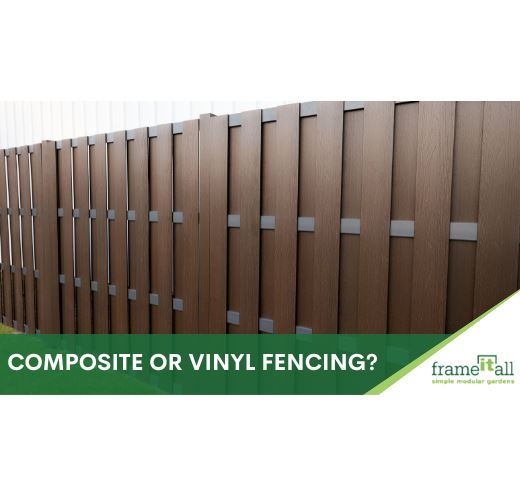
If you're trying to choose a new fence, you're not alone in the great composite fencing vs. vinyl debate. It’s a big decision that impacts your home's look and your environmental footprint. While both are popular, there’s a clear reason why so many homeowners are opting for composite materials. It goes beyond simple aesthetics. We’ll break down the key differences, from durability to the eco-friendly advantages, so you can see why composite is often the smarter, more sustainable choice for your outdoor space.
This article will help you understand why more homeowners are leaning towards composite fences over their vinyl counterparts.
As we all know, fencing is one of those essential elements in any property that not only provides privacy and security but also adds aesthetic value to our homes.
And let's face it - with the myriad of options available on the market today, selecting the perfect fence can be quite overwhelming.
That's where this piece comes in handy – guiding you through the benefits of choosing newer materials and shedding light on what makes them stand out from traditional vinyl fencing.
So hold onto your hard hats folks; by the end of this read, you'll have a better understanding of why composites are quickly becoming the go-to choice for many modern homeowners.
Composite vs. Vinyl Fencing: Which One Is Right for You?
In recent years, composite fencing has become increasingly popular among homeowners as an alternative to wood and vinyl fencing. This innovative material, made from a mix of PVC, recycled plastic and real wood, offers a multitude of benefits for those looking to invest in a durable, easy-to-maintain option that adds both style and function to their outdoor living spaces.
As the demand for eco-friendly and long-lasting fence materials continues to grow, it's no surprise that many are turning away from traditional wood or vinyl options in favor of composite products. Both types of fences can provide security and privacy, but composite materials offer certain advantages over vinyl that make them more attractive to many modern homeowners.
With this shift in preference, it's essential for landscapers to understand the differences between these two materials before making a final decision on which type of fencing is best suited for their clients' needs. So, if your next landscaping project requires fencing, make sure to continue reading to know more about these two alternatives!
How Do Composite and Vinyl Fences Stack Up?

When it comes to comparing composite fencing and vinyl fencing, the differences can be as vast as night and day.
On one hand, you have a material that boasts low maintenance requirements and an eco-friendly manufacturing process; on the other, there's vinyl fencing, which is known for its affordability and ease of installation.
When weighing these options side by side, homeowners may find themselves leaning towards composite fencing due to its sustainable nature and longer-lasting performance. However, both vinyl and composite fences might be interesting for you, so keep in mind how this choice reflects your own values and needs for your home improvement project.
Why Choose a Composite Fence?
If you're still not sure if there's a fence that's perfect for your next landscaping project, keep reading to find the main difference between these types of privacy fences!
Built to Last: The Durability Factor
Imagine never having to replace a fence again! That's the kind of durability this fencing product offers homeowners.
Vinyl fencing is made of 100% plastic, which can crack or warp due to extreme temperature fluctuations and exposure to sunlight. This means that vinyl fences don't stand up to heavy rains and winds, which can cause them to deteriorate quickly.
On the other hand, composite fencing is made from a blend of wood fibers and plastic that make it resistant to these common issues. This produces a fence that it's not affected as much by the elements, and that it's less expensive than wood thanks to its combination of plastic and wood pieces.
This means your clients will spend less time fixing their new fence and more time enjoying it. And they'll surely be thankful for it.
Plus, with its incredible strength and resistance to rot, insects, and decay, you can trust that your investment in composite fencing will stand the test of time without breaking a sweat. This type of fencing will last for years, making it the perfect choice for your clients.
Lifespan and Warranty Expectations
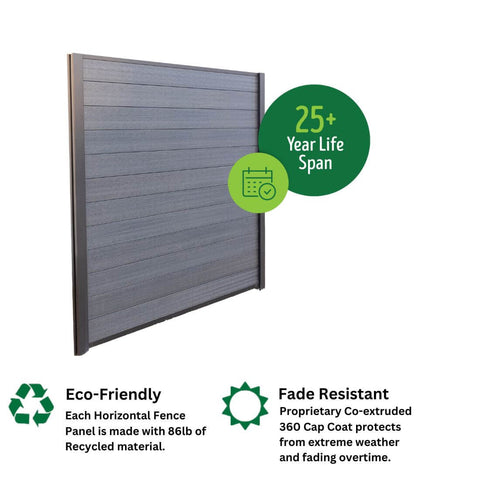
When you invest in a fence, you want it to last. Composite fencing typically has a lifespan of 25 years or more, which is significantly longer than the 8-12 years you might get from a traditional wood fence. This longevity is often backed by a strong manufacturer's warranty. For instance, our Cap Composite fencing comes with an industry-leading 30-year warranty that even covers fade resistance. This kind of guarantee shows a company's confidence in its product's ability to withstand the elements for decades. Vinyl fencing also has a decent lifespan, but the warranty may not always cover issues like cracking or discoloration from sun exposure, which can be common problems.
Understanding Material Weaknesses
No material is perfect, and it’s smart to know the potential downsides before you buy. Vinyl fencing, being 100% plastic, can become brittle in extreme cold and may warp or soften in intense heat. This susceptibility to temperature fluctuations can lead to cracks or a loss of shape over time. Composite fencing, on the other hand, is made from a blend of recycled wood fibers and plastic. This combination creates a more stable material that is far less likely to crack, warp, or splinter under pressure from the weather. It’s designed to handle everything from summer heatwaves to winter freezes without losing its structural integrity.
Long-Term Repair Considerations
Thinking about future repairs is a crucial part of the decision-making process. While composite fencing is highly durable, it’s not completely scratch-proof. A deep gouge from a lawnmower or patio furniture might be difficult to patch, often requiring the entire board to be replaced to maintain a seamless look. Similarly, if a vinyl panel cracks, you’ll likely need to replace the whole section. The key difference often comes down to sourcing replacement parts years down the line and the overall cost of those repairs. It's always a good idea to consider how easily you can get matching components for either material if a repair becomes necessary.
Spend Less Time on Upkeep
Speaking of durability, one of the most attractive benefits of composite fencing is its low-maintenance nature.
As homeowners, your clients will love that composite fences require very little maintenance compared to traditional wood or metal options.
That way they can say goodbye to time-consuming tasks like painting, staining, and sealing - this remarkable material maintains its beautiful appearance year after year without any extra effort on your part! The look of wood will be maintained with very little effort, something that doesn't happen with other options like PVC vinyl.
And with no need for chemical treatments to ward off pests and decay, you can rest easy knowing your fence is both eco-friendly and safe for your family.
So, if you want to make your customers lives easier, you can simply become a dealer and start offering them this awesome type of wood fence for their homes!
Capped vs. Uncapped Composite Boards
As you explore composite materials, you'll find they generally come in two varieties: capped and uncapped. The easiest way to think about it is that a capped composite board has a protective outer shell. This durable layer shields the inner core material from the elements, providing much better resistance to stains, scratches, and fading from UV damage. Uncapped boards lack this protective layer, which makes them more vulnerable to wear and tear over time. While their lower upfront cost can be tempting, they may not offer the same long-term performance and durability as their capped counterparts.
If you’re looking for a fence that will truly last with very little effort, a capped board is the way to go. That protective capping is the key to the material's impressive longevity and color retention. It’s precisely why our Cap Composite Fencing is engineered with this technology, giving us the confidence to back it with an industry-leading 30-year warranty. When you choose a capped product, you're investing in a fence that will maintain its beauty and strength for decades, saving you from the hassle and cost of future repairs or replacements.
A Greener Choice for Your Yard
Speaking of eco-friendly, composite fencing truly shines as an environmentally friendly option for your clients' homes. Not only is it less expensive than vinyl fencing in most cases, it's also a very good eco-friendly option for any client that pays attention to the environment.
As we've mentioned earlier, there's no need for chemical treatments to keep pests and decay at bay, making it a safer choice for them and the planet as a whole.
Additionally, many composite materials are made from recycled wood fibers and plastics, further reducing their environmental impact. And unlike 100% natural wood fences, you don't have to worry about chopping down yet another tree!
And let's not forget that by choosing this low-maintenance material, you're also saving resources such as water and energy that would otherwise be used on upkeep tasks like painting or staining.
So by opting for composite fencing, not only do you enjoy a beautiful and durable barrier around your property but also contribute to a greener future.
The Impact of Recycled Materials
Choosing a fence made from recycled materials is a powerful way to make a sustainable choice for your home. Composite fencing is crafted from a smart blend of wood fibers and plastics, and much of this material is sourced from recycled content. This means that instead of contributing to landfill waste, old plastics and wood scraps are given a new life as a beautiful, durable fence. At Frame It All, our Cap Composite fencing is made with sustainably sourced wood fiber and recycled plastic, so you can feel good about your purchase. By opting for a product that repurposes materials, you're not only getting a high-performance fence but also helping to conserve natural resources and reduce the demand for new timber.
The Environmental Cost of Vinyl
On the flip side, vinyl fencing carries a heavier environmental footprint. It's made from Polyvinyl Chloride (PVC), a type of plastic derived from fossil fuels—a non-renewable resource. The manufacturing process for PVC can release harmful pollutants, and its lifecycle presents significant challenges. Once a vinyl fence reaches the end of its use, it doesn't biodegrade, meaning it will sit in a landfill for centuries. The environmental impact of plastics like PVC is a growing concern. Furthermore, vinyl can become brittle and crack in very cold climates, potentially leading to a shorter lifespan and the need for replacement, which only adds to the waste problem.
Breaking Down the Costs: Composite vs. Vinyl
In the realm of cost comparison, homeowners often find themselves debating between composite fencing and vinyl fencing. While both fencing materials have their advantages, it's crucial to consider not only the initial costs but also long-term maintenance and potential replacement expenses.
At first glance, vinyl fencing may appear as a more affordable option; however, when considering durability and minimal upkeep requirements, composite fencing becomes an attractive choice for many homeowners. Therefore, if you're debating about your fencing options for your next landscaping project, composite fences might be the best recommendation you can give your customers.
With this in mind, let's now explore some design options that these two types of fences can provide.
Initial Cost vs. Lifetime Value
When you're looking at the price tags, it’s true that composite fencing often has a higher upfront cost than vinyl. This is because of the advanced materials and manufacturing process that blends recycled wood fibers and plastics. While vinyl might seem like the more budget-friendly choice at first, it's important to think about the lifetime value of your investment. Over the years, the costs of repairing a vinyl fence that can crack or warp in extreme weather can add up. Composite fencing, on the other hand, requires almost no upkeep. You won't spend money or weekends on staining, painting, or sealing. Our Cap Composite fencing, for instance, is backed by a 30-year warranty, giving you peace of mind that you're making a one-time investment that will last for decades.
Return on Investment and Home Value
A fence is more than just a boundary; it’s a key feature that affects your home's curb appeal and overall value. Composite fencing is widely seen as a premium upgrade that can give you a significant return on your investment. Potential homebuyers are often drawn to its sophisticated, wood-like appearance combined with its low-maintenance durability—a combination that vinyl can't quite match. The eco-friendly aspect is another major plus, as it appeals to buyers who prioritize sustainability. By adding a beautiful, long-lasting composite fence, you not only enhance your daily life but also make your property more attractive on the market, which can increase its resale value when it's time to sell.
Finding Your Style: Design and Aesthetics

When it comes to design options, homeowners are increasingly choosing composite fencing over vinyl fencing due to its many benefits. Customizing composite fencing also allows homeowners to tailor their design to their individual needs and preferences.
For example, you can choose alternatives in a wide variety of colors and styles. You can find models that mimic the look of other popular fencing materials like natural wood, or opt for other alternatives like a nice color fading.
Achieving a Natural Wood Look
Many of us love the classic, warm look of a wooden fence, but not the constant upkeep that comes with it. This is where composite fencing really shines. It's specifically designed to look and feel like real wood, complete with a textured finish and natural, earthy colors. This gives you the aesthetic appeal of a traditional wood fence without the headaches of staining, sealing, or worrying about rot. For homeowners who want that timeless look but need a more practical, long-term solution, composite materials offer the best of both worlds, blending beauty with modern engineering.
The Uniform Appearance of Vinyl
Vinyl fencing is definitely a popular choice, largely because it's affordable and relatively simple to install. However, when it comes to appearance, it often falls short for homeowners who want a more natural look. While vinyl is available in various colors, it typically has a smooth, uniform finish that can look distinctly like plastic. It doesn't quite capture the same warmth and texture that you get with wood or high-quality composite materials. If your priority is a budget-friendly, low-maintenance option and you don't mind a more manufactured look, vinyl can be a good fit.
Understanding the Natural Weathering Process
How a fence handles sun, rain, and wind is a huge factor in its long-term value. Composite materials are engineered to hold their own against the elements, resisting fading and weathering over time. Unlike vinyl, which can become discolored or brittle after years of sun exposure, composite fencing is designed to maintain its integrity and appearance. For example, Frame It All's Cap Composite fencing features industry-leading fade-resistant technology and comes with a 30-year warranty, so you can be confident it will stand the test of time without losing its color or strength.
Privacy and Design Features
A great fence does more than just mark a property line; it provides a sense of privacy and security. Composite fencing often includes clever design features to enhance this, like interlocking pickets that create a solid, gap-free wall. This design ensures complete privacy and also gives the fence a clean, uniform look from both your side and your neighbor's. It’s a stylish and highly functional feature that turns your fence into a true backyard sanctuary, perfect for homeowners who value both form and function in their outdoor spaces.
Safety and Security: Protecting Your Space
A fence does more than just mark your property line; it creates a safe haven for your family and pets. When you're choosing a material, you're really choosing how well that sanctuary will be protected. It’s about creating a space where your kids can play freely and your dog can roam without you worrying about their safety. The material you select plays a huge role in this, affecting everything from its ability to withstand a stray soccer ball to ensuring there are no splinters or sharp edges. Both composite and vinyl fences offer a physical barrier, but their differences in composition lead to significant variations in how they contribute to the overall safety and security of your yard.
Family and Pet-Friendly Features
When you have kids or pets, your priorities for a fence shift. It's not just about privacy anymore; it's about creating a secure perimeter that's also safe to be around. Vinyl fencing, being 100% plastic, can become brittle over time with sun exposure and temperature swings. This can lead to cracks and sharp edges, which are a real concern for curious hands and paws. Composite fencing, on the other hand, is made from a blend of wood fibers and recycled plastic. This combination creates a much more stable material that resists splintering and cracking, giving you peace of mind. Plus, it doesn't require harsh chemical treatments to prevent rot, making it a non-toxic choice for your family's main play area.
Strength and Impact Resistance
A fence is your first line of defense against the elements and everyday life, so its strength is non-negotiable. While vinyl can provide a barrier, it can also become brittle and may not stand up well to direct impacts or high winds. Composite fencing truly excels here. Its blend of wood and plastic gives it incredible strength and resilience, making it highly resistant to rot, insects, and decay. This means it won't weaken over time, providing a reliable and sturdy boundary for years. When you invest in a premium composite fence, you're getting a product built to last—so much so that it often comes with a warranty that spans decades, ensuring your space remains protected through every season and every backyard adventure.
Getting Your Composite Fence Just Right
Imagine the feeling of pride and satisfaction as you step back to admire your stunning new composite fencing, knowing that not only does it look fantastic, but it also offers a wealth of design options unparalleled by vinyl fencing. That's how you want your customers to feel. They'll undoubtedly appreciate the importance of combining form with function, and composite fencing certainly delivers in this regard.
With an impressive variety of styles, colors, and finishes available, there's no doubt that you'll find the perfect match for your customer's unique aesthetic tastes. From horizontal fencing to individual cap pickets that you can mix and match, composite fencing is designed to look and feel like real wood (with the aesthetic improvement that entails) without the need for any maintenance.
So when it comes time to make that all-important decision between composite and vinyl fencing, remember: beauty is more than skin-deep – choose wisely!
Making It Your Own with Custom Options
When it comes to customizing composite fencing, the possibilities are truly endless.
You can mix and match colors, textures, and styles to create a truly unique fence that complements your customers' home architecture and landscaping perfectly.
Whether they're looking for something classic or contemporary, composite fencing offers an array of design options to suit their taste.
What to Expect During Installation
It's no wonder homeowners are gravitating towards composite fencing over vinyl options – the installation process is a breeze! It typically involves pre-assembled panels or boards that easily slide into place on posts, making it simple even for novice DIY-ers to achieve professional results. And of course, if you've been a professional landscaper for a while, it will be even easier for you.
Unlike traditional materials like wood or vinyl fencing which may require more time and effort to install, composite fences save precious hours without compromising on aesthetics or durability.
And with more time saved during installation, you'll get more return on your time investment on any new landscaping project you have to tackle.
Making the Final Call: Composite or Vinyl?

In conclusion, composite fencing has many advantages over its vinyl counterpart making it an ideal choice for professional landscapers looking for durable, low-maintenance options for clients’ projects. Composite fencing’s strength, ease of installation and longevity make it stand out among other available fence options on the market today.
By considering Frame It All composite fencing for your landscaping project, you can enjoy a unique and beautiful fence that is virtually maintenance-free and long-lasting. Moreover, with its versatility as an eco-friendly building material, you can rest assured that your investment will last for years to come. So, if you're a homeowner looking to make improvements to your yard, be sure to speak with your landscaper and ask if they are a dealer of Frame It All composite fences.
In any case, go forth with confidence and embrace the future of home improvement - one where beautiful backyards are guarded by strong and stunning composite fences! Let your inner designer run wild as you explore various styles and colors available at your disposal.
Interested in Becoming a Dealer? Get in Touch With Us Today
Key Takeaways
- Prioritize lifetime value over upfront cost: While vinyl might be cheaper initially, composite fencing's superior durability means you'll save on future repairs and replacements, making it a smarter financial decision over time.
- Opt for a fence that handles the elements: Composite material is engineered to resist the cracking and warping that can affect vinyl in extreme temperatures, giving you a stronger, more reliable fence with less hassle.
- Get the look of wood without the environmental downside: Composite fencing offers the classic aesthetic of wood but is made from recycled materials, providing a beautiful and sustainable alternative to PVC-based vinyl fences.