
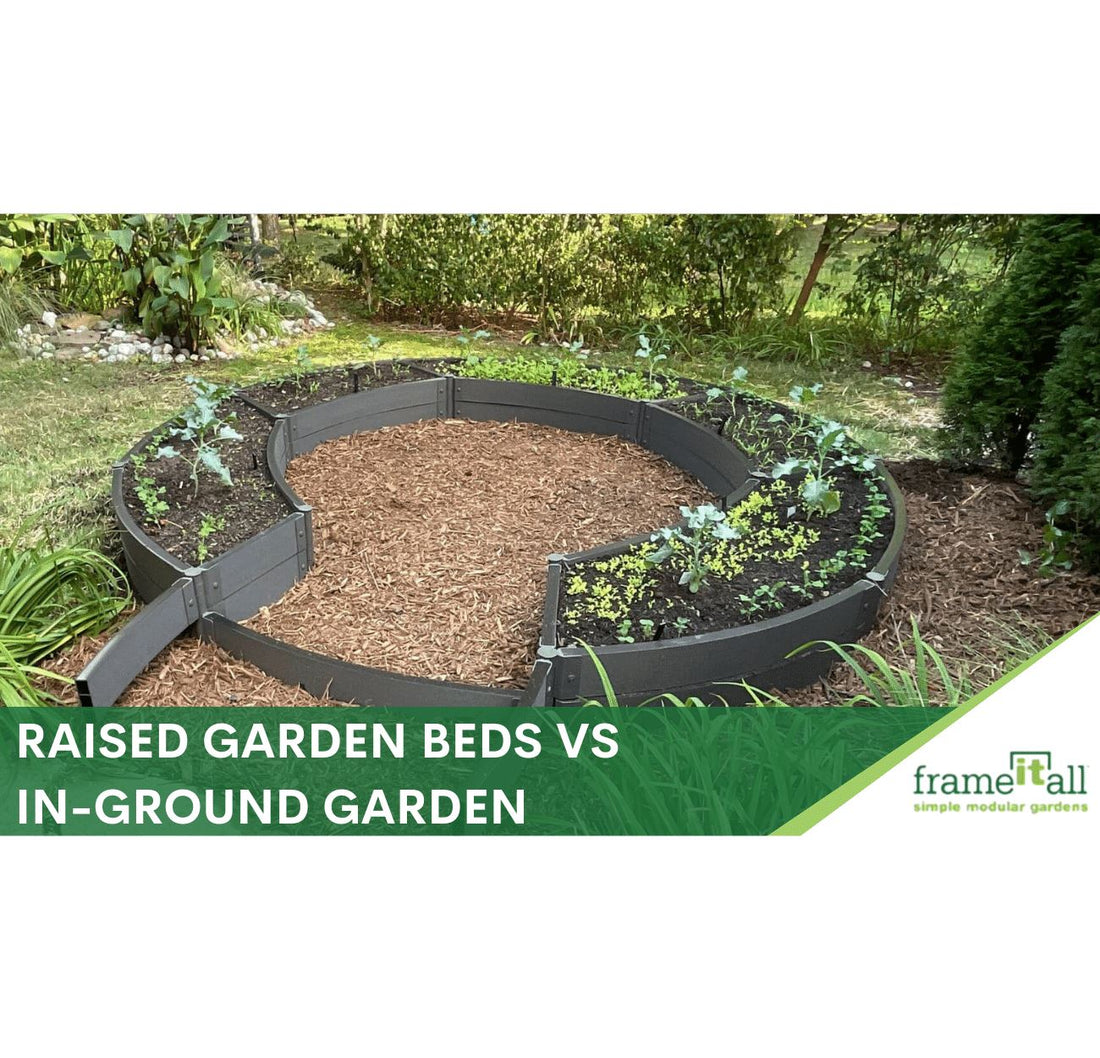
Creating a garden is about more than just growing plants—it's about designing an outdoor space you truly love. One of the first big decisions you'll make is how you'll plant. Will you work with the earth you have in a traditional in-ground garden, or will you build up with a structured raised garden bed? Both methods can give you a beautiful, productive garden, but they offer very different experiences. Understanding the pros and cons of each is the first step to building the garden you've been dreaming of.
Both options have their own set of pros and cons, and it's important to consider them before making a choice for your garden space. In this article, we break down the differences between raised garden beds and in-ground gardens, so you can decide which one will work best for your situation.

Raised Garden Bed vs. In-Ground: Which Is Right for You?
There are two distinct methods of gardening: Raised Bed Gardens and In-Ground Gardens, and each comes with its own set of advantages and drawbacks.
A raised bed garden involves growing plants in an elevated structure above the ground level. This structure, usually made of wood, stone, or composite wood, is filled with high-quality soil and compost, ensuring optimal growth and nutrition for the plants. The raised bed design allows for better control over soil quality, drainage, and weed prevention. But remember, choosing the best materials for your raised beds is critical to ensure durability and longevity.
On the other hand, in-ground gardens adhere to the traditional method of gardening, where plants are grown directly in the ground. Depending on the type of soil and natural conditions, this method can provide a more authentic gardening experience and allow for a larger planting area.
The Pros and Cons of Using a Raised Garden Bed

Raised bed gardening offers various benefits that make it a popular choice among gardeners. One of the main advantages is the ability to have better control over the quality of soil used. Unlike in-ground gardens, raised beds allow you to build a raised bed frame and fill it with high-quality soil, ensuring optimal conditions for plant growth.
Additionally, raised beds are easier to manage, as they require less bending and kneeling, making it more accessible for people with mobility issues. And in terms of construction, our metal garden beds, especially the galvanized garden beds, provide an excellent option for durability and resistance to elements.
However, raised beds also have some drawbacks to consider. The initial setup of building raised beds may require more effort and cost compared to simply planting directly in the ground. Raised beds may also dry out faster, requiring more frequent watering. Furthermore, the use of raised beds limits the available garden area as you are confined to the size of the bed itself.
Overall, the advantages and disadvantages of raised beds must be carefully weighed against your gardening needs and preferences.
Designing Your Perfect Raised Garden Bed
Once you’ve decided a raised garden bed is the right fit for your space, the fun part begins: designing it. From the materials you choose to the style and depth, each element plays a role in the success and look of your garden. Thinking through these details beforehand helps ensure you create a garden that is not only productive but also a beautiful addition to your yard. Let's walk through the key considerations for creating a raised bed that you'll love for years to come.
Materials Matter: From Wood to Metal and More
The material you choose for your raised bed frame affects its durability, appearance, and even the health of your soil. It's important to select something that aligns with your budget, aesthetic preferences, and long-term gardening goals. Natural materials often look great, but you'll want to weigh that against how long they'll last and the maintenance they require. Considering factors like longevity and environmental impact will help you make a choice that supports a healthy and sustainable garden.
Classic Wood Beds
Wood is a timeless and popular choice for raised garden beds, offering a natural look that blends seamlessly into any landscape. Cedar is a fantastic option because it's naturally resistant to rot and insects, ensuring it lasts for many seasons. Other suitable woods include redwood, cypress, and pine. The most important thing to remember when choosing wood is to use untreated lumber. Wood treated with chemicals can leach toxins into your soil, which can then be absorbed by your plants. While wood beds are beautiful, they will eventually break down and need to be replaced.
Durable Metal and Composite Options
If you're looking for longevity and low maintenance, metal and composite materials are excellent alternatives to traditional wood. Metal garden beds, particularly those made from galvanized steel, are affordable, durable, and help warm the soil earlier in the spring. For a solution that combines the look of wood with superior durability, consider composite boards. Our composite raised garden beds are made from a blend of recycled plastic and sustainably sourced wood fibers, so they won't rot, warp, or splinter. This means you get a long-lasting, eco-friendly garden bed without the worry of chemical treatments.
Creative DIY Materials
For those who enjoy a DIY project, there are plenty of creative materials you can use to build your raised garden bed. Cinder blocks, bricks, and natural stone are all sturdy options that can create a unique, rustic look. You can also repurpose items like livestock troughs or build a simple frame from logs. The key is to ensure your chosen material is safe for growing edible plants and provides adequate drainage. While these options allow for a lot of creativity, they can also be more labor-intensive to install than a pre-designed kit.
Exploring Different Styles and Features
Beyond materials, the style of your raised bed can make a big difference in both its functionality and its visual appeal. Modern raised beds come in a variety of shapes, sizes, and configurations to suit different needs. Whether you're working with a large, open yard or a small urban balcony, there's a style that can work for you. Thinking about how you'll use the garden—and who will be using it—can help you select features that make gardening more enjoyable and accessible.
Modular and Customizable Designs
One of the best developments in raised bed gardening is the availability of modular kits. These systems allow you to connect boards and brackets in various configurations to create a garden that perfectly fits your space. You can design L-shaped beds for corners, long rectangular beds for yard borders, or unique geometric shapes to serve as a centerpiece. Our garden builder kits use a simple snap-lock system, making it easy to assemble and even expand your garden over time. This flexibility means you aren't locked into one design and can adapt your garden as your needs change.
Elevated Beds for Easy Access
If bending or kneeling is a challenge, an elevated garden bed is a fantastic solution. These beds are raised on legs, bringing the garden up to a comfortable working height. This design not only saves your back and knees but also provides an effective barrier against ground-dwelling pests like rabbits and moles. Many self-watering planters are built with this elevated style, adding another layer of convenience by reducing how often you need to water. They are a perfect choice for patios, decks, and anyone seeking a more ergonomic gardening experience.
Flexible Options for Small Spaces
You don't need a huge yard to enjoy the benefits of raised bed gardening. For small spaces like balconies, patios, or tiny backyards, there are plenty of compact and flexible options. Grow bags are an inexpensive and lightweight choice, perfect for trying out gardening or for renters who need a portable solution. You can also use large planters placed on benches or stands to create a tiered effect. These smaller-scale solutions allow you to grow herbs, greens, and flowers even when ground space is limited, making gardening accessible to everyone.
How Deep Should a Raised Bed Be?
A common question when setting up a raised bed is how deep it needs to be. The ideal depth depends on what you plan to grow. For plants with shallow root systems, like lettuce, spinach, and most herbs, a depth of 6 to 8 inches is sufficient. However, for root vegetables like carrots, potatoes, and beets, you'll want a deeper bed of at least 12 inches to give their roots plenty of room to develop. A 12-inch depth is a great all-purpose choice that will support a wide variety of plants. No matter the depth, remember that one of the biggest advantages of a raised bed is the ability to fill it with high-quality, nutrient-rich soil, giving your plants the best possible start.
Cost Considerations: Buying a Kit vs. Building Your Own
When planning your raised garden bed, you'll need to decide whether to build it from scratch or purchase a kit. Building your own can sometimes be more budget-friendly, especially if you have access to reclaimed materials, but it requires the right tools, skills, and a significant time commitment. On the other hand, buying a kit is a convenient, straightforward option. While the initial cost might be higher than sourcing your own materials, kits come with all the necessary parts and instructions, saving you time and effort. High-quality kits, like those made from durable composite materials, are a long-term investment that will pay off over many years of productive gardening.
Tips for a Thriving Raised Garden Bed
If you're starting a new garden or looking for ways to improve your existing one, consider the advantages of raised bed gardening! These small raised plots are filled with good-quality soil and sit on top of the ground, allowing for greater control over the soil in your raised bed.
To really get the most out of your garden, make sure to add plenty of mulch and soil amendments, both at the bottom of your raised beds and on top. Not only will this protect in-ground roots, but it also helps to improve drainage and protect your plants from pests.
Plus, raised beds are more permanent than a straw bale garden or planting directly into the ground, giving you years of fresh produce to look forward to!
What to Put in the Bottom of Your Bed
Before you get excited and start shoveling in soil, let's talk about what goes at the very bottom of your raised bed. This foundation is key to a healthy garden. A great first step is laying down a weed barrier cloth or liner. This simple layer does double duty: it stops your valuable soil from washing out during heavy rains and keeps persistent weeds from sprouting up from below. This means less weeding for you and a better environment for your plants to thrive without having to compete for nutrients and water.
If burrowing animals like gophers or moles are a concern in your yard, you’ll want an extra layer of security. Placing a sheet of hardware cloth at the bottom of the frame before adding soil is a fantastic way to block these pests from tunneling up and damaging your plant roots. This simple step can save your garden from underground threats. For comprehensive protection, you could also look into an animal barrier garden, which helps keep critters out from all angles.
Ensuring Proper Drainage
One of the biggest perks of a raised garden bed is superior drainage, which is essential for preventing root rot and keeping plants healthy. Unlike compacted garden soil, you get to fill your bed with a perfect, fluffy mix. As gardening experts at Gardenary note, using high-quality, nutrient-rich soil is a primary benefit of raised beds. This loose, well-aerated soil allows excess water to drain away freely, so your plant roots get the oxygen they need. Don't skimp on your soil—it's the lifeblood of your garden.
Great drainage isn't just about the soil inside the bed; it's also about the ground underneath. Before you place your frame, make sure the spot you've chosen is perfectly level. If you have high spots, dig them down. For any low spots, add a little sand or gravel to even things out. This ensures that water drains evenly out of the entire bed instead of pooling in one corner, which can lead to waterlogged soil and unhappy plants. A level base is a simple but crucial step for a productive garden.
The Verdict: Is a Raised Garden Bed Better?

Comparing raised beds and in-ground gardens, it's important to consider their respective advantages. Raised beds offer better soil structure and drainage, which can help grow plants more effectively. They also provide an opportunity to amend the soil with organic matter, improving its fertility and nutrient content. Additionally, the raised bed frame can act as a barrier against soil compaction caused by foot traffic.
On the other hand, in-ground gardens make use of the existing soil, eliminating the need to build and fill raised beds. This can be advantageous if your native soil is of good quality and suitable for plant growth. In-ground gardens also provide more flexibility in terms of size, as you can utilize the entire garden area instead of being limited by the size of the raised bed.
In summary, the choice of the best garden bed depends on factors such as the type of garden you want, the condition of your native soil, and the advantages and disadvantages that matter most to you.
What's the Best Soil for a Raised Garden Bed?
The importance of soil quality cannot be overstated when it comes to garden beds. The soil you choose will directly impact the overall health and productivity of your plants. There are two main options to consider: using native soil or using soil amendments.
If you have good quality native soil that is fertile and well-draining, using it in your garden beds can be a cost-effective and environmentally friendly option. However, if your native soil is of poor quality, heavy, or lacks necessary nutrients, incorporating soil amendments such as compost and organic matter can greatly improve its structure and fertility.
To improve soil quality for garden beds, you can start by removing weeds and debris, loosening the soil, and incorporating organic matter. Compost, aged manure, and leaf mulch are excellent choices for improving soil fertility. Additionally, regular soil testing can help you understand the nutrient composition of your soil and make informed decisions about necessary amendments.
Are Raised Beds Really Easier to Maintain?

When it comes to garden management, raised beds offer several benefits. Their elevated height makes it easier to access and tend to plants without the need for excessive bending or kneeling. This can be particularly beneficial for individuals with physical limitations or back problems. Additionally, the confined space of raised beds allows for better weed control and reduces the likelihood of soil erosion.
On the other hand, managing in-ground gardens can present certain challenges. The direct contact of garden plants with the ground makes them more susceptible to weeds, pests, and soil-borne diseases. In-ground beds also require regular soil maintenance, such as tilling and amending, to ensure optimal growing conditions.
How Permanent Is a Raised Garden Bed?
 When it comes to the durability and longevity of garden structures, raised beds offer certain advantages. Raised beds built with materials such as wood or stone are generally more resistant to degradation compared to soil directly in the ground. To make raised beds even more permanent, you can opt for materials that are specifically designed for outdoor use and treated to withstand weathering and pests.
In contrast, the longevity of in-ground gardens largely depends on factors such as soil quality, proper maintenance, and protection against erosion. While in-ground gardens may be more susceptible to changes in soil condition and erosion over time, they can still last for many years with proper care and maintenance.
Beds vs in-ground: Frequently Asked Questions
Which Option Offers More Advantages?
Whether raised beds or in-ground gardens are better really depends on individual preferences and specific gardening needs. Raised beds ar
e often preferred for their convenience and control over soil quality, while in-ground gardens may be more suitable for larger garden spaces.
How Do Soil Needs Compare?
Raised beds require a soil mix that provides good drainage and fertility. This often involves a combination of garden soil, compost, and organic matter to create a nutrient-rich environment for plants.
Are Raised Beds Good for Growing Vegetables?
Yes, raised garden beds are widely used for vegetable gardening. They offer better soil quality control, protection against pests, and easier management of watering and fertilizing.
Why You Might Prefer an In-Ground Garden
In-ground garden beds offer the advantage of using the existing soil, which may save on costs and labor. They also provide more space for plants to spread their roots and grow.
Getting the Soil Right for In-Ground Gardens
The type of soil ideal for in-ground gardens depends on the specific needs of the plants being grown. Generally, soil that is well-draining, has good fertility, and is free from contaminants is desirable.
Setting Up Your Raised Garden Bed for Success
Once you've decided that a raised garden bed is the right fit for your yard, the next step is setting it up for a season of bountiful harvests. A little bit of planning and prep work now will save you headaches later and create the perfect environment for your plants to flourish. It’s not just about assembling the frame; it’s about choosing the right spot and preparing the foundation. Think of it like building a house—you wouldn't start without a solid foundation, and the same goes for your garden. Getting these initial steps right ensures your plants have the best possible start, leading to healthier growth, better yields, and a more enjoyable gardening experience all around.
Choosing the Right Location
Finding the perfect spot for your raised bed is probably the most critical decision you'll make. Most vegetables and flowering plants are sun-lovers, so you'll want to pick a location that receives at least six to eight hours of direct sunlight each day. Spend a day observing your yard to see how the sun moves across it before you commit to a spot. You also want to build on a level surface. A flat foundation ensures that water distributes evenly throughout the bed and prevents your frame from warping over time. Also, consider convenience—is it close to a water source? You'll be thankful you don't have to water your garden by dragging a hose across the entire yard every time your plants get thirsty.
Prepping the Ground
Before you can start building, you need to prepare the ground underneath your future garden. If you're placing your bed on a lawn, you'll need to remove the grass and weeds first. You can do this by digging it up or by layering cardboard on the bottom of the bed to smother the grass—a great no-dig method! The next step is to ensure the ground is perfectly level. Use a shovel to dig out any high spots and fill in low spots with some soil or sand. This creates a stable base for your bed. Once the ground is cleared and level, you're ready for the fun part: assembly. With a simple snap-lock system like the one on Frame It All beds, this part of the process is quick and tool-free.
How to Fill a Raised Garden Bed (The Right Way)
To fill a raised garden bed with soil, you can use a combination of garden soil, compost, and other organic matter. It is important to ensure that the soil is evenly distributed and properly compacted.
Key Takeaways
- Choose raised beds for control and convenience: This style gives you complete authority over soil quality, improves drainage, and is easier on your back. Opt for an in-ground garden if you have good native soil and want a larger, more traditional planting area.
- Plan your raised bed for long-term success: The materials you choose, like rot-resistant composite or durable metal, will determine your bed's lifespan. Also, consider features like modular kits for custom shapes and elevated designs for easier access, ensuring your garden fits your space and needs perfectly.
- Proper setup is the key to a healthy garden: Before you build, pick a spot that gets at least six hours of daily sun. It's crucial to level the ground and lay down a weed barrier to prevent future headaches and create the ideal environment for your plants to flourish.