
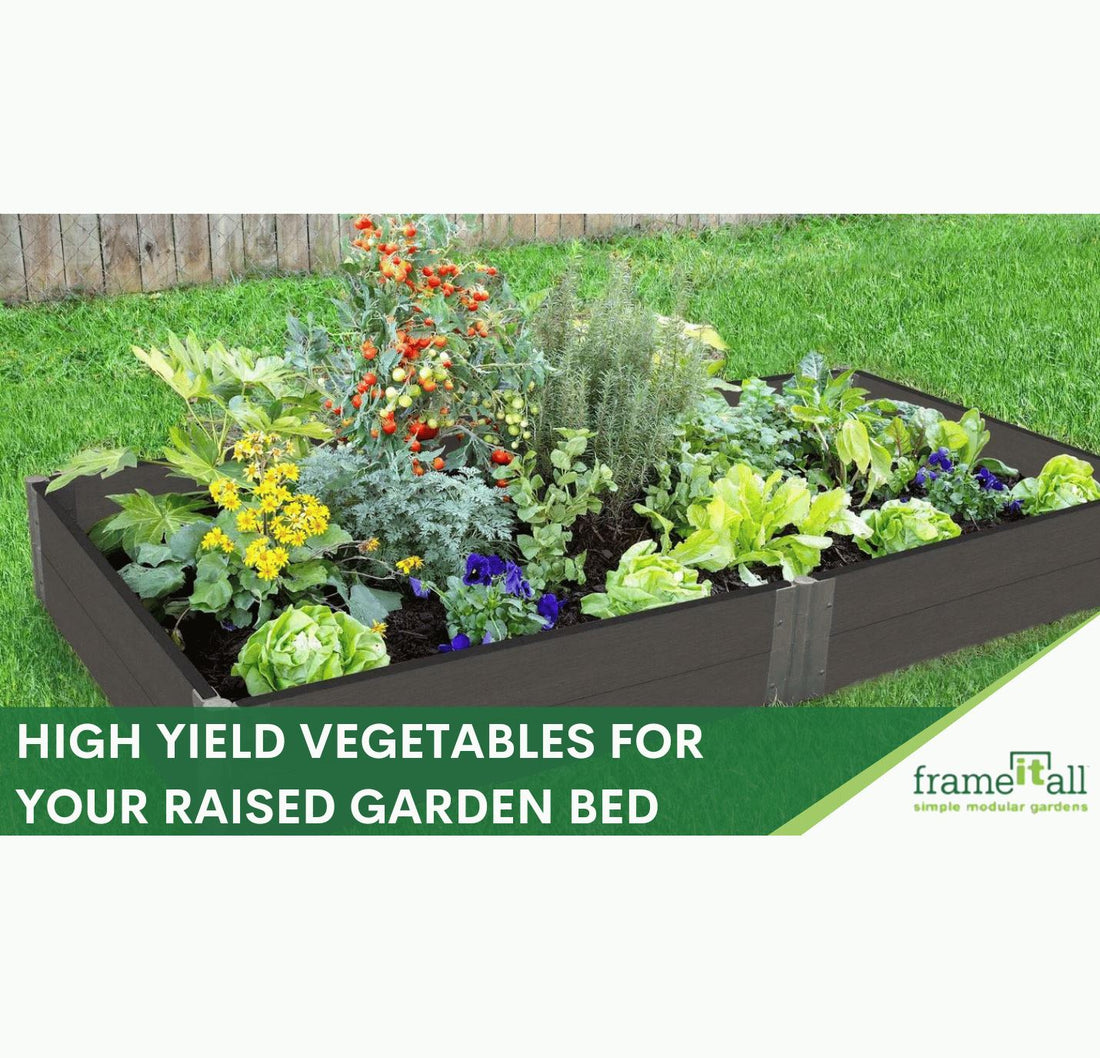
Want a garden that truly gives back? The secret is choosing plants that produce a ton of food. Whether you have years of experience or are just starting out, focusing on high-yield vegetables is the smartest way to guarantee an amazing harvest. Using a raised garden bed makes it even easier to manage. This guide will walk you through everything you need to create a successful high-yield vegetables garden and enjoy baskets full of fresh produce.
Read on to learn more about high-yield vegetables, the benefits of growing them, and how to choose the best ones for your garden bed.
What Exactly Are High-Yield Vegetables?

High-yield vegetables produce a large amount of produce per plant, making them an excellent choice for gardeners looking to grow crops without taking up too much growing space. These vegetables are easy to grow and can be a great option for those who are new to gardening or who have limited space.
One of the main benefits of growing high-yield vegetables is the amount of produce they provide. These vegetables typically produce more crops per plant than other varieties, which means you'll have more fresh vegetables to enjoy.
Another benefit of growing high-yield vegetables is that they can be a great option for those with limited garden space. Since they produce more per plant, you won't need to plant as many, which means you can grow a lot of vegetables in a small space.
A Framework for Understanding Vegetable Yields
To get the most out of your garden, it helps to understand how different vegetables produce. Not all plants are created equal when it comes to their harvest potential. Thinking about vegetables in terms of their yield can help you plan a garden that meets your goals, whether you want a massive summer harvest or just a few fresh ingredients for salads. We can group them into three simple categories based on how much you can expect to harvest from a single plant, which makes planning your layout much easier.
Plant One, Harvest One (Low Yield)
This is the most straightforward category of vegetables. You plant one seed or seedling, and at the end of its growing cycle, you harvest one vegetable. Think of crops like carrots, onions, garlic, radishes, and heads of cabbage or lettuce. While they don't offer a continuous harvest from a single plant, they are essential ingredients in many kitchens and are often simple to grow. These crops are perfect for filling in spaces in your raised garden beds and are incredibly satisfying to pull from the ground when they’re ready to eat.
Plant One, Harvest for a Short Time (Mid-Yield)
Mid-yield vegetables offer a little more return on your initial planting effort. With these crops, one plant will produce multiple harvests over a few weeks. This category includes favorites like bush beans, peas, spinach, and cilantro. Once they start producing, you can return to them every few days to gather more. This provides a steady, reliable supply of fresh produce for your kitchen during their peak season. They are a great way to ensure you have consistent ingredients on hand without being overwhelmed by a harvest that lasts all summer long.
Plant One, Harvest for a Long Time (High Yield)
These are the superstars of the vegetable garden when it comes to productivity. High-yield crops are the gift that keeps on giving. After you plant one, it will produce food for many weeks, and sometimes for several months. This group includes popular plants like tomatoes, peppers, cucumbers, kale, summer squash, and pole beans. These plants are ideal for maximizing your harvest in a limited area, making them a perfect match for raised bed gardening. Planning your layout with a custom garden kit can help you give these productive plants the space they need to thrive.
The Benefits of Growing Your Own Food
Beyond the simple satisfaction of a big harvest, growing your own food comes with a whole host of benefits. For starters, the flavor and nutritional value are often far superior to what you can find at the grocery store. A tomato picked fresh from the vine and still warm from the sun is an experience you can’t buy. You also have complete control over what goes into your food, meaning you can avoid pesticides and grow unique or heirloom varieties that aren't commercially available. It’s a fantastic way to save money on produce, especially when you focus on high-yield crops. Plus, the act of gardening itself is a rewarding process that connects you to your food and the outdoors, offering a wonderful sense of accomplishment with every successful harvest.
How to Pick the Perfect High-Yield Vegetables

When choosing high-yield vegetables for your garden bed, it's important to consider the amount of space you have available, as well as the amount of sunlight your garden receives. Some high-yield vegetables, like squash and zucchini, require a lot of growing space, while others, like leafy greens, can be grown in smaller areas.
It's also important to choose vegetables that are well-suited to your growing season and climate. Some vegetables grow best in cooler weather, while others thrive in warmer temperatures. For this reason, choosing the right time of the year to plant your vegetables is crucial.
How to Select High-Yield Varieties from Seed Packets
Once you have an idea of what you want to grow, your next stop is the seed aisle or your favorite online seed catalog. The packet itself is your best guide. When you're browsing, keep an eye out for specific keywords like "high-yield," "prolific," or "productive." You might also see the term "F1 hybrid," which simply means the plant was bred from two different parent plants to have specific, desirable traits—often including a larger harvest. These varieties are typically more vigorous and produce more food than older, heirloom types. Don't forget to also check the "days to maturity" to ensure the plant has enough time to produce in your climate's growing season.
Deciding What's Worth the Space in Your Garden
A huge harvest is great, but it's only valuable if it's something you and your family will actually eat. Before you commit to a plant, ask yourself if it's truly "worth it" for the space it will occupy in your raised garden bed. Some vegetables, like zucchini, tomatoes, and pole beans, are true high-yield champions, producing continuously for weeks or even months. Others, like a single head of broccoli or cauliflower, give you one harvest and then they're done. It's perfectly okay to decide that some space-hogging, low-yield crops aren't worth the real estate. You can always buy those at the local farmer's market and dedicate your precious garden space to the vegetables that will give you the most bang for your buck.
Top High-Yield Vegetables to Plant Now
If you're looking for high-yield veggies, you can't go wrong with cucumbers, pole beans, radishes, squash, zucchini, peas, and tomatoes. These vegetables are easy to grow and have been known to produce a large amount of produce per plant, providing you with a bountiful harvest that lasts for weeks.
Cucumbers, for instance, are perfect for picking and eating straight off the bush while tomatoes are an excellent ingredient for salads, sandwiches, and sauces. On the other hand, growing potatoes in raised beds is also a great option for providing your home with delicious ingredients.
If you have the space, planting larger vegetables like pumpkins, watermelons, and peppers can produce an even greater yield. Not only do these vegetables provide you with a plentiful harvest but also they are fun to grow and watch as they mature.
So, if you're interested in maximizing your yield per plant in your garden, consider planting some of these veggies and enjoy the benefits of a green thumb.
Productive Tomatoes and Peppers
Tomatoes are easily one of the most popular crops for home gardeners, and for good reason. They produce a heavy harvest for a long time, often from the middle of summer right up until the first frost. If you want to get the most out of your space, cherry tomato varieties are especially productive, giving you handfuls of sweet fruit every few days. Peppers are another fantastic choice for a high-yield garden. Both tomatoes and peppers benefit from consistent watering and plenty of sun, which is easier to manage in a dedicated space like a raised garden bed where you can control the soil quality and drainage.
High-Yielding Pole Beans and Peas
To really make the most of your garden's footprint, think vertical. Vining plants like pole beans and peas grow upwards, leaving more ground space for other crops. Pole beans can climb ten feet or more and will produce far more beans than their bush-style cousins in the same amount of space. Similarly, peas grow vertically and will give you a significant harvest for several weeks. Providing a sturdy structure for them to climb is key. An animal barrier garden with an integrated trellis is a perfect, all-in-one solution for supporting these climbing vegetables while also protecting your harvest from critters.
Reliable Producers like Okra and Eggplant
If you live in an area with hot, humid summers, okra is an incredibly reliable crop. It produces so much that you’ll likely need to harvest it every day or two just to keep up and ensure the pods don’t get too large and tough. While eggplant can sometimes be a bit more particular, choosing a high-yield variety can result in a steady supply of this versatile vegetable. Both of these heat-loving plants thrive in the warm, well-drained soil that you can easily create and maintain in a metal raised garden bed, which helps the soil warm up faster in the spring.
Easy-to-Grow Garlic and Hardy Herbs
Not every high-yield crop has to be a large vegetable. Garlic is incredibly easy to grow; you simply plant individual cloves in the fall, cover them up, and dig up whole heads the following summer. Hardy herbs like thyme, rosemary, oregano, and parsley are also extremely productive. A small patch can provide you with fresh flavor for your kitchen all season long. These are perfect for tucking into the corners of your garden or dedicating a small bed to them. You can even design a custom layout with garden builder kits to create the perfect, compact herb garden.
Why Your Garden Needs a Raised Bed

Raised garden beds are a popular choice among gardeners for a number of reasons. They offer several advantages over traditional garden beds, including improved soil quality, better drainage, and easier access for weeding and harvesting.
Particular options, like 3 tiered raised garden beds or specific models like the Lazy Curve 4' x 12' Raised Garden Bed, are great for maximizing your harvest potential. With their vertical design and larger soil volume, these beds can house more plants in the same space than a traditional flat bed, meaning you can grow more vegetables per square foot of ground.
Raised garden beds are also a great option for gardeners with limited space, as they allow you to maximize the amount of garden space you have available. They can be built to any size or shape, and can even be constructed to fit in small or difficult-to-use areas, like balconies or rooftops.
How to Build Your Own Raised Garden Bed
Building a raised garden bed for high-yield vegetables is relatively easy and can be done in just a few hours. Start by choosing a location with plenty of sunlight and good drainage, then select the size and shape of your bed. Construct the bed using high-quality materials like cedar or redwood, then fill it with a rich compost and soil mixture.
Besides this, keep in mind that raised garden beds require some maintenance to ensure they remain productive. Make sure to fertilize the bed periodically, and rotate crops to prevent pests and diseases from destroying your vegetables. Finally, make sure you water regularly so your plants stay healthy and keep producing a high yield of vegetables.
Creating the Perfect Soil for Your Raised Bed
When it comes to choosing soil and compost for your raised garden bed, it's important to select high-quality materials that will provide your plants with the nutrients they need to grow and produce. Look for a nutrient-rich soil mixture that contains plenty of compost, organic matter, and other essential nutrients.
For example, you can use a combination of compost, top soil, and organic matter to create the perfect mix for growing vegetables. You might also want to add some worm castings or other natural fertilizers to give your plants an extra boost.
Finally, make sure you mulch your raised bed with straw, grass clippings, or bark chips to help keep the soil moist and retain nutrients. This will help to ensure that your vegetables have access to the right amount of water and nutrition they need to thrive.
What are the best high-yield vegetables to grow in a small garden?
If you're looking to maximize your harvest in a small garden, there are several high-yield vegetables that are perfect for the job. These vegetables are well-suited to smaller garden spaces and can produce a lot of produce per plant.
Growing Leafy Greens like Lettuce and Kale
Leafy greens like lettuce and kale are ideal for small garden spaces because they can be grown in tightly packed rows, allowing you to get the most out of your garden space. They grow quickly and can be harvested throughout the growing season, providing you with a steady supply of fresh produce.
Go Vertical with Vining Plants like Cucumbers
Another great option for small gardens is vining plants like cucumbers and pole beans. These plants can be trained to grow on trellises or other vertical supports, allowing you to maximize your garden space and produce more per square foot of growing area.
Planting Squash and Zucchini for a Huge Harvest
Squash and zucchini are also great choices for small gardens, as they produce a large amount of fruit per plant. These vegetables need a lot of growing space, but you can maximize your harvest by planting just a few plants and harvesting them regularly throughout the growing season.
How to Get the Most from Your Raised Garden Bed

If you're looking to maximize your harvest in a raised garden bed, there are several things you can do to increase yield and get the most out of your garden space.
Start with a Soil Test
Before you add a single plant, it’s smart to understand the foundation of your garden: the soil. If you're filling your bed with soil from your yard, getting it tested is a crucial first step. Poor soil is one of the most common reasons new gardens struggle, and a simple test can save you a lot of guesswork and disappointment down the road. You can find easy-to-use home soil testing kits online or at a local garden center. For a more detailed analysis, your local cooperative extension office is an excellent resource that can provide specific insights into your soil’s composition and health.
Once you have your results, you can build the perfect growing environment. The goal is to create a soil mixture that is rich in nutrients and organic matter. A high-quality mix for a raised bed often includes a blend of compost, topsoil, and other organic materials like peat moss or coco coir. This combination provides the structure, drainage, and food your high-yield vegetables need to flourish. To give your plants even more support, consider mixing in natural amendments like worm castings or well-rotted manure to further enrich the soil and encourage strong, healthy growth all season long.
Make Your Plants Happy with Companion Planting
Companion planting is a great way to increase the yield of your garden. By planting certain vegetables together, you can create a more productive garden environment that produces more per square foot of growing area.
Using Trellises to Grow More in Less Space
Trellising and vertical gardening are other great options for maximizing high yield in a raised garden bed. By training your plants to grow vertically, you can save space and produce more per square foot of growing area. You can always use our veggie walls if your plants need some extra support.
Keep the Harvest Coming with Succession Planting
Succession planting is another great way to maximize high yield in a raised garden bed. By planting new crops as soon as you harvest your existing ones, you can ensure a continuous supply of fresh produce throughout the growing season.
Your High-Yield Garden Questions, Answered
High-yield vegetable gardening in a raised bed is a great way to produce a large amount of fresh produce in a small space. Whether you're an experienced gardener or just starting out, there are plenty of high-yield vegetables to choose from that are easy to grow and produce a lot of produce per plant. By choosing the right vegetables for your garden bed, building a raised garden bed with high-quality soil and compost, and utilizing companion planting, trellising, and succession planting techniques, you can maximize your harvest and enjoy a bountiful supply of fresh produce all season long.
Frequently Asked Questions
What are the best high-yield vegetables for a raised bed?
Some high yield vegetables to plant in a raised bed garden include pea, cucumber, pole beans, zucchini, squash, leaf lettuce, and radish.
What's the secret to a bountiful harvest?
Succession planting and vertical gardening are two techniques that can help increase your yield. Additionally, planting vegetables that are known to produce a large harvest can be helpful.
Is year-round gardening possible in a raised bed?
Depending on your climate and the types of vegetables you want to grow, it may be possible to use your raised garden bed for year-round gardening.
What's the best soil for my raised garden bed?
Well-draining soil is recommended for raised garden beds. Additionally, adding organic matter to your soil can help improve its quality.
Can I plant tomatoes in my raised garden bed?
Yes, tomato plants can be grown in a raised garden bed. However, they will need a lot of space and full sun exposure to thrive.
Can I use a raised garden bed indoors?
While raised garden beds are typically used for outdoor gardening, it is possible to use them indoors if you have enough space and adequate lighting.
How should I plan my raised bed layout?
When planning your garden layout, consider the types of vegetables you want to grow, their spacing needs, and how they will be arranged vertically if needed.
What vegetables thrive in a raised garden bed?
The best vegetables to grow in a raised garden bed are those that will provide the best flavor and bang for your buck. Some good options include bush beans, leaf lettuce, cucumbers, and a variety of colors of squash.
Practice Smart Crop Rotation
Think of crop rotation as a simple way to keep your garden soil healthy and productive. The basic idea is to avoid planting vegetables from the same family in the exact same spot year after year. For example, tomatoes, peppers, and eggplants are all in the nightshade family. If you plant them in the same corner of your raised garden bed every season, you risk depleting specific nutrients from the soil and inviting pests and diseases that favor those plants. By rotating where you plant different vegetable families each year, you naturally break these pest cycles and give the soil a chance to recover, leading to a healthier and more bountiful harvest.
Get a Head Start by Sowing Seeds Indoors
If you live in an area with a short growing season, starting seeds indoors is a game-changer. This technique gives your plants a crucial head start, allowing you to transplant strong, healthy seedlings into the garden as soon as the weather is right. All you need are some seed trays, a quality seed-starting mix, and a reliable light source—a bright, south-facing window can work, but grow lights will give you the best results. Typically, you’ll want to start sowing seeds about six to eight weeks before your area's last frost date. This simple step ensures your plants have plenty of time to mature and produce a full harvest before the season ends.
Use Intensive Planting and Interplanting to Save Space
To truly get the most out of every square inch of your garden, try intensive planting and interplanting. Intensive planting simply means spacing your vegetables a bit closer together than the seed packet might recommend, which is highly effective in the nutrient-rich, loose soil of a raised bed. Interplanting takes this a step further by growing different crops together in the same space. For instance, you can plant fast-growing radishes or lettuce in between slower-growing broccoli or cabbage plants. By the time the larger plants need the room to spread out, you’ll have already harvested the smaller, quicker crops. It’s a smart and efficient way to maximize your yield.
Storing and Preserving Your Harvest
One of the best problems to have is a harvest so large you can’t possibly eat it all at once. This is where food preservation comes in, allowing you to lock in that fresh, homegrown flavor and enjoy the fruits of your labor for months to come. Storing your produce correctly not only reduces waste but also ensures you have a pantry stocked with delicious, healthy food throughout the fall and winter. From simple root cellaring techniques to canning, freezing, and dehydrating, there are plenty of methods to match your comfort level and the types of vegetables you’ve grown. Taking the time to preserve your harvest is the final, rewarding step in your high-yield gardening journey.
Preservation Methods for Common Vegetables
Different vegetables require different preservation methods to maintain their quality. Root vegetables like potatoes and carrots, for example, store very well in a cool, dark, and slightly humid place after they’ve been cured. Summer squash and zucchini, which have high water content, are better to blanch and freeze or to slice thinly and dehydrate into chips. Tomatoes are incredibly versatile; they can be canned whole, turned into sauce, or even frozen for later use in soups and stews. For green beans, a quick blanch before freezing keeps them crisp and green, while canning is another classic option for long-term storage.
Tips for Saving Seeds for Next Season
Saving seeds from your most productive plants is a sustainable practice that saves money and helps you grow vegetables that are perfectly adapted to your garden’s unique conditions. The key is to start with heirloom or open-pollinated varieties, as seeds from hybrid plants won't grow true to type. For vegetables like beans and peas, the process is simple: just leave a few pods on the plant until they are completely dry and brittle, then shell them and store the seeds. For others, like tomatoes, you’ll need to ferment the seeds in water for a few days to remove the gel-like coating before drying. Always store your saved seeds in a cool, dark, and dry place to ensure they remain viable for next spring.
Key Takeaways
- Choose Plants That Keep Producing: To get the most from your garden, dedicate space to high-yield vegetables like tomatoes, pole beans, and summer squash that provide a continuous harvest from a single planting.
- Use Smart Planting Strategies to Maximize Space: Make your raised bed more efficient by growing vining plants vertically on trellises. Practice succession planting by replacing harvested crops with new ones to ensure a steady supply of produce all season.
- A Great Harvest Starts with Great Soil: The foundation of a productive garden is healthy, nutrient-rich soil. Take the time to create a quality mix with plenty of compost to give your plants the fuel they need to thrive.