
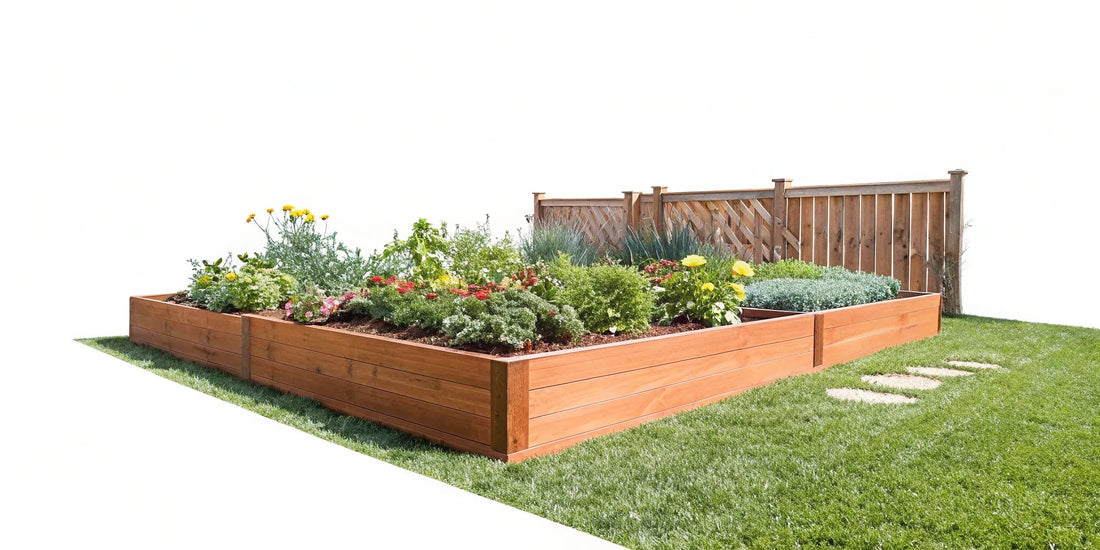
Building something with your own two hands is incredibly satisfying. But let’s be real—not everyone has a workshop full of power tools or a free weekend to spend cutting lumber. That doesn't mean a protected garden is out of reach. Whether you're a DIY pro ready to build from scratch or a busy gardener looking for a simpler solution, this guide is for you. We’ll break down the tools for a custom build and show you how a modular kit saves time without sacrificing quality. You'll find clear, actionable enclosed garden bed plans and tips to help you choose the right path for your skill level and budget.
Key Takeaways
- Design a Garden That Fits Your Life: Plan your bed's dimensions for easy reach and a comfortable working height. Before building, mark out the footprint in your yard to ensure it fits the space and allows for clear pathways.
- Build a Lasting, Critter-Proof Fortress: Select low-maintenance materials like composite or metal to avoid future rot and warping. The most critical step for protection is installing a hardware cloth barrier at the bottom before adding soil to stop burrowing pests from day one.
- Create and Maintain Nutrient-Rich Soil: You have total control over your garden's foundation. Fill your bed using the "lasagna method" with organic matter at the bottom, then top with a quality soil and compost blend. Each season, add a fresh layer of compost to replenish nutrients and keep your plants thriving.
Why Choose an Enclosed Garden Bed?
If you’ve ever lost your prize-winning tomatoes to a deer or watched your lettuce get nibbled to bits by rabbits, you already know the heartbreak of an unprotected garden. An enclosed garden bed is more than just a pretty structure; it’s your garden’s personal fortress. It gives you a defined, manageable space where you have the final say on everything from the soil composition to who gets to visit (hint: not the pests).
Building an enclosure around your garden beds is one of the smartest things you can do to guarantee a better harvest. It’s a proactive step that solves some of the most common gardening frustrations before they even start. You’re creating a controlled environment that protects your hard work from four-legged thieves, gives you complete authority over your soil and drainage, and can even help you get more out of your growing season. Think of it as setting your garden up for success from the very beginning.
Protect Your Plants from Pests and Wildlife
The most obvious reason to build an enclosed garden is to protect your plants. A physical barrier is your best defense against hungry critters. If you live near a wooded area, deer can decimate a garden overnight, and rabbits have a special talent for finding your tenderest greens. An enclosed garden with a fence, even a short one, is often all it takes to deter them. Our animal barrier gardens are designed specifically for this, creating a no-entry zone for common pests. This simple addition means you get to enjoy the fruits (and vegetables) of your labor, not them.
Create the Perfect Soil for Your Plants
When you build a raised, enclosed garden, you get to be the architect of your soil. Instead of battling with the rocky, clay-heavy, or sandy soil in your yard, you can fill your bed with the perfect mix of high-quality soil and compost. This gives your plants the ideal foundation to thrive. You can also prevent critters from tunneling up from below by lining the bottom with hardware cloth. This setup also ensures excellent drainage, preventing waterlogged roots after a heavy rain. It’s your chance to create the perfect growing medium without having to amend your entire yard.
Extend Your Growing Season for a Bigger Harvest
An enclosed garden bed can act as a mini-greenhouse, helping you stretch your gardening calendar. The soil in a raised bed warms up faster in the spring than the ground does, which means you can start planting earlier. In the fall, you can easily cover your enclosed bed with a frost cloth or a cold frame to protect your plants from the first few frosts, giving you a few extra weeks of harvesting. This controlled environment gives you a little more protection from unpredictable weather, making your gardening efforts more productive and rewarding from start to finish.
What is an Enclosed Garden Called? A Look at "Hortus Conclusus"
The desire to create a private, protected garden space is nothing new. In fact, it has a name with deep historical roots: hortus conclusus. This Latin term, which literally translates to "enclosed garden," describes a space that is intentionally separated from the outside world. Historically, these gardens were walled off for very practical reasons, like ensuring privacy and protecting precious plants and water sources from both animals and intruders. It was about creating a sanctuary—a small, controlled piece of nature that was both beautiful and functional. This ancient concept is the foundation for the modern enclosed gardens we build today for many of the same reasons.
The Historical Roots of Enclosed Gardens
The idea of the hortus conclusus dates back centuries, where gardens were often enclosed by sturdy walls, fences, or dense hedges. This practice wasn't just for looks; it was a necessity. An enclosure kept out wandering livestock and wild animals that could destroy a food source in minutes. It also created a private retreat for contemplation and relaxation, shielded from the public eye. The concept is a powerful reminder that gardeners have always sought to create a personal haven. Today, we carry on that tradition when we build a fenced-in vegetable patch or a walled patio garden, using modern materials to achieve that same sense of security and seclusion.
Classic Design Elements
Traditionally, a hortus conclusus had a few key features. It was always enclosed, with walls that could range from simple woven fences to formidable stone structures. At the center, you would often find a well or a fountain, serving as a vital water source and a beautiful focal point. The layout was typically orderly and geometric, creating a sense of calm and intention. While you might not be installing a stone well, you can easily adapt these classic principles. A modern animal barrier garden serves as the enclosure, while a birdbath or a striking planter can act as your central feature, bringing that timeless, intentional design into your own backyard.
Your Shopping List: Materials for Your Garden Bed
With your design in mind, it’s time to gather the building blocks for your garden. The materials you choose will determine not only the look of your enclosed bed but also its longevity and how much maintenance it will need down the road. Making smart choices here will save you time and effort for years to come, so let’s walk through the key components you’ll need.
Choosing Your Frame: Composite, Cedar, or Metal?
The frame is the backbone of your garden bed, and you have a few great options. Traditional wood, like cedar, is a popular DIY choice because it naturally resists rot and insects. However, any wood will eventually break down over time. For a truly long-lasting and low-maintenance solution, consider using composite boards. Our raised garden beds are made from a blend of recycled plastic and sustainably sourced wood fibers, so they won’t rot, warp, or splinter.
Another fantastic, modern option is metal. Metal garden beds offer a sleek look and incredible durability against the elements. They heat up quickly in the spring, helping to warm the soil for earlier planting. Whichever material you lean toward, think about your climate, your style, and how much time you want to spend on upkeep.
Selecting the Right Hardware and Fasteners
If you’re building your garden bed from scratch, the right hardware is non-negotiable for a sturdy structure. Opt for weather-resistant screws and heavy-duty brackets to connect your corners. To prevent the long walls of your bed from bowing outwards under the weight of the soil, it’s a good idea to add extra 2x4 supports vertically between posts. This small step adds a lot of structural integrity. Of course, if you’d rather skip the trip to the hardware store, our Garden Builder Kits include our patented snap-lock brackets and all the necessary components, making assembly a breeze.
Picking a Bottom Barrier and Protective Mesh
One of the biggest perks of a raised bed is pest control, and that starts from the ground up. To stop gophers, moles, and other burrowing critters from tunneling into your garden, line the bottom of the frame with hardware cloth before you add any soil. This tough metal mesh is the most effective way to keep unwanted visitors out. Simply roll it out and staple it securely to the inside of the frame. This creates a complete defense system, especially when paired with fencing on top, like in our Animal Barrier Gardens, which protect your plants from every angle.
Example DIY Materials List
If you're ready to build from scratch, a clear shopping list is the best place to start. Gathering all your materials beforehand makes the whole process smoother and more enjoyable. This list covers the essentials for creating a durable, pest-proof garden bed that will last for years. Think of it as the recipe for your garden's success, ensuring you have everything you need to build a structure that’s as strong as it is beautiful.
- Frame Material: Your main choice is between traditional wood like cedar, or modern, low-maintenance options. While cedar naturally resists rot, composite boards or metal garden beds offer superior longevity without the risk of warping or splintering over time.
- Hardware Cloth: This is your secret weapon against burrowing pests. Before you add any soil, you’ll line the bottom of your bed with this tough metal mesh to stop gophers and moles in their tracks.
- Weather-Resistant Fasteners: Don’t skimp here! Use heavy-duty screws and brackets designed for outdoor use to prevent rust and ensure your bed remains sturdy through every season.
- Wood Sealant: If you do choose wood for your frame, applying a non-toxic, garden-safe sealant will add an extra layer of protection against moisture and extend its life.
- Quality Soil and Compost: This is what will feed your plants. Fill your bed with a nutrient-rich blend of garden soil and compost to create the perfect growing environment.
- Protective Fencing (Optional): To create a truly enclosed space, consider adding fencing around the top. This is the best way to deter deer, rabbits, and other above-ground critters, creating a complete fortress like our animal barrier gardens.
Getting Your Soil Mix Just Right
The final, and arguably most important, material is what you’ll fill your bed with. The soil is where your plants will get all their nutrients, so you want to create a rich, healthy environment. A great, cost-effective method is to start with a base layer of organic materials like cardboard, twigs, and leaves. This is sometimes called the "Lasagna Method," and it helps improve drainage while slowly breaking down to enrich the soil over time. On top of that base, add a high-quality mix of topsoil and compost. This combination provides the perfect balance of structure, moisture retention, and nutrients to help your garden flourish.
What Tools Will You Need?
Before you start, let’s talk tools. You don’t need a professional-grade workshop to build a beautiful enclosed garden, but having the right equipment will make the job much smoother and more enjoyable. The tools you’ll need depend heavily on the materials you choose. If you’re building a custom wooden frame from scratch, your tool list will be longer than if you’re using a kit.
One of the main reasons people love our Garden Builder Kits is that they require minimal tools—often just a hammer or mallet and a screwdriver. The snap-lock system is designed for simplicity. However, if you’re taking on a DIY project from the ground up, here’s a breakdown of the tools that will help you get it done right.
The Must-Have Hand Tools
For any garden bed project, a few hand tools are non-negotiable. You’ll definitely need a quality tape measure, a pencil, and a carpenter's square for accurate marking and layout. A level is also critical to ensure your bed is straight and stable, which helps with even water distribution later on. A cordless drill with a good set of bits is your best friend for driving screws and assembling components. If you’re building a wooden frame, a Kreg Jig is a fantastic tool for creating strong, hidden joints. It helps you drill precise pocket holes, giving your frame a professional finish and long-lasting sturdiness.
Power Tools That Speed Up the Job
While you can build a garden bed without them, power tools are a huge time-saver. A miter saw or a circular saw is essential for making clean, straight cuts in your lumber. If you have a lot of identical pieces to cut, you can set up a "stop block" on your saw. This simple jig allows you to make fast, repeated cuts without measuring each time, ensuring all your pieces are perfectly uniform. This trick not only speeds up the process but also improves the accuracy of your build. An orbital sander is also handy for smoothing any rough edges on your wood before assembly.
Essential Measuring and Marking Tools
The old saying "measure twice, cut once" is your mantra here. Accuracy is everything. Before you even make your first cut, it’s a great idea to visualize the garden bed in your yard. Use string and stakes or even some spray paint to mark out the footprint where it will go. This simple step helps you see the actual size and placement, allowing you to make adjustments before you’ve committed to cutting materials. A reliable tape measure and a speed square will be your go-to tools for marking your cuts and ensuring every corner is a perfect 90-degree angle.
Designing Your Perfect Enclosed Garden Bed
The best part of building your own enclosed garden is that you get to design it exactly for your space and needs. Before you start assembling, thinking through the layout will save you a lot of headaches later. A well-planned design isn't just about looks; it's about creating a garden that's a joy to work in, season after season. Consider how you'll move around the space, how you'll tend to your plants, and what will make your daily gardening tasks easier. A little forethought here goes a long way in creating a productive and accessible garden sanctuary.
How High Should Your Garden Bed Be?
The height of your garden bed walls is a game-changer for both your plants and your back. Deeper beds allow you to grow root vegetables like carrots and potatoes without any trouble. But the real win is for your own comfort. A taller bed means less bending and kneeling, making planting, weeding, and harvesting much more enjoyable. Many gardeners find that a height of 16 to 22 inches is the sweet spot for comfortable gardening without strain. Think about what you want to grow and how you prefer to work, then choose from the variety of raised garden beds available to find your perfect fit.
Finding the Perfect Width and Length
When it comes to dimensions, the golden rule is to never make your garden bed wider than your reach. You should be able to comfortably get to the center of the bed from either side without stepping on the soil, which can compact it and harm your plants. A width of about four feet is standard for beds with access from both sides, or two feet for beds against a wall or fence. The length is more flexible and depends on your space. Using a modular system allows you to create custom shapes and sizes, so you can design a layout that perfectly fits your yard’s unique footprint.
Plan for Easy Access and Upkeep
Don't forget to plan for the space around your garden beds. You'll need clear pathways to move freely with tools, a wheelbarrow, or a watering can. A good rule of thumb is to make your walkways at least three feet wide. This gives you plenty of room to work without feeling cramped. Before you build, also make sure the ground is level. Assembling your bed on a flat surface is crucial for stability and ensures even water distribution for your plants. A level foundation makes the entire process smoother and gives your finished garden a clean, professional look.
Get Creative with Functional Add-Ons
An enclosed garden bed is a fantastic opportunity to get creative. Adding a gate not only keeps critters out but also adds a charming focal point to your garden's entrance. You can find great options in animal barrier gardens that integrate fencing and gates seamlessly. Think vertically, too. You can plant tall flowers like sunflowers along the back to act as a natural trellis for climbing plants like pole beans or peas. These functional touches add personality and can help you maximize your growing space, making your garden as beautiful as it is productive.
Alternative Construction: The No-Dig Method
Let’s be real: the thought of digging deep post holes and mixing concrete is enough to make many of us put a project on the back burner indefinitely. It’s heavy, messy work that can feel overwhelming. But what if you could build a sturdy, enclosed garden without all that hassle? The no-dig method is a game-changer for gardeners who want a secure enclosure without a major construction project. This approach relies on the weight of the garden bed itself and clever hardware to create a stable structure. It’s a practical and effective way to get the pest protection you need, faster. Many modern kits are designed around this principle, making it easier than ever to build a lasting garden fortress.
How Soil Weight Creates Stability
It might be hard to believe that a structure not cemented into the ground can be secure, but it all comes down to simple physics. Once you fill your raised bed, the soil inside can easily weigh thousands of pounds. This incredible weight acts as a massive, natural anchor, pressing the entire frame firmly onto the ground. It’s not going anywhere. This principle is why a well-constructed bed is so important; the frame needs to be strong enough to contain that pressure without bowing or breaking. This is where durable materials like composite boards or metal excel, providing the structural integrity needed to turn a simple box into a heavily anchored foundation for your enclosure.
Securing Posts Without Concrete
So, if the bed is anchored by soil, how do you attach the fence posts? Instead of digging, you can use metal post spikes. These are long, pointed stakes with a bracket on top that you drive into the ground with a sledgehammer. Once they’re in, you can slide your wooden post into the bracket and secure it. For DIY builds, it’s also crucial to create a strong connection between the posts and the bed frame itself using hardware like lag bolts. An even simpler route is to use an integrated system. Our animal barrier gardens are designed specifically for this no-dig approach. The fence posts slide directly into the corner and in-line brackets of the raised bed, using the weight of the soil to hold everything securely in place. It’s an engineered solution that gives you a stable, critter-proof enclosure without ever touching a bag of concrete.
Building Your Enclosed Garden Bed: Step by Step
With your design chosen and materials ready, it’s time for the fun part: building your garden. Whether you’re constructing a bed from scratch or using one of our simple raised garden beds, following these steps will ensure a sturdy and successful setup. The process is straightforward, and breaking it down into these four key stages makes it manageable for any gardener. Let’s get your garden built so you can move on to planting.
Step 1: Prepare and Level Your Site
First things first, you need a solid foundation. A level site is critical for the stability of your garden bed and ensures even water distribution for your plants. Start by clearing the designated area of any grass, weeds, or large rocks. Once cleared, use a long board and a level to check the ground. If it’s uneven, you’ll need to dig out high spots and fill in low spots with soil until the entire footprint is perfectly flat. You can outline the final dimensions with string or spray paint to visualize the space before you begin assembly. This small amount of prep work saves you major headaches later.
Improving Drainage with a Gravel Base
To give your garden the best possible drainage, lay down a gravel base before setting your frame in place. This step is a game-changer, especially if your yard has heavy clay soil that holds onto water. Just a few inches of gravel creates a drainage layer, letting excess water flow away so your soil doesn't get waterlogged and your plants' roots stay healthy. This firm foundation also keeps your garden bed from sinking or shifting over the years. While our composite raised garden beds are built to resist rot, setting them on a solid, well-draining base is a smart move that supports the health of your entire garden for the long haul.
Step 2: Assemble the Frame
Now it’s time to put the walls of your garden together. If you're building with wood, you’ll want to construct your frame and add vertical supports to prevent the walls from bowing under the weight of the soil. For a simpler approach, a modular kit makes assembly a breeze. Our Garden Builder Kits, for example, use a snap-lock system that requires no tools. Once the main bed is constructed, you can add the enclosure. This typically involves attaching posts to the frame and stretching wire mesh or fencing around them to create a protective barrier against pests.
Construction Method: Stacking U-Shaped Layers
If you're building a taller enclosure from scratch, one clever construction method involves stacking U-shaped layers. Instead of trying to build one massive, heavy frame, you construct the enclosure in manageable sections. You’ll build three separate U-shaped frames, stack them on top of each other to achieve your desired height, and then secure them together with vertical supports. Once the main structure is solid, you can attach your wire mesh and a door. This approach breaks a big project down into smaller, more achievable steps, making it easier to handle, especially if you’re working alone.
Pro Tip: Pre-Drill Holes in Cedar
Here’s a tip that will save you a lot of frustration when working with wood, especially cedar. Cedar is a beautiful and rot-resistant choice, but it can be prone to splitting when you drive screws into it. To avoid this, always drill small pilot holes before putting in your screws. A pilot hole is just a small hole that’s slightly narrower than your screw, and it gives the screw threads a path to follow without forcing the wood fibers apart. This simple, extra step ensures a clean, professional finish and prevents you from cracking the boards you just spent time cutting.
Protecting Wood with a Waterproof Liner
When you’re building with wood, its biggest enemy is constant moisture from the soil. Over time, this can lead to rot, compromising the structure of your garden bed. To extend the life of your wooden frame, you can install a waterproof liner, like a pond liner, on the inside of the bed before you add your soil. Just staple it along the interior walls to create a barrier between the damp soil and the wood. This is a crucial step for wood longevity, and it’s one of the reasons many gardeners opt for materials like our composite boards or metal beds, which don’t require this extra step and won’t rot over time.
Step 3: Install the Bottom Barrier
Before you add any soil, it’s smart to install a barrier at the bottom of your bed. This is your best defense against burrowing pests like gophers and moles. Lay down a layer of sturdy hardware cloth, cutting it to size and securing it to the inside base of the frame with staples. This creates a tough barrier that critters can’t chew through. If you’ve built your frame from wood, you might also consider lining the inside walls with heavy-duty plastic to protect the lumber from moisture and extend its life. This step isn't necessary for composite boards, which are designed to resist rot.
Step 4: Fill with Soil and Add Finishing Touches
With your structure secure, you can finally add the soil. A great way to fill a deep raised bed without breaking the bank is the hugelkultur or "lasagna" method. Start by layering organic materials at the bottom, like fallen branches, twigs, leaves, and grass clippings. These materials will slowly decompose, releasing nutrients and creating a rich foundation for your plants. Top these layers off with a high-quality blended garden soil and compost, filling the bed to just a few inches below the rim. Give it a good watering, and your enclosed garden bed is officially ready for planting.
Using Cardboard for Weed Suppression
Before you start filling your bed with that beautiful, nutrient-rich soil, lay down a layer of plain brown cardboard at the bottom. This simple step is a game-changer for weed control. The cardboard acts as a natural, biodegradable barrier that smothers any grass or weeds on the ground below, preventing them from growing up into your garden. As part of the "Lasagna Method," this base layer will slowly break down over the season, adding valuable organic matter to your soil and improving its structure. Just be sure to remove any plastic tape or labels first. It’s an easy, eco-friendly way to give your plants a head start without competing with unwanted growth.
Accounting for Soil Compaction
One of the biggest mistakes new raised bed gardeners make is stepping on the soil. It might seem harmless, but walking in your garden bed compacts the soil, squeezing out the air pockets that plant roots need to breathe and access water. This can lead to stunted growth and poor drainage. To avoid this, always design your bed so you can reach the center from either side without having to step inside. A width of four feet is generally the maximum for easy access. Keeping your feet on the pathways ensures your soil stays light and fluffy, creating the perfect environment for a thriving root system.
Tip: Staining Your Wood Frame
If you’ve decided to build your enclosed garden with traditional wood like cedar, here’s a tip that will save you a lot of hassle: stain or seal the boards before you assemble the frame. It is so much easier to apply an even coat when the pieces are laid out flat on a tarp, rather than trying to carefully paint around corners and avoid getting stain on your soil later. This pre-assembly step ensures every surface is protected from moisture from the start. Of course, if you’d rather skip the maintenance of staining altogether, you can always choose a material like composite or metal that is naturally weather-resistant and requires no upkeep.
Avoid These Common Building Mistakes
Building your own enclosed garden is an incredibly rewarding project, but a few common missteps can lead to frustration down the road. Trust me, I’ve seen it happen! Taking a little extra time to plan and build correctly from the start will save you from headaches later and ensure your garden thrives for years to come. Think of it as setting the foundation for success. By sidestepping these frequent errors in planning, support, and material selection, you can build a sturdy, productive, and beautiful garden bed with confidence. Let’s walk through what to watch out for.
Mistake #1: Incorrect Sizing and Planning
One of the easiest mistakes to make is misjudging the final size of your garden bed. A design that looks perfect on paper can feel overwhelming or too small once it’s in your yard. Before you buy a single board, grab some string or spray paint and mark the footprint of your bed on the ground. This simple step helps you visualize the scale and ensures you leave enough room for pathways to walk, kneel, and maneuver a wheelbarrow. Getting the size right from the outset prevents the surprise of a bed that’s too big for the space or too small for your planting ambitions. Using pre-designed garden builder kits can also take the guesswork out of dimensions.
Mistake #2: Forgetting Structural Support
Once your bed is filled with soil and water, the walls will be under a surprising amount of pressure. Without proper reinforcement, wooden sides can start to bow outwards, compromising the entire structure. If you're building from scratch with wood, it’s a good idea to add extra supports, like 2x4s, vertically along the posts and horizontally across the base to keep everything in place. This is a common issue that many DIY builders face. To avoid this problem entirely, consider a system with built-in structural integrity. Our snap-lock raised garden beds are engineered to withstand soil pressure without bowing, ensuring your garden looks great season after season.
Mistake #3: Choosing the Wrong Materials
The materials you choose will determine your garden bed's lifespan, maintenance needs, and overall cost. Cedar is a popular choice for its natural rot resistance, but it can be pricey and tends to split if you don’t pre-drill holes for screws. Pressure-treated wood is more budget-friendly, but some gardeners have concerns about the chemicals used in the treatment process. It’s important to weigh the pros and cons for your specific needs. For a durable, low-maintenance alternative, composite boards resist rot and warping without the drawbacks of wood. Likewise, modern metal garden beds offer incredible longevity and a sleek look, making them another excellent long-term investment for your yard.
What Should You Plant in Your Enclosed Garden Bed?
Once your enclosed garden bed is built, the real fun begins: deciding what to grow. The beauty of a raised bed is the control it gives you. You’ve created the perfect environment with rich, loose soil, which means a huge variety of plants will be happy to call it home. Whether you’re dreaming of a salsa garden packed with tomatoes and peppers or a fragrant plot of fresh herbs, your enclosed bed is a blank canvas for your culinary and creative ambitions. This controlled environment takes a lot of the guesswork out of gardening, leading to healthier plants and more successful harvests.
The key is to choose plants that suit your climate and the amount of sunlight your garden gets. An enclosed garden with an animal barrier also gives you the freedom to grow delicious crops without worrying about neighborhood critters helping themselves to your harvest. Forget battling with rabbits over your lettuce—you get to enjoy every last leaf. Let’s look at some of the best options to get you started on filling your new garden.
Best Vegetables for Your Enclosed Garden Bed
The warm, loose, and nutrient-dense soil in a raised bed is a dream come true for many vegetables. Fruiting plants like tomatoes, cucumbers, and bell peppers do exceptionally well because their roots have plenty of room to grow and they benefit from the excellent drainage. You’ll find they are often more productive in a raised bed than in a traditional garden.
Root vegetables are another fantastic choice. Carrots, radishes, and beets can grow long and straight without fighting against compacted, rocky soil. This makes harvesting them much easier and more rewarding. If you have a deeper bed, you can even grow deep-rooted vegetables like pumpkins or sweet potatoes. For more ideas, check out this list of the 10 best vegetables for raised beds.
Top Herbs and Small Fruits to Grow
Herbs are a perfect match for enclosed garden beds. Most don’t require a lot of space and thrive in the well-drained soil you’ve created. Easy-to-grow options like basil, parsley, chives, and oregano will give you fresh flavors for your kitchen all season long. You can dedicate a whole bed to herbs or simply tuck them in between your vegetable plants.
Small fruits, especially berries, are also great candidates. Planting raspberries or blueberries in a raised garden bed helps contain their roots and prevents them from spreading all over your yard. You get to enjoy the sweet, homegrown fruit without the plant taking over. Just be sure to choose varieties that are suited to your climate and provide the right soil acidity, especially for blueberries.
How to Plan Your Plantings Season by Season
To get the most out of your garden, think about what you can grow throughout the seasons. A smart planting strategy ensures you have a continuous harvest from spring through fall. Start by planting cool-season crops like lettuce, spinach, and kale in the early spring. Once you harvest them, the space opens up just in time for warm-season favorites like tomatoes and zucchini.
You can also practice succession planting. This involves planting a small batch of a fast-growing crop, like radishes or arugula, every two weeks. As soon as you harvest one batch, the next one is almost ready to go. This simple technique keeps your garden productive and your kitchen stocked with fresh produce. Using a garden builder kit can help you design a layout with multiple sections, making seasonal rotation even easier to manage.
Keeping Your Enclosed Garden Bed Healthy
Once your enclosed garden bed is built and planted, the real fun begins. Maintaining it doesn't have to be a chore; a little consistent care will keep your plants happy and your harvests abundant all season long. The beauty of an enclosed system, especially one with an animal barrier, is that it already solves some of the biggest gardening headaches. You won't have to worry about deer treating your lettuce like a salad bar or rabbits nibbling your bean sprouts. This frees you up to focus on the fundamentals: nurturing the soil, providing the right amount of water, keeping an eye out for smaller pests, and doing a little seasonal tidying. Think of it as a simple routine that ensures your garden stays productive and healthy year after year. By staying on top of these four key areas, you’ll spend less time troubleshooting problems and more time enjoying the fruits (and vegetables) of your labor. It's all about creating a healthy ecosystem in a small space, and you're in complete control.
Simple Tips for Healthy Soil
Great gardens start with great soil. In an enclosed bed, you have complete control over this crucial element, and keeping it healthy is straightforward. The best thing you can do is keep the soil covered. A layer of organic mulch, like straw, shredded leaves, or compost, helps retain moisture, keeps weeds from sprouting, and prevents the soil from eroding or becoming compacted by heavy rain. As the mulch breaks down, it adds valuable organic matter back into the bed. According to Penn State Extension, this simple step is one of the most effective ways to maintain soil vitality. At the start of each planting season, work an inch or two of fresh compost into the top layer to replenish nutrients your plants used up.
Watering Your Garden Bed the Right Way
Watering is a balancing act, and enclosed beds have their own rhythm. Because they offer excellent drainage, you don't have to worry as much about waterlogged roots. However, they can also dry out more quickly than in-ground gardens, especially on hot, windy days. The key is to check the soil regularly. Stick your finger a couple of inches deep—if it feels dry, it’s time to water. Aim to water the soil directly, not the leaves, to prevent fungal diseases. A deep, thorough watering a few times a week is much better than a light sprinkle every day. For a hands-off approach, consider our Self-Watering Planters, which provide a consistent moisture supply directly to the roots.
How to Keep an Eye Out for Pests
While an enclosed garden bed keeps out rabbits and deer, smaller pests like aphids, slugs, and cabbage worms can still find their way in. The best defense is a good offense. Make a habit of inspecting your plants every few days, checking the undersides of leaves and around the base of the stems. Catching pests early makes them much easier to manage. If you spot any unwanted visitors, you can often remove them by hand or use a gentle, organic pest control method. Encouraging beneficial insects like ladybugs and lacewings can also help keep pest populations in check naturally. A well-maintained garden is less attractive to pests, so keeping your plants healthy is your first line of defense.
Your Seasonal Maintenance Checklist
A little seasonal prep work will set your garden up for success. In the spring, before you plant, top off your bed with a fresh layer of compost to enrich the soil. This is also a good time to check that your bed's frame is secure and in good condition. At the end of the season, remove any dead or diseased plant material to prevent pests and pathogens from overwintering in the soil. You can leave healthy plant roots in the ground to decompose, which adds organic matter. Taking these simple steps ensures your raised garden bed will be ready for another productive year.
Troubleshooting Common Garden Bed Problems
Even with the most careful planning, you might run into a few hiccups with your enclosed garden bed. Don’t worry—it happens to every gardener! Most common issues are easy to fix with a little know-how. Whether you’re dealing with soggy soil, unwelcome critters, or a frame that’s starting to bow, there’s a straightforward solution. Getting ahead of these problems ensures your garden stays productive and beautiful for years to come. Let’s walk through how to tackle some of the most frequent challenges you might face.
What to Do About Poor Drainage
Proper drainage is non-negotiable for a healthy garden. If water can’t escape, your plant roots can become waterlogged, leading to root rot and unhappy plants. If you notice your soil stays soggy long after watering, you may have a drainage problem. A great DIY solution for custom-built beds is to use corrugated metal roofing for the bottom. It’s strong, lightweight, and you can drill holes throughout to let excess water out. For pre-designed kits, ensure you’ve layered the bottom of your bed with materials like gravel or twigs before adding soil. This creates air pockets that help prevent soil compaction and improve water flow, keeping your plant roots healthy and happy.
How to Stop Pests from Sneaking In
One of the main reasons to build an enclosed garden is to keep pests out, but determined critters can still find their way in. To stop animals like gophers and moles from tunneling up from below, lay a layer of hardware cloth across the bottom of your frame before you add any soil. This creates a tough barrier they can’t dig through. For even more protection, you can add a layer of cardboard on top of the hardware cloth to help suppress weeds. If you’re dealing with pests from above, like deer or rabbits, consider adding a fence. Our animal barrier gardens integrate fencing directly into the design for a simple, all-in-one solution.
Fixing a Wobbly or Unstable Frame
Over time, the weight of soil and water can cause the walls of your garden bed to bow outwards, especially with wooden frames. To prevent this in a DIY build, you can add vertical 2x4 supports inside the frame. For wooden beds, lining the interior walls with heavy-duty plastic can also extend the life of the wood by protecting it from constant moisture. Of course, the best way to avoid stability and rot issues is to choose the right materials from the start. Our composite raised garden beds are designed to never rot, warp, or lose their shape. The durable boards and snap-lock joints create a strong, stable frame that stands up to the pressure of soil and weather without extra reinforcement.
Ready to Start? Plan Your Project
A successful garden project starts long before you break ground. Taking the time to map out your vision will save you headaches and help you create a space you’ll love for years. Thinking through your budget, timeline, and layout ensures your build goes smoothly from the first board to the final harvest. A little planning now means you can spend less time troubleshooting and more time enjoying your beautiful, productive garden. Let’s walk through the three key steps to get your project off to a great start.
How to Budget for Your Garden Bed
Before you start, it’s important to get a clear picture of the total cost. A full DIY wood build can add up quickly. For example, a project using cedar boards, posts, and hardware cloth can easily run between $700 and $800. When you’re sourcing everything yourself, you have to account for lumber, screws, mesh, and any potential price fluctuations. A great way to manage your spending is to use pre-designed Garden Builder Kits. With a kit, the cost is determined upfront, so there are no surprise trips to the hardware store. This approach simplifies budgeting and often includes everything you need to assemble the frame.
Setting a Realistic Project Timeline
Building an enclosed garden bed is a manageable project, but it’s wise to set a realistic timeline. A from-scratch build can take a full weekend for the main construction. If you’re using wood that needs to be sealed or stained, you’ll need to add extra time for the wood to dry properly before you can proceed. And don’t underestimate the most physically demanding part: filling the beds with soil! If you want to get to the planting stage faster, using modular raised garden beds can cut your assembly time down significantly. The snap-lock system means you can put the frame together in a couple of hours, not a couple of days.
Factoring in Labor and Material Delivery
Beyond the time spent building, don't forget to account for the labor involved in sourcing and transporting your materials. A DIY project often means multiple trips to the hardware store, wrestling long pieces of lumber into your car, and hauling heavy bags of screws and brackets. This "pre-work" can eat up a significant chunk of your weekend before you even make the first cut. When you opt for a kit, all the necessary frame components arrive in a single, convenient package. This streamlines the entire process, transforming the project from a logistical puzzle into a straightforward assembly. Instead of spending your energy on sourcing materials, you can focus on the enjoyable part: putting your new garden together.
Tailoring the Design to Fit Your Space
Your garden should feel like a natural extension of your outdoor space. Think about the best spot in your yard—one that gets plenty of sunlight and is easy to access for watering and harvesting. Before you commit, try marking out the footprint with string or spray paint to visualize how it will fit. This is where you can get creative. Do you have an awkward corner you want to fill? A modular design allows you to build a garden that fits your yard perfectly. You can also incorporate features like built-in fencing to create effective animal barrier gardens that protect your precious plants from deer and other curious critters.
Related Articles
- What Materials & Plants Should I Fill My Raised Garden Bed With?
- Safest materials for raised garden beds | Frame It All
- Raised Garden Beds with Animal Barrier Fence | Frame it All
Frequently Asked Questions
How deep does my enclosed garden bed need to be? For most vegetables and herbs, a depth of about 11 to 16 inches is perfect. This gives roots plenty of room to grow without requiring a massive amount of soil. If you’re planning to grow long root vegetables like carrots or potatoes, or if you simply want to save your back from bending over, a taller bed of 22 inches or more is a fantastic choice.
What's the real difference between using a kit versus building from scratch? Building from scratch gives you complete creative control, but it also requires more planning, tools, and time. You'll be responsible for sourcing all the materials and ensuring the structure is strong enough to hold the soil without bowing. A kit simplifies the entire process. The design is already engineered for stability, the costs are clear upfront, and assembly is usually much faster, letting you get to the planting part sooner.
Will composite or metal beds get too hot in the sun and harm my plants? This is a common concern, but you don't need to worry. The large volume of soil inside the bed acts as an excellent insulator, protecting the plant roots from any heat absorbed by the frame. In fact, the material warming up faster in the spring is actually a benefit, as it helps warm the soil so you can start planting earlier in the season.
Do I really need to put a barrier at the bottom of the bed? If you live in an area with burrowing critters like gophers, moles, or voles, then yes, absolutely. Lining the bottom of your bed with hardware cloth is the single most effective way to stop them from tunneling up and eating your plants from below. It’s a simple step to take during assembly that can save you a lot of heartbreak later on.
How do I figure out how much soil I need to buy? It can seem like a lot, but there's a simple way to estimate. You can calculate the volume of your bed by multiplying its length by its width by its height. Most soil is sold in cubic feet or cubic yards, so you may need to do a quick conversion online. To make it even easier, just search for a "raised bed soil calculator," and you can plug in your dimensions to get an accurate number.