
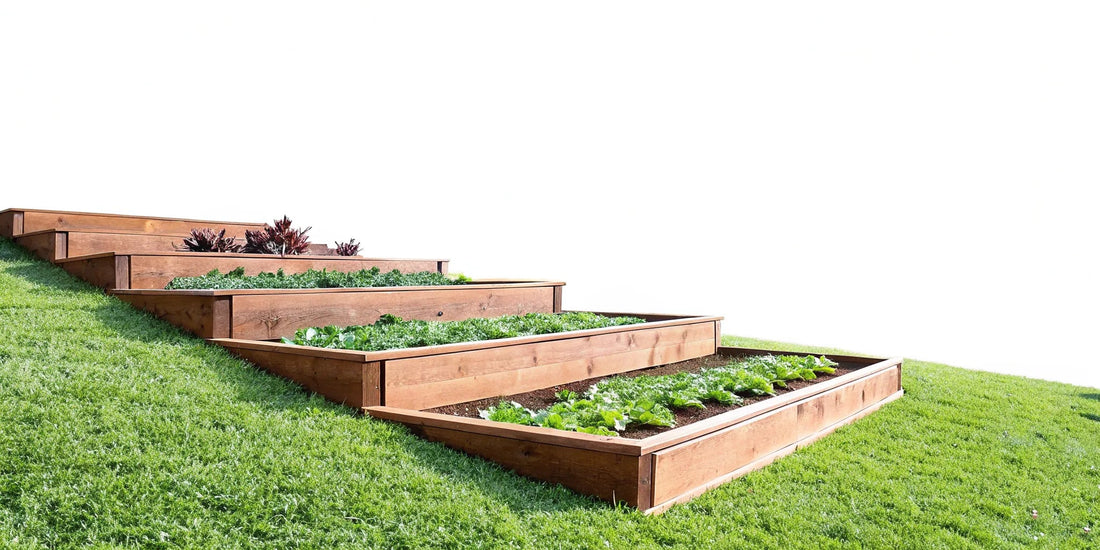
A sloped yard can feel like a challenge, but it's actually an incredible opportunity for a stunning garden. The secret is to work with the natural contour of the land, not against it. By installing a series of terraced beds, you can build a beautiful tiered garden bed that turns a hard-to-mow incline into a productive focal point. This setup stops erosion, creates perfect planting pockets, and makes gardening so much easier on your back. This guide will walk you through everything you need to know, from planning your layout to managing drainage for a thriving garden.
Key Takeaways
- Plan Your Layout Before You Dig: Measure your slope to determine the right number and size of tiers for your space. Planning for pathways and a simple watering system from the start will make maintaining your garden much easier.
- Build a Strong, Level Foundation: A tiered garden's stability depends entirely on its base. Create level platforms for each bed to rest on and use durable, rot-resistant materials to build walls that can handle the pressure of the soil.
- Use Plants and Mulch to Stop Erosion: Fill your beds with a compost-rich soil mix, choose plants with strong root systems to anchor the soil, and top everything with a thick layer of mulch. This combination is your best defense against washouts.
Is a Tiered Garden Right for Your Slope?
That sloping section of your yard might feel more like a challenge than a canvas, but it’s brimming with potential. Instead of watching soil and mulch wash away after every heavy rain, you can transform that tricky incline into a stunning and productive feature. This is where tiered gardening comes in. By building a series of level planting areas that step down the hill, you create a functional and beautiful landscape that works with your yard’s natural contours, not against them.
Tiered landscaping is a classic technique that turns a difficult space into one of the most interesting parts of your garden. It directly addresses common slope problems like erosion and poor drainage while creating new, accessible planting opportunities. Whether you envision a cascade of colorful flowers, a highly productive vegetable patch, or a mix of ornamental grasses and shrubs, a tiered design provides the stable, level ground you need to bring your vision to life. It’s a smart, practical solution that adds immense value and visual appeal to your property, turning a landscaping headache into a beautiful, intentional design.
The Real Perks of Hillside Gardening
The most obvious benefit of a tiered garden is creating perfectly flat, usable space on an otherwise unusable slope. Each tier becomes a dedicated planting box, giving you full control over the soil and growing conditions. This setup allows you to cultivate a diverse mix of plants that might not thrive on an incline. You can dedicate one level to sun-loving herbs and another to shade-tolerant greens, creating unique microclimates. Beyond the practical advantages, tiered gardens add incredible beauty and structure to your landscape. The clean lines and stepped levels draw the eye, turning a simple hill into a deliberate, dynamic garden design.
Beyond the Slope: The Everyday Perks of Raised Beds
While tiered gardens are a fantastic solution for hillsides, they also come with all the built-in advantages of raised bed gardening. Taming a slope is the main goal, but you'll also enjoy a host of other benefits that make gardening easier, more productive, and more enjoyable. From saving your back to keeping pests at bay, these everyday perks are what make raised beds a favorite among new and seasoned gardeners alike. Once you experience them, you'll wonder how you ever gardened without them.
Save Your Back and Knees
Let’s be honest: traditional gardening can be tough on the body. All that bending, kneeling, and hunching over can take the joy out of the experience. Raised beds literally lift the garden up to you, reducing the strain on your back and knees. This makes gardening more accessible and sustainable for everyone, including older gardeners or anyone with mobility challenges. Instead of feeling sore after a day of planting, you can spend more time enjoying your garden and less time recovering from it. For even more comfort, you can explore elevated planters that bring your garden to waist height, eliminating the need to bend over at all.
Get a Head Start on the Season
If you're an eager gardener who can’t wait to get planting in the spring, you’ll love this benefit. The soil in raised beds warms up and dries out faster than the ground soil. This is because it’s lifted above the cold, often waterlogged earth and gets more exposure to the sun. This slight temperature difference allows you to start planting earlier in the season, giving your crops a valuable head start. A longer growing season means you can enjoy an earlier harvest and potentially even fit in a second round of planting for some crops before the first frost arrives in the fall.
Fewer Weeds, Fewer Pests
A raised bed gives you a clean slate. You fill it with fresh, high-quality soil, which means you aren't fighting against years of dormant weed seeds already in your yard. The contained walls also create a physical barrier that helps prevent lawn grass and creeping weeds from invading your garden space. This barrier works against pests, too. Slugs, snails, and other crawling critters have a harder time reaching your plants. For larger pests like rabbits and deer, you can easily add a protective fence. Our Animal Barrier Gardens are designed specifically for this, integrating fencing right into the bed for a simple, effective solution.
Maximize Your Growing Space
Tiered garden beds are an incredibly efficient way to use your available space, especially in smaller yards or on patios. By going vertical, you can pack a lot of growing power into a compact footprint. This design allows you to layer plants according to their needs—for example, placing sun-loving herbs on the top tier and leafy greens that appreciate some shade on the lower levels. This intensive planting method lets you grow a diverse and abundant garden without needing a huge plot of land. It’s a smart strategy for anyone looking to make the most of their outdoor area, turning even a small slope into a productive oasis.
How Tiered Garden Beds Control Erosion and Drainage
Water and gravity are a tough combination on a hillside. Rain can easily wash away topsoil, nutrients, and seeds, leaving you with poor soil quality and a muddy mess at the bottom of the slope. Tiered raised garden beds are one of the most effective ways to stop this cycle. Each tier acts as a barrier, slowing the flow of water as it moves downhill. Instead of rushing off the surface, water has time to soak into the soil of each bed, hydrating your plants right at the root zone. This terracing technique stabilizes the soil, prevents erosion, and ensures your garden—not the storm drain—gets the benefit of every rainfall.
First Steps: Designing Your Tiered Garden Bed
Before you grab a shovel, let's talk strategy. A little planning goes a long way, especially on a slope. Taking the time to map out your tiered garden will save you headaches later and set you up for a beautiful, productive space. Think of it as creating a blueprint for your hillside oasis. We'll walk through how to measure your space, decide on the perfect layout for your tiers, and think through the practical details like watering and access. A solid plan is the foundation of a garden that you'll love for years to come.
How to Measure Your Slope and Space
First things first, get to know your hill. How steep is it, and how much room do you have to work with? Understanding your slope's angle is key to a stable and effective design. For a simple measurement, you can use two stakes and a level string, or you can just eyeball it—is it a gentle incline or a steep drop? Next, measure the total length and width of the area you plan to transform. Don't forget to observe how the sun moves across the space throughout the day. This will help you choose the right plants later on and ensure your garden thrives. A well-thought-out plan starts with understanding your unique landscape.
Finding the Perfect Spot: Sun and Spacing
Once you know the dimensions of your slope, it's time to think about sunlight. Most vegetables and flowering plants need at least six hours of direct sun each day to really flourish. Spend a day observing your chosen spot to see how the light changes. For the best results, try to orient your beds so they run North-to-South. This simple trick prevents taller plants from casting a shadow over their shorter neighbors, ensuring everything gets a piece of the sun. Think of it like stadium seating for your garden. Also, consider how you'll move between the tiers. Leaving enough space for a small path or a few stepping stones will make planting, weeding, and harvesting much more comfortable.
Straight vs. Curved: What's Your Garden's Style?
Now for the fun part: deciding on the look. Do you prefer the clean, orderly appearance of straight lines, or the soft, natural flow of curves? Straight-edged tiers create a formal, structured look that can feel very modern and intentional. They're great for directing the eye toward a specific focal point. Curved tiers, on the other hand, lend a more organic and relaxed feel to the landscape, creating a sense of gentle movement. Your choice really comes down to personal preference and the overall style of your home and yard. With versatile garden builder kits, you have the freedom to design a layout that perfectly matches your vision, whether it's geometric and precise or gracefully flowing down the hill.
Plan Your Tiers: How Many and How Big?
Now for the fun part: designing the tiers. Terracing your slope by building a series of flat, level sections is a total game-changer for turning an unusable hill into a productive garden. The steepness of your slope will guide your design. Steeper hills generally need more, narrower tiers to hold back the soil, while gentler slopes can support fewer, wider beds. Think about how you'll use the garden. Each tier should be a manageable size—a good rule of thumb is to keep beds no more than four feet wide, so you can easily reach the middle from either side. Our modular raised garden beds make it easy to create the perfect dimensions for your space.
Don't Forget Pathways and Watering
A beautiful garden that’s impossible to care for isn't much fun. That's why planning for access and watering from the start is so important. How will you get to each level for planting, weeding, and harvesting? Consider building simple steps or leaving a pathway of mulch or stepping stones along one side of your tiers. When it comes to watering, a simple irrigation system can be a lifesaver. Soaker hoses or drip lines are fantastic for tiered gardens because they deliver water slowly and directly to the soil, which helps prevent erosion and runoff. Planning these practical elements now will make maintaining your hillside garden a breeze.
Thinking Outside the Box: Creative Designs
Your tiered garden doesn’t have to be a simple set of stacked rectangles. Think of it as a piece of living sculpture that adds character to your landscape. You can create stunning visual effects by playing with shapes and materials. Consider curving your tiers to follow the natural flow of the land, creating a softer, more organic look. Or, try a staggered layout where the beds aren't perfectly aligned, adding a dynamic and modern feel. While you can build with materials like stone or reclaimed wood for a rustic aesthetic, a modular system gives you the ultimate freedom to design a custom layout that is both unique and easy to assemble. With the right approach, you can turn your functional garden into a true work of art that complements your home and your style.
What Are the Best Materials for a Tiered Garden Bed?
Selecting the right materials for your tiered garden is a big decision that will influence the look, longevity, and maintenance of your hillside project for years to come. Because you’re building on a slope, you need materials that can handle the constant pressure of the soil behind them and stand up to the elements without shifting or degrading. Your choice also comes down to personal preference and how much work you’re willing to put in, both during installation and over the long term. It's a balance between creating the garden of your dreams and choosing a project you can realistically complete and maintain.
The most common options include composite boards, traditional wood, natural stone, concrete blocks, and metal. Each has its own set of benefits and challenges. Composite offers a modern, low-maintenance solution, while wood and stone provide a classic, natural aesthetic. Concrete is a workhorse for stability on steep inclines, and metal brings a sleek, durable edge to garden design. Think about the overall style of your home and landscape, your budget, and how hands-on you want to be. Choosing a material that’s easy to work with can make the entire construction process much smoother, which is a huge plus when you’re building on uneven ground. A well-chosen material not only looks great but also provides the structural integrity your hillside garden needs to thrive.
Why We Love Composite Boards (Especially Our Snap-Lock System)
If you’re looking for a durable, low-maintenance option that will last for decades, composite boards are a fantastic choice. Unlike some types of wood, composite materials are resistant to rot, warping, and pests, so you won’t have to worry about replacing them. What makes them even better for a hillside project is the ease of installation. Our modular raised garden beds use a simple snap-lock system. This means you can build your tiers without wrestling with complex tools or hardware, which is a lifesaver when you’re working on uneven ground and need a straightforward, reliable setup.
The Pros and Cons of Wood vs. Stone
Wood offers a classic, natural look that blends beautifully into any landscape. It can be easily cut and customized to fit the specific dimensions of your tiers. If you go this route, it’s crucial to choose a rot-resistant wood like cedar or redwood to ensure your garden stands the test of time. Natural stone provides unmatched durability and a beautiful, rustic feel. However, it’s a more labor-intensive and expensive option. Hauling heavy stones up a slope and fitting them together requires significant effort, so it’s best suited for those who are ready for a bigger, more permanent construction project.
What About Concrete and Metal Options?
For very steep slopes where stability is the top priority, concrete blocks are a powerhouse. They offer incredible strength and can be used to build solid retaining walls that hold back a lot of soil. While not always the most decorative option on their own, they can be faced with stone or stucco for a more finished look. Metal is another popular modern choice. Our metal garden beds are lightweight, easy to assemble, and incredibly durable. They heat up quickly in the spring, which can give your plants a head start, and their sleek profile works well in many contemporary garden designs.
DIY vs. Kit: Breaking Down the Costs
At first glance, building your tiered garden from scratch seems like the most budget-friendly route. When you tally up the cost of lumber, screws, and other hardware, a DIY bed can run you anywhere from $100 to $300, assuming you already own all the necessary tools. If you need to invest in a saw or drill, that figure can easily jump to $600 or more. While a kit might have a higher initial price tag, it offers cost certainty. You know exactly what you’re paying for, and every single component—every board, bracket, and screw—is included in the box. This saves you from making multiple trips to the hardware store for that one thing you forgot, which we all know adds up in both time and money.
Don't Forget the Hidden Costs of DIY
The price tag on your materials is only part of the story. The biggest hidden cost of any DIY project is your time. Building a tiered garden on a slope, ensuring every level is perfect and every corner is square, can take many hours, especially if you're new to construction. That’s valuable time you could be spending planting and enjoying your garden. It’s also easy to make a simple mistake, like cutting a board too short or misaligning a corner. According to the experts at Gardenary, these small errors can force you to buy more materials, quickly erasing any initial savings. A kit eliminates this risk with pre-measured pieces designed for a perfect fit.
Thinking Long-Term: The Value of Quality Materials
When you’re building a structure that needs to hold back tons of soil on a hill, durability is non-negotiable. The upfront cost of your materials often directly correlates with how long your garden will last. A tiered bed built with cheaper pine, for example, might start to rot and fail in just three or four years. In contrast, a high-quality kit made from cedar or composite materials can easily last for a decade or more. Investing in a durable material from the start saves you the significant cost and labor of having to rebuild your entire structure down the line. Our composite raised garden beds are designed to withstand the elements for years without rotting or warping, providing the long-term stability a hillside garden demands.
Getting Creative with DIY Materials
Of course, one of the biggest draws of a DIY project is the freedom to get creative. If you love a rustic or eclectic look, you can build beautiful tiered gardens using unconventional materials. You can stack cinder blocks, arrange natural stones, or use sheets of corrugated metal for an industrial vibe. Many gardeners even repurpose old items like galvanized tubs, wooden crates, or even old dressers to create unique, small-scale planters. While these options are fantastic for adding personality to your space, they may not offer the structural integrity needed for a large, steep slope. For bigger projects, combining a sturdy frame with your creative touches can give you the best of both worlds—a garden that’s both stable and uniquely you. Our garden builder kits offer a great starting point for customization.
How to Build Your Tiered Garden, Step by Step
This is where the real work begins, but don't worry—with a clear plan, it's completely doable. Breaking down the construction into manageable steps is the secret to building a tiered garden that’s both beautiful and built to last. The goal is to create a series of level, stable platforms for your garden beds to sit on. Think of it like building a staircase up the hillside. Each step needs to be solid before you move on to the next. Proper preparation here prevents headaches later, like shifting walls or soil washouts. A solid foundation ensures your garden won't slide during a heavy rainstorm and that water distributes evenly to your plants instead of just running down the hill. It’s the most physically demanding part of the project, but getting it right is what separates a temporary garden from a permanent landscape feature. We’ll walk through measuring your space, leveling the ground for each tier, and finally, building the walls. If you're looking for a straightforward solution, our customizable kits come with everything you need to assemble the beds themselves, letting you focus your energy on getting the groundwork just right.
Measure and Mark Out Your Tiers
First things first, you need to outline exactly where your tiers will go. Grab some tall stakes (rebar works well too) and place them at the four corners of your planned garden area. Run a string between the stakes to create a large rectangle or square outlining the entire project. To make sure your guide is perfectly flat, hang a small line level on the string. This simple tool is a game-changer for getting your tiers even. Adjust the string on the stakes until the bubble is centered. This level line will be your reference point for digging and ensuring each tier is perfectly horizontal, which is critical for stability and even water distribution.
Dig Out and Level Each Platform
Here’s a pro tip that will save you a ton of work: you only need to level the ground directly under the walls of each raised bed, not the entire surface area. Start by clearing away any grass, weeds, or large rocks from the footprint of your first tier. Then, dig a shallow trench on the uphill side of the tier’s outline. Use the soil you just removed to build up and level the downhill side. A sturdy shovel and a tamper will be your best friends here. Pack the soil down firmly to create a solid, level base for your raised garden beds to rest on. Repeat this process for each tier, working your way up the slope.
Build the Foundation and Retaining Walls
With your platforms leveled, it’s time to build. For steeper slopes, you’ll need to dig into the hillside to create a flat, stepped area that can support a strong retaining wall. This prevents the weight of the soil from pushing your garden beds downhill. While materials like concrete blocks offer maximum strength, our composite boards are a fantastic, long-lasting option for most slopes. They won't rot or warp like traditional wood. Our snap-lock system makes assembly incredibly simple—no complex tools or cutting required. Just slide the boards into the brackets to create sturdy walls for each tier, ensuring your beautiful hillside garden stays put for years to come.
Now for the Fun Part: Filling Your Tiered Garden
With your structure built, it's time to bring your tiered garden to life. The right soil mix and plant choices are key to creating a thriving garden that holds its ground for years. Here’s how to fill your new beds for long-term success.
Mixing the Ideal Soil for a Sloped Garden
The soil in a tiered garden has two jobs: nourishing your plants and staying put. To prevent your hard work from washing away, you need a mix that holds water and resists erosion. Start with a blend of high-quality topsoil and plenty of compost. The organic matter in compost acts like a sponge, soaking up moisture and binding soil particles together. For heavy clay soils, adding perlite can improve drainage. Once your bed is filled, top it with a two-inch layer of organic mulch, like wood chips or shredded leaves. This top layer is your first line of defense to prevent soil erosion, and it also helps keep the soil moist and cool.
The Dirt on Soil: What to Use and What to Skip
Think of your soil as the foundation for healthy plants. On a slope, it’s doing double duty—providing nutrients while also staying in place. The secret to success is creating a blend that acts like a sponge. You’ll want to skip the cheap bags of garden soil and instead create your own powerhouse mix. Start with a base of high-quality topsoil and then generously mix in compost. The organic matter in compost is a game-changer; it holds onto moisture and helps bind soil particles together, which is exactly what you need to fight erosion. After filling your beds, finish with a two-inch layer of organic mulch, like shredded bark or wood chips. This top layer is your garden's best defense against heavy rain, and it also helps keep the soil cool and moist on hot days.
How Deep to Go: Ideal Bed Depth
The depth of your garden beds depends on what you plan to grow. For shallow-rooted plants like lettuce, herbs, and radishes, a soil depth of about six to eight inches is plenty. For plants with deeper roots, like tomatoes, carrots, and peppers, you’ll want to aim for at least 12 inches of soil to give them room to thrive. One of the best things about using raised garden beds is that you can easily customize this depth. While you're planning the depth, don't forget about the width. A good rule of thumb is to keep your beds no more than four feet wide. This ensures you can comfortably reach the center of the bed from either side without having to step on the soil, which keeps it from getting compacted.
Pick Plants That Thrive on Slopes
Choosing plants is a strategic move for a hillside garden. The right plants will develop strong root systems that act as a natural net, holding your soil in place. Before you buy, observe how much sun each tier gets. For sunny spots, consider drought-tolerant perennials like coneflowers, catmint, or penstemon, which establish quickly and have deep roots. For shadier areas, hostas and ferns are excellent choices. A good strategy for gardening on slopes is to use a mix of plants with different root structures—like grasses and shrubs—to create a resilient and beautiful landscape that holds together.
Great Starter Plants for Your New Garden
If you're wondering where to start, you can't go wrong with plants known for their strong root systems and reliability. For sunny tiers that get baked all day, look for drought-tolerant perennials that establish quickly. Coneflowers, catmint, and penstemon are all beautiful, low-maintenance choices with deep roots that will help anchor your soil. If you have shadier spots, especially on lower tiers that might be blocked by the upper levels, hostas and ferns are fantastic options. They thrive in lower light and their dense foliage helps cover the soil, reducing moisture loss and preventing weeds from taking over. These starter plants are tough, beautiful, and work hard to hold your hillside garden together.
Planting Like a Pro: Simple Strategies for Success
Once you have your plants, a little strategy goes a long way in creating a garden that’s not just beautiful but also resilient. Think about how different plants can work together to create a stronger, healthier ecosystem. A great approach for any sloped garden is to use a mix of plants with different root structures. Combining the deep taproots of some perennials with the fibrous, spreading roots of ornamental grasses and shrubs creates a dense underground web. This natural netting is incredibly effective at holding soil in place, making your entire tiered structure more stable and resistant to erosion. It’s a simple way to build a landscape that truly holds together.
Making Friends with Companion Planting
Companion planting is like setting up your plants on a successful blind date. Some pairings just work, helping each other grow stronger and fend off pests. It’s a simple, organic way to create a healthier garden. For example, planting basil near your tomatoes is said to improve their growth and flavor, while marigolds are famous for repelling nematodes and other harmful insects that can damage your vegetable roots. This strategy is especially useful in the contained space of a raised bed, where you can easily group beneficial plants together to enhance growth and create a thriving little community in each tier.
Arranging Plants by Height
When you’re planting in tiers, think of it like taking a group photo—you want to see everyone’s smiling face! To make sure all your plants get the sunlight they need, arrange them by their mature height. Place taller plants like sunflowers or trellised cucumbers at the back of each tier (the uphill side), with medium-sized plants in the middle, and shorter, ground-covering plants at the front. This simple arrangement ensures that the taller plants don’t cast a shadow over the shorter ones, maximizing sunlight exposure for everyone. It also creates a lush, layered look that is incredibly visually appealing from below.
Giving Climbers a Helping Hand
Vining plants like pole beans, peas, and climbing flowers are perfect for tiered gardens because they make the most of your vertical space. But they can’t do it alone—they need something to climb on. Providing a sturdy support structure like a trellis, stake, or netting is essential. This not only helps them grow upward toward the sun but also keeps the plants off the ground, which improves air circulation and can reduce the risk of fungal diseases. Adding vertical elements also brings a wonderful sense of height and dimension to your garden, drawing the eye upward and making the space feel even more dynamic.
A Quick Word of Caution on Herbicides
When you’ve put so much effort into building and filling your garden beds, the last thing you want is to introduce something that could harm your soil or your plants. Be very cautious with chemical herbicides, as they can persist in the soil long after you’ve sprayed them. These residues can impact the health of your plants and the beneficial microorganisms that make your soil thrive. Instead, opt for organic methods of weed control. A thick layer of mulch is your best friend for suppressing weeds, and any that do pop up can usually be managed with a little hand-pulling. This approach helps you maintain a healthy growing environment for years to come.
How to Fill Your Beds to Prevent Settling
It’s common for soil in a new raised bed to sink over time. This happens because of air pockets and the natural decomposition of organic material. To avoid this, fill your beds in stages. Add about six inches of your soil mix, then water it in gently to help it settle without compacting it. Repeat this process until you reach the top. It’s a good idea to slightly overfill the bed, creating a gentle mound that will level out over time. This simple technique is one of the best pieces of advice for terraced garden beds to ensure your garden starts strong and stays full.
Keeping Your Tiered Garden Perfectly Watered
Water management is one of the most important parts of maintaining a healthy and stable tiered garden. On a slope, gravity is always at work, pulling water downhill. Without a solid plan, that water can oversaturate your lower beds, erode your precious soil, and even compromise the structure of your garden walls. The goal is to slow water down, give it a place to go, and encourage it to sink into the soil where your plants can actually use it. This isn't just about preventing problems; it's about creating a more efficient, self-sustaining garden ecosystem. When you manage water effectively, you conserve a precious resource, build healthier soil, and grow stronger plants that are more resilient to drought.
A successful strategy involves three key elements: creating an effective drainage system to handle excess water, watering intelligently to prevent erosion from the start, and using techniques like mulching to control runoff and retain moisture. By thinking through how water will behave in your new garden, you can build a resilient system that thrives for years. A little planning now saves you from dealing with washouts and waterlogged plants later. It’s all about working with gravity, not against it. We'll cover the practical steps for each of these areas, so you can feel confident your hillside garden is built to last.
How to Install Drainage Between Tiers
Your tiered garden beds will act like a series of dams, so you need to give excess water a clear exit route. Without proper drainage, water can pool behind the walls, creating immense pressure and a soggy mess for the plants in your lower tiers. The simplest way to handle this is by incorporating a drainage system as you build. A great option is to lay a French drain—a perforated pipe surrounded by gravel—along the inside base of each retaining wall before you backfill with soil. This channel will capture excess water and safely redirect it to the sides of your garden. Also, ensure the soil you use is well-draining; amending heavy clay with compost will do wonders for preventing waterlogged roots.
Water Smart to Avoid Erosion
How you water is just as important as how you drain. Blasting your garden with a powerful hose will quickly wash away topsoil, especially on a slope. Instead, aim for slow, deep watering methods that allow moisture to soak in right where it’s needed. Drip irrigation systems or soaker hoses are perfect for tiered gardens because they deliver water directly to the base of your plants with minimal runoff. To further protect your soil, always water onto a mulched surface. A two-to-three-inch layer of organic material like wood chips, straw, or shredded leaves will cushion the impact of water droplets and act like a sponge, absorbing moisture and preventing the soil surface from crusting over or washing away.
Simple Ways to Control Runoff and Keep Soil Moist
Once you’ve watered, you want to keep that moisture in the soil for your plants to use. This is where controlling runoff becomes essential. Mulching is your best tool for this job, as it slows evaporation and prevents soil from being carried away by heavy rain. Beyond mulch, think about your soil structure. Try to avoid excessive tilling or digging, which breaks down the natural aggregates that help soil absorb and hold water. A no-dig approach helps keep soil aggregates intact, creating a more stable, sponge-like structure that’s less prone to erosion. This method also supports a healthy soil ecosystem, which in turn supports stronger, more resilient plants.
How to Troubleshoot Common Tiered Garden Issues
Even with a solid plan, gardening on a slope can present a few unique hurdles. The good news is that these challenges are common and completely manageable with the right approach. From runaway soil to wobbly walls, let's walk through how to solve the most frequent issues you might face with your tiered garden.
What to Do When Soil Starts to Erode
Heavy rain can be a hillside gardener's biggest foe, washing away precious topsoil and nutrients. The best way to combat this is by protecting the soil surface. Applying a generous layer of organic mulch, like wood chips, shredded leaves, or compost, is one of the most effective methods for preventing soil erosion. This layer acts like a sponge, absorbing water and slowing runoff while also enriching the soil as it breaks down. Additionally, try to disturb the soil as little as possible. Reducing tillage helps maintain the soil’s natural structure, making it more resistant to being carried away by wind or water.
Fixing Unstable Walls and Shifting Tiers
If you notice your retaining walls are bowing or the tiers themselves seem to be shifting, it’s a sign that your structure needs more support. Stability is everything on a slope. For very steep grades, you absolutely need to build strong retaining walls that can handle the immense pressure of the soil and water behind them. This is where durable, interlocking materials really shine. Ensure your foundation is level and compacted for each tier, and don't skimp on structural integrity. A well-built wall is the key to a long-lasting tiered garden that stays exactly where you put it.
How to Improve Access for Easy Maintenance
A beautiful tiered garden isn't much good if you can't easily reach your plants to weed, water, and harvest. If you find yourself scrambling up a muddy hill, it's time to improve your access. The simplest solution is to create clear, defined pathways along the tiers. You can use stepping stones, wood chips, or gravel to build a stable walking surface. These paths make maintenance much simpler and safer, turning a chore into a pleasant walk through your garden. Planning for access from the start is ideal, but it's never too late to add pathways where you need them most.
Keeping Your Tiered Garden Healthy for Years to Come
You’ve put in the work to build a beautiful and functional tiered garden on your hillside. Now, a little routine care will ensure it stays that way for years to come. Maintaining your tiered garden isn’t complicated; it’s about paying attention to the three key components: the soil, the structure, and the plants. By performing a few simple checks each season, you can catch small issues before they become big problems, protecting your investment and guaranteeing a healthy, productive space for flowers, veggies, or whatever you choose to grow. This proactive approach saves you time and effort down the road and is the secret to a truly long-lasting landscape.
A well-built garden bed provides a solid foundation, making maintenance much simpler. The durable composite boards and secure snap-lock system of our Frame It All kits are designed to withstand the elements with minimal upkeep, so you can spend more time enjoying your harvest and less time on repairs. Think of this routine as a simple conversation with your garden—a chance to see what it needs to thrive. Regular attention will keep your terraced landscape stable, your soil rich, and your plants happy through every season. It’s the final, ongoing step in creating a garden that not only looks great but works in harmony with your unique landscape.
Seasonal Checks for Soil and Erosion
At the beginning and end of each growing season, take a walk around your tiered garden to check on your soil. Look for any signs of erosion, like small channels carved by water or soil that has washed over the sides of the beds. The easiest way to combat this is by maintaining a healthy layer of mulch. Applying a few inches of organic material like wood chips, shredded leaves, or compost helps prevent soil erosion by absorbing the impact of rain and reducing water runoff. Mulch also improves soil health and retains moisture, which is a huge plus for your plants. If you notice the soil level has dropped in any of your beds, top it off with a fresh mix of compost and topsoil to ensure your plant roots stay covered and secure.
Inspect Your Walls and Make Quick Repairs
While you’re checking your soil, give the garden bed structure a once-over. If you used our snap-lock system, confirm that all the joints are still snug and the boards are straight. For wood or stone beds, look for signs of rot, cracks, or shifting. The pressure from soil and water can cause materials to move over time, so catching any instability early is key to preventing a blowout. This is also a good time to inspect your watering setup. A simple drip irrigation system can be a lifesaver on a slope, and checking for clogs or leaks will make sure every plant gets the water it needs without causing erosion. Making small, timely repairs will keep your entire structure strong and stable for the long haul.
Adapting Your Garden as it Matures
Your plants play a vital role in holding the hillside together. As they grow, their roots create a web that stabilizes the soil. To help them do their job, it’s important to manage their growth. Prune back overgrown plants and thin out any areas that have become too crowded. This ensures good air circulation and prevents plants from competing for water and nutrients. For the best results, use a mix of plant species with different root systems—combining deep-rooted perennials with fibrous-rooted grasses and annuals creates a powerful, soil-gripping network. As you get to know your garden, you can also group plants by their water needs, which makes watering more efficient and keeps the soil from becoming oversaturated. Your garden will evolve, and adapting your planting strategy over time is part of the fun.
Related Articles
Frequently Asked Questions
How steep is too steep for a DIY tiered garden? While there's no magic number, a good rule of thumb is to consider a professional landscaper for slopes steeper than a 2:1 ratio, meaning the hill drops one foot for every two feet of horizontal distance. For most gentle to moderate slopes, a well-planned DIY project is very achievable. The key is to create stable, level platforms for each bed. If you find yourself struggling to stand comfortably on the hill, it's a good sign that you might need a more robust, professionally engineered retaining wall.
Do I really have to level the ground for each tier? Yes, but maybe not in the way you're thinking. You don't need to excavate and flatten the entire surface area of each tier. You just need to create a perfectly level trench for the walls of your garden bed to sit in. This creates a stable, solid foundation that prevents the beds from shifting or leaning under the weight of the soil. Taking the time to get this part right is the single most important step for ensuring your garden structure lasts.
What's the easiest way to build the walls if I'm not a construction pro? If hauling heavy stones or making precise cuts in lumber on an uneven hill sounds like a headache, you're not alone. The most straightforward approach is to use a modular raised bed system. Kits that use a simple snap-lock or slide-in-place design, like our composite beds, remove all the guesswork and complex tool work. You can focus your energy on preparing the ground, and the assembly of the walls becomes the easiest part of the project.
Can I grow vegetables in a tiered garden? Absolutely! A tiered garden is a fantastic setup for growing vegetables. Each level acts as its own dedicated planter box, giving you complete control over the soil and drainage. You can place sun-loving plants like tomatoes and peppers on the highest, sunniest tiers, while putting leafy greens or herbs that appreciate a bit of afternoon shade on the lower levels. Just make sure your tiers are wide enough to reach the center for weeding and harvesting.
Besides erosion, what's the biggest mistake people make with hillside gardens? One of the most common missteps is underestimating water pressure. People often build beautiful walls but forget to give excess water a place to go. Without proper drainage, rainwater can get trapped behind a wall, creating immense pressure that can cause it to bow or even fail. Planning for drainage from the start, whether by using well-draining soil or installing a simple French drain, is crucial for the long-term stability of your garden.