

Self Watering Elevated Planter: What Is It and How Does It Work?
A self watering elevated planter combines a built-in water reservoir with a raised growing bed, using capillary action to deliver consistent moisture directly to plant roots. This wicking system means plants draw what they need while you refill the tank every few days instead of watering daily.
**Shop Self-Watering Elevated Planters**
The elevated design brings the garden to you. At 57 inches tall, Frame It All's Self-Watering 15.75" x 23.5" x 57" Elevated Planter eliminates the need to bend over or kneel on the ground. This is a significant advantage for gardeners with back pain, knee issues, or limited mobility. The planter also includes a trellis frame and greenhouse cover, giving your climbing vegetables support while extending your growing season. Compact enough for a balcony, deck, or patio, it turns even the smallest outdoor space into a productive garden. For those who want a moveable elevated planter box that fits tight spaces, this self-watering raised garden bed design delivers maximum growing potential per square foot.
Beyond convenience, these planters protect your plants from ground-dwelling pests like slugs and rabbits. The elevated position improves air circulation around the foliage, which can reduce fungal issues. At $99.99, the Frame It All model delivers a complete system with the reservoir, trellis, and cover included, making it an all-in-one solution for gardeners who value ease and accessibility.
Standard Raised Garden Beds: A Proven Approach
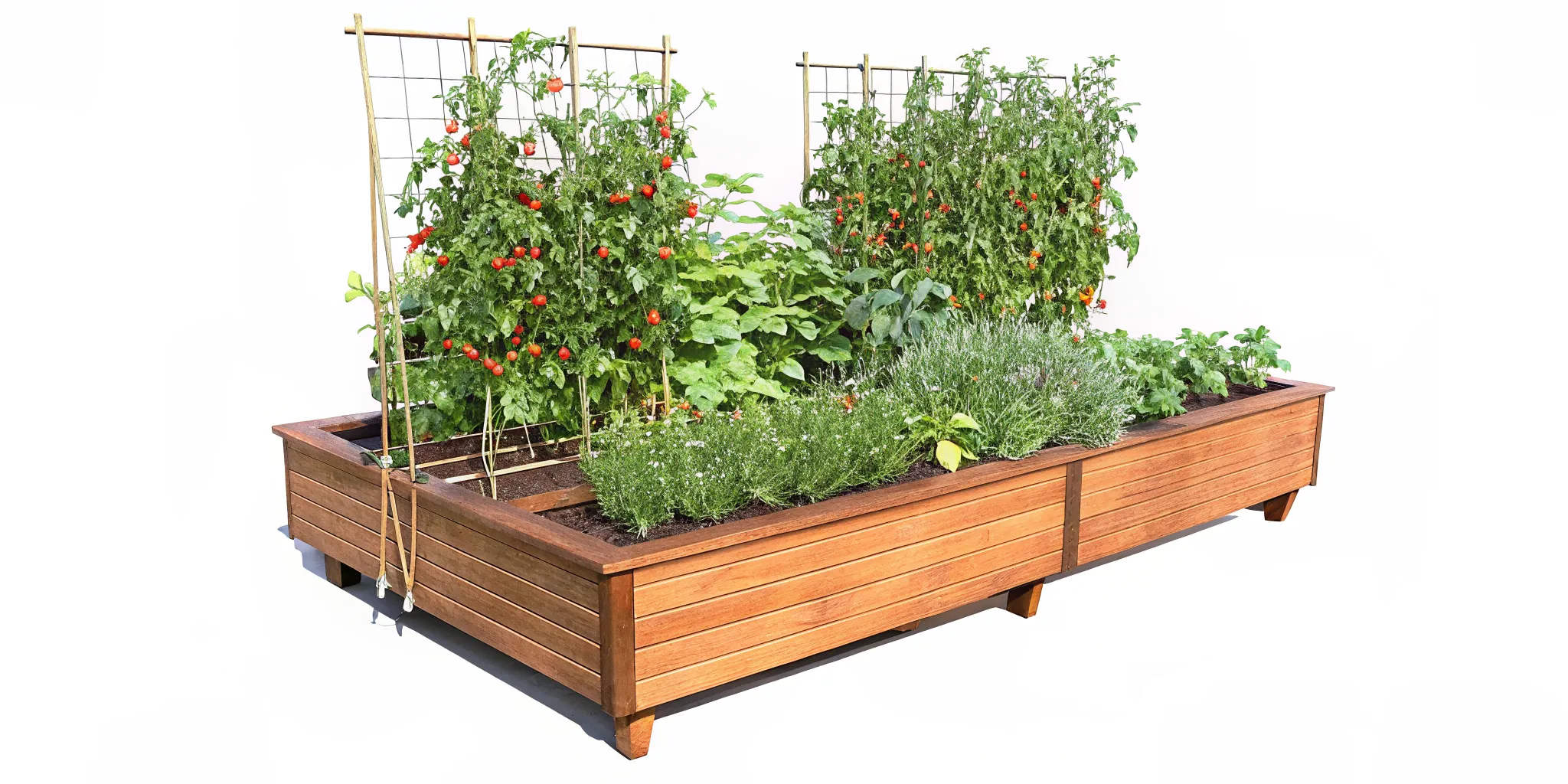
Standard raised garden beds have been the backbone of home gardening for decades, and Frame It All's composite versions take the concept to a new level of durability and convenience. These modular kits use the patented Snap-Lock bracket system, which allows you to assemble a complete garden bed using nothing more than a hammer or mallet. No screws, no power tools, no complex instructions.
Frame It All offers standard raised beds in sizes ranging from a compact 2'x2' (priced at $49.99) to a roomy 4'x16' ($209.99). You can also choose from multiple heights: 5.5 inches, 11 inches, 16.5 inches, or 22 inches by stacking additional board layers. This flexibility lets you customize the bed depth to match your plants' root requirements. For gardeners who want vertical growing space, raised beds with integrated trellises are available, priced from $199.99 for the 4'x4' trellis garden to $399.99 for the 4'x12' model.
Durable Composite Materials
Every Frame It All board is made from a composite blend of 38% post-consumer recycled HDPE plastic and 62% FSC-certified sustainable wood fiber. This material resists rot, splintering, and UV damage far better than traditional cedar or pine. Each 4-foot board diverts approximately 97 plastic bottles from landfills, and the company plants one tree per order through its National Forest Foundation partnership. The composite material never needs painting, staining, or sealing, and it will not warp or crack over time. Frame It All backs its bracket components with a limited lifetime warranty.
Versatile Design Options
One of the biggest advantages of standard raised beds is the sheer variety of configurations. You can build rectangular gardens, L-shaped corner beds, tiered terrace designs, or even large walk-in animal barrier enclosures. Specialty designs like the Versailles Sunburst 10'x10' terrace garden and the Split Waterfall 12'x12' triple-tier bed ($484.99) show the creative potential of the modular system. Explore the full range of composite raised garden beds to see what fits your backyard.
Self-Watering Elevated Planter vs Raised Garden Bed: Key Differences
The core difference between these two systems comes down to watering method and working height. A self-watering elevated planter uses a sub-irrigation system where a water reservoir sits at the bottom of the container. The soil above the reservoir acts as a wick, drawing moisture upward through capillary action. This means water is always available at the root zone, and the surface soil stays drier, which reduces evaporation and discourages weed seeds from germinating. As a patio planter box, the elevated design keeps everything accessible without taking up ground space.
A standard raised garden bed relies on you to deliver water from above, either with a hose, watering can, or drip irrigation system. While drip lines can automate some of this work, the gardener still needs to manage the schedule and adjust for rainfall and temperature changes. Standard beds offer more flexibility for different watering approaches, but they require more daily attention during hot weather.
| Feature | Self-Watering Elevated Planter | Standard Raised Garden Bed |
|---|---|---|
| Watering Method | Reservoir + capillary wicking | Manual or drip irrigation |
| Working Height | 57 inches (standing level) | 5.5 to 22 inches |
| Footprint | Approximately 2 square feet | 4 to 192 square feet |
| Portability | Movable; fits on decks and balconies | Semi-permanent; requires yard space |
| Best Location | Patio, balcony, rooftop, small deck | Backyard, lawn, large garden plot |
| Soil Volume | Limited to planter capacity | Generous; supports deep root systems |
| Assembly Time | Minimal; pre-assembled frame | 15-30 minutes with Snap-Lock system |
| Best For | Herbs, leafy greens, small vegetables | Deep-rooted crops, high-yield harvests |
Height and Ergonomics
The 57-inch working height of the elevated planter is a game-changer for accessibility. You can tend your plants while standing upright, which makes a real difference for anyone with chronic back pain, knee problems, or limited mobility. Standard raised beds, even at their tallest 22-inch height, still require bending or kneeling. However, standard beds offer the advantage of stacking additional layers, allowing you to reach deeper soil volumes for crops with extensive root systems. An easy access raised bed like this keeps gardening comfortable for seniors and those managing physical limitations.
Space and Portability
If you are working with a small outdoor space, the elevated planter's compact footprint is a clear advantage. It fits easily on a condo balcony, a narrow porch, or a small patio. The planter is also lightweight enough to move if sunlight patterns change throughout the season. Standard raised beds require a dedicated yard space and are essentially permanent once assembled. But that permanence comes with the ability to scale up to very large growing areas. A single 4'x12' bed provides 48 square feet of growing space, enough for a family vegetable garden. Explore Frame It All's raised bed collection to compare sizes.
Best Plants for Each Garden Setup
Different plants have different water and root-depth requirements, and matching your crops to the right system is key to a productive garden.
Plants That Thrive in Self-Watering Elevated Planters
Self-watering systems excel with crops that need consistent moisture. Thirsty vegetables and herbs perform especially well because the reservoir ensures they never dry out. Top choices include:
- Tomatoes (cherry and determinate varieties work best in the limited soil volume)
- Peppers (bell peppers, jalapenos, and other hot peppers)
- Cucumbers (the included trellis provides ideal vertical support)
- Leafy greens (lettuce, spinach, kale, Swiss chard)
- Herbs (basil, cilantro, mint, chives, parsley)
- Strawberries (the elevated height keeps fruit clean and pest-free)
- Green beans (the trellis frame supports climbing varieties)
Because self-watering systems keep soil consistently moist, they are not ideal for plants that prefer dry conditions. Avoid succulents, cacti, rosemary, lavender, sage, oregano, and thyme in these planters. Those drought-tolerant plants are better suited to standard raised beds where you can control the watering schedule precisely.
For the wicking system to work effectively, use a light, airy potting mix rather than dense garden soil. Heavy soil compacts inside the container and prevents capillary action from drawing water upward. A high-quality soilless potting mix with perlite or vermiculite creates the right structure for consistent wicking.
Plants That Thrive in Standard Raised Beds
Standard raised beds offer the soil volume and depth that large, deep-rooted crops need. These plants benefit from the generous root space and the ability to customize soil composition:
- Tomatoes (indeterminate varieties with deep root systems)
- Squash and zucchini (large plants with extensive roots)
- Pole beans and runner beans
- Carrots, beets, and parsnips (root vegetables need deep, loose soil)
- Potatoes (require hilling and deep soil)
- Broccoli, cauliflower, and cabbage
- Corn and sunflowers (tall plants benefit from wind stability at ground level)
- Melons and pumpkins (vining crops with large space requirements)
Standard beds give you more flexibility with soil. You can blend garden soil with compost, aged manure, and other amendments to create the ideal growing medium. They also accommodate drip irrigation systems easily, which can reduce manual watering for larger gardens. Browse the selection of Raised Garden Beds with Trellis for crops that benefit from vertical support.
Cost and Value Comparison
Understanding the cost structure of each system helps you make an informed decision based on your budget and gardening goals. Both product lines use the same sustainable composite materials, so you are getting consistent quality regardless of which direction you choose.
Price Points for Elevated Systems
The Frame It All Self-Watering 15.75" x 23.5" x 57" Elevated Planter with Trellis Frame and Greenhouse Cover is priced at $99.99. This is an all-in-one package that includes the planter box, the self-watering reservoir system, a trellis frame for climbing plants, and a greenhouse cover that extends your growing season. The Self-Watering Plant Tower, a more compact option at 15" x 15" x 58", is priced at $29.99 when in stock. For the price, the elevated planter delivers substantial value by combining multiple garden tools into a single purchase.
Budgeting for Standard Raised Beds
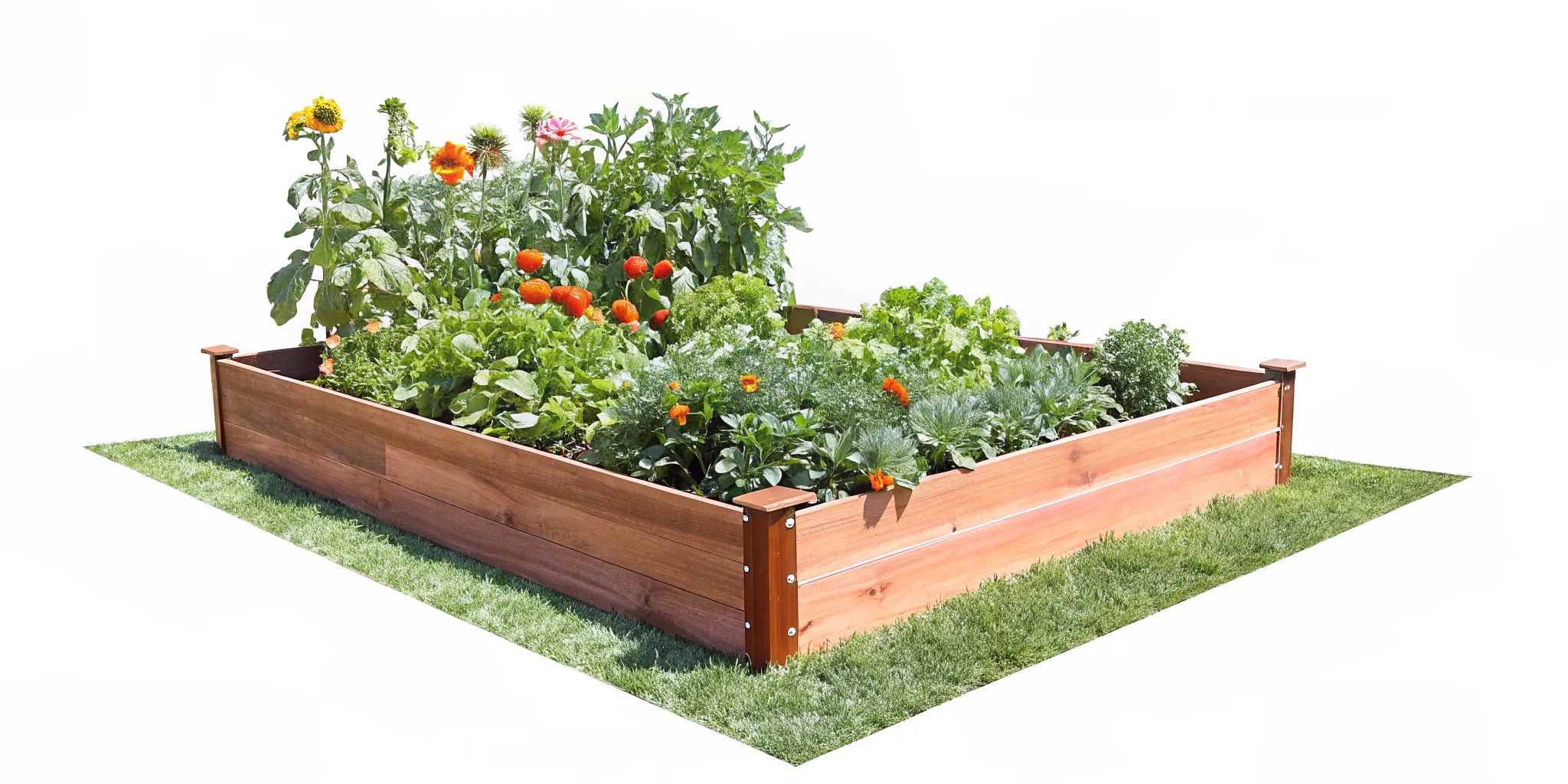
Standard raised beds are priced by size, giving you the flexibility to start small and expand over time. Entry-level pricing starts at $49.99 for a 2'x2' bed, making it very accessible for beginners. Mid-range options like the 4'x4' bed at $84.99 and the 4'x8' bed at $125.00 offer the best balance of cost and growing area. Large beds scale up to $209.99 for the 4'x16' model. If you want an integrated trellis system, the 4'x4' trellis garden at $199.99 and the 4'x12' trellis garden at $399.99 provide vertical growing support. While the upfront cost is higher for larger beds, the cost per square foot of growing area is significantly lower than elevated planters.
**Explore Raised Garden Bed Kits**
Maximizing Value with Snap-Lock Technology
Both product lines incorporate Frame It All's patented Snap-Lock bracket system, which eliminates the need for tools, screws, or hardware during assembly. This tool-free design saves time and eliminates the cost of purchasing additional fasteners or equipment. The composite construction means zero ongoing maintenance costs: no staining, no sealing, no replacing rotted boards. When you factor in the 30-year material lifespan, the total cost of ownership for either system is remarkably low compared to traditional wood alternatives. Visit the Frame It All story page to learn more about the engineering behind the Snap-Lock system.
How to Choose: Which Frame It All System Is Right for You?
Choosing between these two garden systems does not have to be complicated. Follow these five steps to match the right setup to your specific situation.
- Evaluate your space. Measure the area where you plan to garden. If you have a patio, balcony, deck, or rooftop with limited square footage, the self-watering elevated planter is the natural choice. Its compact footprint fits tight spaces and does not require access to ground soil. If you have a backyard, side yard, or other open ground space, standard raised beds give you room to grow and can be configured to fit almost any shape or size.
- Assess your mobility and physical comfort. Gardening should not be painful. If you experience back pain, knee discomfort, or have limited mobility, the 57-inch working height of the elevated planter eliminates bending and kneeling entirely. This is also an excellent option for older gardeners or anyone recovering from injury. If you are comfortable with bending and kneeling, standard raised beds at 22 inches or less still reduce strain compared to ground-level gardening, and you can add kneeling pads or garden stools for extra comfort.
- Consider your watering habits and schedule. How much time can you commit to daily garden care? If you travel frequently, have a busy work schedule, or simply prefer low-maintenance gardening, the self-watering elevated planter is ideal. The reservoir can keep plants hydrated for several days without attention. If you enjoy the daily ritual of checking your plants and watering, or if you plan to install an automated drip system, standard raised beds give you full control over your watering routine.
- Match your plant choices to the system. Think about what you want to grow. For a steady supply of salad greens, herbs, cherry tomatoes, peppers, and strawberries through the growing season, the elevated planter covers all your needs. For larger harvests of squash, pole beans, carrots, potatoes, and full-size tomatoes, standard raised beds provide the soil volume and root depth those crops require.
- Plan for growth and expansion. The beauty of Frame It All's modular system is that both product lines work together and share the same Snap-Lock technology. You can start with a self-watering elevated planter on your patio this season, then add standard raised beds in your backyard next year as your gardening ambitions grow. The compatibility across the product family means you are never locked into a single approach. See the full lineup at the self-watering elevated planters collection.
Frequently Asked Questions
How often do I need to refill a self-watering elevated planter?
In moderate temperatures, the reservoir typically needs refilling every 3 to 7 days depending on the plants and weather. During hot summer weeks, you may need to check it every 2 to 3 days. The reservoir indicator on Frame It All's design makes it easy to see when water is running low.
Can I use regular garden soil in a self-watering planter?
No. Self-watering systems require a light, porous potting mix to allow capillary action to work properly. Dense garden soil compacts and blocks the wicking process. Use a high-quality soilless potting mix with perlite or vermiculite for best results.
How long do Frame It All composite raised beds last?
Frame It All composite boards are designed to last 30 years or more with no maintenance. The material resists rot, splintering, UV damage, and insect infestation. Bracket components are backed by a limited lifetime warranty.
Can I move a standard raised bed once it is assembled?
Standard raised beds are designed as semi-permanent structures. While the Snap-Lock system allows for disassembly, the weight of the soil makes relocation impractical once the bed is filled. Elevated planters, by contrast, can be moved easily while empty or with minimal effort when relocated with soil.
Are self-watering elevated planters suitable for all climates?
Self-watering planters work well in most climates but are especially valuable in hot, dry regions where daily watering is impractical. In very rainy climates, ensure the planter has adequate drainage so the reservoir does not overflow. The included greenhouse cover helps protect plants in cooler weather and extends the growing season.
Ready to Start Your Garden?
Choosing between a self-watering elevated planter and a standard raised garden bed does not mean compromising on quality. Both systems from Frame It All use the same durable composite materials, tool-free Snap-Lock assembly, and sustainable manufacturing practices. The right choice depends on your space, your physical needs, and your gardening goals. Whether you start with a compact planter on your balcony or build a full raised bed garden in your backyard, Frame It All has the solution to help you grow. Shop self-watering elevated planters and raised garden bed kits today to start your season with confidence. Call (800) 914-9835 to speak with a gardening expert.