

Sudden spring frosts and hungry rabbits can destroy a healthy vegetable garden in one night. A raised garden bed with cover protects that investment, but the best cover depends on whether you need to stop insects, block animals, manage heat, or extend the growing season.
Compare Frame It All animal barrier gardens to protect your next harvest.
A raised garden bed with cover protects your plants from local pests and harsh weather through special shields like cold frames, mesh netting, or wire fencing. Growers use clear cold frames to trap heat and shield early crops from frost while mesh covers block insects without stopping needed sunlight or water flow. Larger threats like deer or woodchucks need high-walled fenced beds or heavy cages to prevent total loss of your leafy greens and vegetables during peak season. You can use tall trellis covers to support climbing plants and keep fruit safe from ground rot and soil pests throughout the hot summer months. Mesh shields work best for beetles and birds while solid covers keep the soil warm to extend your growing season through the winter and spring.
Start by identifying the problem you need to solve. A lightweight mesh barrier is ideal for insects and birds, a solid cold frame is designed for frost and season extension, and a sturdy fenced bed is the better choice for rabbits, deer, and other large animals. The sections below compare each option by threat, crop, season, access, and maintenance.
Raised Garden Bed With Cover: Choose By Threat
Picking a raised garden bed with cover is a smart way to protect your plants. You must first find the main threats in your yard. Some gardens face hungry pests like deer or rabbits. Others deal with tiny bugs or early frost. The right cover does more than just block these threats. It creates a safe space where your plants can grow strong without stress. By matching the cover to your real needs, you can keep your garden safe and useful for a long time. University extension guidance supports using physical covers to protect crops from pests and moderate growing conditions.
The Frame It All system uses a key Snap-Lock design. This part lets you add or change shields with ease and no tools. This means you can shift your setup as the weather changes or new pests move in. Our modular boards use a durable composite material that resists rot and provides a natural wood appearance without traditional wood maintenance. This strong base is a great anchor for many types of garden shields. When you pick the right cover, you build a lasting garden that works for you year after year.
Stop small pests with mesh and netting
Insects and birds are common threats to most home gardens. Small bugs can eat through leaves in a few days. Birds may also peck at your best fruit before you can pick it. A light fine-mesh insect barrier is a top way to stop these pests. These covers use fine nets that let air, light, and rain reach your plants. At the same time, they keep even the smallest bugs away. This is a clean and safe way to grow food in your own yard.
Fine nets also help protect young plants from the wind. High gusts can break thin stems, but a mesh shield breaks the force of the air. If you want a full shield, you can use an fully enclosed growing area. This setup keeps the whole space safe from top to bottom. It is a wise choice for those who want to stop pests without using harsh sprays. These sprays can hurt the soil or local bees, so a net is a better way to stay safe.
Block large animals with sturdy fences
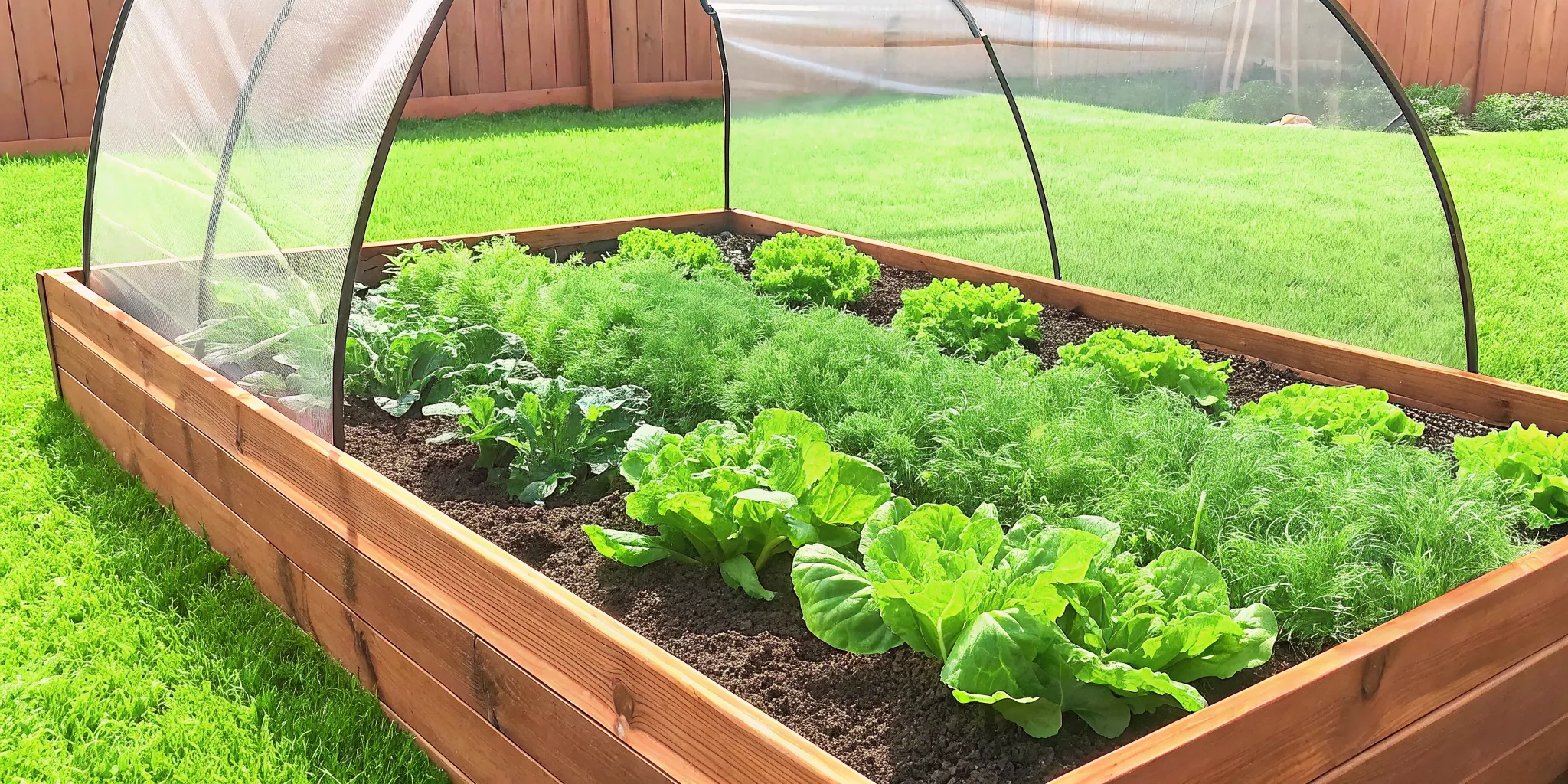
If you have deer or rabbits in your area, you need a strong shield. A light net might not be enough to stop a large animal from getting to your crops. For these threats, an animal barrier raised garden bed is the best tool. These systems use tall, tough fences that are part of the bed itself. The height of the fence keeps deer from jumping in. The strong base also stops small pests from digging under the boards.
For more use, you can try a removable garden barrier. These fences are easy to set up when your crops are growing. You can then take them down when it is time to pick your food. This makes it easy to reach your plants and work on the soil. A fence ensures that your garden stays safe, even if you live near woods where wildlife is active. It gives you peace of mind knowing your food is safe from hungry guests during the night.
Shield plants from cold and harsh weather
Cold winds and frost can end a garden season too soon. To keep your plants warm, a clear cold frame is a great tool. This type of cover works like a mini-greenhouse. It traps the sun's heat and blocks cold air. This is perfect for starting seeds in the spring or keeping greens alive late in the fall. The clear cover lets in lots of light while keeping the air inside much warmer than the air outside.
Weather covers also stop the soil from drying out too fast in the wind. By keeping the air steady inside the bed, you can grow more food with less water. Our composite boards help with this as they hold heat better than metal or thin wood. You might need to shield greens from a late snow or protect fruit from a cold snap. The right cover helps you grow for a longer time each year. This means more food for your home and a better garden for you to enjoy.
Use trellises to avoid soil threats
Some threats come from the ground itself. Soil-borne pests and rot can damage fruit that sits on the dirt. For crops that climb, like peas or beans, a trellis is a great kind of cover. It lifts the fruit off the ground and away from pests that crawl in the mud. This also gives the plants more light and air, which helps them stay dry and healthy. A trellis is a smart way to use the space in your bed and keep your crops clean for the table.
By growing up instead of out, you can fit more plants in a small space. This vertical growth is also much easier to pick since you do not have to bend down as much. Frame It All beds are designed to support these tall shields with ease. You can mix and match different covers to build the exact system your garden needs. This full plan keeps every part of your garden safe, from the roots in the soil to the fruit on the vine.
| Cover Type | Primary Threat | Best Use Case | Main Benefit |
|---|---|---|---|
| Mesh Barriers | Insects and Birds | Leafy greens and berries | Allows full air flow |
| Cold Frames | Frost and Wind | Early spring seedlings | Traps solar heat |
| Animal Fences | Deer and Rabbits | Large vegetable plots | Strong physical shield |
| Trellis Systems | Soil Pests | Climbing vines and peas | Keeps fruit off soil |
| Fenced Beds | Digging Pests | Border areas with pests | Blocks digging animals |
What does each raised bed cover protect against?
Picking the right shield for your plants is a key part of gardening. A raised garden bed with cover helps you stop pests and keep your crops safe from harsh weather. Each type of cover does a clear job for your garden. You should pick the one that fits your needs. Also, think about the time of year.
Safety from pests and animals
Many bugs and birds want to eat your crops before you can. Bird netting is a great way to stop birds from stealing your fruit. It has large holes. This lets bees get inside to help your plants grow. If you have tiny bugs, you should use a pest-control mesh. This mesh is very fine. It keeps out even small pests like aphids or beetles.
Small animals like rabbits can also be a big problem for a new garden. A strong mesh cover acts like a fence. It keeps them away from your leafy greens. These covers let in plenty of light and air so your crops stay healthy. You do not need to take them off when you water. But you might need to lift them if your crops need bees to make fruit. Some plants like squash and melons need bees to move dust from flower to flower.
Weather and heat control
Fabric row covers help a lot when the air gets cold. They trap heat from the soil. This keeps your plants warm at night. You can protect your garden from light frost in the spring or fall. Most fabric covers can protect plants from frost down to about 28 degrees. Now you can start your garden sooner. It also keeps your crops growing for a longer time.
A extendable greenhouse cover is one more smart choice for cold days. It works like a small house for your plants to live in. It keeps out cold wind. It also holds in more heat than a simple cloth. You must open these covers on sunny days to let out the heat. If it gets too hot inside, your plants could wilt or even die. Open the top to let fresh air move through the space. This stops mold from growing on the soil.
Sun and shade control
Too much sun can hurt some crops during the hot summer months. Shade cloth is a special cover that blocks some of the sun's rays. It keeps the soil cool. It also stops leaves from burning in the heat. This is very good for crops like lettuce and kale that do not like the direct sun. You can buy shade cloth that blocks 30% to 50% of the light. It helps your greens stay sweet. It also stops them from going to seed too fast.
When you use any cover, you must think about how the air moves. Plants need fresh air to stay strong and avoid rot or disease. Covers like netting let air flow well all day. Thick fabric or plastic covers need much more care from you. You should check your garden daily to see if the plants need more air. If the air feels damp or very still, it is time to open the cover. Venting your garden bed helps the plants breathe and stay dry.
When is a cold frame better than mesh?
Picking the right top for your garden depends on the time of year and your goals. A mesh cover is great for keeping bugs and birds away during the heat of summer. But when the air turns crisp and the ground starts to freeze, you need more. This is where a cold frame shines. While mesh lets air and water pass through, a cold frame creates a closed space that holds in heat and damp air.
A raised garden bed with cover can serve many roles. In the warm months, a simple mesh net protects your leafy greens from pests. However, a cold frame is a better choice if you want to plant your seeds weeks before the last frost. It acts like a tiny greenhouse that sits right on top of your soil. According to the University of New Hampshire Extension, covered spaces help keep the soil warm and protect young sprouts.
Trapping solar heat for early starts
The main job of a cold frame is to trap solar heat. The clear panels allow sunlight to pass through and warm the soil inside the bed. Because the space is closed, the warm air stays near your plants instead of blowing away. This allows you to grow crops like kale and carrots even when there is still snow on the ground. The soil stays warmer than the air outside, which helps seeds sprout fast and grow strong roots.
Mesh covers cannot hold onto heat. They are built to let the wind blow through to keep plants cool. If you use mesh in early spring, your plants will still feel the full force of the cold. A solid season-extension cover provides the warmth needed to start the season early. By using this tool, you can get a head start on your garden and grow crops much sooner.
Shielding young plants from frost
Frost is a major threat to young plants in the spring and fall. Even a light frost can kill tender sprouts or hurt the leaves of grown plants. A cold frame creates a hard wall that prevents frost from settling on your crops. It also keeps out freezing rain and heavy sleet that could crush small stems. While mesh can tear or sag under the weight of snow, a solid cover holds its shape and acts as a shield against the force of the wind. This protection is vital for anyone living in a place where the weather changes fast.
Mesh covers are better for pest control than for warmth. A insect and bird netting is perfect for stopping moths or hungry deer. But it will not stop the cold. If you live in a place where late frosts are common, the solid walls of a cold frame are a safer bet. They give you peace of mind that your hard work won't be lost to a single cold night. You can sleep well knowing your plants are safe from the ice.
Managing fresh air and moisture
While holding in heat is good, too much heat can be a problem. On a sunny day, the air inside a cold frame can get very hot. You will need to prop open the lid to let fresh air in and keep your plants from wilting. This also helps with damp air. Too much moisture in the air can lead to mold or rot. A cold frame gives you the power to control the space around your plants by moving the lid as the weather changes throughout the day.
Watering is also different between the two covers. Rain can fall right through a mesh screen, so you do not have to worry as much about watering by hand. With a cold frame, the panels block the rain. You will need to check the soil and water your plants yourself. This extra step allows you to control exactly how much water each plant gets.
When do you need a fence around raised beds?
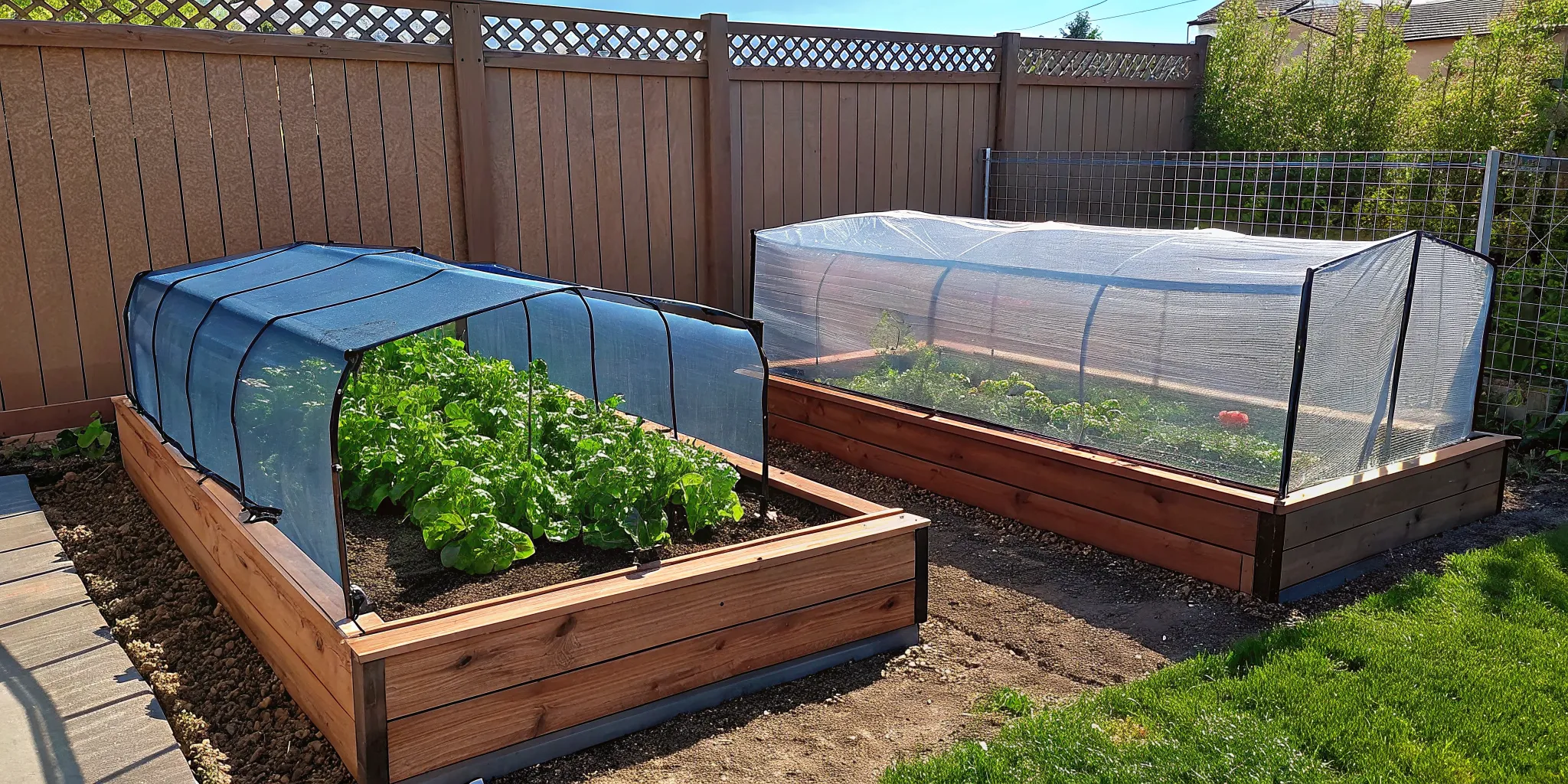
Keeping a garden safe from wild animals can be a hard task. Many people find that a raised garden bed with cover is the best way to start. But a cover might not be enough for every yard. You may need a fence if you live near woods or have many local pests. A fence acts as a strong wall that keeps hungry animals away. It also stops pets from digging in your fresh soil or trampling your young plants.
Fences also help you mark your garden space. They keep mulch and soil from spilling out of the bed. If you have a large yard, a fence makes the garden look clean and tidy. A good fence should have these traits:
- Strong posts that stay deep in the dirt
- Tight mesh that small pets cannot squeeze through
- Rust-proof parts that last in the rain
- Gates that are easy for you to open
For many growers, a fence is the best way to guard their hard work. It ensures that your seeds can grow into a healthy harvest.
Common garden pests
Rabbits are common guests in backyard gardens. They love to eat soft greens like lettuce and pea shoots. These small animals can fit through tiny gaps in a thin mesh. They feed at night when you cannot see them. If you notice clean cuts on your plant stems, you likely have a rabbit problem. A simple, low fence is enough to keep them out of your beds.
Groundhogs are a much bigger threat to your food. These animals are strong and like to dig deep into the earth. They can also climb over short walls if they are hungry. They can ruin a whole season of work in just one day. You need a stiff fence that goes deep into the ground to stop them. A lift-off fence panels can be a great tool for this. It stops the animals but stays easy for you to move when you need to weed.
Correct fence height
The height of your fence depends on the pests in your area. For small animals like rabbits, a fence that is two feet tall is usually enough. You should also bury about six inches of the mesh in the ground. This stops them from digging under the bottom edge. If you do not bury it, they will just go under the wall. Using a strong mesh will keep even the smallest pests away from your crops.
Deer are much harder to stop than small animals. They can jump over a six-foot fence with ease. Most experts say you need a fence that is eight feet tall to keep deer out. If you cannot build a fence that high, you can try a slanted fence. According to the Michigan State University Extension, fences are the best way to guard a garden from large animals. A tall fence saves you from losing your crops every year.
Fences and protective covers
A fence is great for animals on the ground, but it does not stop birds or bugs. This is why many growers use a raised garden bed with cover system. You can add a net or a mesh lid to the top of your bed. This stops birds from pecking at your fruit. It also keeps bugs like beetles from eating your leaves. A cover works with your fence to give full safety for your plants.
An animal barrier raised garden bed is a smart choice for many. These systems use high walls and covers that fit together. They often have gates so you can walk right inside. This makes it easy for you to reach your plants while keeping animals out. Modular systems make it easy to add a fence or a cover whenever you need one. The parts snap together and stay strong.
Can a trellis double as garden protection?
A trellis is a great tool for any garden, but you should know its main job. Its main goal is to support plants that like to climb. This has plants like peas, beans, and some types of squash. By giving these plants a way to grow up, you save space in your garden bed. You also help the plants get more light and air. While a trellis helps plants grow well, it does not offer much safety on its own. It is not a solid wall or a roof. So, it cannot stop a frost or keep away a hungry rabbit.
The role of a trellis in your garden
A trellis helps your plants stay off the ground. This is key for keeping them healthy. When leaves and fruit touch the soil, they are more likely to rot or get sick. By using a trellis, you keep the plant parts dry and clean. This can help stop the spread of mold and other pests. A vertical garden setup also makes it easier for you to see and pick your crops. You won't have to bend over as much to find a ripe tomato or a long green bean.
Even though a trellis helps with growth, it is not the same as an protected garden enclosure. An enclosed bed has walls and a top to keep things out. A trellis is mostly open. It lets the wind and rain pass through. This is good for air flow, but bad for stopping cold air or pests. If you want to keep your plants safe, you will need to add more layers to your garden plan.
Using covers with your trellis
You can combine a trellis with a cover to get the best of both worlds. A raised garden bed with cover is a smart choice for many people. You can use the trellis to support the vines and then add a net or a cloth over the top. This way, the plants have a place to climb, and they stay safe from bugs and birds. Many people use a protective net cover to keep their crops from being eaten.
If you have a modular Snap-Lock system, adding a cover is easy. You can find covers that fit right over your existing frame. Some covers use the trellis as a support post. This helps the cover stay in place even when it is windy. You can also use a thin cloth to protect your plants from a light frost in the fall. This helps you grow food for a longer time each year.
Modular planning for better access
When you plan your garden, think about how you will reach your plants. A trellis can block your path if you place it in the wrong spot. In a modular system, you can move parts around to find the best layout. This makes it easy to tend to your plants and check for bugs. You want a setup that lets you reach every corner of your bed without any trouble.
A good garden plan also thinks about the height of your trellis. If it is too tall, it might cast a shadow on other plants. You should place tall trellises on the north side of your garden bed. This keeps them from blocking the sun for smaller plants like herbs or lettuce. By using a modular approach, you can adjust the size of your bed and the height of your trellis as needed. This ease of use is what makes a modular system so useful for both new and old gardeners.
How to set up protection without blocking garden access
Setting up a raised garden bed with cover is a smart way to keep your plants safe. A good cover stops pests and birds from eating your crops. It also helps you grow food earlier in the spring. Many people find that covers also shield young plants from heavy rain. But a cover that is hard to move can make gardening a chore. You need a system that stays secure but lets you reach your plants easily. This makes sure you can tend to your soil without any stress.
Planning Your Garden Cover Layout
Before you start, think about how you will get to your plants. Most people need to weed or pick fruit every few days. If your cover is heavy or tied down too tight, you might skip these tasks. A system that is easy to change is the best choice for easy access. You can use a easy-opening cold frame to keep heat in while keeping the work simple. This setup fits right onto your bed and opens with ease. It also looks clean and neat in your yard.
Planning also means looking at your garden site. Check where the sun hits the bed most of the day. You do not want the cover frame to cast a big shadow on your plants. Make sure there is enough space around the bed to stand and lift the lid. A good plan saves you time and keeps your back from aching later.
- Pick a cover type that fits your needs. Use mesh for bugs and clear plastic for cold days.
- Check the edges of your bed to find the best spots for hooks or clips. Secure edges are vital for keeping out crawling pests.
- Set up the frame poles and make sure they do not wobble in the wind. A sturdy frame will last for many years.
- Pull the cover over the top and keep it tight to stop water from pooling. Water weight can tear thin mesh or break the frame.
- Use a mesh garden barrier with a zipper for the fastest entry. Zippered doors are the best way to get to your plants in seconds.
- Test the door or flap to be sure it stays open while you work with both hands. This keeps your hands free to pull weeds or prune stems.
Daily Garden Care
Once your cover is up, you must check on it often. Look for small holes where bugs might get in. Even a tiny gap can let in small bugs or beetles. It is also wise to watch the heat inside the bed. On hot days, a thick cover can trap too much warm air. This can hurt your plants or cause them to wilt. Using a floating row cover can help protect your garden from wind and pests without blocking light. These light fabrics let air flow through so your crops do not get too hot.
You also need to think about bees and other bugs that help. If your plants need bees to make fruit, you must open the cover during the day. This lets these helpful bugs move from bloom to bloom. If you have a modular animal barrier, you can take it off when it is time for bees to visit. This keeps your garden healthy and helps it grow more food all year long. Taking the fence off also makes it easy to clean out old leaves.
Cleaning And Storing Your Gear
Checking for trapped pests is a key step. Sometimes a bug gets inside the cover when you open it. Check the bottom of leaves and the soil surface once a week. If you find a pest, remove it right away before it can lay eggs. You should also clean your cover once a season. Use mild soap and water to wash away dirt or mold. This keeps the mesh clear so the sun can reach your plants. Store the cover in a dry place when the growing season ends. This helps the mesh stay strong and ready for next year.
Build a protection system that changes with your garden
A great garden is never static. As the seasons shift, your plants face new needs. To stay ahead, you need a raised garden bed with cover that can change as fast as the weather. Frame It All designs beds that grow with you. Our modular boards and parts allow you to add height or space later. By using a modular base, you can switch from a low mesh net to a tall trellis without any stress. Each plant gets the exact kind of shield it needs to stay strong and healthy all year long.
Easy changes with Snap-Lock design
The core of our system is the patented Snap-Lock tech. This tool-free design means you can change your garden bed in no time. With Snap-Lock, you just slide the parts together until they click. This makes it easy to add a new raised garden bed with cover when the frost hits. You can put up a frame for a shield in minutes and take it down just as fast when the sun comes out. It is a smart way to manage a busy garden.
This design also helps when you need to reach your plants. Our system lets you move parts of the frame or fence with ease. You can set up a accessible fenced-bed design to block pets at night. In the morning, you can take it off to get to your crops. This saves you time and keeps your back from hurting while you work. Our modular path takes the hard work out of gardening and leaves you with more time to enjoy your fresh food.
The right shield for every season
Your garden needs different kinds of help at different times of the year. In the early spring, a early-season greenhouse cover is the best tool. It traps the sun's heat to keep the soil warm. As the air gets warmer, you can swap the solid plastic for a fine mesh. This helps keep bugs away while letting in plenty of rain and fresh air. Changing your cover as the seasons turn lets you grow more food in the same small space.
Groups like the Utah State University Extension suggest using covers to extend your growing time. They also note that covers can block pests without harsh sprays. If you want a full shield, you can build an enclosed bed design. This setup covers the top and the sides of your plants. It is a great choice for areas with many deer or large birds. Because our system is modular, you can add this cage to any of our beds with no extra tools.
Durable bases made to last
A good shield needs a strong base to hold it in place. Our beds use durable composite boards that provide a natural wood appearance while resisting rot. This is very important when you add heavy covers or trellises to your bed. Our boards stay straight and strong for years, which gives your garden a steady anchor. This means your raised garden bed with cover will stay safe even in high winds and heavy snow.
Our boards are also good for the Earth and use many recycled plastic bottles. You get a tough, long-lasting garden that is also kind to nature. When you build with Frame It All, you get a system that grows as your skills improve. This is the best way to build a garden that fits your life and your yard for years to come.
Explore modular raised garden beds and build a protection system that can change with your garden.
Frequently Asked Questions
Is it good to have covers on your raised garden bed?
Adding a cover to your garden bed helps protect plants from pests, harsh weather, and high heat. These systems allow you to start your growing season early and keep crops safe from birds or small animals. Using a raised garden bed with a matching cover makes plant care easy. It reduces the need for garden sprays and keeps your yard neat while helping plants grow well through the year.
What is the difference between a cold frame and a mesh barrier?
A cold frame uses solid clear panels to trap heat and create a small greenhouse space for your plants. This is great for starting seeds in early spring or keeping crops alive in late fall. But a mesh barrier uses fine nets to block bugs and birds while letting air and rain reach the soil. While both protect your garden, cold frames focus on heat control, whereas mesh nets focus on stopping pests without trapping heat.
How do raised garden bed covers protect against frost?
Frost covers act as a warm layer that traps the heat coming from the soil. This creates a cozy spot for your plants, which can stop them from freezing during cold nights. Thick cloth or plastic covers work best for this task. For the best results, you should set up your cold frame system before the first frost hits. This keeps your young plants warm enough to live through sudden cold snaps in late fall.
Can I use a trellis as a garden bed cover?
A trellis is mostly a tall frame for climbing plants like peas, beans, or vines. While it does not give safety from frost or bugs like a solid cover, it can hold bird nets or shade cloth. Using a trellis helps you use more garden space by growing crops upward. This helps air move well and stops some plant sickness. For full safety, you may want to mix a trellis with other modular garden kits.
Are you ready to find the best garden shield for your yard today?
If you do not add a shield now you may lose your plants to the wind or to birds that want a meal. If you wait too long to start your work you will lose time and cash when you must buy new seeds and soil. You can stop the bugs by picking a cover this week so you can grow more food and keep your yard green.
Ready to shop raised garden beds? Contact us or visit our raised garden beds shop to find a kit and get your yard ready for a good crop. You can also browse our full list of tools to find all you need for your new work today.