
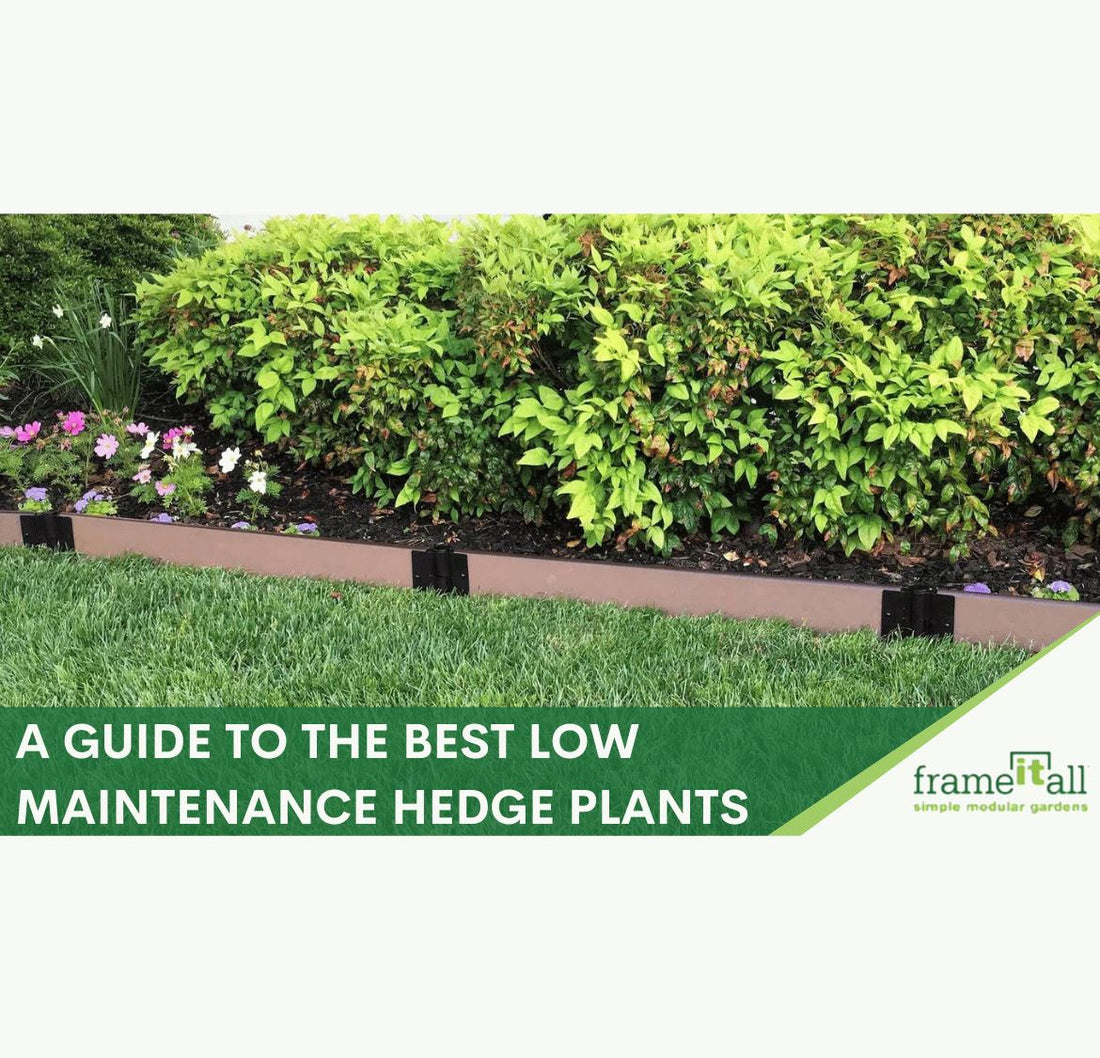
Hedges often get a reputation for being fussy, formal, and better suited for sprawling estates than a modern backyard. Many gardeners assume they require constant attention to prevent them from becoming overgrown messes, but that couldn't be further from the truth today. Thanks to a wide variety of hardy and adaptable cultivars, the perfect low-maintenance hedge plant exists for almost any space, including stylish raised garden beds. Forget the idea of endless shearing; modern hedging is about smart plant selection from the beginning. We’ll show you which plants offer incredible texture, color, and structure without the high-maintenance reputation, proving that a beautiful hedge is achievable for everyone.
It's no coincidence that as we walk through some of our favorite gardens, the beauty and simplicity of well-maintained hedges often catch our eyes. These living walls provide privacy, structure, and a sense of order to any outdoor space.
But let's be honest; not all of us have the time or inclination for regular pruning sessions or dealing with finicky plants – especially when it comes to raised garden beds where accessibility can be challenging.
Fear not! You don't need a green thumb or endless hours to spare in order to enjoy the aesthetic appeal and functionality of hedges in your raised garden. There is an abundance of low maintenance hedge plants just waiting to adorn your space without demanding too much attention.
In this article, we'll explore some top choices that combine hardiness, adaptability, and minimal upkeep requirements so you can focus on enjoying your garden rather than constantly tending to it.
Your Guide to Low-Maintenance Hedges for Raised Gardens
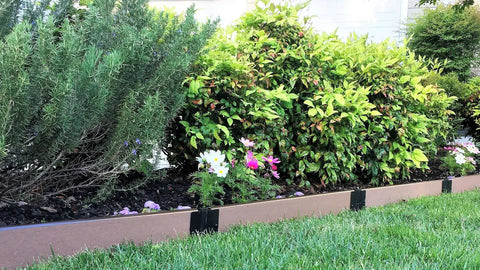
The art of crafting a beautiful and functional raised garden often comes down to selecting the ideal low maintenance hedge plants. The perfect blend of these easy-care plants not only provides an attractive living border but also contributes to the overall health and vitality of your raised gardens. Evergreen species are particularly well-suited for this purpose, as they retain their lush foliage year-round, providing both privacy and visual interest.
When it comes to choosing hedge plants that flourish in raised gardens, there's certainly no shortage of options available. From compact shrubs with dense foliage to tall, statuesque trees that reach for the sky, each plant offers its own unique set of benefits and characteristics.
As we delve into an overview of hedging plants suitable for raised gardens, you'll discover how simple it is to create a stunning landscape using low-maintenance evergreens, flowering shrubs, and even fruit-bearing plants. These hedging plants not only add beauty and structure to your raised garden but also provide privacy, noise reduction, and support for local wildlife.
So, whether you're looking for year-round greenery, a burst of seasonal color, or a mix of both, there's a perfect hedging plant for every raised garden design.
First, What Are Hedging Plants?
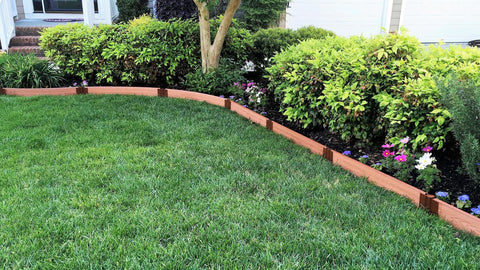
When it comes to creating an attractive and functional garden, selecting the best hedge plants is of utmost importance.
Low-maintenance hedges are especially ideal for raised gardens, as they require minimal effort while providing a beautiful backdrop and privacy.
Evergreen hedge plants are often preferred by gardeners who appreciate their year-round foliage, which adds visual interest even during the colder months.
Growing hedges with these attributes not only makes your gardening life easier but also ensures continuous beauty in your outdoor space.
With this knowledge at hand, we can now delve into the various benefits that hedges provide for raised gardens.
What Does 'Low-Maintenance' Really Mean for a Hedge?
The term "low-maintenance" is a gardener's dream, but it's important to know what it actually involves. It doesn't mean "no-maintenance," but rather "less-maintenance" over the long haul. The secret is making smart choices from the start. A low-maintenance hedge consists of plants that are naturally suited to your climate and desired size, meaning they won't constantly be fighting to outgrow their space or struggling with local pests. It’s about a bit more thought and care upfront in exchange for years of reduced work later on, letting you enjoy the view instead of constantly tending to it.
Most of the work for a low-maintenance hedge happens in the first year or two. This initial phase is called the establishment period, and it's when your plants need the most attention. You'll need to provide consistent watering to help their roots grow deep and strong, creating a resilient foundation for the future. Think of it as setting your hedge up for long-term success. Once the plants are well-established, their water needs will drop significantly, and they'll become much more self-sufficient, especially when planted in a quality raised garden bed that provides excellent drainage.
So, what’s the reward for that initial effort? A truly low-maintenance hedge is often one that grows slowly, which is a major advantage. It means you won't be spending every sunny weekend with shears in hand. Instead of constant, aggressive trimming, you might only need to do a light shaping once a year to keep it looking neat. Many of these hardy plants, once settled in, can largely look after themselves, thriving with minimal intervention and rewarding you with consistent structure and beauty without demanding constant labor.
Why Plant a Low-Maintenance Hedge in a Raised Bed?
Hedges provide a great way to increase privacy in a raised garden - they act as a natural barrier, blocking out nosy neighbours and providing a sense of calm. They can also act as windbreaks, shielding plants from strong gusts and reducing wind damage. Finally, hedges also help to reduce soil erosion, making sure your precious soil is protected.
Create a Natural Privacy Screen
Imagine the serenity of relaxing in your raised garden, surrounded by lush low-maintenance hedge plants that not only enhance the beauty of your space but also provide a natural privacy screen from prying eyes.
As a horticulturist or passionate gardener, you'll appreciate how these versatile green barriers can create intimate nooks while protecting and defining areas within your outdoor sanctuary.
Choosing the perfect privacy hedge for your raised beds is as simple as selecting species with dense foliage and steady growth habits, such as boxwoods or yews.
So revel in the tranquility of your secluded haven knowing it's all thanks to those hardworking, evergreen beauties bordering your patch of paradise.
A Living Windbreak for Your Garden
But that's not all these best low maintenance hedge plants can do for your raised garden; they also serve as a shield against harsh winds.
Wind protection is essential in preserving the health of delicate flowers and keeping soil from eroding or drying out too quickly.
Sturdy hedges like privet, juniper, or arborvitae are excellent choices to protect your precious blooms while adding an elegant backdrop for your garden design.
So go ahead and let those gentle breezes turn into gusty gales - you'll have peace of mind knowing that your thriving sanctuary remains unscathed thanks to its robust green guardians.
Keep Your Garden Soil in Place
But wait, there's even more to these marvelous low maintenance hedge plants than meets the eye! As we've mentioned before, they act as a bulwark against strong winds, but did you know that they also play a crucial role in soil erosion control?
That's right - by planting these steadfast green sentinels around your raised garden beds, you're not only shielding delicate blooms from harsh gales but also preventing precious topsoil from being washed away during heavy rainfalls.
Extra tip: If you need any help, a good terrace garden raised bed is the perfect way to keep your plants safe from soil erosion during rainstorms and maintain a low-maintenance gardening experience.
This means that your nutrient-rich soil stays put where it belongs, nurturing and supporting the growth of all your lovely plants.
So go on and enjoy those rainy days - with hedges like these guarding your garden paradise, you won't have to worry about losing any ground.
Evergreen vs. Deciduous: Which Is Right for You?
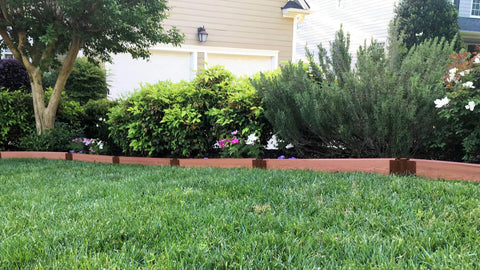
When it comes to low maintenance hedge plants for raised gardens, evergreen plants are a great choice since they keep their foliage year round and require little pruning. Deciduous plants, on the other hand, may require a bit more maintenance as they lose their foliage in the winter and need to be trimmed back annually.
Evergreen Hedges for Year-Round Color
You'll absolutely love evergreen plants when it comes to low maintenance hedge options for raised gardens. They're the perfect choice, as they provide year-round interest and require minimal upkeep – just what you need!
These hardy beauties can withstand a variety of weather conditions while keeping their vibrant foliage all year long. With such an array of evergreen choices available, there's sure to be one that suits your style and space constraints.
So why wait? Start exploring the wonderful world of evergreen plants today and create that stunning hedge you've always dreamed of.
Deciduous Hedges for Seasonal Interest
Now that you've discovered the beauty and benefits of evergreen plants for a raised bed hedge, let's not forget about deciduous plants.
These fabulous foliage-bearers provide some of the best low maintenance hedge plants with their seasonal interest, as they shed their leaves in fall and regrow them come springtime.
Deciduous plants can offer an array of colors throughout the year, from vibrant greens to fiery reds, oranges, and yellows – creating quite the visual feast!
So whether it's combining evergreens with deciduous plants or opting solely for one type, there are plenty of options to create your perfect easy to care for garden haven.
9 Great Low-Maintenance Hedge Plants to Try

Buxus sempervirens (Boxwood)
Also known as common boxwood, Buxus sempervirens is a perfect alternative for raised gardens. This evergreen shrub has small, glossy green leaves and can reach a height of up to 15 feet. Buxus sempervirens is drought-tolerant and can thrive in a variety of soil types.
A Note on Box Blight and Pests
While boxwood is a classic choice, it's worth knowing that it can be susceptible to a few issues. The most common is box blight, a fungal disease that can cause leaves to drop and stems to die back, which is particularly frustrating in a dense hedge where it can spread quickly. Keeping an eye out for this and ensuring good air circulation can help, but it’s a potential maintenance task to be aware of before you commit to planting. This isn't to scare you away from boxwood entirely, but being informed helps you make the best choice for your garden and your schedule.
Disease-Resistant Alternatives to Boxwood
If the thought of dealing with box blight makes you pause, don't worry! There are several fantastic alternatives that give you a similar look without the risk. Consider plants like Japanese holly (Ilex crenata) or box-leaved honeysuckle (Lonicera pileata). Both are hardy, evergreen, and can be shaped just like boxwood, but they are much more resistant to common pests and diseases. This makes them a truly low-maintenance option for your raised garden hedge, letting you enjoy the structured look without the extra worry.
Ilex crenata (Japanese Holly)
Ilex crenata, or Japanese holly, is another low-maintenance hedge plant that is well suited for raised gardens. This evergreen shrub has small, dark green leaves and can reach a height of up to 10 feet. Ilex crenata is tolerant of a wide range of soil types and prefers full sun to partial shade.
Ligustrum japonicum (Japanese Privet)
Ligustrum japonicum, or Japanese privet, is an evergreen shrub that is often used as a hedge plant. It has small, glossy green leaves and can reach a height of up to 10 feet. Ligustrum japonicum is tolerant of a wide range of soil types and prefers full sun to partial shade.
Taxus baccata (English Yew)
Taxus baccata, or English yew, is an evergreen tree that is often used as a hedge plant. It has dark green needles and can reach a height of up to 30 feet. Taxus baccata prefers full sun to partial shade and does best in well-drained soil.
Important Safety Warning: Toxicity
While the English Yew offers a classic, formal look, it's crucial to handle this plant with care. As noted by gardening experts, its berries and leaves are poisonous, which is a serious consideration if you have young children or pets who love to explore the yard. Always be mindful of where you plant it and consider alternatives if safety is a primary concern. For those who love the look but need an extra layer of protection, placing toxic plants inside a raised garden bed with a fence can be a smart way to keep curious hands and paws at a safe distance.
Easy-Care Cultivars
When you're shopping for hedge plants, keep an eye out for specific cultivars—these are plant varieties bred for desirable traits like a compact size or disease resistance. Choosing the right cultivar can make an already low-maintenance plant even easier to care for. Many gardeners prefer evergreen options because they provide year-round foliage and structure in the garden. Look for names in single quotes on the plant tag (like 'Green Mountain' Boxwood) and research their specific characteristics to find the perfect fit for your raised bed design and your maintenance schedule.
Thuja occidentalis (Arborvitae)
Thuja occidentalis, or American arborvitae, is an evergreen tree that is often used as a hedge plant. It has scale-like leaves that are yellow-green in color and can reach a height of up to 40 feet. Thuja occidentalis prefers full sun to partial shade and does best in moist, well-drained soil
Understanding Growth Rate
When you're picking out an Arborvitae, or any hedge for that matter, its growth rate is a big deal. It’s really a trade-off between speed and effort. Many people want fast-growing hedges to quickly establish a privacy screen, block out noise, or hide a less-than-lovely view like a neighbor's shed. If you need coverage in a hurry, a faster variety will get you there sooner. This can be a huge plus if you've just moved into a new home and want to create a secluded spot for your morning coffee without waiting years for it to mature. A quick-growing hedge can transform an exposed yard into a private oasis in just a few seasons.
On the flip side, what grows fast also needs to be trimmed more often. If your goal is a truly low-maintenance garden where you can spend more time relaxing than working, choosing plants that grow slowly means less time spent with shears in hand. This is especially true for hedges in raised garden beds, where a slower-growing variety is much easier to keep in check. It won't overwhelm the container or its neighbors, maintaining the neat, intentional look of your garden design. Ultimately, it all comes down to balancing your desire for quick results with how much time you want to spend on upkeep down the road.
Prunus laurocerasus (Cherry Laurel)
The English laurel, Prunus laurocerasus, is an evergreen shrub or small tree that is often used for hedges. It has dark green shiny leaves and can reach a height of up to 20 feet. Prunus laurocerasus prefers full sun to partial shade and does best in moist, well-drained soil.
A Note on Composting and Toxicity
While many hedge plants are perfectly safe, it's smart to be aware that some common varieties, like the English Yew, are toxic if ingested. This is an important consideration for any gardener, especially if you have curious pets or small children who play in the yard. Before planting, it’s always a good idea to familiarize yourself with which plants might pose a risk by checking a reliable resource, like the ASPCA's list of toxic and non-toxic plants.
This awareness extends to your compost pile. Composting is a fantastic way to create nutrient-rich soil for your garden, but you should never add clippings from toxic plants. Doing so can introduce harmful compounds into your finished compost, which can damage your garden's ecosystem. To keep your compost safe and healthy, stick to the basics and only add non-toxic plant material. Always wash your hands after handling plants to prevent any accidental ingestion of harmful substances.
Choisya ternata (Mexican Orange Blossom)
Mexican orange blossom, also known as Choisya ternata, is an evergreen shrub with fragrant white blossoms that show flowers in spring. It has glossy green leaves and can reach a height of up to 8 feet. Mexican orange blossom prefers full sun to partial shade and does best in well-drained soil. The white flowers with their sweet scent make it a popular choice for gardens and yards.
If you want to have white flowers in spring and a fragrant shrub, then Mexican orange blossom is the perfect choice. With its glossy green leaves and bright white flowers it can provide beauty to any landscape.
Camellia
Camellia is an evergreen shrub or small tree with large flowers that come in a variety of colors such as white blooms, pink, red and yellow, depending on the variety. The flowers can be single or double with a delicate fragrance. It prefers partial shade and humus-rich, well-drained soil.
Camellia is an excellent choice for any garden as it provides both beauty and scent in the springtime. The various colors of its blooms will add interest to your landscape, being one of the best low effor plants for your garden. They also make for great spring flowers and can contrast very well with other dark green foliage species!
Pyracantha (Firethorn)
Although not as popular as the other shrubs and trees listed above, red berries are a great way to add a splash of color to your garden. These berries come in many varieties such as Ilex, Cotoneaster, Pyracantha, and Viburnum. Another popular option is the English Holly, which is known for its bright red berries and evergreen foliage.
They can be used for hedges or planted on their own as an ornamental feature, and are especially good due to the color contrast their dark green leaves and red berries create.
Red berries are also easy to maintain and have an evergreen foliage, which makes them a good choice for year-round color. They prefer full sun and well-drained soil, though they can tolerate some shade. Just make sure to prune them regularly in order to keep the plant healthy and encourage more blooms and berries.
In addition to providing color, red berries are also an important source of food for birds, require little maintenance and are one of the best low-maintenance, slow growing evergreen alternatives out there!
A Natural Security Hedge
Beyond just adding color, some plants offer an extra layer of security. A thorny shrub like Pyracantha creates a formidable natural barrier, which is a gentle yet effective way to discourage unwanted visitors—from curious pets to larger wildlife—from wandering into your yard. It’s essentially a living fence that defines your property line while blending security seamlessly with your landscape. This natural defense is especially useful for protecting your raised garden beds from nibbling critters. A well-placed thorny hedge can deter deer and rabbits from sampling your harvest. For even more targeted protection, you can bring the barrier right to the garden bed itself. For instance, animal barrier gardens offer a fantastic solution, keeping your vegetables safe from four-legged foragers. Combining a security hedge with a protected garden bed gives you multiple layers of defense, ensuring your beautiful garden remains undisturbed.
Hedges for Flowers and Fragrance
If you want your garden to be a full sensory experience, why stop at just visual appeal? Choosing a hedge that offers beautiful flowers or a delightful scent can transform your raised garden bed into a truly special retreat. These plants work hard, providing the structure and privacy you need while also producing fragrant blossoms and attracting pollinators like bees and butterflies. Imagine stepping outside to be greeted by a sweet perfume on the breeze or seeing a pop of unexpected color from your living wall. It’s an easy way to add another layer of enjoyment to your outdoor space without adding a lot of extra work.
Viburnum tinus
Viburnum tinus is a fantastic evergreen that provides year-round interest. It’s incredibly versatile, happy in both sunny and shady spots, making it a reliable choice for almost any garden. Its true charm shines from early winter through late spring when it’s covered in clusters of delicate pinkish-white flowers. Some varieties, like 'Spirit®', start blooming even earlier in the autumn and produce dark purple berries after the flowers fade. This long flowering season means you’ll have something beautiful to look at during the colder, darker months when most of the garden is dormant, providing a much-needed lift.
Sarcococca confusa (Winter Box)
Don't let its small, unassuming cream-colored flowers fool you—Sarcococca confusa, or Winter Box, packs a powerful punch when it comes to fragrance. In the dead of winter, it releases a wonderfully strong, sweet scent that can fill your entire garden. Beyond its incredible perfume, this evergreen boasts glossy green leaves and shiny black berries that persist all year. It’s also quite adaptable; you can shear it into a neat, formal hedge or let it grow into its natural, more relaxed shape. It’s a perfect plant for placing near a doorway or patio where you can fully appreciate its winter fragrance.
Rosa Rugosa
For a more informal, rustic look, Rosa Rugosa is an excellent choice. This hardy rose grows quickly, forming a dense, wide hedge that’s tough for people or animals to push through, making it a great natural barrier. In the summer, it produces lovely, fragrant pink or white single-petal flowers that are a favorite of bees. These are followed in the autumn by large, bright red rose hips, which not only look beautiful but can also be used to make teas and jellies. It’s a practical, beautiful, and low-maintenance option that offers multiple seasons of interest.
Hedges for Colorful Foliage
When you think of a hedge, you probably picture a wall of solid green. But hedges can be so much more! Planting a hedge with colorful foliage is a brilliant way to introduce year-round color and texture into your garden design. Variegated, red, purple, or golden leaves can create a stunning backdrop for your other plants and add visual excitement even when nothing is in bloom. These plants can brighten up shady corners, provide a striking contrast against fences or walls, and make your raised garden beds truly stand out from the crowd.
Photinia
Photinia, particularly the 'Red Robin' variety, is famous for its spectacular foliage. This evergreen puts on a brilliant show in the spring when its new growth emerges as a fiery, glossy red. As the leaves mature, they transition to a deep, olive green, creating a beautiful two-toned effect. It also produces clusters of small white flowers in the spring, which are sometimes followed by red berries. A light trim after the initial flush of red growth will encourage another burst of color, allowing you to enjoy its vibrant display multiple times a year. It’s a fast-growing and dramatic choice for a living screen.
Euonymus ‘Emerald ‘n’ Gold’
If you want to add a splash of sunshine to your garden, Euonymus ‘Emerald ‘n’ Gold’ is the perfect plant. This cheerful evergreen shrub has bright green leaves edged in a brilliant gold, which can take on a pinkish tinge in cold weather. Its variegated foliage is fantastic for brightening up darker areas of the garden and provides a lively contrast against plants with dark green or purple leaves. It’s also a tough and adaptable plant that can be kept as a low, formal hedge. Plus, it’s a great alternative to boxwood for those concerned about box blight disease.
Pittosporum tenuifolium ‘Tom Thumb’
For a more subtle but equally beautiful splash of color, consider Pittosporum ‘Tom Thumb’. This unique evergreen shrub has lovely, deep purple leaves that are almost black, with wavy edges that give it a soft texture. The new growth in spring is a surprising bright green, creating a striking contrast with the older, darker foliage. It naturally grows into a dense, rounded mound, which means it requires very little pruning to keep its neat shape. It’s an excellent choice for a less formal, modern-looking hedge, and it thrives in milder climates and coastal gardens.
Other Reliable Hedge Choices
Sometimes, you just need a hedge that gets the job done without any fuss. The following plants are the dependable workhorses of the hedging world. They are tough, adaptable, and provide excellent structure and privacy with minimal effort. While they may not have the showiest flowers or the most vibrant foliage, their reliability is a beauty in itself. These are the go-to choices for creating a solid, green framework for your garden that you can count on year after year, allowing you to focus on the more delicate plants within your animal barrier gardens.
Beech and Hornbeam
Beech and Hornbeam are classic hedging choices for a reason. While they are deciduous, they have a clever trick for providing winter privacy: they hold onto their dry, coppery-brown leaves all winter long, only shedding them when new green leaves emerge in the spring. This provides a soft, textured screen that changes with the seasons. They are both very hardy and only need to be trimmed once a year in the summer to keep them looking sharp. Hornbeam is particularly tolerant of heavy clay soil and wetter conditions, making it a versatile option for many gardens.
Euonymus japonicus
If you need a hedge that can handle just about anything you throw at it, look no further than Euonymus japonicus. This evergreen is the definition of a tough, all-around performer. It has neat, glossy green leaves and a dense growth habit that makes it an excellent screen. Its real strength lies in its adaptability; it can handle windy and coastal locations, full sun or deep shade, and almost any type of soil. This resilience makes it an incredibly low-maintenance and reliable choice for creating a lush, green border in even the most challenging garden spots.
How to Choose the Right Hedge for Your Garden
Choosing the right hedge plant for your garden can be a daunting task, but if you consider climate, hardiness, soil type, size, sunlight, pruning, watering, pests, cost, and maintenance, you'll find the perfect hedge for your garden. Let's take a look at some of the most important factors.
Consider Your Climate and Zone
It's imperative to consider the climate of your region when selecting the best hedge plants for your raised garden.
You'll want a plant that can withstand temperature fluctuations, precipitation levels, and varying amounts of sunlight throughout the year in order to ensure its longevity and health in your outdoor space.
Some species may thrive in colder climates with harsh winters, while others are more suited for warmer regions with mild weather patterns.
By taking into account these factors, you're not only choosing a hedge plant that will flourish but also one that requires minimal upkeep as it becomes acclimated to its environment.
As such, carefully evaluating your area's climate is crucial before making any final decisions on which hedge plants to incorporate into your garden design. And remember, you can always use tools like self watering planters or rain barrels to give your hedge plants the extra hydration they need during drought periods.
Check Plant Hardiness
In light of understanding the importance of climate when selecting your hedge plants, another key factor to consider is their hardiness.
As a gardener or horticulturist, you'll appreciate how essential it is to choose low maintenance and resilient plants that can withstand various environmental stressors such as frost, heat waves, and pests.
Hardiness plays a significant role in determining just how well a particular species will thrive in your garden while requiring minimal attention from you.
By opting for hedge plants with proven hardiness records, you're not only ensuring their survival but also creating an appealing green space that remains lush and vibrant all year round.
Know Your Soil Type
Now that you've considered hardiness, it's time to take a closer look at soil type when choosing the best plants that grow well in your garden.
As any seasoned gardener knows, how successful you are growing a hedge largely depends on how well your chosen plants adapt and thrive in the specific soil conditions present in your space.
Different species have varying preferences when it comes to acidity, drainage, fertility, and moisture retention capabilities of their growing medium.
By selecting hedge plants that are known to perform exceptionally well under the particular soil type you're working with – be it clay, loamy or sandy – you'll not only save yourself countless hours of frustration but also create an effortlessly lush sanctuary that requires minimal intervention from you.
Don't forget; a happy plant equals a beautiful garden!
Hedges That Might Require More Work Than You Think
While we've explored some fantastic, easy-going hedge plants, it's equally important to know which ones might demand more from you than you're willing to give. Some popular hedging choices are known for being particularly high-maintenance, and planting them without understanding their needs can lead to a lot of unexpected work down the road. Think of it as choosing a high-energy puppy when you were really looking for a calm, sleepy cat. To save you from future headaches and endless weekends of trimming, let's look at a couple of hedges that often require a more hands-on approach than many gardeners anticipate.
Leylandii
Leylandii (or Leyland Cypress) is famous for one thing: speed. It’s often recommended for homeowners who want a privacy screen, and fast. However, that rapid growth is precisely what makes it so demanding. If you’re looking for a hedge you can plant and mostly forget, you should probably steer clear of this one. As one gardener wisely put it, "Do not choose this hedge type if you want something low maintenance and easy to control." Leylandii can grow up to three feet per year, meaning it requires trimming two or three times annually to keep it from becoming an overgrown giant. If you miss a pruning season, it can quickly become woody and difficult to manage, often leaving you with a hedge that's too big for your space.
Blackthorn
Blackthorn (Prunus spinosa) has a rugged, natural charm and is excellent for wildlife, but it's a challenging choice for a typical garden hedge. Its name gives you a clue to its first major drawback: thorns. These are not small prickles; they are sharp, sturdy, and can cause painful, long-lasting scratches to anyone who tries to trim it. Beyond the painful pruning sessions, Blackthorn is also an aggressive spreader. It sends out new shoots, or suckers, from its roots, constantly trying to expand its territory. This means you'll be in a perpetual battle to keep it contained within its designated area. It’s also strongly advised against if you have pets or farm animals, as its thorns can cause serious injuries.
How to Plant Your Hedge in a Raised Bed
After considering your options and selecting the best plants for your hedge, and maybe reviewing these other plants you should grow in your raised garden bed, it's time to turn your attention to planting a hedge in the perfect spot.
Raised beds offer numerous advantages for growing hedge plants, such as improved soil quality and better drainage, but they also come with their own unique set of challenges.
To ensure that your hedge thrives in its new home, be sure to give each plant ample space to grow by following recommended spacing guidelines for the specific species you have chosen.
Additionally, mix plenty of organic matter into the soil at planting time to help provide nutrients and improve the structure of the soil within the raised bed.
With these tips in mind, you're well on your way to creating an eye-catching and functional addition to your landscape.
Next up is learning how to care for a hedge plant in a raised garden so that it continues thriving throughout every season.
When to Plant
Timing is everything when it comes to giving your new hedge the best start in life. The ideal time to plant is during the plant's dormant season, which generally runs from late fall through early spring. Planting during this period, when the plant isn't actively putting energy into producing leaves and flowers, minimizes transplant shock. It allows the roots to settle in and establish themselves in their new home without the stress of summer heat or the pressure to support a full canopy of foliage. Think of it as giving your hedge a quiet, comfortable head start before the big growing season kicks off. This simple step ensures your plants are well-prepared to thrive once warmer weather arrives.
Planting Density for a Full Hedge
One of the most common questions is how far apart to space your plants for that lush, gap-free look. While it's tempting to plant them close together for instant results, giving them enough room to grow is crucial for their long-term health. The most important rule is to follow the recommended spacing guidelines for the specific variety you've chosen, which you can usually find on the plant tag. As a general rule of thumb, spacing plants about 18 to 24 inches apart works well for many common hedging species. For an even thicker, more robust barrier, consider planting a double row of hedges, staggering the plants in a zigzag pattern. It might look a little sparse at first, but this patience pays off with a healthier, denser hedge in the long run.
Caring for Your New Hedge Plant
Just like a well-tailored suit or the perfect little black dress, your hedge plant is an essential element of your raised garden's wardrobe. It can serve as both a statement piece and a structural backbone for other plants to lean on.
To keep it looking its best with minimal fuss, there are some simple care tips that you should follow. Your low-maintenance evergreen will thank you if you provide it with just a bit of attention now and then. Consider these four key factors in caring for your hedge plant in a raised garden:
-
Watering: Even though they may be low-maintenance, hedge plants still need water to thrive. Be sure to keep the soil evenly moist but not soggy.
-
Feeding: Feed your hedge plant with a balanced fertilizer once per year, preferably in early spring before new growth begins.
-
Pruning: Prune any dead or damaged branches as needed to maintain the desired shape and size of your hedge plant.
-
Mulching: Apply mulch around the base of the hedge plant to help retain moisture, suppress weeds, and regulate soil temperature.
Remember that even low-maintenance plants appreciate occasional pampering! With these easy steps under your belt, you're ready to explore how to maximize the benefits of low maintenance hedge plants in other aspects of your gardening journey.
Watering for the First Two Years
While you chose your hedge for its low-maintenance qualities, the first couple of years are crucial for getting it established. Think of this period as an investment for a future of less work. Even hedges that will eventually become drought-tolerant need consistent water to develop a deep, strong root system. A shallow root system can lead to stress and weakness later on. The best approach is to water deeply every few days rather than giving a light sprinkle daily. Using a drip line or a soaker hose is a fantastic way to deliver water directly to the roots without waste. Check the soil a few inches down; if it feels dry, it's time to water again.
Fertilizing for Strong Growth
Good news! Most low-maintenance hedges don't require a complicated feeding schedule. However, giving them a little nutritional support will encourage lush, dense growth. The best time to do this is in the early spring, just before you see new leaves or needles emerge. Look for a slow-release fertilizer that is high in nitrogen, as this promotes healthy foliage. The beauty of a slow-release formula is that it feeds your plants gradually over several months, so you only have to apply it once a season. One of the great things about using a raised garden bed is that you have complete control over the soil quality, making fertilizing simple and effective. Always follow the application rates on the product label to avoid over-fertilizing, which can do more harm than good.
Tips for a Thriving, Healthy Hedge
To truly maximize the benefits of low maintenance hedge plants in raised gardens, it's essential to select the right species and provide proper care.
By choosing a versatile evergreen shrub like boxwood or privet, you'll enjoy year-round foliage while also benefiting from their ability to thrive in various conditions.
For fast-growing hedges that require minimal upkeep, consider planting species such as Leyland cypress or laurel.
With proper placement and regular pruning, these low maintenance hedge plants will not only enhance your garden's beauty but also serve practical purposes such as privacy screening and wind protection.
Pruning for Easy Management
When you hear 'pruning,' you might picture someone spending hours with shears, but for low-maintenance hedges, it's much simpler. The main goal is to keep your plants healthy and tidy, especially when they're framing your beautiful raised garden beds. A quick check-up a couple of times a year is usually all it takes. As a basic rule, you should prune any dead or damaged branches as you spot them. This keeps the hedge looking neat and encourages healthy new growth without turning into a major project.
A big part of easy management happens before you even plant. By selecting slow-growing varieties from the start, you're setting yourself up for less work down the road. As experts at Homes and Gardens note, "choosing plants that grow slowly means less trimming for you in the long run." This simple choice ensures your hedge remains a beautiful, manageable feature of your garden, not a constant chore. It’s all about making smart decisions that lead to a gorgeous outdoor space you can actually relax in and enjoy.
Ready to Get Planting?
In conclusion, low maintenance hedge plants are a gardener's best friend. They provide privacy, beauty, and practicality to any raised garden bed without demanding too much time or effort in return.
Just like how the right companion can make our lives more enjoyable and less burdensome, these resilient plants work harmoniously with their surroundings to create an appealing landscape that we can appreciate every day.
In any case, if you're looking to get materials to plant a hedge, Frame It All is the perfect store for you. With our wide selection of the best affordable materials, easy-to-follow instructions, and helpful customer service, you can get everything you need to make your landscaping project a success.
Frame It All truly has everything you need to get your hedge project off the ground and make your garden look amazing. We hope to see you soon in our store!
Key Takeaways
- Choose the right plant for your space: The secret to a truly low-maintenance hedge is selecting a variety that naturally fits your climate and desired size from the start. This smart initial choice prevents years of struggling with plants that grow too fast or are unsuited for your area.
- A hedge is a functional garden tool: Beyond looking beautiful, a hedge serves practical purposes in a raised garden. It can act as a living privacy screen, a natural windbreak to protect delicate plants, and a root system to help prevent soil erosion.
- Invest your effort in the first two years: Even the hardiest plants need attention to get established. Consistent, deep watering during the first couple of seasons is crucial for developing a strong root system that will allow your hedge to thrive with minimal care later on.