

Choosing a new fence is about more than just looks; it's about deciding how you want to spend your future weekends. Will you be sanding and staining, or relaxing with a good book? This is the heart of the composite vs wood fence debate. A classic wood fence offers timeless beauty but demands regular upkeep to keep it that way. A modern composite fence, on the other hand, is designed to withstand the elements with little more than an occasional wash. Understanding the real differences will help you pick the right one for your home.
In this article, explore your fencing options, comparing composite and wood in terms of durability, maintenance requirements, cost, aesthetic appeal, environmental impact, installation process, and longevity. Our aim is to provide you with a well-rounded perspective, enabling you to make an informed decision that suits your specific needs and preferences. So, whether you're a homeowner looking to enhance your property's curb appeal or a contractor seeking the best material for your next project, this article is your go-to resource for all things related to composite and wood fences.
Composite vs. Wood Fence: Which One Lasts Longer?
When it comes to durability, composite fences have a significant edge over their wooden counterparts. Composite wood fencing is constructed from a blend of recycled plastic and recycled wood, which results in a product that is extremely resistant to environmental elements. This type of fence can withstand harsh weather conditions, including heavy rain, snow, and intense sunlight, without showing signs of wear and tear. Furthermore, composite fences are impervious to pests such as termites, which can cause significant damage to wooden fences.
On the other hand, wood fences, while being a traditional choice, require more maintenance to maintain their durability. Wood is susceptible to rot, decay, and insect infestation, which can compromise the fence's structural integrity over time. However, with proper care and treatment, a wood fence can last for many years. Here's a quick checklist for maintaining a wood fence: regular painting or staining, checking for signs of damage, and immediate repair of any broken or loose panels.
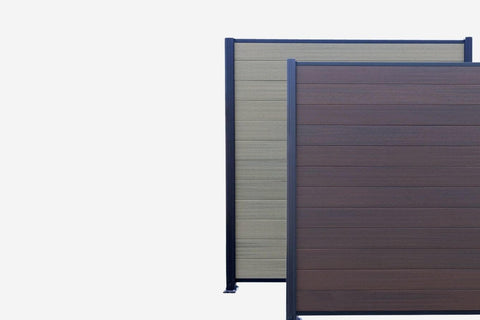
Read More: Full Guide to Durable Fencing
Lifespan Expectations in Different Climates
Your fence is constantly exposed to the elements, so its ability to withstand your local climate is a huge factor in its longevity. Generally, a composite fence will outlast a wood one by a significant margin. You can expect a composite fence to last 20 to 30 years, whereas a wood fence typically lasts about 10 to 20 years, and often only hits the 15-year mark with diligent upkeep. In wet, humid climates, wood is prone to rot and mold, while in hot, dry areas, it can warp and crack. Composite materials, however, are engineered to resist these issues, maintaining their structural integrity through heavy rain, snow, and intense sun. That’s why products like Frame It All’s Cap Composite fencing can offer a 30-year warranty—they’re built to endure, no matter the weather forecast.
Resistance to Fading and Wear
Beyond just standing tall, you want your fence to look good for years to come. This is where resistance to fading and daily wear becomes critical. Wood fences are notorious for fading under UV exposure, eventually turning a weathered gray. To keep their color, they require regular staining or painting, which is a time-consuming and costly task. Composite fences, on the other hand, are manufactured with UV inhibitors that protect their color. They are made from a blend of recycled plastic and wood fibers, which means they won’t rot, decay, or become a meal for termites. This robust construction ensures they can handle sun, rain, and snow without much visible damage. A simple wash with soap and water is usually all that’s needed to keep a composite fence looking fresh, saving you a lot of weekend work.
How Much Maintenance Does Each Fence Type Need?
Your fence's upkeep is also something to bear in mind. Composite wood fences are known for their low-maintenance nature and don't require much upkeep year after year. Unlike wood, they do not require regular painting or staining to maintain their appearance and durability. They are resistant to fading, staining, scratching, and mold, making them an ideal choice for homeowners who prefer a hassle-free option. Furthermore, they are not susceptible to insect damage, a common issue with wood fences.
- Composite fences do not require regular painting or staining.
- They are resistant to fading, staining, scratching, and mold.
- Composite fences are not susceptible to insect damage.
On the other hand, wood fences require a higher level of maintenance to keep them in good condition. You will need to take the time to stain or paint them every few years to protect them from the elements and prevent rotting. Insect damage is also a concern with wood fences, and they may require treatment to keep pests at bay. Despite these maintenance requirements, many homeowners choose wood fences for their natural and traditional aesthetic appeal.
- Wood fences need to be painted or stained every few years.
- Insect damage is a concern with wood fences.
- Many homeowners choose wood fences for their natural and traditional aesthetic appeal.
In conclusion, while composite fences offer a low-maintenance alternative to traditional wood, they may not provide the same natural aesthetic that some homeowners desire. Conversely, while wood fences require more upkeep, they offer a classic look that many find appealing. The choice between composite and wood will ultimately depend on your personal preferences, budget, and maintenance capabilities.
The Wood Fence Upkeep Routine
Opting for a wood fence means committing to a regular maintenance schedule to keep it looking its best and standing strong. To protect the wood from moisture and sun damage, you’ll need to apply a fresh coat of paint, stain, or sealant every two to three years. This isn't just a quick touch-up; it often involves cleaning the entire fence and possibly sanding it down before application. You'll also want to conduct seasonal inspections, looking for signs of trouble like soft spots that indicate rot, small holes from insects, or any warped or cracked boards. Catching these issues early and making prompt repairs is key to preventing small problems from turning into a major fence replacement project.
Caring for a Composite Fence
If the wood upkeep routine sounds like more work than you’re willing to add to your plate, you’ll appreciate the simplicity of caring for a composite fence. Because composite material is a blend of recycled wood fibers and plastics, it’s engineered to resist the common enemies of wood: rot, decay, and insects. There’s no need for yearly staining or painting. In fact, our Cap Composite fencing comes with a 30-year warranty and industry-leading fade-resistant technology. For most of the year, you won’t have to do a thing. When it does get a little dirty, a simple cleaning with soap and water is all it takes to restore its look, freeing up your weekends for more enjoyable activities.
Breaking Down the Cost: Composite vs. Wood Fencing
When considering the financial aspect of your fence materials, it's crucial to look beyond the initial purchase price. While wood fences often have a significantly lower upfront cost, they require regular maintenance and may need to be replaced more frequently. This can add up over time, making them potentially have a more expensive average cost of ownership in the long run.
On the other hand, composite fences may have a higher initial cost, but their durability and low maintenance requirements can make them a more cost-effective choice over time. However, it's important to note that the exact costs can vary depending on the specific materials used, the size of the project, and other factors. Therefore, it's always a good idea to get quotes for both options and consider the long-term costs as well as the upfront ones.
Upfront Material and Installation Costs
Let's talk about the initial sticker price. Wood fences almost always have a lower upfront cost for both materials and installation, which can be very appealing if you're working with a tight budget. The type of wood you choose—like pine versus cedar—will affect the price, but it generally remains the more budget-friendly option at the outset. Composite fencing, on the other hand, requires a larger initial investment. The manufacturing process, which combines recycled wood fibers and plastics, results in a more durable and technologically advanced material, and that's reflected in the price. It’s helpful to view this not just as a purchase, but as a long-term investment in your property. While wood wins on the initial buy, that’s only one part of the total financial picture.
Long-Term Maintenance and Repair Expenses
This is where the cost equation really starts to shift. A composite fence is the definition of low-maintenance. Once it's installed, your work is pretty much done. It doesn't need painting, staining, or sealing to protect it from the elements. It naturally resists rot, fading, and insect damage, so you won't spend your weekends on upkeep or your money on treatments. An occasional wash with soap and water is all it takes to keep it looking great. In contrast, a wood fence demands regular attention. You'll need to factor in the recurring costs of stains, sealants, or paint every few years, not to mention the time and labor involved. If boards warp, rot, or get damaged by pests, you’ll also face repair or replacement costs, which add up significantly over the life of the fence.
Finding Your Style: Composite vs. Wood Fence Looks
From a distance, both composite and wood fences can offer a similar visual appeal. However, upon closer inspection, the differences become more apparent. Composite fences often have a more uniform and consistent look, as they are manufactured to mimic the look of wood. This results in a clean, modern aesthetic that many homeowners appreciate.
On the other hand, wood fences have a rustic charm that is hard to replicate. The grain patterns, knots, and color variations in the wood add character and uniqueness to each fence.
With that being said, many homeowners will select composite over vinyl due to the closer resemblance to the natural beauty of wood. ( Read More: Vinyl vs Composite Fencing)
When it comes to color options, composite fences have the upper hand. They are available in a wide range of colors and finishes, allowing homeowners to choose a shade that complements their home's exterior. Wood fences, while they can be painted or stained to achieve a desired color, typically come in a more limited range of natural wood hues.
Let's consider the maintenance aspect in terms of aesthetic appeal:
- Composite fences require little to no maintenance to keep their appearance. They do not fade, warp, or crack over time, ensuring that the fence looks as good as new for many years.
- Wood fences, on the other hand, require regular maintenance to maintain their look. They need to be painted or stained every few years to prevent weathering and decay. Over time, wood can warp, crack, and fade, which can affect the overall aesthetic appeal.
Available Colors and Finishes
When it comes to personalizing your fence, composite materials give you a clear advantage. You can find them in a wide array of colors and finishes, making it simple to select a style that perfectly complements your home's exterior and landscaping. Whether you prefer the rich look of dark walnut or a softer, weathered gray, there's likely a composite option that fits your vision without any extra work. For instance, Cap Composite fencing offers industry-leading fade resistance, ensuring the color you choose is the color you'll have for years. Wood fences, on the other hand, offer a classic, natural beauty but come in a more limited range of raw hues. While you can always paint or stain wood to get the color you want, it adds another step to the installation and maintenance process.
Appearance Over Time and Repair Matching
How your fence ages is a major factor in its long-term appeal. Composite fences are designed to hold their color and shape for years, resisting the fading, warping, and cracking that can happen with sun and moisture exposure. This consistency is a huge plus if you ever need to replace a board, as a new piece will blend in seamlessly with the old ones, maintaining a uniform look. Wood fences weather naturally, which can be beautiful, but it also means they require regular staining or painting to prevent decay. This aging process can make repairs tricky, as matching a new, unweathered piece of wood to a fence that has been exposed to the elements for years can be a real challenge, often resulting in a mismatched, patchy appearance.
Which Fence Is Better for the Planet?

When it comes to the environmental impact of your fencing project, both composite and wood fences have their pros and cons. Composite fences are made from a mixture of plastic and wood fibers, and are considered a more eco-friendly alternative to standard fencing as they often contain recycled materials. Wood fencing is a natural, renewable resource, but the use of certain types of wood can contribute to deforestation.
Let's take a closer look at the environmental impact of both composite fencing and wood fencing. The table below provides a comparison of composite and wood fencing in terms of their environmental impact.
Composite Fencing |
Wood Fencing |
|
|---|---|---|
Recycled Materials |
Yes |
No |
Resource Renewability |
No |
Yes |
Deforestation Impact |
Low |
Can be high |
In conclusion, while composite fencing is made from a blend of wood and recycled plastics, there are additional factors to bear in mind. At Frame It All, this is something we've been very keen to address in our privacy fencing and composite gardens to ensure our work is net beneficial on the world around us.
Wood fencing, while a renewable resource, can contribute to deforestation depending on the type of wood used. Therefore, the choice between composite and wood fencing should take into account not only aesthetic and durability considerations but also their environmental impact.
You May Also Like: Eco-Friendly Fence Picks for Every Budget and Home
The Eco-Friendly Materials in Composite Fencing
When you hear "composite," think "smart blend." Composite fencing is crafted from a combination of recycled plastic and wood fibers. This is a huge win for the environment because it gives a second life to materials that might otherwise end up in a landfill. By using recycled plastics and sustainably sourced wood fibers, this type of fencing helps reduce waste and lessens the demand for new resources. At Frame It All, our Cap Composite fencing is a perfect example of this process, turning recycled materials into a durable, beautiful, and responsible choice for your yard. It’s a practical way to get the look you want while making a decision you can feel good about.
Sourcing Sustainable Wood
If you have your heart set on a traditional wood fence, it’s important to consider where that wood comes from. While wood is a renewable resource, its environmental friendliness hinges entirely on how it's harvested. Irresponsible logging contributes to deforestation, which harms ecosystems and the planet. To make a sustainable choice, look for wood that has been certified by organizations like the Forest Stewardship Council (FSC). This certification ensures the wood was sourced from forests that are managed responsibly, protecting biodiversity and the rights of local communities. Asking your supplier about their sourcing is a simple step that makes a big difference.
DIY or Pro? Installing Your Composite or Wood Fence

Another consideration in the wood vs vinyl fencing debate is the installation. Both composite and wood fences have their unique advantages and challenges. Composite fencing is generally easier to install than wood fencing. The panels are lighter, and they often come in easy-to-install sections, which can significantly reduce the time and labor required for installation. However, composite fences may require special tools and expertise to install correctly, which could potentially increase the overall cost if you need to hire a professional.
On the other hand, wood fences can be more labor-intensive to install. They are typically heavier and require more time to set up. However, wood is a more flexible material, allowing for a greater range of designs and styles. It's also worth noting that while wood fences may require more maintenance over time, they can be easier to repair than composite fences. If a wooden fence board gets damaged, you can simply replace the single board, whereas with a composite fence, you may need to replace an entire section if damage occurs.
Potential Savings with DIY Installation
Tackling a home improvement project yourself can be incredibly rewarding, especially when it comes to your budget. If you're leaning towards a wood fence, you could see significant savings—potentially around 50%—by handling the installation on your own. This makes it an attractive option for those who are handy and looking to cut down on labor costs. While composite fencing has a higher upfront material cost, its installation process is often much simpler. The panels are typically lighter and designed to fit together easily, which can make the project less intimidating and time-consuming for a DIY enthusiast, helping to balance out the overall project cost.
Key Installation Differences
The actual process of putting up your fence differs quite a bit between wood and composite materials. Installing a wood fence is a more traditional, labor-intensive job. The materials are heavier, and it takes more time and effort to ensure everything is perfectly aligned and secured. In contrast, modern composite fencing is designed for a more streamlined installation. The lighter panels and often interlocking designs can make the process quicker and more manageable. However, it's worth noting that some composite systems might require special tools. Another key difference is repairability; if a wood board gets damaged, you can usually just replace that single piece. With a composite fence, damage might mean replacing an entire panel or section.
Which Fence Offers the Best Long-Term Value?
While composite fencing has several advantages over their wood counterparts, we believe that longevity is the most significant. Composite materials are designed to withstand the elements, resisting decay and rot that can afflict wooden fences. This durability translates into fewer repairs and a longer lifespan, making composite fencing a cost-effective choice in the long run. However, it's important to note that the initial cost of composite fencing is typically higher than wood.
On the other hand, wood fences have their own unique appeal. They offer a classic, natural look that many homeowners prefer. While they may require more maintenance and have a shorter lifespan than composite fences, they can still provide great value if properly cared for. Here's a comparison of the two:
- Composite Fences: These are typically more expensive upfront but require less maintenance and have a longer lifespan. They are resistant to rot and decay, and can withstand harsh weather conditions.
- Wood Fences: These are usually cheaper initially but require more maintenance. They can be susceptible to rot and decay, but with proper care, they can last for many years.
In conclusion, the choice between composite and wood fences depends on your budget, maintenance preferences, and aesthetic tastes. While composite fences may last longer and require less maintenance, wood fences offer a timeless, natural appeal. It's important to weigh these factors carefully to make the best decision for your home.
Frequently Asked Questions When Comparing Composite and Wood Fences
How long does a composite fence last vs. a wood fence?
Composite fences typically last longer than wood fences. At Frame It All, our Cap Composite Fencing comes with a 30-year warranty, so you know it'll stand the test of time. Wood fences, however, may last 15-20 years with regular maintenance and treatment.
Do composite fences resist pests and rot better than wood?
Yes, composite fences are more resistant to pests such as termites and they do not rot or decay like wood fences. This is because composite materials are made from a mixture of wood and plastic, which does not attract pests or rot over time.
How do composite and wood fences handle bad weather?
Composite fences are generally more durable and can withstand harsh weather conditions better than wood fences. They do not warp, crack, or split under extreme weather conditions, unlike wood fences which may be prone to such damage.
Is composite fencing easier to install than wood?
Installation processes can vary, but generally, composite fences are easier and quicker to install than wood fences. This is because composite fencing often comes in pre-assembled panels, which reduces the time and effort required for installation.
Can you paint or stain a composite fence?
You won't have to worry about painting or staining a composite fence because they are designed to maintain their color over time. However, if you wish to change the color of your composite fence, it is possible to paint it, but it may not adhere as well as it would to a wood fence.
Key Takeaways
- Look Beyond the Initial Price Tag: While a wood fence is cheaper upfront, a composite fence often proves more cost-effective over its lifespan by eliminating the recurring expenses of stains, sealants, and frequent repairs.
- Choose Your Weekend: Maintenance or Relaxation: Your fence material determines your future chores. Wood demands regular painting and sealing to prevent weather damage, whereas composite fencing maintains its integrity with just an occasional wash.
- Plan for a Consistent Look That Lasts: Composite fencing provides a uniform, fade-resistant color that makes future repairs simple and seamless. A wood fence offers a classic look that weathers naturally, which can make it challenging to match new boards to the aged ones.