
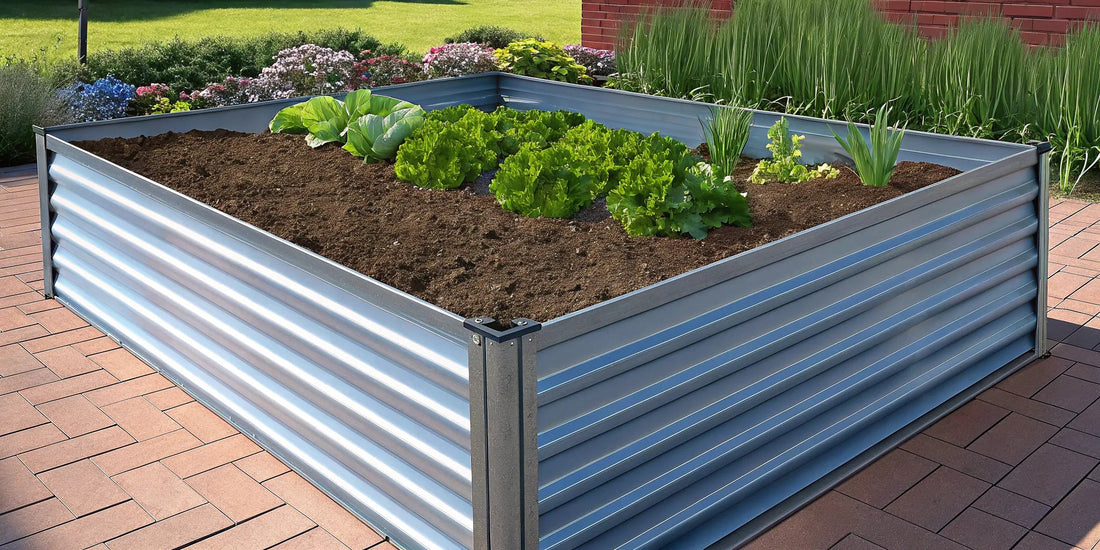
Will a galvanized steel bed cook your plants in the summer? Are you risking toxic chemicals leaching into your soil? If you've started your research, you've probably seen these scary warnings. It can be tough to separate myth from fact. That’s why we’re here to set the record straight. We’ll tackle these common concerns one by one, using straightforward science and expert advice. My goal is to give you the clarity you need to stop worrying and start building the durable, productive garden you've been dreaming of.
Key Takeaways
- Galvanized steel is a safe choice for your food garden: The zinc coating is not a threat to your plants. In fact, zinc is a vital micronutrient for healthy growth, and any transfer to the soil is minimal under normal gardening conditions.
- Keep your soil's pH balanced for a healthy garden: Most vegetables prefer a neutral pH between 6.0 and 7.0. This conveniently creates the ideal condition to keep the zinc coating stable, ensuring your bed lasts for years while your plants thrive.
- Consider your garden's specific needs: Galvanized steel offers superior durability compared to wood. If you have very acidic soil or simply want a worry-free alternative, composite garden beds provide a similar long-lasting and low-maintenance structure.
What is a Galvanized Steel Garden Bed?
If you’ve been looking for a garden bed that combines modern style with serious durability, you’ve probably come across galvanized steel. Simply put, a galvanized steel garden bed is made from steel that has been coated with a protective layer of zinc. This coating is the key to its performance in your garden, acting as a shield that prevents the steel from rusting when exposed to rain, soil, and humidity.
This process creates a material that’s not only strong but also incredibly long-lasting, making it a popular choice for gardeners who want a setup they can rely on for years. Unlike untreated wood that can rot or warp over time, galvanized steel holds its shape and integrity through changing seasons. Frame It All’s metal garden beds are a great example of how this material can be used to create sturdy, reliable, and attractive structures for any backyard garden project. It’s a practical solution that delivers a clean, contemporary look without asking for a lot of maintenance in return.
How is Galvanized Steel Made?
The magic behind galvanized steel is a process called hot-dip galvanizing. During this process, a finished steel component is submerged in a bath of molten zinc. The steel and zinc form a metallurgical bond, creating a tough, multi-layered coating that is fused to the base metal. This isn't just a layer of paint that can chip or peel away; it's a durable finish that becomes part of the steel itself.
The primary job of this zinc coating is to protect the steel from corrosion. Zinc is more reactive than steel, so it corrodes first, sacrificing itself to protect the steel underneath. This means your garden bed can withstand the elements for decades without succumbing to rust. It’s a time-tested method for creating a material that’s built to last outdoors.
Why Do Gardeners Love Galvanized Steel?
It’s easy to see why galvanized steel has become a favorite among gardeners. First and foremost is its longevity. These beds are incredibly durable and resistant to rust and decay, which means you won’t be replacing them every few years. They stand up to harsh weather, from intense sun to heavy snow, without breaking down. This makes them a smart, long-term investment for your garden.
Beyond their strength, many people appreciate the clean, modern aesthetic they bring to an outdoor space. They fit well with various landscaping styles, from rustic to contemporary. Plus, they are generally considered safe for growing vegetables and herbs, as zinc is an essential micronutrient that already exists in soil and is needed by plants in small amounts. This combination of durability, style, and peace of mind makes them one of the most popular types of raised garden beds available.
The Benefits of an Open-Bottom Design
Most galvanized steel beds feature an open-bottom design, which is a huge advantage for your plants. This simply means the frame sits directly on the ground, allowing the garden soil inside to connect with the earth beneath it. This setup is fantastic for drainage, as excess water can freely seep into the ground instead of pooling at the bottom. This prevents the waterlogged conditions that lead to root rot, one of the quickest ways to kill a plant. An open bottom also gives your plant roots the freedom to grow deeper, tapping into the nutrients and moisture in the native soil below. This creates stronger, more resilient plants that are better equipped to handle dry spells.
Modular Kits for Custom Layouts
Another great feature of many steel beds is their modular design. You aren’t stuck with a single, boring rectangle. These kits often come with multiple panels that you can assemble in various configurations, allowing you to create squares, long rectangles, or L-shapes that fit perfectly into a corner of your yard. This flexibility means you can design a garden that truly works for your space. You can also find beds in different heights, from shorter ones for herbs to waist-high options that save your back from constant bending. At Frame It All, we took this idea a step further with our Garden Builder Kits, which let you create custom layouts tailored to your exact vision, ensuring your garden is as unique as you are.
Are Galvanized Steel Beds Safe for Growing Food?
This is one of the most common questions gardeners have when considering a metal raised bed, and for good reason. You want to be sure the food you grow is healthy and safe for your family. The short answer is yes, galvanized steel beds are widely considered safe for growing vegetables, herbs, and fruits. The main concern revolves around the zinc coating used in the galvanization process and whether it can leach into your soil and, eventually, into your food.
While a tiny amount of zinc can transfer to the soil over many years, research and expert opinions show it’s generally not enough to cause any harm. In fact, zinc is an essential micronutrient that both plants and people need to thrive. So, instead of worrying, it’s more helpful to understand how this process works and what the science actually says. Let’s break down the role of zinc in the garden and why you can feel confident using these durable and stylish beds for your next planting project.
Is Zinc a Friend or Foe to Your Plants?
Believe it or not, zinc is already a natural part of your garden soil. It’s an essential micronutrient that helps plants with everything from enzyme function to growth regulation. When you use a metal garden bed, the amount of zinc that might leach into the soil is minimal. More importantly, plants are smart; they have their own systems for regulating nutrient uptake. They generally only absorb the amount of zinc they need and won't take in excessive amounts from the soil. So, rather than being a foe, the small amount of zinc from a galvanized bed is unlikely to have any negative impact on your plants or the food you harvest.
What Do Official Safety Standards Say?
When you look at the consensus among gardening experts and manufacturers, the message is clear: galvanized steel is a safe material for food gardens. Reputable companies use high-quality steel and coatings that are specifically designed to be non-toxic and durable. According to gardening experts at Oregon State University, the risk of zinc contamination from galvanized steel is very low, especially in neutral or alkaline soil. The minimal amount of zinc that might transfer is not considered a health risk. In fact, many soils are naturally deficient in zinc, so a tiny addition can sometimes be beneficial for plant health.
Does Zinc from Galvanized Steel Get into Your Soil?
This is probably the biggest question on your mind when considering a galvanized steel bed for your vegetable garden. You want to know if the material your bed is made from will affect the soil you’ve worked so hard to cultivate. It’s a great question, and the short answer is yes, a very small amount of zinc can make its way into your soil over time. But the story doesn’t end there. The amount is typically tiny, and factors like your soil’s chemistry play a huge role. Let’s break down what the research says and what it means for your garden.
What Research Reveals About Zinc Leaching
Research shows that a very small amount of zinc can move from the galvanized coating into your garden soil over time. This process, known as leaching, happens slowly as the metal interacts with moisture and soil elements. But the word "leach" can sound more dramatic than it is. Think of it less as a chemical spill and more as a slow, microscopic transfer. Studies on the topic find that under typical gardening conditions, the amount of zinc that enters the soil is minimal. The concentration generally remains well within the safe levels for growing food, posing no significant risk to your plants or your family.
How Soil Conditions Affect Your Galvanized Bed
The most important factor influencing zinc leaching is your soil’s pH level. Zinc becomes more mobile in acidic environments. If your soil has a low pH, it can cause slightly more of the zinc coating to break down over the years. Fortunately, most garden vegetables thrive in soil that is neutral to slightly alkaline, which are the exact conditions that keep zinc stable and locked onto the steel. Before planting, it’s always a great idea to test your soil’s pH. Knowing your soil’s chemistry not only helps you grow healthier plants but also gives you peace of mind about using a galvanized bed.
How Does Leached Zinc Affect Your Plants?
Here’s the interesting part: zinc is actually an essential micronutrient that plants need in small amounts to grow strong and healthy. It helps with enzyme function and growth regulation. The tiny amount of zinc that might enter your soil from a galvanized bed is often harmless and can even be beneficial if your soil is naturally zinc-deficient. Plants are smart and will only absorb what they need. For zinc to reach a level that could be considered toxic, the conditions would have to be quite extreme. For the average home garden, it’s simply not a health concern.
Fact vs. Fiction: Common Galvanized Steel Garden Myths
If you've spent any time researching galvanized steel garden beds, you've probably run into some conflicting information. It can be hard to sort through the myths and find the facts. Let's clear up the confusion around some of the biggest concerns, from food safety to soil temperature, so you can feel confident about the materials you choose for your garden.
Myth vs. Fact: Are They Safe for Edibles?
One of the biggest myths is that galvanized steel isn't "food safe." This concern usually comes from a misunderstanding. The term "food safe" often refers to materials used for cooking or storing food, where high heat or acidic foods can cause metals to leach. Your garden soil simply doesn't reach these temperatures. In reality, zinc is an essential micronutrient that both plants and people need in small amounts to thrive. The minimal amount of zinc that might transfer from the steel into your soil is generally not a cause for concern for your vegetable patch.
Will a Metal Garden Bed Get Too Hot?
It’s easy to assume that a metal bed will bake your plants on a hot summer day, but that’s not quite how it works. While the metal sides will feel hot to the touch, the soil itself is a great insulator. The soil in the center of the bed stays about the same temperature as the ground. Some research even suggests that galvanized beds maintain a more stable temperature than dark plastic or concrete beds, which can absorb and hold onto heat. For extra peace of mind, you can check out Frame It All's durable metal garden beds, which are designed for optimal growing conditions.
How Soil Acts as a Natural Insulator
Think of the soil in your garden bed as a cozy blanket for your plant’s roots. It’s a fantastic natural insulator. Just as a layer of snow in winter protects the ground from deep freezes, the volume of soil in your raised bed shields the delicate root systems from extreme temperature swings. Even if the metal sides of the bed get warm in the direct sun, that heat doesn't travel very far into the soil. The core of the bed, where the most important root activity happens, stays much cooler and more stable, maintaining a comfortable environment for your plants to thrive all summer long.
The Advantage of Reflective Surfaces
Another point to consider is the color and finish of galvanized steel. Unlike dark-colored materials like black plastic or dark-stained wood that absorb the sun’s rays and hold onto heat, the typically bright, silvery surface of galvanized steel reflects a good amount of that solar energy. This reflective quality helps keep the material itself from getting excessively hot. It’s a simple but effective feature that works in your garden’s favor, helping to regulate the temperature around your plants on even the sunniest days and preventing the soil from overheating.
Warming Soil Faster in the Spring
While metal beds do a great job of not overheating in the summer, their thermal properties offer a fantastic advantage in the spring. The metal sides can help capture the early spring sun, warming the soil inside more quickly than the surrounding ground. This means you can often get a head start on your planting season, giving seeds a cozier environment to germinate in. This little boost can make a big difference, especially in cooler climates, allowing you to enjoy an earlier and longer harvest from your raised garden bed.
Are Harmful Chemicals a Real Concern?
The fear of "chemicals" leaching into the soil is another common worry. It's true that a very small amount of zinc can transfer from the galvanized coating into the soil over time, but studies show this amount is minimal under normal gardening conditions. The rate of this transfer, or leaching, is most influenced by your soil's pH level. In soil that is neutral to slightly acidic, which is ideal for most vegetable gardens, very little zinc moves from the steel. You can easily test your soil's pH to ensure it's in the optimal range, giving you one less thing to worry about.
Are There Any Real Health Risks to Consider?
It’s smart to ask what your garden bed is made of, especially when you’re growing food for your family. When it comes to galvanized steel, the main questions revolve around zinc and heat. The good news is that most concerns are based on myths rather than facts. Using small amounts of galvanized materials in a garden is generally seen as a very low health risk. Let’s break down what you actually need to know to feel confident about your garden.
Can Your Plants Get Too Much Zinc?
We all know you can have too much of a good thing, and zinc is no exception. While zinc is an essential nutrient for both people and plants, the concern is whether your garden bed will add too much of it to your soil. Research and gardener experience show that very little zinc actually leaches from the steel into your garden, especially if your soil isn't highly acidic. The small amount that might transfer is typically not enough to pose a health risk. In fact, your plants will likely appreciate the trace amounts. Maintaining a balanced soil pH is key to managing nutrient uptake and keeping your garden healthy.
How to Manage Heat in Your Metal Garden Bed
A common myth is that metal beds will get too hot in the summer sun and cook your plant roots. While the metal sides can feel hot to the touch on a sunny day, the soil inside tells a different story. Soil is a fantastic insulator. The soil in the center of the bed, where most of the root action is, stays about the same temperature as the ground. It acts as a protective buffer, keeping the core cool and moist. So, while you might not want to lean against the edge in shorts, your plants will be perfectly comfortable inside their durable metal garden bed.
When Should You Be Cautious with Galvanized Steel?
If you’re still feeling a bit hesitant, there are simple steps you can take for extra peace of mind. One popular option is to line the inside of your metal bed with a barrier like landscape fabric or a food-grade plastic liner. This creates an extra layer between the galvanized steel and your soil. While most galvanized hardware is perfectly safe, you could also opt for stainless steel screws if you want to be extra cautious. These small adjustments can help you feel completely confident as you build your dream garden with one of our versatile raised garden beds.
Planning and Setting Up Your Garden
Now that we’ve cleared up the safety questions, you can get to the exciting part: planning your garden. A little bit of forethought goes a long way in creating a space that’s not only productive but also a joy to work in. Choosing the right size, planning your layout, and filling your beds with nutrient-rich soil are the foundational steps that will set you up for a successful growing season. Galvanized steel beds provide a durable and stylish framework for your garden, and with a solid plan, you can make the most of their benefits from day one.
Choosing the Right Bed Size and Height
One of the best things about raised bed gardening is that you can customize it to fit your space and your body. When selecting a bed, think about how you’ll use it. A bed that’s no more than four feet wide allows you to easily reach the center from either side without stepping on the soil. Height is another key consideration. Taller beds mean less bending and kneeling, which can be a real back-saver. They also provide excellent drainage. Since galvanized steel beds are known for their durability and can last for over 20 years, it’s worth choosing a size and height that you’ll be happy with for the long haul. Frame It All offers a variety of metal garden beds to suit any space or accessibility need.
Planning Your Layout: Don't Forget Path Width
Your garden layout is more than just where you place your beds; it’s about creating a functional and enjoyable workspace. Before you start assembling anything, map out your garden and pay close attention to the paths between your beds. A common mistake is making them too narrow. You’ll want enough room to comfortably move around with tools, a kneeling pad, or even a wheelbarrow. A good rule of thumb is to make your paths at least two to three feet wide. Using durable raised garden beds gives you clean, defined lines to work with, making it easier to visualize and create an efficient and attractive layout that will serve you well for years to come.
How to Fill Deep Garden Beds Cost-Effectively
Filling a deep raised bed can seem daunting, especially when you look at the price of bagged soil. But here’s a secret: you don’t need to fill the entire thing with expensive topsoil. A much more budget-friendly and soil-healthy approach is to layer different organic materials in the bottom half of the bed. This method, sometimes called Hugelkultur, not only saves you money but also creates a rich, nutrient-dense environment for your plants as the materials decompose over time. You can use materials you might already have in your yard, like fallen branches, leaves, grass clippings, and kitchen scraps, turning waste into black gold for your garden.
The Layering Method (Hugelkultur)
To get started with layering, begin by placing a layer of cardboard at the very bottom of your empty bed to suppress weeds. Next, add bulky organic materials like logs, branches, and twigs. On top of that, layer smaller materials like leaves, straw, and grass clippings. You can also add composted kitchen waste, avoiding meat and dairy. The final six to twelve inches should be a high-quality soil mix, which is where your plants’ roots will do most of their growing. This method creates a self-fertilizing garden bed that retains moisture beautifully. It’s a sustainable practice that works perfectly within the sturdy frame of a galvanized steel bed, which provides the long-lasting structure needed for this ecosystem to thrive.
Consulting Local Experts: University Extension Offices
If you ever feel stuck or want advice tailored to your specific area, your local university extension office is an incredible resource. These offices are staffed by gardening experts who can provide science-backed information on everything from soil testing to pest management. They can help you determine your soil’s pH, which is key to ensuring your plants thrive and your galvanized bed remains stable. Bringing your questions to them is a great way to get clear, unbiased answers and build your gardening confidence. They can confirm what the broader consensus already shows: that galvanized steel is a perfectly safe and practical choice for your home food garden.
How to Use Your Galvanized Steel Bed Safely
While galvanized steel beds are a safe and popular choice for gardeners, taking a few simple steps can give you complete confidence in your setup. Think of these tips not as strict requirements, but as best practices for creating a thriving, healthy garden environment. By paying a little attention to your setup and soil, you can ensure your metal beds provide a perfect home for your plants for years to come.
Should You Line Your Bed for Peace of Mind?
If you have any lingering concerns about your soil making direct contact with the metal, an easy solution is to add a liner. This creates a simple barrier and offers an extra layer of security. You can use a food-safe material like a thick plastic liner or a durable pond liner to line the inside of the bed before you add your soil. This step is completely optional, as the risk from a quality galvanized bed is extremely low, but it’s a simple fix if it helps you garden with more peace of mind.
Get the Setup Right: Installation and Drainage Tips
One of the best features of metal garden beds is their excellent drainage, which is crucial for preventing root rot and keeping plants healthy. To make the most of this, be sure to install your bed on level ground. Before filling it with soil, you can add a layer of cardboard at the bottom. This helps suppress weeds and will decompose over time, adding organic matter to your soil. Proper setup not only supports healthy plant growth but also ensures water moves through the soil efficiently, minimizing prolonged contact with the metal sides.
Why Soil pH Matters (And How to Test It)
The pH of your soil plays a big role in your garden’s health. Zinc, the coating on galvanized steel, can leach slightly more in highly acidic conditions. Most garden vegetables thrive in soil with a neutral pH (between 6.0 and 7.0), a range where zinc leaching is minimal. It’s a great idea to test your soil’s pH annually. If you find your soil is too acidic (below 6.0), you can easily amend it by adding garden lime. Maintaining a balanced pH is good for your plants and ensures your galvanized bed remains stable for the long haul.
Not All Steel is Equal: Choosing a Quality Bed
Not all galvanized steel beds are created equal. The quality of the steel and the coating process makes a significant difference in the bed’s longevity and safety. High-quality beds are designed to resist rust and corrosion for decades, which is your best defense against any potential breakdown of the metal. When shopping, look for beds from reputable brands that are known for their durability. Investing in a well-made product like one of Frame It All's raised garden beds ensures you’re starting with a safe, reliable foundation for your garden.
Understanding Metal Thickness and Durability
When you're choosing a metal garden bed, the thickness of the steel is a key indicator of its quality and how long it will last. Thicker steel is more resistant to dents and won't bow under the weight of heavy, damp soil. While thinner metals might seem like a bargain, they can be flimsy and may not hold up as well over time. A well-constructed galvanized steel bed can easily last for over 20 years, providing a durable, rust-resistant home for your plants. Investing in a bed with a substantial thickness ensures it will maintain its shape and integrity season after season, making it a reliable foundation for your garden.
Advanced Coatings: Zn-Al-Mg Steel
Beyond standard galvanization, some manufacturers use advanced coatings to offer even greater protection against corrosion. One of the most effective is a zinc-aluminum-magnesium alloy. This special coating includes small amounts of aluminum and magnesium, which create a more stable and resilient barrier against rust than traditional zinc coatings alone. This technology significantly extends the life of the garden bed, especially in wet or humid climates where rust is a constant battle. When you see a product made with this type of advanced steel, you know you're getting a premium material designed for maximum durability and a longer lifespan in your garden.
Important Safety Features: Rolled Edges and Reinforcements
A well-designed garden bed is about more than just the material; it’s also about thoughtful construction. One of the most important safety features to look for is rolled or folded top edges. Sharp, unfinished metal edges can be a hazard for hands, arms, and even hoses while you're working in your garden. Reputable brands smooth these edges to prevent accidental cuts. For larger or taller beds, also look for cross bracing or reinforcements. These internal supports help prevent the sides from bowing outward under the pressure of the soil, ensuring the bed maintains its structural integrity for years to come.
Look for Safety and Material Certifications
For ultimate peace of mind, check if the manufacturer provides any safety or material certifications for their products. Some companies use coatings that are certified as non-toxic and free of harmful heavy metals, making them explicitly safe for organic gardening. For example, some high-quality beds feature a USDA-certified paint that is safe for growing food. While not all brands will have these certifications, their presence is a strong indicator that the company has prioritized safety in its design and manufacturing process. This is another way to ensure you're choosing a quality product from a brand you can trust.
How Does Galvanized Steel Compare to Other Materials?
Choosing a material for your raised garden bed is a big decision. You want something that fits your garden's style, holds up to the elements, and creates a healthy home for your plants. While traditional wood beds have charm, they can rot, warp, and attract pests. Galvanized steel offers a modern, durable alternative, but it's not the only great option. Understanding how it compares to other materials, like composite, can help you pick the perfect foundation for your garden.
A Closer Look at Frame It All Metal Beds
Galvanized steel is a top contender for a reason: it’s incredibly strong and built to last. The galvanization process coats steel with a layer of zinc, which acts as a protective barrier against rust and corrosion. This means your garden bed can easily withstand the elements for 20 years or more. Our metal garden beds are designed for longevity and style, giving your garden a clean, modern look that won’t fade. They are a fantastic set-it-and-forget-it option for gardeners who want to spend more time planting and less on maintenance.
What About Composite Garden Bed Alternatives?
If you love the classic look of wood but dread the thought of rot and splinters, composite is the perfect solution. Our composite boards are made from recycled plastic and sustainably sourced wood fibers, giving you the best of both worlds. They have a natural, textured appearance but won't degrade like traditional lumber. This material is completely inert, so you never have to worry about chemicals. Frame It All’s raised garden beds are durable, low-maintenance, and feature our signature snap-lock system for easy assembly. It's a great choice for a worry-free, long-lasting garden.
Comparing Materials on Durability and Performance
When it comes to performance, both galvanized steel and composite have a major edge over wood. Steel is unmatched in durability; it’s impervious to pests like termites and won't rot or warp from moisture. It also provides excellent drainage, which is key for healthy root systems. While you might worry about heat, the soil inside the bed acts as a great insulator, protecting plant roots on hot days. Both materials help reduce weeds and can be paired with our animal barrier gardens to keep critters away. Both options offer a superior structure that helps soil stay healthy for a bountiful harvest.
Real-World Lifespan: What Gardeners Report
When you invest in your garden, you want equipment that will stand the test of time. Galvanized steel raised garden beds are known for their durability, with many gardeners reporting that they last for over 20 years without showing signs of rust or degradation. The key to this longevity lies in the quality of the steel and the galvanization process. A well-made bed is designed to resist corrosion for decades, giving you a reliable structure season after season. This is your best defense against any breakdown of the metal, ensuring you have a sturdy and safe foundation for your garden for years to come.
Extreme Temperature Resistance
It’s a common myth that metal beds will bake your plants in the summer sun. While the metal sides can feel hot to the touch, the soil itself is an excellent insulator, protecting the delicate root systems from extreme heat. The core temperature of the soil remains surprisingly stable, similar to that of an in-ground garden. In fact, some research suggests galvanized beds maintain a more consistent temperature than dark plastic or concrete, which can absorb and retain more heat. This means you can confidently use your galvanized steel bed even in warmer climates, though you might need to water a bit more frequently on the hottest days.
When to Choose a Different Type of Garden Bed
Galvanized steel beds are a fantastic choice for most gardens, but they aren’t a one-size-fits-all solution. Certain situations might call for a different approach, whether due to your local soil conditions, the specific plants you want to grow, or simply your personal comfort level. If you find yourself wondering if steel is the right fit, it’s worth exploring the scenarios where another type of garden bed might serve you better.
Thinking through these factors ahead of time helps you create a garden that not only looks great but also provides the perfect environment for your plants to thrive. For some gardeners, this might mean taking extra precautions with their steel beds, while for others, opting for a different material from the start is the easiest path forward. Let’s walk through a few instances where you might consider an alternative.
Is Galvanized Steel Right for Sensitive Plants?
If you’re an especially cautious gardener or are growing food for young children, you might prefer to eliminate even the smallest risks. While high-quality galvanized steel is widely considered safe, some people feel more comfortable creating a barrier between their soil and the metal. If this sounds like you, an easy fix is to add a food-safe liner (like a pond liner) inside the bed. This prevents the soil from ever touching the steel directly.
Alternatively, you could opt for a material with no leaching concerns at all. Our composite raised garden beds are a great choice, as they are made from a blend of recycled plastic and sustainably sourced wood fibers, offering total peace of mind.
Why Highly Acidic Soil Changes the Game
Soil chemistry plays a big role in how materials interact with your garden. If your soil is very acidic (with a pH below 5.5), there's a slightly higher chance that zinc could leach from the galvanized coating. While the amount is typically still very small and not a cause for alarm, it’s something to be aware of. You can easily check your soil’s acidity with a simple home testing kit.
If you discover your soil is highly acidic, you have a couple of options. You can amend the soil with materials like garden lime to raise the pH to a more neutral level. Or, you can simply choose a garden bed made from a non-reactive material, like composite wood, which isn’t affected by soil acidity.
A Quick Guide to Other Garden Bed Materials
If you decide against galvanized steel, you have plenty of other excellent choices. As mentioned, lining a metal garden bed is a simple way to ease any worries about soil contact. It’s also wise to avoid using very old or rusty galvanized steel from unknown sources, as you can’t be sure of its quality or what it might contain.
For a completely different approach, composite garden beds offer the perfect alternative. They provide the durability and longevity of metal without any concerns about leaching or soil pH. They won't rot, warp, or splinter like traditional wood, giving you a low-maintenance and long-lasting garden structure. This makes them a reliable and worry-free foundation for any garden.
Long-Lasting Masonry: Concrete, Stone, and Brick
For gardeners seeking a permanent, fortress-like structure, masonry is the undisputed champion of longevity. Beds built from concrete, stone, or brick are considered to last the longest, potentially for a lifetime. They offer a classic, substantial look that can beautifully anchor a landscape design. However, this durability comes with a trade-off. Masonry beds are a significant undertaking, often requiring specialized skills, a lot of heavy lifting, and a much larger budget. Unlike modular kits that you can assemble in an afternoon, a stone or brick bed is a permanent installation, making it less flexible if you ever decide to redesign your garden layout.
Cost-Saving Alternatives: Stock Tanks
If you’re looking for a rustic, budget-friendly option, galvanized stock tanks have become a popular choice. You can often find these watering troughs at farm supply stores or even secondhand, making them a cheaper alternative to purpose-built garden beds. While they offer a simple, ready-made container, they do have limitations. You’ll need to drill your own drainage holes, and you’re stuck with the standard round or oval shapes they come in. This lack of flexibility can be a drawback if you have a specific layout in mind. For those who want more creative control, our garden builder kits provide the freedom to design a bed that perfectly fits your space.
What's the Consensus on Galvanized Steel Beds?
When you’re growing food for your family, it’s natural to question every material that comes into contact with your soil. The safety of galvanized steel is one of the most common questions we hear, and for good reason. With so much conflicting information out there, it can be hard to know what to believe. That’s why we’ve gathered the consensus from different fields to give you a clear and confident answer. By looking at what seasoned gardening professionals, university researchers, and environmental scientists have to say, you can get a complete picture. This way, you can spend less time worrying about your garden bed and more time enjoying the fresh, healthy food you grow in it.
What Professional Gardeners Recommend
Most experienced gardeners and horticulturalists agree that galvanized steel is a safe and practical choice for raised beds. The main point of discussion revolves around zinc, but it’s important to remember that zinc is an essential micronutrient for both plants and humans. According to various university extension programs, the amount of zinc that could potentially transfer from the steel into your soil is tiny. In fact, many soils are naturally deficient in zinc, so a small addition can sometimes be beneficial. The general advice from the pros is to enjoy the durability and convenience of your metal garden bed without worrying about zinc toxicity.
What University Studies Have Found
When you dig into the academic research, the findings support what gardeners have experienced for years. Studies on zinc leaching from galvanized steel show that the process is incredibly slow, especially in soil with a neutral pH between 6.0 and 7.0. Since most common garden vegetables thrive in this exact pH range, the conditions are already ideal for minimizing any transfer. Research from agricultural experts confirms that very little zinc is released into the soil, and plants only absorb what they need. The levels of zinc found in vegetables grown in galvanized containers are well within the safe range for human consumption, giving you solid, science-backed peace of mind.
What Environmental Science Tells Us
From an environmental standpoint, it’s helpful to know that zinc is a naturally occurring element found in rock, soil, air, and water. It’s a fundamental part of our planet’s makeup. Plants have evolved sophisticated systems to absorb minerals from the soil, and they can regulate their nutrient intake to a large degree. This means they are highly unlikely to absorb an excessive amount of zinc, even if it's present in the soil. The small amount that might leach from a galvanized bed simply becomes part of the soil's existing mineral profile. This natural regulation is your garden’s built-in safety feature, ensuring the vegetables you grow are healthy and safe to eat.
Related Articles
- 10 Reasons to Use Galvanized Raised Garden Beds
- Metal Garden Bed 101: Your Complete Guide
- Are Metal Garden Beds Worth the Price?
Frequently Asked Questions
So, is it truly safe to grow vegetables in a galvanized steel bed? Yes, it is. The main concern people have is about the zinc coating, but the science and years of gardener experience show it’s not a problem. Zinc is a natural mineral that plants need in small amounts to be healthy. The amount that might transfer into your soil over many years is tiny, and your plants are smart enough to only take up what they need. For the average home garden, it's simply not a health risk.
How long can I expect a galvanized steel garden bed to last? You can expect a high-quality galvanized steel bed to last for 20 years or even longer. The zinc coating creates a protective barrier that actively prevents the steel from rusting or corroding, even when it's constantly exposed to soil and moisture. This incredible durability is why so many gardeners see them as a smart, long-term investment for their outdoor space.
Do I really need to line my metal garden bed? Lining your bed is completely optional. It is not a requirement for safety. Most gardeners use their galvanized beds without any liner at all. However, if you have very acidic soil or just want extra peace of mind, adding a simple barrier like a food-grade plastic liner is an easy step you can take. Think of it as an extra precaution, not a necessity.
Will my plants' roots get too hot in a metal bed during the summer? This is a common myth, but your plants will be just fine. While the metal sides can feel hot to the touch on a sunny afternoon, the soil inside the bed is a fantastic insulator. It protects the plant roots by keeping the core temperature stable and cool, much like the soil in the ground. Your plants won't feel the heat the same way you do.
What kind of maintenance is required for these beds? Galvanized steel beds are about as low-maintenance as it gets. Unlike wood, you never have to worry about sealing, staining, or painting them to prevent rot or decay. A simple rinse with a hose once in a while to clean off any dirt is all the care they typically need to look great for years.