
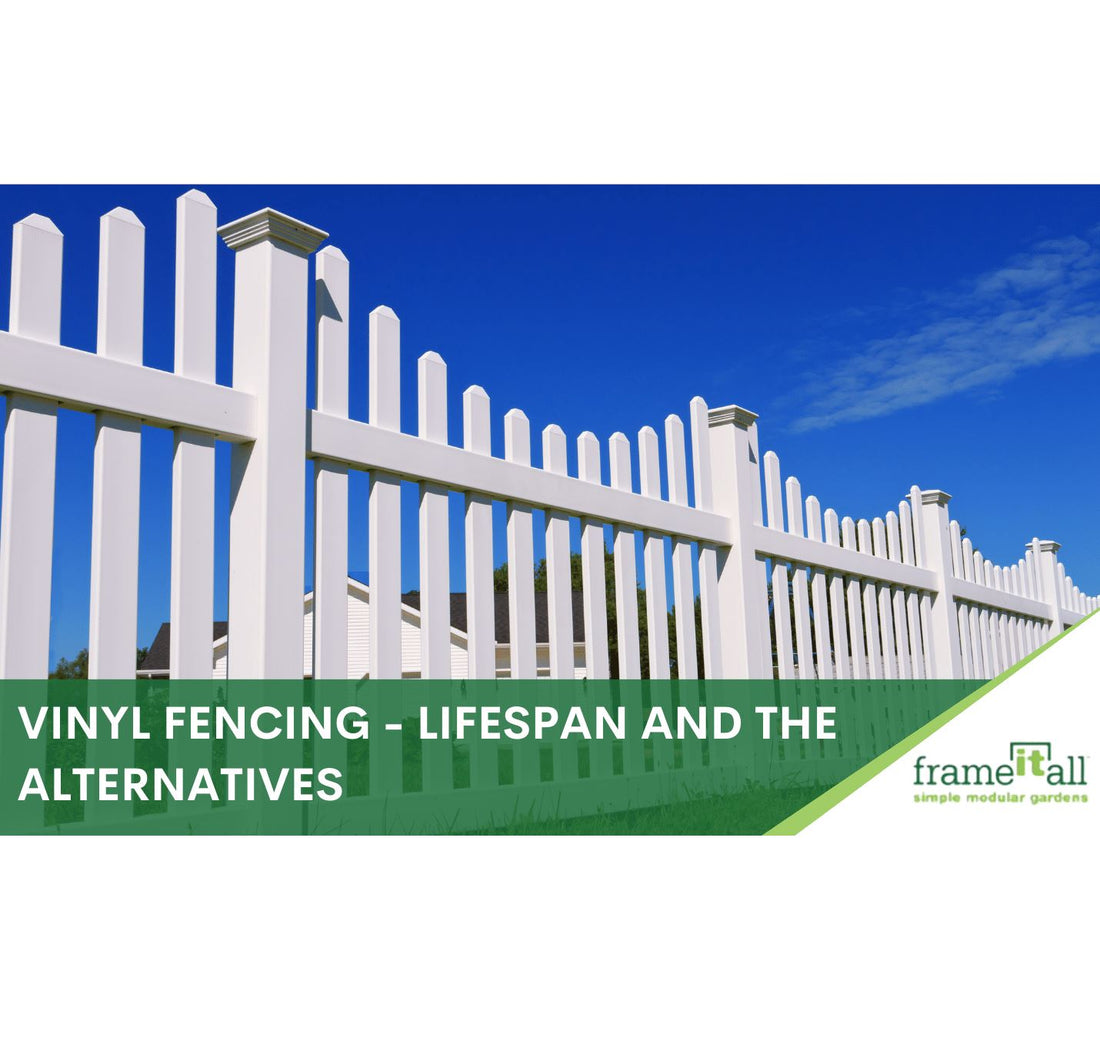
Vinyl fencing was a total game-changer. It promised an end to the biggest headaches of traditional wood fences—no more rotting, warping, or insect damage. For a long time, it was the best choice for a durable, low-maintenance yard. But what does "durable" really mean today? While the average vinyl fence lifespan is decent, technology hasn't stopped there. Newer options have emerged to solve vinyl's own weaknesses, like fading in the sun or cracking in the cold. We'll explore what you can truly expect from vinyl and see how it stacks up against modern alternatives like aluminum, wood, and cap composite fencing.
The Lifespan of Vinyl Fencing - Does Vinyl Fencing Last?
How Long Does Vinyl Fencing Last?

Vinyl fences are designed to be one of the most durable fencing options available. Wondering how long a vinyl fence will last? On average, vinyl fences can easily last upwards of 30 years with proper care and maintenance. This longevity surpasses many traditional fencing materials like wood or metal, making vinyl a top choice for those seeking a long-lasting fence solution.
Typical Lifespan Range
So, what can you realistically expect from a vinyl fence? Most sources agree that a typical vinyl fence will last between 20 and 30 years. Of course, this isn't a one-size-fits-all number. A high-quality, professionally installed vinyl fence in a mild climate could potentially last much longer, with some lasting up to 50 years. The final lifespan depends heavily on the quality of the PVC material used, the skill of the installation crew, and the local weather conditions it has to endure year after year. Proper fence maintenance, while minimal for vinyl, also plays a part in reaching that maximum lifespan.
Warranty Considerations
A manufacturer's warranty is often the best indicator of a fence's quality and expected longevity. High-quality vinyl is made from durable PVC plastic that resists rot and general wear, but not all vinyl is created equal. Cheaper options are often thinner, break more easily, and lack crucial UV inhibitors that protect against sun damage and fading. This is why it's so important to look at the fine print. For instance, our Cap Composite Fencing comes with a 30-year warranty, reflecting our confidence in its durability and industry-leading fade resistance. A strong warranty signals that the company stands behind its product for the long haul.
Factors That Affect a Vinyl Fence's Lifespan
A vinyl fence's advertised 30-year lifespan isn't a guarantee; several key factors can either help it reach that milestone or cause it to fail much sooner. Think of it less as a fixed expiration date and more as a potential that depends on the right conditions. From the quality of the raw materials used in its manufacturing to the skill of the team that installs it and the climate it has to endure day in and day out, understanding these variables is crucial. A fence is a significant investment for your home or property, and knowing what impacts its durability will help you make a choice that stands the test of time. Let's look at the three main elements that determine how long your vinyl fence will actually last.
Quality of the Vinyl Material
The single most important factor in a vinyl fence's longevity is the quality of the material itself. Not all vinyl is created equal. Top-tier fences are made from 100% virgin PVC, which includes crucial additives like titanium dioxide. This ingredient acts as a UV inhibitor, protecting the fence from the sun's harsh rays that can cause discoloration and brittleness over time. In contrast, some manufacturers use recycled vinyl to cut costs. While more budget-friendly, these materials often lack the necessary protective additives and can become weak, cracking within just a few years. When you invest in a fence, choosing one made from high-quality materials is the best way to ensure it stands strong for decades.
The Importance of Proper Installation
You can buy the best fencing material on the market, but if it’s not installed correctly, it won’t last. Proper installation is absolutely critical to getting the most out of your vinyl fence. A professional installer ensures every post is securely anchored in the ground, often with concrete, to create a stable foundation. They also pay close attention to spacing and reinforcement, which prevents the panels from sagging or becoming vulnerable to strong winds. A poorly installed fence can fail quickly, leading to costly repairs or a full replacement. Taking the time to ensure a solid installation is a non-negotiable step for a fence that's built to last.
Impact of Climate and Environment
Where you live plays a big part in your fence's lifespan. Vinyl is a type of plastic, and like most plastics, it reacts to extreme temperatures. In areas with intense summer heat, lower-quality vinyl can warp or soften. Conversely, in regions with freezing winters, it can become brittle and more susceptible to cracking from an impact, like a stray baseball or falling branch. While vinyl fences perform best in moderate climates, materials engineered for resilience can offer a better solution for harsher environments. For instance, our Cap Composite fencing is designed to resist fading and withstand a wide range of temperatures, offering a durable alternative. The local climate is a major consideration when choosing the right material for your property.
Durability of Vinyl Material - Why Choose Vinyl?
In the realm of fence materials, vinyl's appeal extends beyond its lifespan. Unlike the charming yet demanding wooden fences, vinyl stands out as a low-maintenance option. A simple rinse with a garden hose is all it takes to keep a vinyl fence looking pristine, saving homeowners valuable time and effort on maintenance tasks.
Strength and Flexibility
Vinyl fencing, also known as PVC fencing, is engineered for impressive resilience. It’s made from polyvinyl chloride, often enhanced with ingredients like titanium dioxide to prevent discoloration and fading from the sun. This composition makes vinyl about five times stronger than a typical wood fence. What’s really interesting is its flexibility. While a rigid fence might snap under the force of strong winds, a vinyl fence is designed to bend and flex, giving it the ability to withstand harsh weather conditions without breaking. This combination of strength and adaptability is a major reason why so many homeowners find it to be a reliable choice for their properties.
Safety and Resistance
Beyond its strength, vinyl fencing offers excellent resistance to common outdoor threats. Unlike wood, it doesn’t attract termites or other pests, so you won’t have to worry about insect damage. It’s also fire-resistant and considered self-extinguishing, which adds a layer of safety to your property. High-quality vinyl is built to endure extreme temperatures, resisting cracks and brittleness whether it’s a scorching summer day or a freezing winter night. While vinyl is a solid choice, materials have continued to evolve. For instance, modern cap composite fencing builds on these benefits, offering industry-leading fade resistance and even greater durability for a truly long-term solution.
Vinyl vs. Other Fencing Options

When compared to chain link fences, metal fences, or even the charm of traditional wood, vinyl stands out for its ability to last for decades. Wood fences, for instance, may require regular maintenance and are prone to decay, while vinyl maintains its integrity with minimal care.
Wood Fencing
There’s no denying the classic, natural beauty of a wood fence. It’s a popular choice for a reason, offering a warm and traditional look to any property. However, that classic charm comes with a significant maintenance commitment. Wood fences usually last between 10 to 15 years, and reaching that lifespan depends heavily on consistent upkeep. To prevent rot, warping, and insect damage, you’ll need to commit to yearly painting or staining. While beautiful, it’s important to weigh the aesthetic benefits against the recurring labor and cost required to keep a wood fence in good condition.
Aluminum Fencing
If you’re looking for a modern aesthetic with less maintenance than wood, aluminum fencing is a strong contender. It offers a sleek look and boasts a long lifespan, often lasting about as long as vinyl. Aluminum is also resistant to rust, making it a durable choice in wet climates. The primary drawback, however, is its susceptibility to damage. Unlike more robust materials, aluminum fences can dent quite easily from impacts, whether from a stray baseball or a bump from a lawnmower. This makes it a less-than-ideal option for high-traffic areas or yards where kids and pets play regularly.
Chain-Link Fencing
For a purely functional and budget-friendly solution, chain-link fences are a common go-to. They can last up to 20 years and are effective for defining property lines and keeping pets contained. While practical, they don’t offer much in terms of privacy or style, and their utilitarian appearance isn't for everyone. Another point to consider is that while many modern chain-link fences are galvanized or vinyl-coated to resist rust, they can still corrode over time, especially if the coating gets scratched or damaged. This can lead to an unsightly appearance and compromise the fence's structural integrity.
Wrought Iron Fencing
Wrought iron fences offer a timeless elegance and incredible strength that can significantly enhance a property's curb appeal. With proper care, these fences are built to last, with a potential lifespan of over 50 years. This impressive durability, however, comes at a cost—both in initial price and long-term maintenance. Wrought iron is highly susceptible to rust and requires a lot of diligent painting and sealing to protect it from the elements. For those who love the historic look and are prepared for the upkeep, it’s a beautiful investment, but it’s certainly not a set-it-and-forget-it option.
Understanding the Cost of Vinyl Fencing
When you're planning a fencing project, the budget is always a major factor. The cost of a fence isn't just about the initial price tag; it's about the total investment over its entire life. Vinyl fencing presents a clear case of paying more upfront to save significantly down the road. Understanding this trade-off is key to deciding if it's the right material for your property. Let's break down what you can expect to pay at the beginning of your project versus what you'll save over the next few decades.
Initial Material and Installation Costs
There's no getting around it: the initial cost for vinyl fencing materials and installation is typically higher than for a traditional wood fence. This upfront expense covers the manufacturing of the durable PVC material, which is engineered to be five times stronger and four times more flexible than wood. The price also includes professional installation, which is crucial for ensuring the fence's stability and longevity. While this initial investment might seem steep, it's important to view it as the main expense you'll have for this fence, rather than the first of many.
Long-Term Value and Replacement Costs
Here’s where vinyl fencing really starts to pay off. While a wood fence might need replacing in 10 to 20 years, a high-quality vinyl fence can last between 20 and 50 years. Over that time, the maintenance costs are incredibly low. You won't need to budget for painters, sealants, or stains every few years. A simple rinse with soap and water is usually all it takes to keep it looking new. This low-maintenance quality means you save thousands of dollars and countless hours over the fence's lifespan, making it a smart financial decision that adds lasting value to your home.
Maintaining Your Vinyl Fence
To ensure your vinyl fence's lifespan, regular maintenance is key. Cleaning your vinyl fence with a simple hose rinse will help keep it looking fresh and vibrant. The advantages of vinyl include not only its longevity but also its ease of maintenance, making it a practical and aesthetic choice for homeowners.
Cleaning and General Care Tips
One of the biggest draws of vinyl fencing is its incredibly low-maintenance nature. You can say goodbye to the scraping, staining, and painting that wood fences require. For routine cleaning, a simple spray-down with a garden hose a couple of times a year is usually enough to wash away surface dirt, dust, and grass clippings. This quick rinse helps keep the material looking bright and prevents grime from building up over time. It’s a good idea to do this after major storms or at the beginning of a new season to keep your fence looking its best without much effort on your part.
For tougher spots like mildew, algae, or stubborn dirt, a little extra attention might be needed. A soft brush or cloth dipped in a solution of warm water and mild dish soap will typically do the trick. For any lingering mildew stains, you can use a mixture of one part white vinegar to five parts water. Gently scrub the affected area and then rinse it thoroughly with your hose. It’s best to avoid harsh chemical cleaners or abrasive scrubbers, as they can damage the vinyl’s protective surface and finish.
While vinyl offers a fantastic low-maintenance solution, fencing technology continues to advance. If you love the idea of a fence that requires minimal upkeep but want even greater durability and fade resistance, you might consider modern alternatives. For example, Cap Composite fencing combines the strength of sustainably sourced wood fiber and recycled plastic, offering a premium look that resists fading and is backed by a 30-year warranty. It’s an excellent choice for homeowners who want a beautiful, long-lasting fence that truly stands the test of time with very little maintenance.
Signs Your Vinyl Fence Needs Replacement
While a quality vinyl fence can last for decades, it won’t last forever. Knowing the signs of failure can help you decide when it’s time to replace it. Obvious red flags include significant structural damage like leaning posts, sagging sections, or widespread warping. These problems often point to issues with the original installation or the natural shifting of the ground over many years. You should also inspect the vinyl material itself. Look for extensive cracking, brittleness, or large holes that go beyond simple cosmetic flaws. Severe yellowing or a chalky texture are also key indicators that the vinyl’s UV inhibitors have broken down, leaving the material weak and susceptible to further damage. If you're seeing several of these issues, it's a clear signal that your fence is nearing the end of its lifespan.
Choosing Vinyl for Long-Lasting Fences
Whether you're looking to customize your fence with different panels or emulate the classic look of traditional fencing styles, vinyl offers versatility without compromising durability. Vinyl fences are designed to suit various preferences, ensuring that you can choose a fencing style that not only looks great but also lasts for many years to come.
In conclusion, when you choose vinyl, you're not just choosing a fencing material – you're choosing a long-lasting investment. Learn more about vinyl fencing, and discover the benefits of a fence that can last for decades, providing both durability and aesthetic appeal. Choose vinyl for a fence that stands the test of time.
The Humble Rise of Composite Fencing
While vinyl has proven its worth, there's a newcomer worth considering – composite fencing. Without intending to overshadow the reliability of vinyl, composite fencing subtly introduces additional benefits. It doesn't seek to outshine but rather complements the qualities of vinyl, providing an alternative that balances durability and environmental resilience, read on to learn more.
Finding the Right Balance
In the quest for a lasting fence material, homeowners are faced with choices. Vinyl has proven itself as a stalwart option, but the emergence of composite fencing introduces a nuanced decision. As you weigh the factors of durability, maintenance, and environmental resistance, finding the right balance becomes key. Whether you opt for the proven legacy of vinyl or explore the subtle advantages of composite fencing, the goal remains the same – a durable and enduring fence that stands the test of time.
Introducing Cap Composite Fencing:

Cap composite fencing emerges as a robust alternative to traditional vinyl fencing, offering enhanced durability and a longer lifespan. Here are some key advantages that make cap composite fencing a choice to consider:
Color Fade Resistant - Durability At Its Finest
One of the common issues with traditional vinyl fencing is color fading over time due to exposure to the elements. Cap composite fencing, on the other hand, is designed with advanced technology to resist color fading, ensuring that your fence maintains its vibrant appearance for an extended period.
Termite, Fungus, Bacteria Resistant - For the Longevity You're Looking For
Unlike wood fencing, which is susceptible to termite infestations and rot, cap composite fencing is resistant to termites, fungus, and bacteria. This feature not only adds to the longevity of the fence but also eliminates the need for costly and time-consuming treatments.
Moisture & Mold Resistant
Cap composite fencing is engineered to be highly resistant to moisture absorption and mold growth. This makes it an ideal choice for areas with high humidity or frequent rainfall, where traditional materials may deteriorate over time.
Salt Spray Resistant
For properties located in coastal areas, exposure to salt spray can be a concern. Cap composite fencing is designed to withstand the corrosive effects of salt, making it an excellent choice for those seeking a durable fencing option near the coast.
30-Year Warranty
Perhaps one of the most compelling features of cap composite fencing is the confidence manufacturers have in its longevity, for a fence that will last longer than wood choose a composite fence. At Frame It All, our cap-composite fencing comes with a 30-year warranty, providing peace of mind to homeowners and businesses alike. We have created a fence that will last for decades as this fence is made with you and the environment in mind.
Conclusion

While vinyl fencing has been a popular choice for its low maintenance and appealing aesthetics, the emergence of cap composite fencing offers a more durable and long-lasting alternative. With features such as color fade resistance, termite, fungus, and bacteria resistance, moisture and mold resistance, salt spray resistance, and an impressive 30-year warranty, cap composite fencing stands out as a superior option for those looking to invest in a fence that will withstand the test of time. There are many types of fences you can choose from and if you're looking for a new fence that will last, these are your best options. A cap composite fence will last for years to come, a durable and aesthetically pleasing solution that outshines traditional vinyl fencing.
Frequently Asked Questions
Is vinyl fencing really maintenance-free? While vinyl is incredibly low-maintenance compared to wood, it isn't completely "maintenance-free." Think of it more like "set it and forget it, with an occasional rinse." A simple spray with a garden hose once or twice a year is usually all you need to remove dirt and grass clippings. For any stubborn spots or mildew, a soft cloth with a mild soap and water solution works perfectly. You get to skip the sanding, staining, and painting, which is the real win.
Why is my neighbor's vinyl fence yellowing, and will mine do the same? That yellowing or chalky look is a classic sign of sun damage. It happens when the UV inhibitors in the vinyl, like titanium dioxide, break down after years of exposure. This is most common in lower-quality fences made from recycled materials that lack these crucial protective ingredients. To avoid this, invest in a fence made from 100% virgin vinyl, which is specifically formulated to resist sun damage and stay vibrant for decades.
Is it smarter to pay more for vinyl upfront instead of just getting a cheaper wood fence? It really comes down to long-term value. A wood fence has a lower initial price tag, but it comes with a lifetime of expenses. You have to account for the cost of stains, sealers, and paint every few years, not to mention the time and labor involved. A high-quality vinyl fence costs more at the start, but it saves you all those recurring maintenance costs and will likely outlast two or even three wood fences, making it a more sound financial decision over time.
My area has very hot summers and cold winters. Is vinyl a good choice? Vinyl can be a great choice, but its performance in extreme climates depends heavily on its quality. Lower-grade vinyl can become soft and warp in intense heat or turn brittle and crack from impacts in freezing temperatures. High-quality vinyl is engineered to be more resilient. However, if you live in a place with dramatic temperature swings, you might consider an even more stable material like cap composite fencing, which is designed to withstand those conditions without issue.
What's the real difference between vinyl and cap composite fencing? Think of cap composite as the next generation of low-maintenance fencing. While a good vinyl fence is strong and durable, cap composite builds on those benefits. It offers superior resistance to color fading from the sun and is also highly resistant to moisture, mold, and even salt spray in coastal areas. It combines recycled plastic with wood fibers for a premium look and feel, and its durability is often backed by a longer, more comprehensive warranty, like our 30-year guarantee.
Key Takeaways
- Lifespan depends on quality and installation: A vinyl fence can last 30 years, but only if you choose high-quality virgin PVC material and have it professionally installed. Climate also plays a key role, as extreme temperatures can cause warping or cracking over time.
- Pay more now to save later: Vinyl fencing costs more upfront than wood, but it saves you money in the long run. You eliminate the recurring expenses and labor of painting, staining, and replacing damaged boards every few years.
- Consider cap composite for greater durability: While vinyl is a great low-maintenance option, cap composite fencing offers even better performance. It's specifically engineered to resist color fading, moisture, and pests, and often comes with a 30-year warranty, making it a top-tier investment for your property.