
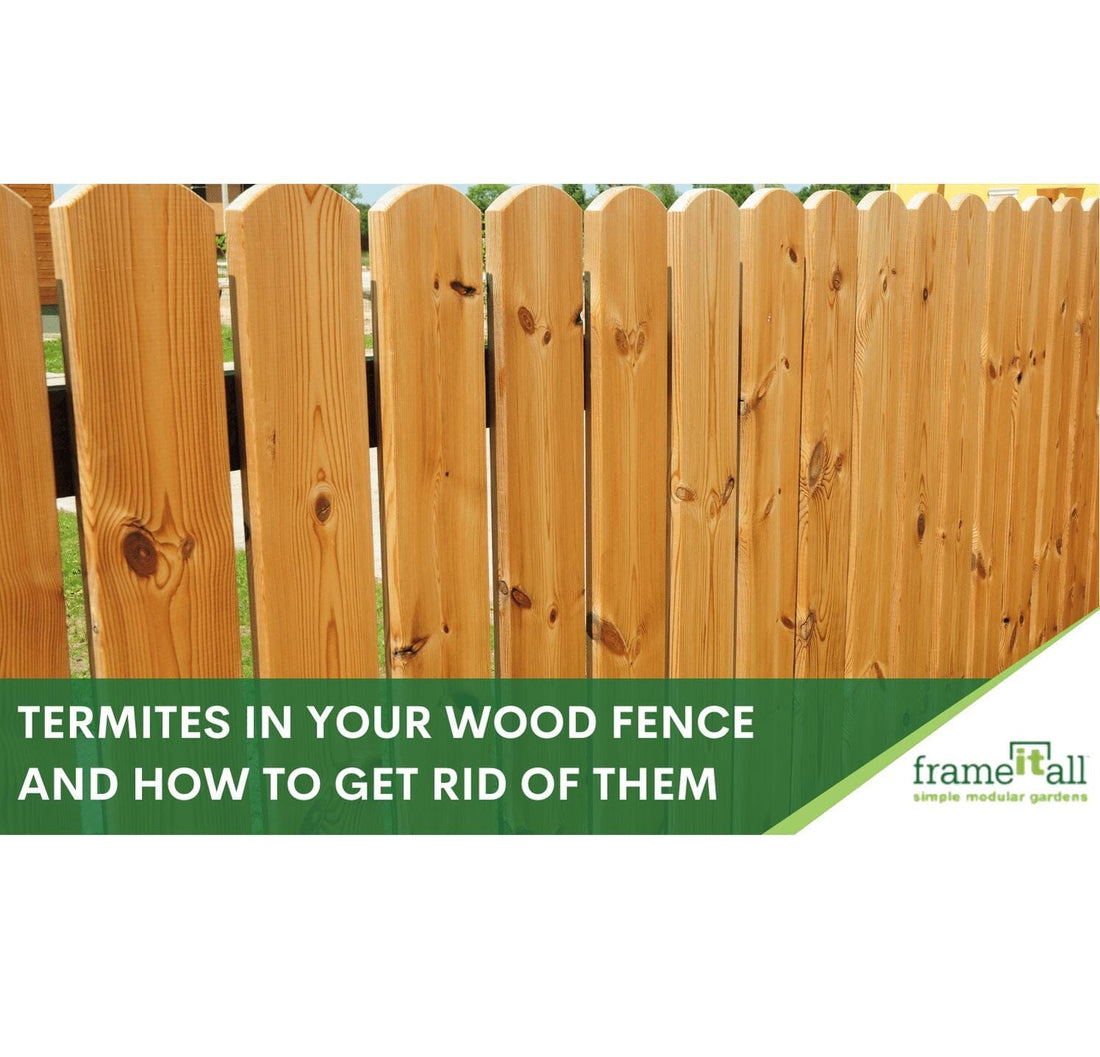
There’s a certain charm to a classic wooden fence, but that natural material comes with a major vulnerability: termites. These tiny pests can turn a beautiful, sturdy boundary into a hollowed-out shell, compromising both its appearance and its structural integrity. For many homeowners, a termite infestation fence is an unfortunate but common reality that requires constant vigilance and treatment. If you’ve noticed suspicious signs like mud tubes or soft, crumbling wood, don’t panic. We’ll show you how to identify the culprits, treat the problem effectively, and explore durable, modern fencing options that offer a permanent solution to your pest worries.
Termites can be a homeowner's worst nightmare, causing extensive damage to structures and costing hundreds, or even thousands, of dollars in repairs. While we often associate termite infestations with homes and buildings, it's important not to overlook the potential damage they can inflict on our fences.
In this blog post, we will delve into the world of termites, understanding their habits and the impact they can have on our fences. We will explore how to identify termite infestations in your fence, the various types of termites that can affect fences, and the implications of a termite infestation.
See Also: How to Choose Durable Fencing That Lasts
But it doesn't end there. We will also discuss effective methods to treat termite infestations in fences, including the use of chemical treatments and employing biological control methods. We will also provide some considerations for those who prefer to tackle the problem themselves with DIY treatments.
Prevention is key when it comes to dealing with termites. We will offer practical tips on how to prevent termites from invading your fence, such as choosing termite-resistant materials, conducting regular inspections and maintenance, and making environmental changes to deter termites.
However, in some cases, the infestation may be beyond your control, and it becomes necessary to hire a professional for termite control. We will guide you through the process of knowing when to consult a professional, choosing a reliable pest control service, and understanding the associated costs and process.
Don't let termites destroy your fence and compromise the security and aesthetics of your property. Join us as we equip you with the knowledge and tools you need to effectively deal with termites in your fence.
Understanding Termites: Their Habits and Impact on Wood Fences
Termites are small, social insects that belong to the order Isoptera. They have been around for millions of years and play an essential role in the ecosystem by breaking down dead plant material. However, when they invade our homes and fences, they become a nuisance (to say the least!).
Termite Habits
Termites live in colonies, which consist of different castes, each with specific responsibilities. The most common castes found in a termite colony are:
Workers: These are the most numerous termites in the colony. They are responsible for foraging for food, constructing tunnels, and caring for the young termites.
Soldiers: Soldiers have larger heads and strong jaws used for defending the colony against predators. They are incapable of feeding themselves and rely on the workers for food.
Reproductives: The reproductives are responsible for establishing new colonies. They include the king and queen, who are the primary reproductive individuals, as well as the swarmers or alates, which are winged termites that leave the colony to mate and start new colonies.
Termites are attracted to cellulose-rich materials, such as wood, which serves as their primary food source. They can cause significant damage to wooden fences by tunneling through the wood, weakening its structural integrity.
Termite Biology Facts
To effectively protect your fence, it helps to understand the pest you're dealing with. Termites are complex social insects that play a useful role in nature by breaking down dead wood. The problem starts when they can't distinguish between a fallen log and your fence posts. Their entire existence revolves around a highly organized colony, which is divided into castes with specific jobs. The workers, making up the vast majority, are the ones you’ll find munching on your fence as they forage for food. Soldier termites defend the colony with their large jaws, while the reproductives—the king and queen—are responsible for laying eggs and creating swarmers that fly off to establish new colonies. This efficient system means that once they find a food source, they can exploit it quickly and relentlessly.
The primary reason termites pose such a threat is their diet. They feed on cellulose, the organic compound found in wood and other plant materials. Their digestive systems are uniquely equipped to break down this tough material, which is why wooden fences are so vulnerable. This constant search for cellulose is what drives them to tunnel through fence posts and panels, weakening the structure from the inside out. It’s also why choosing materials that termites can't eat, like Cap Composite fencing, is one of the most effective long-term solutions for preventing an infestation in the first place.
Impact of Termites on Fences
When termites infest a fence, they can cause various problems, including:
Structural Damage: Termites tunnel through the wood, creating hollow galleries that weaken the fence. Over time, this can lead to sagging, leaning, or even collapse of the fence.
Financial Loss: Repairing termite-damaged fences can be costly. In severe cases, the entire fence may need to be replaced, resulting in additional expenses.
Aesthetic Concerns: Termite infestations can lead to visible signs of damage, such as cracked or splintered wood, which can negatively impact the appearance of your fence and property.
Risk of Further Infestation: If termites are present in your fence, there is a higher likelihood of them spreading to other structures or wooden elements in your property, such as decks or outbuildings.
Understanding the habits and impact of termites on fences is crucial for effectively dealing with infestations and implementing preventive measures. By gaining insights into their behavior, you can take proactive steps to protect your fence from termite damage.
Common Types of Termites
Knowing your enemy is the first step to winning the battle. When it comes to termites, identifying the specific type munching on your fence can help determine the best course of action. While choosing termite-resistant materials like composite fencing is a great preventative measure, it's still crucial to recognize the signs of an infestation in your yard. There are thousands of termite species, but most fence damage in the U.S. comes from a few key culprits. Each has unique habits for nesting and feeding, which means the signs they leave behind can differ. Let’s break down the three most common types you might find.
Subterranean Termites
Subterranean termites are the most common and destructive type found across the country. As their name suggests, they build their colonies underground in the soil where moisture is plentiful. To reach their food source—the wood in your fence—they construct protective mud tubes to travel between their colony and the wood. You can often spot these pencil-sized tunnels running up from the ground along your fence posts or foundation. Because they attack from the soil up, the damage often starts at the base of your fence posts, hollowing them out from the inside. This can go unnoticed for a long time until the fence starts to lean or weaken significantly.
Drywood Termites
Unlike their subterranean cousins, drywood termites don’t need contact with the soil to survive; they get all the moisture they need from the wood they infest. These termites establish their colonies directly inside dry, sound wood, meaning any part of your fence is fair game, not just the posts touching the ground. They typically swarm to find new homes, entering your fence through small cracks or joints. A tell-tale sign of a drywood termite infestation is the presence of tiny, hard fecal pellets, known as frass. They push this frass out of small "kick-out" holes, creating small mounds that look like sawdust or sand beneath the infested area.
Formosan Termites
Often called the "super-termite," the Formosan termite is an especially aggressive subterranean species known for its massive colonies, which can number in the millions. They are incredibly efficient at destroying wood and can cause significant damage to a fence in a surprisingly short amount of time. While they are a type of subterranean termite and also build mud tubes, their large colony size allows them to consume wood much faster than other species. Formosan termites are most prevalent in the southern United States and Hawaii, so if you live in these areas, it’s crucial to be extra vigilant and act quickly at the first sign of trouble.
How to Know If You Have a Termite Problem
Identifying a termite infestation in your fence is essential to address the problem promptly and prevent further damage. Here are some key steps to help you determine if your fence is infested with termites:
Signs of Termite Presence
Mud Tubes: Termites construct mud tubes as protective tunnels between their colony and food sources. These tubes are typically made of soil, wood particles, and termite saliva. Look for pencil-sized tubes running along the exterior or interior of your fence.
Wood Damage: Termites feed on wood from the inside out, leaving a thin layer of paint or wood veneer intact while hollowing out the interior. Tap on the fence posts and panels with a screwdriver or a wooden object. If the wood sounds hollow or soft, it may indicate termite damage.
Discarded Wings: Winged termites, known as swarmers or alates, shed their wings after mating. If you find discarded wings near your fence, it could be a sign of a termite infestation.
Frass or Termite Droppings: Termites produce droppings called frass, which resemble small wood-colored pellets or sawdust. If you notice piles of frass near your fence, it could indicate termite activity.
Sagging or Buckling Wood: As termites tunnel through the wood, they weaken its structure, causing the fence to sag, lean, or buckle. Check for any unusual changes in the alignment or stability of your fence.
Subtle Signs of an Infestation
Beyond the more obvious signs, termites often leave subtle clues that are easy to miss if you don't know what to look for. One of the best ways to check for hidden damage is to perform a "tap test." Grab a screwdriver and gently tap along your fence posts and panels. If the wood sounds hollow or feels unusually soft, it’s a strong indicator that termites have been feasting from the inside out, leaving just a thin veneer of wood or paint on the surface. Another tell-tale sign is the presence of "frass," which is a polite term for termite droppings. Keep an eye out for small piles of wood-colored pellets that resemble sawdust near the base of your fence. This is waste material pushed out of the tunnels where the termites are working and is a clear sign of an active termite infestation.
How to Check if Mud Tubes Are Active
Mud tubes are like protected highways for termites, allowing them to travel between their underground colony and your fence without being exposed to the air or predators. To see if a colony is currently using a tube, you can perform a simple test. Carefully break off a small, one-inch section from the middle of a tube, being careful not to disturb the rest of it. Check back in a day or two. If the broken section has been repaired, you have an active infestation. If it remains broken, the tube may be old and abandoned. However, don't assume you're in the clear—the termites could simply be using a different route. Always inspect the soil around the base of your fence posts for new tubes or live termites. Spotting these issues early is key to preventing widespread damage, which is why many homeowners are now opting for materials like composite fencing that termites simply can't eat.
Implications of a Termite Infestation
If you suspect a termite infestation in your fence, you must take action quickly to prevent:
Further structural damage to your fence
The infestation spreading to other structures like your shed or deck
And - of course - the financial burden of repairing or replacing your fence
Identifying termite infestation signs in your fence is the first step towards effective termite control. If you observe any of these signs, it is crucial to take immediate action to prevent further damage and protect your property.
Proximity to Your Home
Finding termites in your fence is concerning, but discovering them close to your home raises the stakes considerably. A wood fence can act as a superhighway for a colony, giving them a direct path to other wooden structures like your deck, shed, and eventually, your house itself. Because a fence infestation can quickly become a home infestation, it's critical to address the problem as soon as you spot it. The presence of termites so near your foundation turns a simple fence issue into a serious threat to your home’s structural integrity, demanding immediate and thorough inspection that extends well beyond the fenceline.
Methods to Treat an Infestation and Get Rid of Termites
When it comes to treating termite infestations in fences, there are several methods available. The choice of treatment depends on the severity of the infestation, your preferences, and the resources at your disposal. Here are some effective methods to consider:
Using Chemical Treatments
Liquid Termiticides: Liquid termiticides are commonly used for treating termite infestations in fences. These chemicals are applied to the soil around the fence posts or directly onto the wood, creating a barrier that repels or kills termites upon contact. Professional pest control companies typically use specialized equipment to apply liquid termiticides effectively.
Termite Baits: Termite baits are another option for treating termite infestations in fences. These baits are placed strategically around the fence perimeter, and termites consume the bait and carry it back to the colony, effectively eliminating the entire termite population. This method requires patience as it takes time for the bait to be spread and take effect.
Professional-Grade Soil Treatments
If you're dealing with a serious termite problem, especially with subterranean termites that live in the ground, professional soil treatments are often the most effective long-term solution. This isn't a weekend DIY project; it involves a licensed technician applying a liquid termiticide to the soil around the base of your fence. This creates a continuous chemical barrier that either repels termites or eliminates them on contact. When done correctly, this treatment can protect your fence for years, stopping new colonies from moving in and destroying the wood. Think of it as creating a protective shield right where termites travel, cutting them off from their food source—your fence. It’s a powerful method for controlling termites and preventing their return.
Fumigation for Severe Infestations
For widespread infestations, particularly from drywood termites that live deep inside the fence posts and panels, fumigation might be necessary. This is a heavy-duty treatment where professionals enclose the infested fence section in a tent and release a gas fumigant. The gas penetrates every crack and crevice of the wood, reaching termites that other treatments can't. Because this process involves potent chemicals, it absolutely must be handled by a certified pest control expert. While it sounds intense, fumigation is incredibly thorough and can wipe out an entire colony in a single treatment, making it a reliable option when the damage is extensive and the infestation is deeply embedded within the structure of your fence.
Employing Biological Control Methods
Nematodes: Nematodes are microscopic worms that are natural predators of termites. These beneficial organisms can be introduced into the soil around the fence posts, where they seek out and infect termites, eventually killing them. Nematodes are eco-friendly and safe for humans and pets.
Fungus: Certain species of fungi, such as Metarhizium anisopliae, can be used as a biological control method for termites. These fungi infect and kill termites upon contact. They can be applied as a spray or mixed with water and poured onto the soil around the fence posts.
Natural Sprays for Direct Application
If you’ve identified a small, localized infestation, you can use natural sprays for direct treatment. These solutions are best for spot-treating areas where you can see active termites or their galleries. One popular option is orange oil, which contains d-limonene, a compound extracted from orange peels. This substance is lethal to termites on contact because it dissolves their exoskeletons. To apply it, you can inject the oil directly into the small holes and tunnels in the infested wood, which helps eradicate the termites within that specific area.
Another effective natural treatment is a boric acid solution. You can mix boric acid powder with water to create a spray that you can apply directly to the surface of the infested fence posts and panels. When termites groom themselves or ingest the treated wood, the boric acid acts as a stomach poison and also abrades their exoskeletons. While it is a naturally occurring compound, it’s important to handle boric acid carefully and keep it out of reach of children and pets. Both orange oil and boric acid are great for targeted attacks but may not be enough to wipe out an entire colony, especially if the nest is located underground.
Considerations for DIY Treatment
Safety Precautions: When using chemical treatments, always follow the instructions provided by the manufacturer. Wear protective clothing and ensure proper ventilation during application. If you are unsure or uncomfortable with handling chemicals, it is best to consult a professional.
Effectiveness and Timing: DIY treatments may be effective for minor infestations, but severe or widespread infestations may require professional intervention. Consider the extent of the infestation and the effectiveness of the treatment method before proceeding.
Long-Term Solutions: Treating a termite infestation in your fence is just the first step. Implementing long-term preventive measures, such as regular inspections and maintenance, is crucial to avoid future infestations.
Remember, if you are unsure about treating a termite infestation yourself or if the infestation is severe, it is advisable to consult a professional pest control service that specializes in termite treatment. They have the necessary expertise and tools to effectively eliminate the infestation and protect your fence from further damage.
Repairing Termite-Damaged Fences
After you’ve dealt with the termite colony, it’s time to address the damage left in their wake. This step is about more than just appearances; it’s about restoring the safety and stability of your fence. Termites weaken wood from the inside out, creating hidden tunnels that compromise its structural integrity. This can lead to sagging posts, leaning panels, or even a full collapse if the damage is severe enough. Before you begin any repairs, take the time to carefully inspect every board and post to understand the full extent of the problem. A thorough repair is essential for ensuring your fence is strong and secure for the long haul.
Replacing Damaged Wood
When wood has been hollowed out by termites, patching it up isn’t a viable long-term fix. You’ll need to completely replace the compromised boards and posts to ensure your fence is secure. This is a great opportunity to upgrade to a material that termites won’t touch. Instead of using traditional wood, which remains vulnerable, consider a termite-proof alternative like composite. Our Cap Composite Fencing is an excellent choice, as it’s made from recycled plastic and wood fibers, making it completely resistant to termites, rot, and decay. This not only fixes the current damage but also prevents future infestations. If you do choose to use new wood, make sure to treat the surrounding soil with a liquid termiticide to create a protective barrier against future colonies.
How to Keep Termites at Bay and Protect Your Fence
Prevention is key when it comes to dealing with termites in your fence. By implementing preventive measures, you can greatly reduce the risk of a termite infestation. Here are some effective strategies to prevent termites from damaging your fence:
Regular Inspection and Maintenance
Routine Inspections: Conduct regular inspections of your fence to detect any signs of termite activity early on. Inspect the wood for hollow sounds, mud tubes, frass, or any other visible signs of damage.
Repair Moisture Issues: Termites are attracted to moisture, as it provides them with a conducive environment. Repair any leaks or drainage issues near your fence to prevent moisture buildup, which can attract termites.
Seal Cracks and Gaps: Seal any cracks or gaps in your fence, as they can serve as entry points for termites. Use caulk or sealant to fill in these openings and prevent termites from accessing the wood.
Remove Wood-to-Soil Contact: Direct contact between wood and soil creates an ideal environment for termites to thrive. Ensure that wooden fence posts do not come into direct contact with the soil. Use concrete or metal bases to elevate the fence posts above the ground.
Environmental Changes to Deter Termites
Proper Landscaping: Maintain a gap between your fence and any vegetation, such as bushes or trees. This prevents direct contact between the fence and plant material, reducing the likelihood of termite infestation.
Remove Wood Debris: Clear any wood debris, dead tree stumps, or decaying wood from your property. These materials can attract termites and serve as a potential food source.
Ventilation and Sunlight: Ensure proper ventilation and sunlight exposure around your fence. Termites thrive in dark and humid environments, so providing adequate airflow and sunlight can deter them.
Termite-Resistant Mulch: If you use mulch near your fence, opt for termite-resistant varieties, such as cedar or cypress. These types of mulch are less attractive to termites and can help deter them from approaching your fence.
By implementing these preventive measures, you can significantly reduce the risk of termite infestations in your fence. Regular inspections, maintenance, and environmental changes create an inhospitable environment for termites and help protect your fence from potential damage.
Proactive Prevention Strategies
Install Physical Barriers
One of the most straightforward ways to protect your fence is by creating a physical roadblock that termites can't get past. This is especially effective against subterranean termites, which travel from the soil up into wooden structures. You can install a barrier by placing a layer of gravel or metal shields at the base of your fence posts. This simple addition makes it much harder for termites to access the wood, forcing them to build visible mud tubes around the barrier, which makes them easier to spot during your regular inspections. It’s a simple, non-chemical approach that adds a significant layer of defense to your property line.
Use Termite-Resistant Wood
The material you choose for your fence is your first and best line of defense. When building a new fence or replacing damaged sections, you can opt for pressure-treated wood or naturally resistant woods like cedar and redwood, which contain resins and oils that termites dislike. However, for a truly low-maintenance and long-lasting solution, consider materials that termites simply don't see as food. Modern composite materials, which blend recycled plastic and wood fibers, offer exceptional durability and are highly resistant to pests. Our Cap Composite fencing, for example, is engineered to withstand the elements and deter termites, giving you peace of mind without the need for constant chemical treatments.
Hiring a Professional for Termite Control
While DIY methods can be effective for minor termite infestations, severe or widespread infestations may require the expertise of a professional termite control service. Hiring a professional can ensure the thorough and effective treatment of termites in your fence. Here are some important considerations when hiring a professional for termite control:
When to Consult a Professional
Extensive Infestation: If the termite infestation in your fence is extensive, with visible signs of damage and widespread activity, it is advisable to consult a professional. They have the knowledge and experience to assess the severity of the infestation and provide appropriate treatment.
Recurring Infestations: If you have experienced multiple termite infestations in the past, despite your best efforts at prevention, it may indicate a deeper problem. Consulting a professional can help identify any underlying issues and provide long-term solutions.
Structural Concerns: If your fence is structurally compromised due to termite damage, it is crucial to consult a professional. They can assess the extent of the damage and recommend appropriate repairs or replacement.
Choosing a Reliable Pest Control Service
Research and Referrals: Conduct thorough research to find reputable pest control services in your area. Seek recommendations from friends, neighbors, or online reviews to ensure you choose a reliable and trustworthy provider.
Certifications and Licenses: Verify that the pest control service holds the necessary certifications and licenses required by your local regulatory authorities. This ensures that they have met the industry standards and follow proper protocols.
Experience and Expertise: Consider the experience and expertise of the pest control service in dealing specifically with termite infestations. Inquire about their knowledge of different treatment methods and their success rate in resolving termite issues.
Insurance Coverage: Ensure that the pest control service has proper liability insurance coverage. This protects you in case of any accidental damage or unforeseen circumstances during the treatment process.
Understanding the Cost and Process
Hiring a professional for termite control provides peace of mind knowing that experts are handling the infestation. Their knowledge, experience, and access to specialized tools and treatments can effectively eliminate termites from your fence and protect it from further damage.
Take the time to properly understand the guarantees and warranties that they may offer, along with how costs stack up against replacing your fencing completely.
Other Options: Prevent Termites With Different Fence Options for Your Property
If you've lost patience with your wood fence and your budget is getting eaten up by continually having to paint, stain, replace boards, and buy pesticides, you may want to cut your losses. Whilst wood fences can be cheaper, one of the most affordable options over the long term is choosing a fence material with a longer lifespan.
Choosing Termite-Resistant Materials to Keep Them Away Once and For All
Composite fencing is a specialty of ours here at Frame It All. Our 360 Cap Composite boards are not only pest-resistant, but you won't have to worry about painting or staining either!
Coming with a 30-year warranty, a composite fence for your property is one of the most effective investments you can make. If you're considering this as an option for you and your home, go ahead and contact us today.
Other Articles You May Like:
Composite Fencing as a Termite-Proof Solution
If you're tired of the endless cycle of inspecting, treating, and repairing a wood fence, it might be time to switch to a material that termites simply won't touch. Composite fencing offers a fantastic permanent solution to pest problems. It's engineered from a blend of sustainably sourced wood fibers and recycled plastic, which creates a durable board that termites don't see as food. Our Cap Composite fencing, for example, is not only pest-resistant but also holds up against rot and decay, so you never have to worry about painting or staining. While the initial investment might be higher than some wood options, it pays off by saving you from future costs on repairs and pesticides, and it's all backed by an impressive 30-year warranty.
Frequently Asked Questions
How quickly can termites actually damage a fence? The speed of destruction really depends on the type of termite and the size of the colony. An aggressive species, like the Formosan termite, can cause significant structural damage in just a few months. Other types might work more slowly, taking a year or more to weaken a post to the point of instability. The important thing to remember is that the damage is continuous and often hidden, so the moment you suspect a problem is the moment to act.
If I find termites in one post, does that mean my whole fence is infested? Not necessarily, but it’s a strong warning sign that the entire structure is at risk. Termites are constantly foraging, and a single infested post means a colony is active nearby. They can easily travel underground or through connected wooden panels to other parts of your fence. It's best to treat the discovery as a system-wide threat and conduct a thorough inspection of every post and panel, not just the one spot.
Are the chemical treatments for termites safe for my pets and garden? This is a great question, and the answer depends on the product. Professional-grade liquid termiticides create a powerful barrier but must be applied by a licensed expert who follows strict safety protocols to protect your family and yard. If you prefer a DIY approach, natural options like orange oil or boric acid sprays are generally safer for spot treatments, though you should always read and follow the label's directions. When in doubt, discuss pet-safe and garden-safe solutions with a professional pest control company.
What’s the point of repairing my fence if the termites will just come back? Repairing the damage is only half the battle; you're right that it's pointless without a long-term prevention strategy. Simply replacing a few boards won't stop the colony. A successful approach involves two steps: first, eliminating the existing infestation with treatments, and second, making the area less attractive to future colonies. This can involve creating soil barriers, fixing moisture issues, and, for a permanent fix, replacing vulnerable wood with a material termites can't eat.
Is switching to composite fencing a better investment than constantly treating a wood fence? It often comes down to a trade-off between short-term spending and long-term peace of mind. A wood fence may have a lower initial price tag, but you have to account for the ongoing costs and labor of staining, sealing, and potential pest control treatments over the years. Composite fencing has a higher upfront cost, but it completely eliminates those recurring expenses and worries. Since it's immune to termites and rot, it can be the more economical and stress-free choice over the life of the fence.
Key Takeaways
- Know the signs of a termite problem: Regularly check your fence for mud tubes running up from the ground, wood that sounds hollow when tapped, and small piles of droppings that look like sawdust.
- Tailor your treatment to the infestation: While DIY methods can work for small issues, widespread damage often requires professional help like soil treatments or fumigation to effectively eliminate the entire colony.
- Stop termites for good with a better material: The most effective long-term solution is to use fencing that termites can't eat. Composite fencing offers a permanent, pest-proof alternative to wood, saving you from future repairs and treatments.