

A small backyard does not have to limit your harvest. The best raised garden bed ideas use compact shapes, deep soil, and vertical growing space to turn tight corners or narrow side yards into productive gardens.
Shop modular raised garden beds and start planning your small-yard layout.
Raised garden bed ideas for small yards focus on getting the most from vertical space and using modular designs that fit into odd footprints. Homeowners can use L-shaped beds to wrap around patio corners or narrow kits to line a fence. Stackable and tiered shapes are highly effective for intensive gardening because they increase the available planting surface without taking up more ground area. These systems allow for superior control over soil conditions and drainage, which is crucial when growing in tight urban areas. Experts at Frame it All say modular systems with Snap-Lock technology enable tool-free assembly. This makes them ideal for gardeners with limited workspace or tool storage. By choosing the right shape and layout, you can grow a high volume of food. This works even in a space that once seemed too small.
Raised Garden Bed Ideas: Start with the space, not the shape
When you look for raised garden bed ideas, it is easy to pick a kit based on its look. But in a small yard, the shape of your land must come first. Watch where the sun hits and how you move through the space. This plan helps you pick a way that works for years to come.
Mapping your small yard
Most food plants need at least six to eight hours of full sun each day. Before you buy any gear, watch your yard for a full day. Look for shadows from your house, fences, or trees. Good site planning helps your plants grow strong. A spot that looks bright at noon might be dark by two, so take your time to watch the light move.
You also need to think about your home's doors and gates. Make sure your beds do not block the path to your trash cans or back door. If you have a tight spot, you might use creative garden bed corner designs to keep the center of your yard open. This way leaves room for kids or pets to play while still giving you plenty of space to grow food.
Access and path planning
In a small yard, every inch counts. You must leave enough room for yourself and your tools. Paths should be at least two feet wide so you can walk through without hitting your plants. If you use a wheelbarrow, make the paths three feet wide. Good small yard garden layouts focus on flow so you never feel cramped while you work.
Reach is also a big part of ease and health. Most people can reach about two feet into a bed. If you can only reach the bed from one side, keep it two feet wide. If you can walk all the way around, a four-foot bed is a great choice. This plan helps you avoid back pain from leaning too far, which is a big problem for many people who garden.
Water and power lines
Water and power are the last pieces of the plan. Place your beds near a hose or rain barrel. Dragging a long hose across a small yard is hard and can trip you up. If you plan to add lights or a pump, check for power plugs close by. These small things help a lot in how much you enjoy your garden each day.
- Track the sun. Check your yard every two hours from dawn to dusk to find the sunniest spots.
- Measure your reach. Test how far you can reach with ease to set the width of your beds.
- Clear the paths. Mark paths that are two to three feet wide around your bed area with tape or string.
- Check for water. Make sure your spot is near a hose so watering is easy.
- Call 811. Contact 811 to have any pipes or lines marked before you do any work in the ground.
- Plan for growth. Leave space for extra parts or tall gear you may want to add later.
Safety is the most needed step before you start any project. Even if you use a kit that sits on top of the soil, you may need to level the ground. You must call 811 to have buried lines marked to keep you and your neighbors safe. Once your spot is safe and sunny, you are ready to pick your gear.
Square beds make compact open areas productive
Square raised beds are a smart choice to get the most from every inch of your yard. These shapes work best in open spots where you can reach the center from all sides. Since the design is even, it is easy to plan rows and use your raised garden bed ideas. This setup helps you manage soil and water better than planting in the ground. Research from Penn State Extension shows these beds give you control over soil health and drainage for better growth.
Optimize your reach and access
One great part of a square bed is that it keeps plants within reach. A four-foot by four-foot bed lets most people reach the middle without stepping on the dirt. This is key because keeping feet out of the bed stops soil from getting too tight. When soil stays loose, air and water move more easily to the roots. You can find small yard garden layouts that use this simple shape to keep your work quick and easy.
Maximize your planting zones
Square beds allow for tight planting, which is great for small yards. You can use grid styles to grow more food in less space. This method works well for crops like peppers and tomatoes that do well in the rich soil of a raised bed. If you have more room, check out raised garden bed ideas for small spaces to see how these beds sit near yard features. Using every corner of the square ensures that no space goes to waste.
Grow your garden over time
A big plus of modular square beds is that they can grow with your needs. You can start with one small bed and add more later. This design makes it simple to stack layers for deep soil or link beds for a larger plot. Since these systems use Snap-Lock parts, you can change your layout without any heavy tools. This lets you try new things and grow your harvest each year.
Long narrow beds turn edges into growing space
Many small yards have strips of land that go to waste. You can turn these tight spots into lush gardens with the right plan. Using long, thin shapes is one of the best raised garden bed ideas for yards with limited room. These beds turn a bare wall into a space for fresh food.
Maximize space along the fence
A fence line is a great spot for a garden. By placing a bed against your fence, you keep the center of your yard open. This layout uses vertical space to help your plants climb. You can add a trellis to grow peas or beans. If you need more tips, check out these raised garden bed ideas for small spaces. These plans show how a narrow border can make a big impact.
Using composite boards for these beds is a smart choice. Wood can rot fast when it sits in wet soil near a fence. Composite does not rot and looks like real wood. It stays strong for years and resists pests. Our Snap-Lock system makes it easy to build these long runs. You can snap the parts together in minutes with no power tools. This lets you start your garden fast.
Easy access for side yards and paths
Narrow side yards can be hard to use. They are often just a path between the front and back of the house. A long, narrow bed can fit right in these gaps. Keep the bed about two feet wide so you can reach every plant from the path. This means you never have to step into the soil. When you work from the side, the soil stays loose because you never pack it down.
Access is key when you have a small yard. You must be able to reach your crops to weed, water, and harvest. Long beds let you walk along the length of your garden with ease. You can also place them next to a patio to create a natural green wall. This adds privacy and keeps your herbs close to your kitchen.
Precision soil and weed control
One of the best parts of a raised bed is the soil. You do not have to dig into the hard ground of your yard. Instead, you fill the bed with a fresh mix. Experts say that raised garden beds offer better control over soil health and water flow than in-ground plots. This leads to better growth and fewer pests. A good mix is often 70% soil and 30% compost to give your plants the food they need.
Weeds are also much easier to handle in a narrow bed. Since the area is small, weeds from the lawn have a hard time getting in. You can spot and pull any small weeds before they spread. This saves you hours of work each month. Long beds also help you manage water. A simple drip line can run the length of the bed. This keeps water at the roots where it belongs.
L-shaped beds put overlooked corners to work
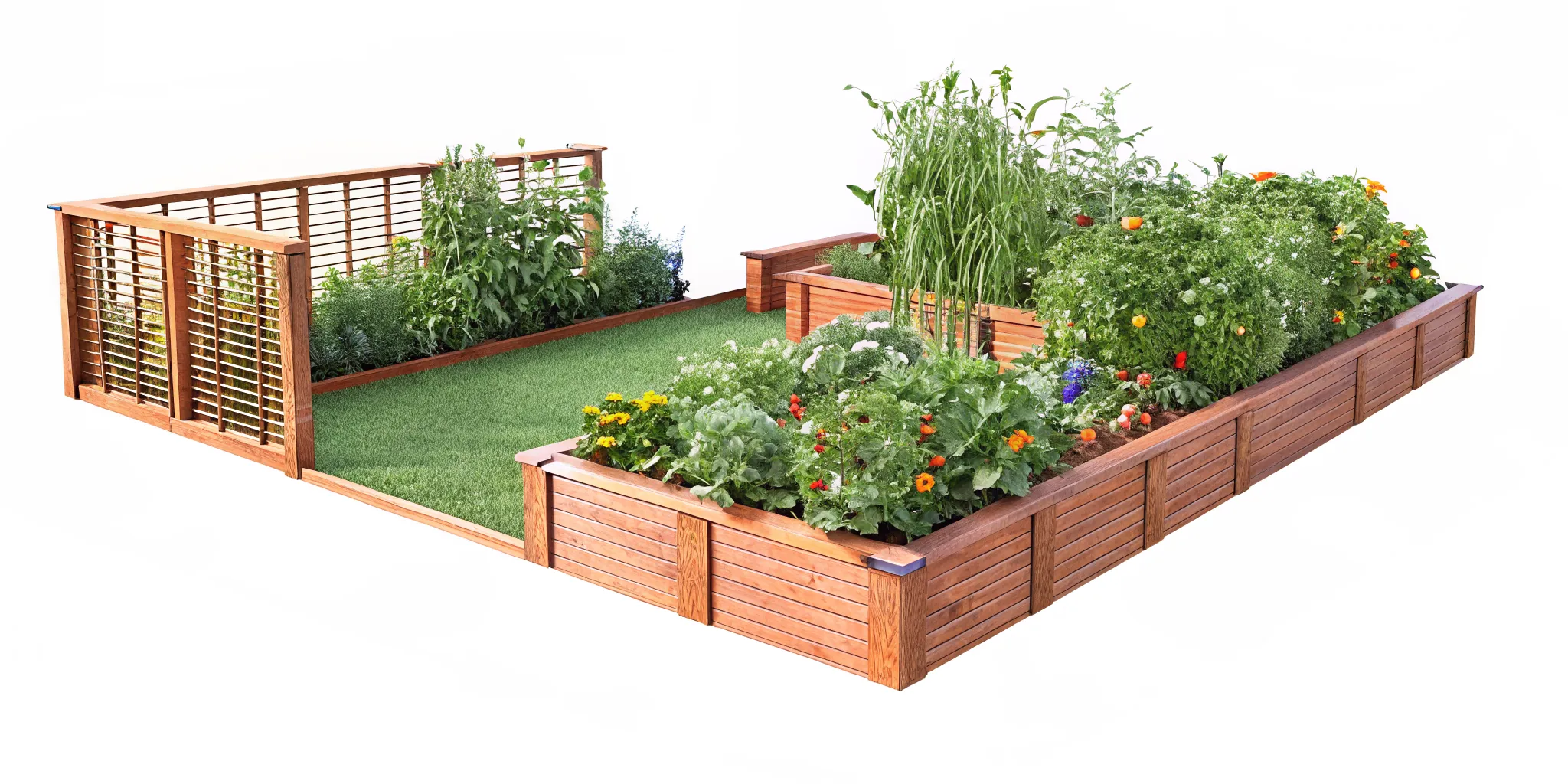
Many people find it hard to fit a garden into a small yard. Empty corners often go to waste because standard square beds do not fit. An L-shaped garden layout is one of the best raised garden bed ideas for small spaces. These beds wrap around corners to turn a tight spot into a place to grow fresh food.
Maximize your garden footprint
L-shaped beds help you use every inch of your yard. By fitting into a corner, these beds stay out of the way of paths and play zones. This layout lets you grow more in a small space while keeping your yard open for other uses. You can also use creative garden bed corner designs to frame your yard and make it look great.
Modular systems make it easy to build these shapes with no tools. Using composite materials for your beds helps them resist rot. They last for years without the work that real wood needs. This is a big help for busy people who want a garden that stays looking new with very little care.
Reach every plant with ease
One common worry with corner beds is reaching the plants in the back. L-shaped designs solve this by keeping the soil area narrow. You can reach every plant from the sides without stepping into the bed. This is key for soil health. Stepping on the soil can crush the small gaps that let water and air reach the roots.
Good access also makes gardening more comfortable. Raising your plants helps you avoid the back strain that comes from working on the ground. This makes it easier to keep up with tasks like weeding and picking crops. For the best results, put your beds in a sunny spot with a water source nearby.
Choose the right crops
A well-planned corner bed can grow a lot of food. Many popular plants like tomatoes, peppers, and cucumbers do well in these beds. You can even use tiered parts to grow tall plants in the back and short ones in the front. This way of using space is a great way to grow more in a small yard.
You might also want to add herbs like basil or thyme. These plants do well in raised beds but need care to stop them from dropping seeds and spreading too far. By grouping plants that need the same things, you can keep your garden healthy all year. Mixing different plants also helps stop diseases and keeps your soil in top shape.
Should you choose a tiered or vertical garden bed?
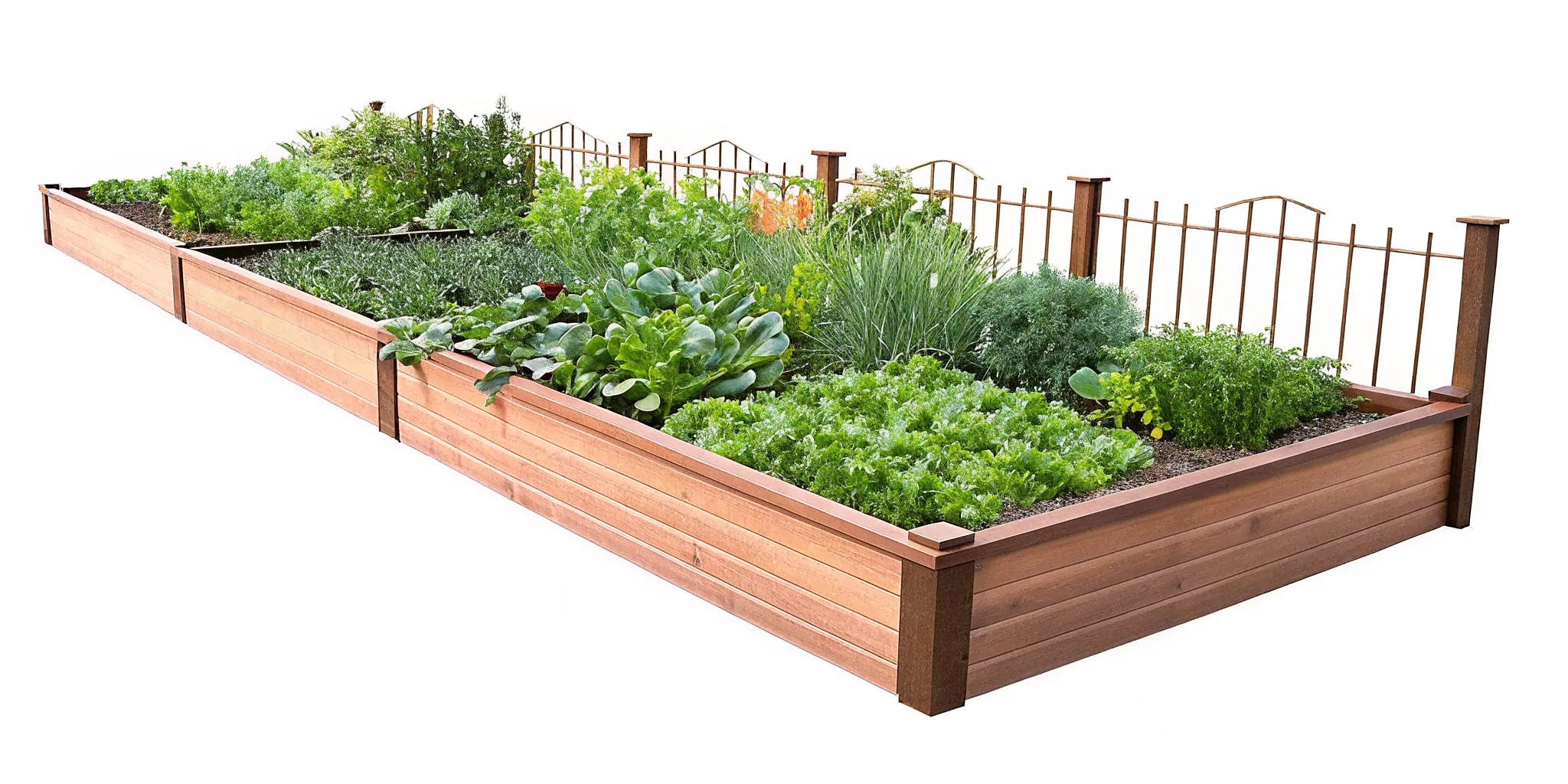
Tiered beds are best when you want more planting depth and an attractive stepped layout. Vertical beds are best for herbs, leafy greens, and climbing crops when ground space is extremely limited.
When you work with a small yard, every inch counts. You do not have to give up on your dream of a lush garden just because you lack a wide plot. Using smart raised garden bed plans can help you grow more plants in a tiny area. Tiered and vertical beds are two of the best ways to gain more room by building up instead of out. Each style has its own perks. You should pick the one that fits your goals.
Good parts of tiered garden beds
Tiered beds look like a set of stairs. Each level provides a new place for you to plant. This is great for small yards. This design lets you grow tall plants in the back and short ones in the front. It makes it easy to see and reach every plant without straining your back. You can stack these modular beds as high as you need.
You can grow a mix of plants in a tiered bed:
- Tall plants like corn or kale in the back.
- Root crops like beets or radishes in the middle.
- Small herbs or flowers along the bottom edge.
A tiered layout also helps with soil and water. You can give each level its own soil if some plants have special needs. Like all raised beds, these systems let you control soil health and drainage for better results. If you want to see how these looks can change your yard, check out some small yard garden layouts for more plans. You can also move your beds around if you use our lightweight parts. This helps if you need to catch the sun as it moves during the year.
Why vertical gardens work for tiny spaces
Vertical gardens are the best space savers. They use walls, fences, or tall frames to hold plants. This style is perfect for decks or very narrow strips of land. These gardens turn an empty wall into a living food source.
These beds are great for plants that like to hang or climb:
- Bushy herbs like basil and mint.
- Salad greens like spinach and lettuce.
- Trailing plants like strawberries or small peas.
One thing to watch is shade. A tall vertical bed can block the sun for other plants. Watering can also be a task. The top pots may dry out faster than the bottom ones. Despite these small jobs, vertical garden bed solutions offer a way to farm in spots where no other bed would fit.
Making the right choice for your yard
To pick the best bed, think about what you want to grow. Deep-root plants like carrots do well in the bottom tiers of a stepped bed. Leafy greens thrive in the small pockets of a vertical wall. You should also think about how much you want to bend or reach. Tiered beds are very easy on the joints, while vertical beds might need a ladder for the top rows.
Our composite beds make this choice easy. They use a Snap-Lock system that lets you build and change your layout in a few hours. You can start with a flat bed and add tiers later if you need more space. Our parts are made from recycled plastic and wood fibers. This means they last a long time without rot, which is a big win for any DIY project. These options are key for a growing garden.
| Feature | Tiered Garden Bed | Vertical Garden Bed |
|---|---|---|
| Space Used | Uses more floor space than vertical styles. | Best for very narrow spots or walls. |
| Sun Access | Even light for all levels of the bed. | May shade plants behind the structure. |
| Watering | Standard hose or drip lines work well. | Top layers dry out fast and need more care. |
| Root Depth | Good for deep roots in the base level. | Mainly for shallow roots or small pots. |
| Assembly | Simple to stack with modular parts. | Needs a wall or a strong frame for support. |
How can you combine raised bed shapes without crowding?
Combining different raised garden bed ideas in a small yard is about balance. You want a lush space that feels full but stays easy to move around. The key is to think about how shapes fit together like a puzzle. Using modular parts lets you start small and grow as you learn. By planning your layout well, you can avoid a crowded feel while getting more food from every square foot.
Design paths for easy flow
In a tight yard, paths are just as vital as the beds themselves. Packing in too many shapes can leave no room to walk or work. You should aim for paths that are at least two feet wide to stay comfortable. This gives you enough space to move a wheelbarrow or carry heavy bags of soil. Using a garden planner helps you map out these paths before you set up your beds. This tool shows how different shapes like circles or squares fit in your own space.
Proper site planning is a key part of getting good results. If you place beds too close, they can cast shadows on each other, which stops plant growth. Well-spaced beds also make it easier to reach the center without stepping on the soil. Avoiding soil disturbance helps keep the soil healthy for your plants. It keeps the pores in the soil open so water and air can reach the roots.
Match shapes to your plant needs
Group your crops based on the bed shape that suits them best. Deep rectangular beds are great for tall crops like tomatoes or peppers. Curved or round beds often work well for leafy greens and herbs. Matching the shape to the plant helps you use space better and makes your small yard garden layouts look neat. When you group similar plants, it is also easier to manage soil needs and watering.
You can also use corner beds to turn unused spots into useful areas. These shapes fit neatly into the edges of a patio or fence line. This keeps the center of your yard open for other uses. By choosing the right shape for the right spot, you create a garden that feels like a natural part of your home. This approach turns a tiny yard into a high-yield food source without adding clutter.
Scale with modular tiers
If you run out of floor space, the best way to expand is to go up. Modular systems with Snap-Lock parts allow you to stack beds and create tiers easily. This vertical approach is a smart way to get more room without making the yard feel cramped. Tiers can help you separate crops, like keeping mint in its own level. Research from Penn State Extension shows that raised beds give you better control over soil, water, and weeds.
Stacking beds also helps with comfort. Growing in raised beds lifts the soil, which helps prevent back strain for gardeners. You won't have to bend as far to reach your plants, making the hobby more fun. Starting with a few basic shapes and adding more tiers later is a great way to build your garden over time. This modular growth ensures that your garden stays organized.
Make your small-yard plan easier to change
Build without a shed full of tools
When you have a small yard, you may not have space for a large tool shed. Old wood beds often need saws, drills, and a lot of room to work. Frame it All uses a patented Snap-Lock system that lets you build your garden without any power tools. This makes it easy to set up your garden in tight corners or on small patios. You can put your bed together in less than an hour, which is much faster than building from scratch.
The tool-free design is perfect for people who want to try new raised garden bed ideas without a lot of hard work. If you find that your first spot does not get enough sun, you can take the bed apart and move it. This makes it easy for city gardeners to change their plans as their plants grow or as the seasons shift. You do not have to worry about being stuck with one plan forever.
Grow more with vertical garden bed solutions
In a small yard, you have to think about your space in a new way. If you cannot grow out, you should grow up. Our parts let you stack boards to create deep beds or tiered steps. Using vertical garden bed solutions helps you get a big harvest in a small space. You can grow root crops like carrots in deep sections while planting herbs in shallow rows.
These small yard garden layouts also help you manage your soil better. As said by the Penn State Extension, raised beds give you better control over soil health and water flow. You do not have to worry about bad soil or rocks in your yard. By lifting the soil, you also reduce the need to bend over. This helps stop back pain while you work in the dirt.
Choose materials that last for years
Small yards often have less air flow, which can make wood rot fast. Our mixed boards are made from recycled plastic and wood fiber. They look like real wood but resist rot and bugs for years. This means you do not have to spend your weekends painting or fixing your garden beds. The boards are also safe for your family and the earth because they keep trash out of dumps.
You can use our garden design tools to plan your project before you buy. This makes sure that every inch of your yard is used well. Whether you want a simple square or a complex tiered plan, the parts fit together with ease. You get a clean, modern look that adds value to your home without the high cost of custom work.
Frequently Asked Questions
What should I put on the bottom of my raised garden bed?
You should place a layer of plain cardboard or paper at the bottom of your bed. This helps kill grass and weeds while it rots into the soil. If you have pests like gophers or moles, you should also add wire mesh. These layers provide a solid base that protects your plants and helps the soil stay healthy over time.
Is it cheaper to build my own raised garden beds or buy a kit?
Building your own beds from raw wood can save money on parts, but it needs more time and tools. As shown by Lowe's, building a bed is a mid-level task that takes at least a day to finish. Buying a kit often costs more at first but saves you hours of work. These kits use parts that snap together without any power tools or hard cuts.
What are the most common mistakes to avoid with raised garden beds?
One major mistake is using the wrong soil mix. The Penn State team says to use 70% soil and 30% compost for the best results. Another error is poor drainage, which can lead to root rot. Also, always call 811 before you dig to mark any power lines or pipes. Skipping these simple slips will help your new garden grow from the very start.
Design a garden that fits your yard
A small yard can still grow a generous harvest when every bed has a clear job. Choose the shape that keeps plants within reach, preserves comfortable paths, and makes the most of your sunniest spots.
Start designing your raised garden bed with Frame it All, then explore modular options that can grow and change with your garden.