

A narrow patio can grow as deliberately as a wide, sunny backyard. The right bed shape turns overlooked ground into a garden that is easy to plant, reach, and expand.
Start with modular raised garden beds that fit your space now and expand tool-free when your garden grows.
Raised garden bed ideas work best when the layout matches your available space, sunlight, growing goals, and comfortable reach. Compact or square beds make patios and small yards productive in limited footprints, while long beds use fence lines and open yards efficiently. Tiered beds add growing levels and reduce stooping; specialty shapes turn overlooked corners or awkward areas into useful, attractive planting space. Leave clear paths, keep planting areas within reach, and choose a modular design that can expand or shift as your garden grows through each growing season. Utah State University Extension notes that raised beds grow more in less space, especially when vines climb and trailing crops spill over the sides.
The best choice is not simply the biggest bed your yard can hold comfortably. Raised garden bed ideas by backyard size is the next step, comparing each layout's planting room, access, and ability to grow with you through future seasons. Here's how.
Raised garden bed ideas by backyard size
Match raised garden bed ideas to the usable space first. Compact patios need vertical or tiered beds, small yards work well with corner shapes, and medium yards can support several separate beds. Large backyards can handle long rows or zones while preserving paths, sunlight, water access, and room to expand.
Before placing a bed, watch how sunlight moves across the yard during the day. Utah State University Extension recommends six to eight hours of direct daily sunlight for the strongest fruit and foliage growth. Shade can still work well for leafy greens and other suitable crops.
Quick layout guide
Use the table as a starting point, then adjust the shape around your home and daily routine. The right plan makes each square foot useful while keeping the garden easy to reach.
| Backyard size | Best bed layout | Practical design idea | Good fit for |
|---|---|---|---|
| Compact patio. | One tall or tiered bed. | Use height and a trellis. | Herbs, greens, climbing crops. |
| Small yard. | Corner or fence-line bed. | Keep the center open. | Mixed vegetables and flowers. |
| Medium yard. | Two to four separate beds. | Add clear paths between beds. | Crop groups and rotation. |
| Large backyard. | Long rows, curves, or garden zones. | Create a central work area. | High-volume and varied planting. |
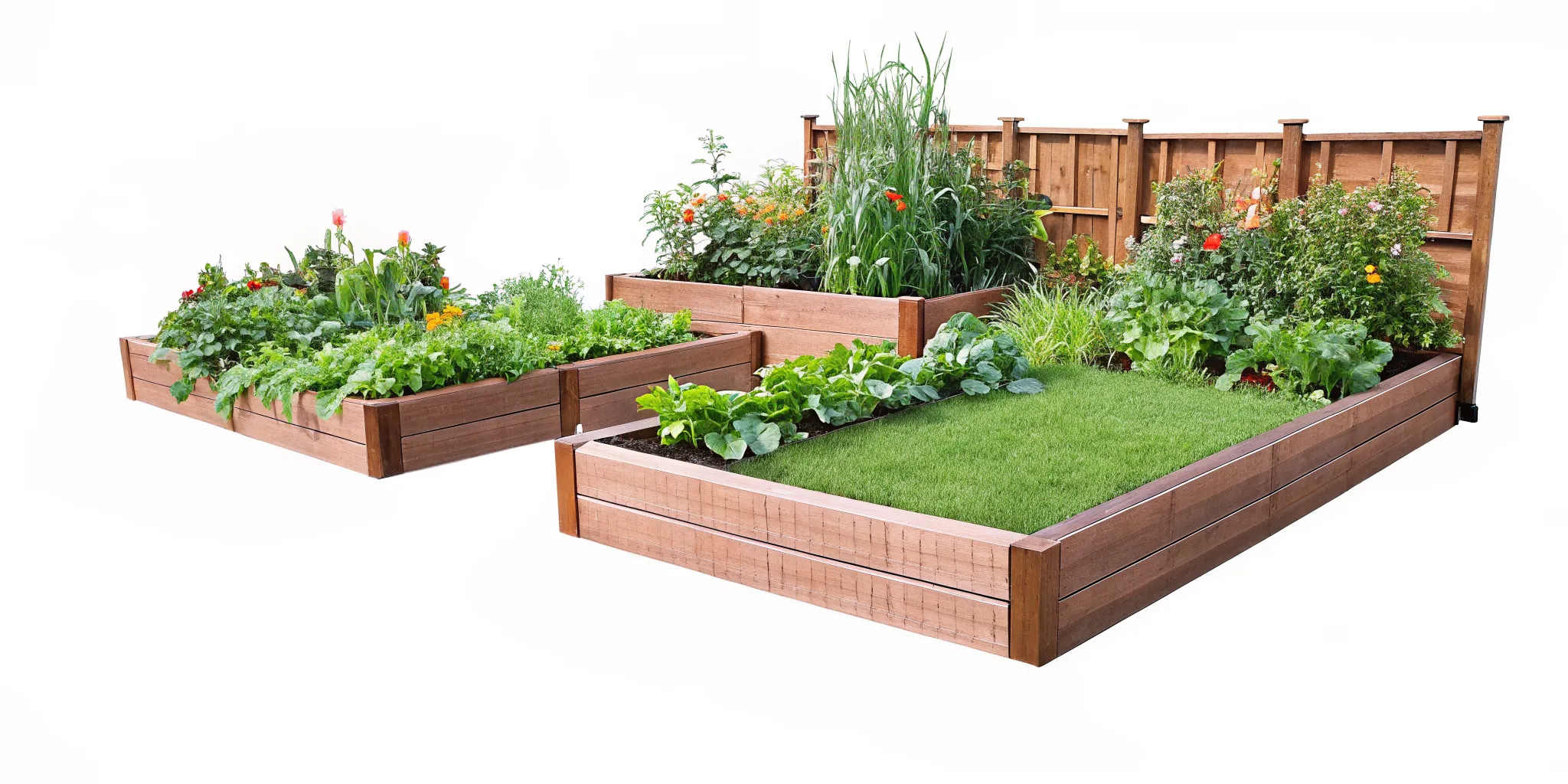
Compact patios and small yards
On a patio, place one tall bed near a wall or railing without blocking the main path. Add a trellis so peas, beans, or cucumbers grow upward instead of spreading across the floor. A tiered shape can separate shallow-rooted herbs from larger plants while adding color at several heights.
In a small yard, use an overlooked corner or run a narrow bed along the edge. An L-shaped plan frames a seating area, while a straight bed keeps lawn space open. Browse modular raised garden beds to compare shapes that can fit these tight spots and change later.
Medium yards and large backyards
A medium yard has room for several smaller beds with paths between them. Group crops by watering needs, harvest time, or plant family to make care simpler. Separate beds can also support crop rotation, while a central path creates a clear route for a hose or garden cart.
Large backyards support long beds, broad curves, or several garden zones linked by paths. Try a kitchen garden near the house, then place larger crops and pollinator plants farther out. Leave open space for compost, soil, tools, and future beds before filling the entire area.
Sketch the full layout before buying materials, even if you plan to build only one bed now. Frame It All's guide to planning your raised bed layout can help you test spacing and arrangement. A modular plan lets the garden expand without forcing you to rebuild the first section.
What raised bed layout works best for small spaces?
For small spaces, choose a compact layout that keeps every plant within reach while using walls, corners, or railings intelligently. Square beds suit sunny patches, L-shaped beds reclaim unused corners, patio beds keep herbs close to the kitchen, and narrow side-yard beds work best with trellises.
Compact squares and corner beds
A compact square bed suits a small, open patch of sun. Keep every planting spot within easy reach from an outer edge. This setup lets you tend the soil without stepping into it. It also gives trailing crops room to hang over the sides instead of taking up bed space.
In an unused yard corner, an L-shaped bed can follow two boundaries while keeping the center open. Place tall crops near the back and short crops along the outer edges. Browse these corner raised garden bed designs for ways to fit a bed around an awkward angle. Leave enough room beside each open edge for watering, weeding, and harvest.
Patio and side-yard layouts
A patio bed puts fresh produce near the house and can make daily care easier. Check how sunlight moves across the patio before setting the bed in place. Full-sun crops need a bright site, while leafy greens can suit a spot with some shade. Keep the bed close to a water source, but away from busy doors and walking paths.
For a narrow side yard, use a long bed along one wall or fence. Make sure the open side provides access to the full bed. A slim trellis can guide peas, beans, or cucumbers upward. This keeps vines out of the path and creates more growing room above the bed.
A simple plan for productive planting
Before choosing among raised garden bed ideas, mark the sunny area and the closest water point. Then measure the space needed to walk, kneel, or use a cart. Multiple small beds can be more useful than one long bed. They make it easier to group crops and rotate them between growing seasons.
- Use one square bed for crops that need frequent picking.
- Choose a corner bed when two unused edges meet.
- Put a patio bed near water for quick daily checks.
- Reserve a narrow side-yard bed for upright or trellised crops.
Plan irrigation before planting, since raised beds can dry faster than nearby ground. Taller beds may need water more often, according to the University of Minnesota Extension. A hose, watering can, or drip line should reach the whole layout without crossing a main path.
Long raised garden beds for fences, paths, and open yards
Long raised beds work well when a yard already has a line to follow. Use a fence, walkway, patio edge, or open lawn boundary as the guide. Keep access on one or both sides, plan drainage before filling, and break very long runs into modular sections when crossings would save steps.
Fence-line gardens
A long bed can turn an unused fence line into a productive growing area. First, check how the fence affects sun, airflow, and access. Leave enough room to maintain the fence and reach plants without stepping into the soil. For more layout options, see these raised garden beds along fences.
If the bed is only accessible from the yard side, keep every plant within a comfortable reach. Place taller crops near the fence only when they will not shade shorter crops. A trellis can also use the fence-side space while keeping vines off nearby paths.
Paths and working access
Long beds work well beside straight or gently curved paths. The path creates a clear work zone and helps protect plants from foot traffic. Keep enough space for a wheelbarrow, watering gear, and two people to pass when needed. Avoid narrow gaps that become hard to weed or mow.
In an open yard, access from both long sides makes planting and harvest much easier. Divide an extra-wide layout into parallel beds with a path between them. This approach keeps the center within reach and prevents soil compaction. Utah State University notes that raised beds can ease compaction because their soil is rarely walked on.
Planting space and drainage
Plan the crop layout before choosing the full bed length. Group plants by water, sun, and harvest needs, then place them in blocks. This method avoids wasted rows and makes crop care easier. Missouri Extension explains that intensive planting fits more plants into a smaller area than standard row cropping.
- Keep paths clear and wide enough for regular garden tasks.
- Place the bed where water can drain away from fences and paved areas.
- Use separate bed sections if crops need different watering schedules.
- Check that every planting spot is easy to reach before filling the bed.
Long does not have to mean one unbroken planting zone. Modular sections can follow a property line while giving each crop its own space. In a large yard, small breaks also create crossing points. These openings save steps and keep daily care simple.
Tiered and elevated raised garden bed ideas for easier gardening
Tiered and elevated raised beds add growing room without taking over the yard. They bring plants closer to hand, create visual layers, and help separate crops by height or root depth. Plan watering carefully because taller beds can dry faster, especially during warm weather.
Easier reach and access
An elevated bed places the soil surface at a more comfortable working height. It can reduce bending for planting, weeding, and harvesting. Leave enough room around every side you plan to tend.
Raised beds can be designed to remove the need to kneel. Choose a height based on the gardener's reach, not height alone. A wide top edge can also provide a handy spot for small tools.
Useful layers from top to bottom
A tiered bed uses several soil levels to create a stepped shape. Place taller plants on an upper tier and low growers below. This setup keeps one level from hiding the next and gives the garden a layered look.
- Use an upper tier for upright herbs or flowers.
- Place compact greens and short-rooted crops on lower levels.
- Let trailing plants spill over an outer edge where they will not block a path.
Match the shape to the space before choosing the number of tiers. A corner or narrow area may need a compact stack. For a larger yard, planning your raised bed layout can help balance tiers with paths and open space.
Watering and room to expand
Tall beds need a watering plan from the start. Their soil acts more like soil in a container and may dry faster. The University of Minnesota Extension notes that taller raised beds may need water more often.
Keep elevated herb beds near the kitchen when the site gets suitable light. A close spot makes herbs easy to cut during meal prep. It also makes quick soil checks and watering easier to fit into the day.
A modular layout lets a gardener start with one raised level and add more later. New tiers can create extra planting space without replacing the first bed. This approach helps the garden grow as skills, plant plans, and available time change.
Compare raised garden bed kits before choosing your final shape, height, and footprint.
Specialty layouts: curved, keyhole, vertical, and animal-barrier beds
Specialty raised bed layouts solve specific site problems while adding structure to the yard. Curves soften straight edges, keyhole-inspired beds improve reach, and trellises add vertical growing space. Animal-barrier gardens protect crops. Choose the shape only after deciding what job the bed needs to do.
Curves and keyhole-inspired access
Curved beds soften straight fence lines and create a natural path through the yard. They also work well around a patio, tree-free lawn feature, or seating area. Use one broad arc as a focal point, or repeat smaller curves for a calm, planned look.
For shape options and placement examples, explore these curved raised garden beds. Leave enough open space beside each curve for a wheelbarrow, hose, and comfortable turns.
A keyhole-inspired bed wraps growing space around a narrow access path. The inward opening helps gardeners reach more soil without stepping into the bed. This keeps the center useful while giving the layout a clear visual center.
Vertical beds and protected gardens
A trellis can turn the back edge of a raised bed into growing space. Place it where climbing crops will not shade shorter plants. Utah State University notes that vertical structures support vine crops such as pole beans and peas.
Think of an animal-barrier garden as a protected planting zone, not just a bed with tall walls. Plan the bed, barrier, and entry together. A clear gate path makes watering and harvesting easier, while a closed perimeter helps limit unwanted access.
- Keep latches easy for gardeners to reach but hard for animals to disturb.
- Set trellises inside the protected area so vines do not create an outside climbing route.
- Leave a clear strip around the barrier for quick checks and routine care.
Layouts that act as focal points
A specialty bed can anchor an open lawn or mark a change between outdoor rooms. Try a centered circle, paired arcs, or a balanced group of small beds. Repeating one material or shape keeps a bold layout from looking busy.
Before choosing the final pattern, map sightlines from windows, doors, and seating areas. Also mark walking routes and access to water. Reviewing examples of planning your raised bed layout can help connect the focal point to the rest of the yard.
Modular beds make these plans easier to adjust as needs change. Begin with a simple shape, live with the paths for a season, then add sections if the layout still works.
How do you choose and fill a raised garden bed?
Choose and fill a raised garden bed by checking sunlight, water access, reach, drainage, soil depth, and crop plans before you buy materials. Mark the footprint first and walk around it. Confirm comfortable access, then fill with a suitable growing mix that supports the plants you want.
Check the site first
Mark the bed outline on the ground before buying or filling anything. Walk around it, reach toward the center, and picture carrying soil or a watering can along the path. This quick check can reveal tight corners and blocked routes while changes are still easy.
Match sunlight to your crops. Track the site across a clear day. Most fruiting and leafy crops grow best with six to eight hours of direct daily sun. Shadier spots can still suit crops such as lettuce, kale, radishes, and beet greens.
Confirm easy water access. Place the bed where a hose, watering can, or drip line can reach it without crossing busy paths. Taller beds may dry faster, so plan how you will check and water them during hot weather.
Choose a useful height and depth. Match depth to the crops you want to grow and the comfort level you need. A taller bed can reduce bending, but it also takes more mix to fill. Keep every planting area within easy reach.
Prepare the base. Set the frame on a stable, level site and clear any material that could block drainage. On sound native soil, an open bottom is often the simplest choice. Add a bottom barrier only when it solves a known site problem.
Plan for drainage. Do not line the base with solid plastic or pack the growing mix until it becomes dense. Raised beds can help roots grow above wet or compacted ground, according to the University of Missouri Extension.
Fill with a suitable growing mix. Use compost-enriched soil or a soilless mix made for raised beds. Fill in stages, settle the mix gently, and leave room at the top for watering. Avoid using unknown yard waste as bulk filler.
Map crops before planting. Put tall crops where they will not shade shorter plants. Reserve edges for trailing crops, and leave enough room for harvest and care. Several smaller beds can also make crop rotation easier.
Test the plan before planting
Water the filled bed and watch where moisture pools or drains too fast. Top up low areas after the mix settles, then confirm that paths remain clear. If the arrangement needs work, modular beds make changes easier than moving a fully planted garden.
Choose a bed that can adapt
Your first setup does not need to solve every future need. Start with crops you will use, then expand as your routine becomes clear. Before ordering, compare the site notes with your plan for planning your raised bed layout.
Why modular composite beds make raised garden bed ideas easier to build
Modular composite beds make raised garden bed ideas easier because they reduce layout risk. You can start with one shape, add length or height later, and reconfigure sections as paths, crops, or yard use changes. Frame It All's Snap-Lock system supports tool-free expansion without rebuilding from scratch.
A wood look without wood upkeep
Raised beds can use many materials, including wood, metal, brick, plastic, or fabric. The University of Minnesota Extension guide to raised beds also notes that these beds often look attractive in a yard. Material choice affects both upkeep and the finished garden design.
Frame It All composite boards offer a natural wood look without the common upkeep issues tied to rot, insects, and weathering. The boards create clear, neat borders around planting soil. Their consistent finish also helps separate the garden from paths, patios, and lawn areas.
Composite boards suit raised garden bed ideas that need to stay tidy through changing seasons. They can frame a compact vegetable patch or define a long border bed. Gardeners can focus on soil, plants, and watering instead of routine wood care.
Tool-free assembly for flexible layouts
Frame It All's patented Snap-Lock system joins modular parts without tools. This makes it simpler to test a layout before filling the bed with soil. It also reduces the work needed to build tiered, compact, long, or corner designs.
Modular parts let the bed change as the garden changes. Add sections for more crops, build upward for a tiered look, or rework the footprint for a new path. Reviewing ideas for planning your raised bed layout can help match the shape to available space.
- Start with a small bed for herbs or salad greens.
- Add length when you want room for more crops.
- Use tiers to separate plants or add visual height.
- Reconfigure sections when paths or planting goals change.
Materials with a clear sustainability story
Frame It All composite products use recycled plastic and sustainably sourced, FSC-certified wood fiber. These details give the material choice a clear basis. They also support a wood-look garden design without relying on vague environmental claims.
The same modular parts can support several garden stages rather than one fixed plan. A starter bed can become a larger layout as space, skill, or harvest goals grow. This makes expansion part of the original design instead of a full rebuild.
Gardeners comparing raised garden bed ideas can begin with shape, height, and planting needs. Then they can shop raised garden beds that fit the current space while leaving room for later changes.
Frequently Asked Questions
How can I build an inexpensive raised garden bed?
Start with one compact bed and expand only after you know how much growing space you use. Compare frame, soil, irrigation, delivery, and long-term upkeep costs before choosing materials. The University of Minnesota Extension notes that raised beds can use wood, metal, brick, cinder blocks, plastic, or fabric. A modular kit can also limit waste because sections can be reconfigured or added later.
What should I plant in a raised garden bed?
Choose crops based on the bed's sunlight, soil depth, and available growing room. In a sunny bed, combine compact greens and herbs with upright or trellised vegetables. For a shaded bed, the University of Minnesota Extension suggests lettuce, baby kale, scallions, microgreens, radishes, and beet greens. Place tall crops where they will not shade shorter plants.
Can I use cinder blocks for raised garden bed edges?
Yes, cinder blocks can form raised garden bed edges, and the University of Minnesota Extension lists them as one possible bed material. Use clean, intact blocks from a known source, and avoid salvaged blocks with unknown coatings or past exposure. Set them on a stable, level base so the border stays secure. Confirm that the layout drains freely and every planting area remains within reach.
Are modular raised garden beds worth it?
Modular raised garden beds are worth considering when you want a layout that can change with your yard, crops, or gardening experience. A fixed bed can work well, but a modular kit lets you start with a practical size, add sections later, or build upward without replacing the original frame.
Ready to Build a Raised Bed That Fits Your Yard?
Waiting another season can leave useful backyard space empty while your planting goals stay on the wish list. Choosing your layout now gives you time to prepare the area, organize materials, and begin growing when the season is right. Match the bed's shape, height, and footprint to your yard so your finished garden feels practical, comfortable, and easy to reach and maintain.
Ready to turn an unused corner, narrow fence line, open lawn, or patio into an organized garden that works for your household? Shop modular raised garden bed kits to compare compact, square, long, tiered, and specialty layouts, then choose the raised bed that fits your space and plans. Start now to make steady progress before planting time, and contact Frame It All if you need help narrowing your options.