

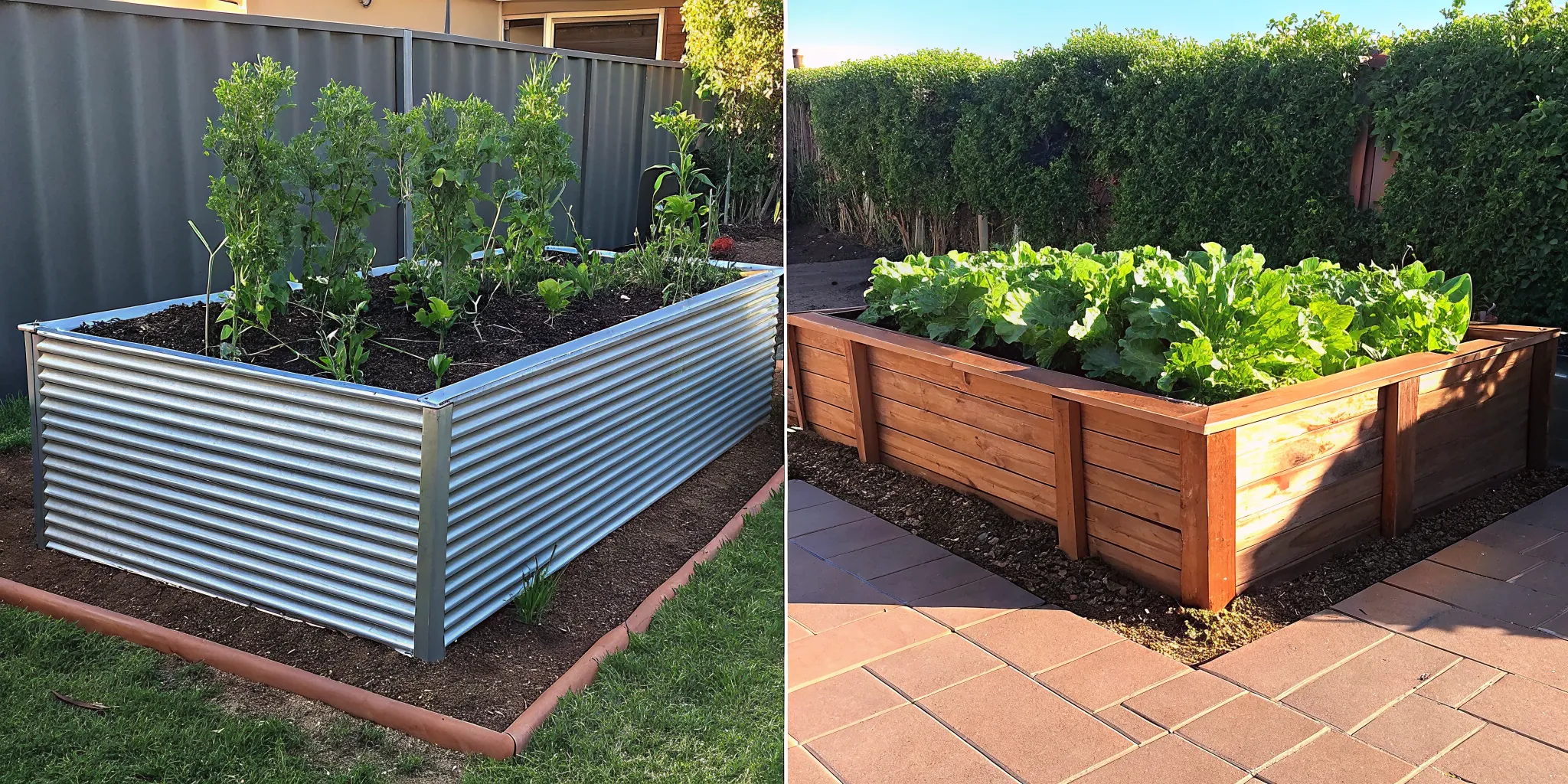
A metal raised garden bed offers a sleek, modern look, while a composite bed gives a garden the appearance of wood without traditional wood maintenance. The right choice depends on your climate, style, assembly preferences, and plans for future expansion.
Shop Frame It All raised garden beds and start planning your ideal layout.
A metal raised garden bed is a durable, low-maintenance choice that resists rot and provides a modern backyard look. Metal surfaces transfer heat quickly, but soil temperature also depends on bed size, soil moisture, mulch, climate, and placement. Composite beds provide a natural wood look, resist rotting, and can offer tool-free modular assembly. According to University of Maryland Extension, raised beds warm up faster in spring. Both materials can support good drainage and help prevent foot traffic from compacting the growing soil.
Metal raised garden bed vs composite at a glance
Metal beds suit gardeners who prefer clean, modern lines and durable coated panels. Composite beds suit those who want a natural wood look, less heat-conductive borders, and a modular system that can be stacked or extended. Both resist rot, but their appearance, assembly, and expansion options differ.
Choosing between a raised bed material guide and a composite one depends on your needs. Both types stay strong for many years. They also resist rot and pests better than old wood. But they handle heat and setup in many ways.
Design and style choices
Metal beds often use coated steel for a sleek look. These beds are a sturdy, long-life choice for any yard. They do not warp or attract pests like ants. This makes them an easy option for home owners who want a modern style.
Composite beds use a mix of used plastic and wood. They look like real wood but do not rot. These beds stand up well to rain and sun. You can get them in many colors to match your home. This type fits well in most backyards.
| Feature | Metal Beds | Composite Beds |
|---|---|---|
| Heat Style | Heats up fast in sun | Less heat-conductive border |
| Look | Modern and sleek | Natural wood look |
| Life | Resists rot and pests | Resists rot and pests |
| Setup | Uses bolts and tools | Tool-free Snap-Lock |
| Growth | Can change shape | Easy to add more |
| Care | Very low care | No rot or rust |
| Best Use | Modern-style gardens | Natural-style gardens |
Heat and soil health
Metal surfaces can get hot fast in the sun, but soil temperature also depends on climate, bed size, moisture, and mulch. Composite is less heat-conductive at the border. Whichever material you choose, check soil moisture during hot weather and water when plants need it.
Using a raised bed helps plants grow. Soil warms up more quickly in spring than ground soil. This can help your seeds grow faster in cold weather. It also helps with water flow to keep roots from rotting.
Setup and growth
Many metal kits are easy to set up. Some even let you change the shape of the bed. Frame It All beds use a tool-free Snap-Lock system that avoids a bolt-heavy assembly process.
Easy parts help you grow more. You can add more parts to make your garden big. This is helpful for both home owners and pros. You can find more about these kits at the raised garden bed shop page.
Do metal raised garden beds get too hot?
Metal bed walls can become hot in direct summer sun, but that does not automatically overheat the entire root zone. Bed depth, soil moisture, mulch, color, and afternoon shade all affect soil temperature. Gardeners in hot climates should monitor moisture and use mulch to protect roots.
Many gardeners worry that a metal raised garden bed will cook their plants in the summer. It is true that metal carries heat well. The sides of the bed can feel very hot when the sun is high. But this heat does not always move deep into the soil.
Soil is a natural shield that helps keep roots safe. Most of the time, the air and the sun are bigger threats to your plants than the metal walls. A thick layer of soil acts as a buffer against high heat and keeps the root zone cool.
Surface heat versus soil warmth
The metal walls of a garden bed will warm up faster than wood or plastic. This can be a big help during the early months of the year. As the University of Maryland shows, soil in raised beds warms up more quickly in the spring than soil in the ground.
This helps you start your garden sooner and get a head start. But in the peak of summer, the edges of the soil might get dry if they sit in the sun. You should monitor moisture closely during heat waves to protect your plants from drying out.
Most of the soil stays at a steady level of warmth because it is a big mass. The heat from the metal only travels a few inches into the bed. You can protect your plants by keeping the bed full of damp soil. Wet soil takes much longer to heat up than dry soil.
Factors that affect bed warmth
The color of your metal bed plays a big role in how much heat it holds. Light colors like silver or cream reflect more sun and stay much cooler. Dark colors like black or deep gray will soak up the sun and get much hotter. Choosing a light color is a smart move for hot climates.
You should also think about where you put your metal raised garden beds in your yard. A spot with afternoon shade gives your plants a break from the heat. A well-placed bed stays cooler and needs less water than one in full sun.
Keeping roots cool in summer
Mulch is another great tool for cooling your garden. Adding a thick layer of straw on top of the soil blocks the sun. This layer keeps moisture in the ground and stops the soil from baking. It acts as a blanket that keeps the roots safe from the sun.
If you are still worried about heat, a composite bed might be a better choice. Composite boards do not carry heat like metal does. They offer more shield for your roots and stay cooler in the sun. These beds give you the look of wood with the strength of a modern product.
They are a great option for people who live in the hottest parts of the country. Composite boards provide the heat shield your plants need to grow well. This makes them a top choice for hot zones.
Durability and maintenance over many growing seasons
Coated metal and capped composite beds both resist rot and require less upkeep than untreated wood. Metal can dent, and exposed scratches may invite corrosion. Composite does not rust or splinter and provides a wood-like appearance without staining or sealing, making routine care as simple as occasional rinsing.
Choosing a long-lasting garden setup means looking at how materials hold up against sun, rain, and soil. While a composite garden bed collection is a common choice for its modern look, the long-term care needs differ from other options. Most garden beds must stay in place for years, so the ability to resist wear and tear is a top priority for most home gardeners.
Metal beds and corrosion risk
Metal beds are often picked for their strength and modern style. These structures do not rot or warp, which makes them a low-maintenance pick for many people. According to Planters Realm, metal beds do not attract pests, which helps them last in many climates. But thin metal can dent if hit by a mower or heavy tool. Over time, scratches in the coating can lead to rust if the metal is not protected well.
Heat is also a factor for metal. Metal beds heat up faster than other types, which can help in the early spring. However, they may need more frequent watering during the peak of summer heat to keep the soil from drying out too fast. This extra care is a must to consider if you live in a very hot area where the sun stays out for long hours.
The wood-look without the rot
Natural wood beds look great but have a shorter life. According to the University of Maryland, even decay-resistant wood like cedar must be fixed or replaced once it starts to fall apart. This leads many people to look for better options that keep the wood style but last much longer in wet soil.
Composite boards offer a helpful mix of style and strength. These boards use a blend of wood fiber and plastic to fight off rot and moisture. They provide the natural look of wood without the risk of splitting or warping over time. Because they do not soak up water like raw wood, they stay solid through many seasons of rain and snow.
Minimal upkeep for long-term use
Most gardeners want to spend more time planting and less time fixing their beds. A good garden bed should handle the weight of wet soil without bowing or breaking. Frame It All boards use a tough cap layer to protect the core from UV rays and water. This layer helps the boards keep their color and shape for decades without the need for paint or stains.
Cleaning these beds is simple and only takes a few minutes. You can use a hose to wash off dirt or mud from the sides. This keeps your garden looking clean and new without the hard work needed for wood. Choosing a material that resists rot and moisture ensures your garden stays in top shape for years to come.
Which material fits your backyard style?
Choose metal when crisp lines and a contemporary finish complement the landscape. Choose composite when you want garden borders that resemble natural wood and blend with decks, fences, or planting areas. The best visual choice is the material that supports the wider design of your outdoor space.
Picking the right type for your yard is a big step. Many people look at a comparison of metal and wood beds for its clean lines. These beds have a sleek and modern look that fits well in new spaces. They are also very tough and do not rot or warp over time. This makes them a great choice for home growers who want a tool that lasts.
Modern metal or natural wood look
Metal beds often come in bright colors or a silver finish. This adds a bold touch to your lawn. But if you want a softer look, you might like composite boards. Frame It All boards look like real wood but do not need the same care. They blend in with trees and grass to create a calm space. You can choose from many colors to match your deck or fence.
Composite boards give you a warm feel without the risk of splinters. They use a mix of wood fiber and reused plastic. This keeps them strong and safe for years of use. While a metal bed looks modern, composite beds feel like part of the land. Both types are easy to care for and stay free of pests. Your choice depends on the mood you want for your outdoor area.
Managing heat and sun
One thing to think about is how much sun your garden gets. Most plants need six to eight hours of direct light to grow well. You can learn more about this from the Utah State University Extension. In hot areas, the type of kit you use can change the soil heat. Metal can get very hot in the summer sun, which may dry out the roots.
Frame It All boards have a special design that helps keep soil cool. The composite boards act as a shield against the heat. This helps your plants stay watered even on the hottest days of the year. In contrast, metal beds may heat the soil faster in the spring. This can be good for an early start but might need more water later on. Think about your local weather before you buy.
Finding the best shape
The shape and height of your bed also play a role in its style. Modular systems like ours let you build custom layouts that fit any spot. You can make long curves or tall beds that are easy on your back. Metal beds are often fixed in one shape, which might limit your design options. Our Snap-Lock system makes it easy to change or grow your garden as your needs change.
Consider how the bed will look next to your paths and walls. A tall bed can act as a main point or a small wall in your yard. Low beds blend into the soil and look more classic. Since our kits are modular, you can add layers over time. This allows you to scale your garden at your own pace. Picking a kit that is easy to move and change gives you more freedom.
Compare modular composite garden bed kits built to grow with your space.
Assembly and modular flexibility
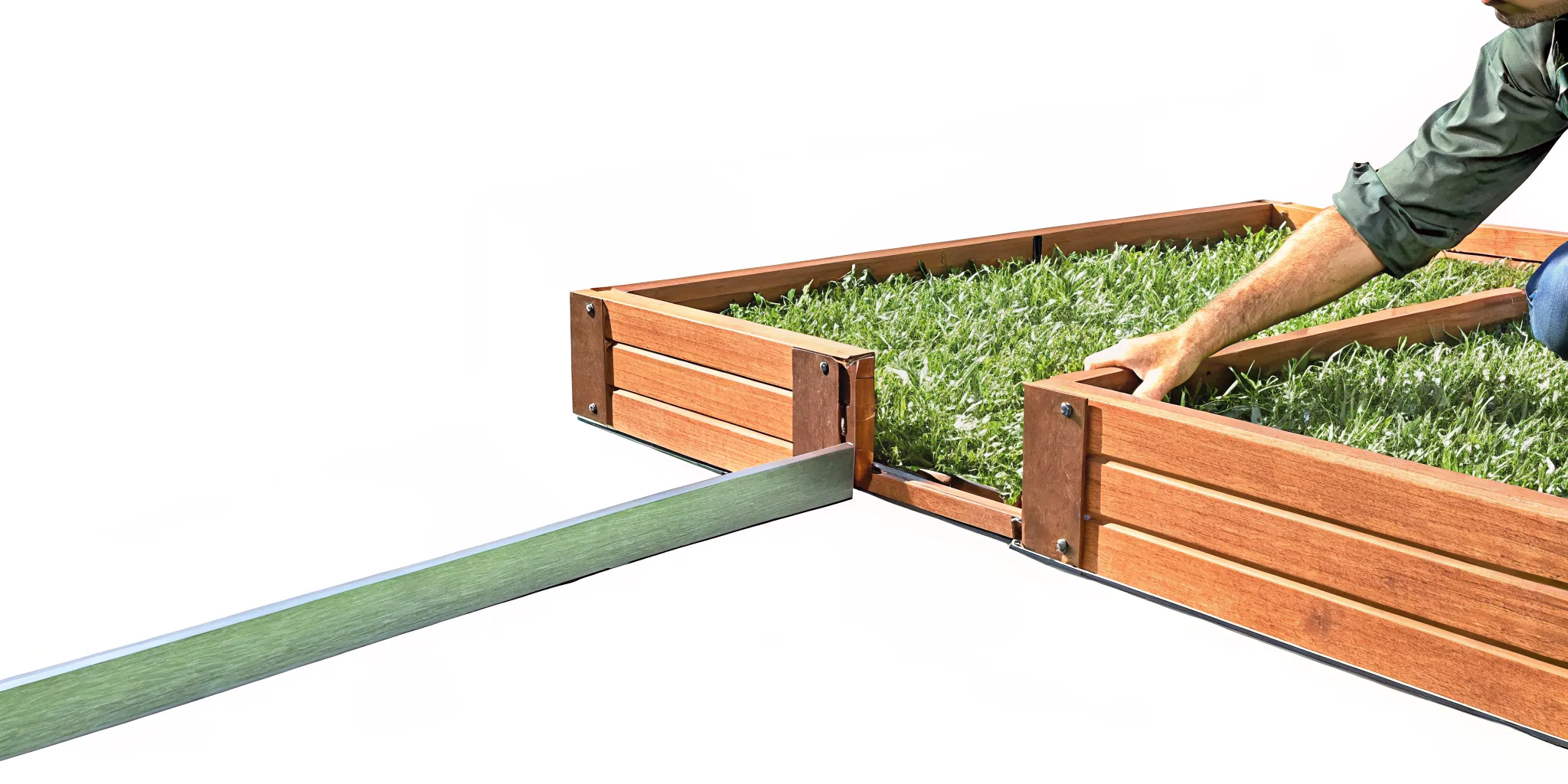
Assembly differs by kit: many metal beds rely on panels, bolts, and tools, while Frame It All composite beds use patented Snap-Lock joints and require only a mallet. A modular system also lets gardeners add height, length, or new configurations later instead of replacing the entire bed.
Setting up a new garden should be a joy, not a chore. Many a raised bed options kit comes with many tiny bolts and sharp edges. These parts can make the setup feel slow and hard on your hands. Frame It All changes this with a Snap-Lock system. This design lets you click boards together in minutes. You do not need any power tools or extra help to finish the work. The joints are smooth and safe for your fingers.
Metal kits often use panels that can bend or cut you during setup. You might need a wrench and a lot of patience to get every bolt tight. If the holes do not line up, the whole bed can feel weak. Our tool-free system removes these risks. Each piece fits just right. You can build a large bed on your own without any stress or big tools.
Simple tool-free setup
The Snap-Lock tech cuts setup time by about 75 percent. While some metal kits take hours to build, these composite beds go up fast. You just slide the joints into place. This makes it easy for any person to build their own garden. It is a great choice if you want to avoid the stress of hard plans. You can spend more time with your plants and less time with a long manual. The pieces are light enough for one person to move without help.
Planning your layout
Good prep work helps your garden stay healthy for a long time. You should pick a spot that gets plenty of sun. Most plants need six to eight hours of direct light each day to grow well. You can find more tips on site choice from Utah State University. Once you have a spot, make sure the ground is flat. This keeps the soil and water from moving to one side. A level bed also looks better in your yard.
Proper drainage is another key step. If you build on top of clay or stone, you want to make sure water can escape. Good drainage prevents root rot and keeps your plants strong. Filling your bed with the right soil is the final step for a great start. Looser soil helps roots grow deep and find the food they need to thrive.
- Pick a flat spot that gets at least six hours of sun daily.
- Clear any grass or weeds from the area where the bed will sit.
- Lay out your boards to check the size and shape before you click them together.
- Snap the boards and brackets into place to build the walls of your bed.
- Add a liner if you are building on top of hard ground like stone or old soil.
- Level the top edge of the bed to make sure water stays where it belongs.
- Fill the bed with a mix of good soil and compost for healthy plants.
Growing with your garden
Your garden can change as your needs grow. Modular systems are built so you can change them. You can add more parts to your bed later to grow more food or flowers. You can also change the shape if you move to a new home. These beds are easy to take apart and rebuild in a new way. This means your modular bed kits choice can last for many years in new spots.
You can even stack these boards to make the bed taller. This is helpful if you want to garden without bending down too much. Stacking boards also gives deep roots more room to grow. You do not have to buy a whole new kit to make these changes. You just add the parts you need to your old setup. This saves money and time as your hobby grows.
How to choose the right raised garden bed material
Match the bed material to your climate, design goals, installation preferences, and future plans. Metal is a strong option for modern styling. Composite is a strong option for natural appearance and modular expansion. Wood can look classic, but it generally requires more maintenance and eventual replacement.
Choosing the best material for your garden depends on your climate, style, and how much time you want to spend on setup. A garden bed material comparison offers a clean look and high durability, making it a top pick for modern yards. Still, composite and wood options each have traits that may suit your goals better.
Choose metal for speed and style
A metal raised garden bed is often a first choice for its modern look and quick setup. These beds provide a firm, long-lasting frame that holds up well against wet soil (source: https://www.vegega.com/). Most 6-in-1 metal raised garden bed kits are easy to move and change as your needs grow. Metal beds also do not rot or draw in pests, which makes them a low-work choice for many home gardeners (source: https://plantersrealm.com/products/raised-bed-materials-comparison/).
One thing to keep in mind with metal is heat. Metal beds can heat up faster than other materials, which helps soil warm up early in the spring (source: https://plantnative.org/plastic-vs-metal-raised-beds-which-lasts-longer.htm). This heat can boost plant growth in cool zones, but you may need to water more often during hot summer days. If you live in a very sunny area, look for light metal or think about composite tools with better heat shield traits.
Pick composite for insulation and ease
If you want a natural wood look without the risk of rot, composite is a great path. Frame It All beds use a 360-degree cap material that looks like wood but resists decay and warping over time (source: https://frameitall.com/blogs/frame-it-all/best-material-for-raised-garden-beds). This material gives better shield for plant roots than metal. It keeps the soil at a more steady heat level. It is a smart choice for those who want a long-term fix that looks good and uses recycled goods.
The build process for these systems is a big plus. Modular sets like those from Frame It All use a tool-free system to speed up the build by as much as 75% (source: https://frameitall.com/blogs/frame-it-all/best-material-for-raised-garden-beds). This ease of use is great for new DIYers and pros who need a fast result with little effort. You can also find a wide range of raised garden bed sizes to fit any yard space.
Think about wood for a classic touch
Wood stays a classic choice for a natural garden look. Natural wood like cedar or oak is rot-resistant but will still break down over time and need a swap (source: https://www.extension.umd.edu/resource/growing-vegetables-raised-beds). While wood has a lower start cost than metal or composite, the need for care can add to the total work and price. For a safe and low-risk wood choice, many use pressure-treated wood that uses copper (source: https://www.extension.umd.edu/resource/growing-vegetables-raised-beds).
Sustainability beyond the growing season
A durable, expandable bed can reduce replacement waste because it stays useful as a garden changes. Frame It All composite boards combine recycled plastic with sustainably sourced wood fiber, while modular parts can be reconfigured rather than discarded. Gardeners should compare material sourcing, lifespan, and end-of-use options before buying.
A garden is more than a place to grow food. It is part of the local earth. Choosing the right parts helps keep your yard healthy for many years. When you pick a metal and wood raised bed guide or a composite one, think about its long-term impact on nature.
Choosing green parts
Many growers want to know what goes into their garden kits. Frame It All uses a special mix of used plastic and wood fiber. This blend keeps plastic out of the trash. Using these kits helps the earth in several ways:
- Each four-foot board keeps 97 plastic bottles out of local dumps.
- The wood fiber is approved by the FSC to show it comes from safe forests.
- The mix turns old waste into a new tool that lasts for a long time.
This path helps lower the need for new raw goods. It ensures that the goods in your yard do not harm the world around them. The brand also works with the National Forest Foundation to plant trees and support the wild.
Reducing waste in the yard
Waste is a big issue in home projects. Many old garden beds end up in the dump when they rot or break. High-quality kits are built to stay strong for many years. This means you do not have to buy new sets every few years. Long-lasting goods save you money and save the earth from more junk.
If you choose a metal system, look at what it is made of first. Most are made from steel with a zinc or alum-zinc coat. These metals can often be turned back into new goods at the end of their life. You should check your local rules for scrap metal to see how to recycle them. This helps ensure your garden tools do not stay in a dump forever once you are done with them.
Long-term soil health
True green gardening also means caring for the soil inside the bed. Raised beds are great because they prevent soil compaction since no one walks on the growing area. This keeps the dirt loose and healthy for plant roots. Better soil health leads to better crops and less need for added food for the plants.
When soil stays loose, it also drains better. This stops water from sitting and rotting the roots. Keeping the soil in good shape is a key part of staying green. It ensures that your garden can grow life year after year without harming the land below it. Using safe, clean parts keeps your food healthy and your yard safe for kids and pets.
Explore Frame It All raised garden bed sizes, shapes, and wood-look finishes.
Frequently Asked Questions
Is metal good for raised garden beds?
Metal can be a good choice when you want a modern look and a bed that will not rot like untreated wood. Compare the coating, panel thickness, fasteners, shape options, and assembly method of the specific kit before buying.
How does heat affect a metal raised garden bed?
Metal surfaces transfer heat quickly, but that does not automatically mean the entire root zone will overheat. Climate, bed dimensions, soil moisture, mulch, and placement all matter. Monitor soil moisture during hot weather and adjust watering as needed.
Are metal raised garden beds safe for growing food?
Safety depends on the specific materials and coatings used. Check the manufacturer's documentation for the exact kit, especially if you plan to grow food. Avoid products with unknown coatings or materials, and follow all installation instructions.
How long do steel raised garden beds last?
A steel bed's service life varies with the metal, coating, climate, soil contact, scratches, and maintenance. Inspect coating damage and fasteners periodically. If you prefer a material that will not rust or rot, composite is another option to compare.
Ready to build your ideal raised garden bed?
Do not wait to start. Waiting to start means you will lose the best part of the growing season and face poor soil or pests. If you stay with old beds, you might face back pain from bending over for many hours in your yard. Starting right now lets you set up a strong root system while the warm weather is still here to help. You will get a space that fits your needs and keeps your plants safe for a long time. A durable layout will save you time and money for many years to come.
Ready to build your ideal raised garden bed? Contact our team today to build your ideal raised garden bed.