

Ready to transform your small-space garden? Shop the Frame It All Self-Watering Elevated Planter collection to start your garden today.
A self watering planter is an ideal choice for growing vegetables because it provides steady moisture through a bottom-fed system. These containers feature a built-in tank that stores water beneath the soil, allowing plant roots to pull up water as they need it. According to the University of Maryland Extension, these systems act as a hybrid between standard pots and water-fed setups. This constant supply of water prevents the cycle of dry and soaked soil that often stunts crop growth. Leafy greens like spinach and kale, as well as root crops such as carrots and radishes, thrive in this stable space. These systems reduce watering tasks from daily chores to once-a-week care.
Picking the right crops is the first step to a lush garden. You also need to know how these systems keep plants healthy without constant care. To get the best results from your setup, let us dive into the mechanics and see how these sub-irrigated containers function.
Self Watering Planter: What is a Self-Watering Planter and How Does It Work?
A self watering planter is an automated container that keeps plants irrigated by storing water in a bottom-mounted reservoir. Using a sub-irrigation process, soil wicks moisture upward to plant roots as needed. Which prevents waterlogged soil and root rot while reducing your watering frequency to once a week.
A self watering planter is a smart tool for home growing. It acts as a hybrid between two ways of growing plants, mixing parts of hydroponics with normal soil growing. This system uses a tank of water kept at the bottom of the pot. By using this setup, you can save water and nutrients while your plants stay healthy. It is a great choice for people who want to grow food but have busy lives. The design keeps the soil damp without needing you to check it every day.
Main parts of the planter
These planters have a few key parts that help them work well. First, there is a water tank or reservoir at the base. A flat plate sits above the tank to hold the soil up. This plate also has holes to let air move through the soil. This air helps keep the roots from rotting by letting them breathe.
A tube usually goes from the top of the pot down to the tank. This lets you add water without getting the leaves wet or making a mess. You also need a wicking chamber or wicking leg. This is a small area where the soil touches the water. It is the bridge that moves moisture from the tank up to the plant roots. When you use strong composite garden beds with these parts, your setup will last for many years. The soil in the pot stays moist but never gets too soggy. You should use a light potting mix so the wicking works the best way it can. As noted by experts at the University of Wisconsin, a loose mix helps roots grow well.
Steps in the self watering process
The way these pots work is simple and clean. You do not need pumps or power to make them move water. Instead, they use a natural force called capillary action. This is the same way a sponge pulls up a spill. It is a steady way to feed your plants exactly what they need.
- First, you fill the tank through the fill tube until it is full. Most pots have a hole on the side to let extra water drain out so the soil does not drown. This hole helps keep the air space open for the roots.
- Water moves from the tank into the wicking chamber where the soil is packed tight. The soil acts like a wick to pull the liquid upward into the main pot area.
- The moisture spreads through the rest of the soil in the pot. This keeps the root zone damp so the plant always has a drink ready when it gets thirsty.
- As the plant drinks, it pulls more water up from the base. This cycle keeps the soil at a steady level of wetness for days at a time. It stops the cycle of the soil being too wet then too dry.
- Air flows through the space between the water and the soil plate. This air reach gives the roots the oxygen they need to grow strong and avoid root rot or other health issues.
This method is very helpful during hot summer days. In a normal pot, the soil can dry out fast when the sun is out. A self watering planter keeps the water safe from the sun inside the tank. This stops the water from turning into vapor before the plant can use it. You can often go a week between refills, even in the heat. It gives you a steady garden that needs less work from you. Using these tools makes it easy to grow fresh food in any space.
Which Leafy Greens are Best for Self-Watering Planter Boxes?
The best leafy greens for self-watering planter boxes include butterhead lettuce, spinach, arugula, Swiss chard, and dwarf kale. Because leafy greens have shallow roots and consist of over ninety percent water, they thrive in the constant, steady moisture provided by sub-irrigation systems without wilting.
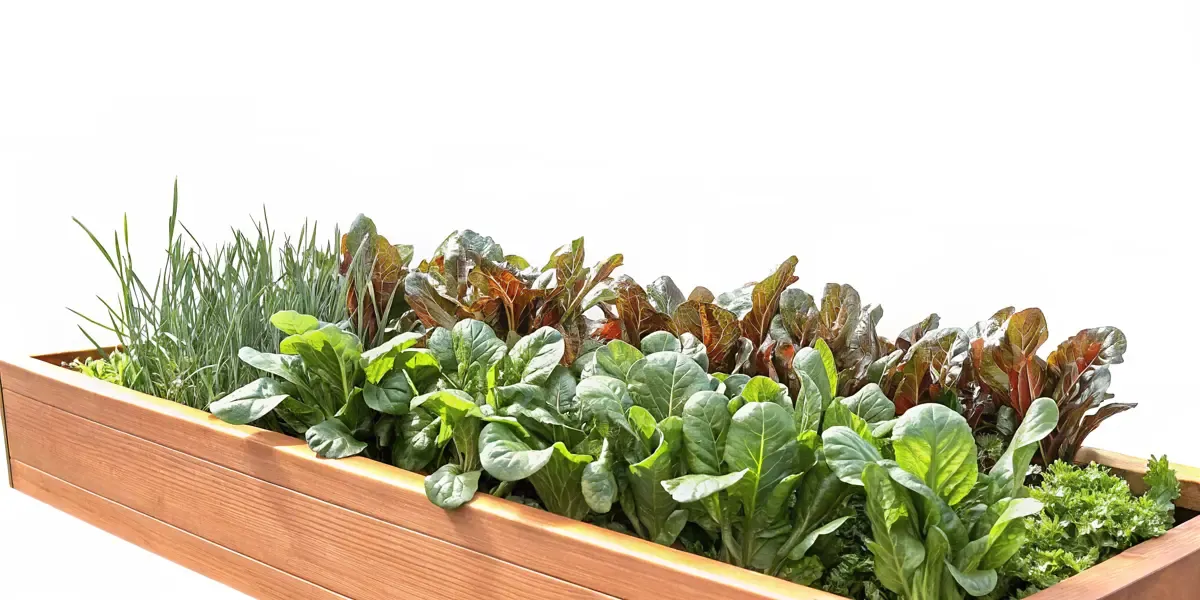
Leafy greens are some of the most rewarding plants for home gardeners. They grow fast and do not need deep soil to thrive. Using a self-watering planter simplifies the process by providing the steady moisture these plants love. Because leafy greens are mostly water, a steady supply prevents them from wilting or becoming bitter in the heat.
Why Greens Love Steady Water
Most salad greens have shallow roots that can dry out fast in a standard pot. A self-watering planter uses a water reservoir to keep the soil moist but not soggy. This setup mimics a hybrid between hydroponics and soil gardening. This helps the plants grow more leaves in less time. You can focus on harvesting while the system handles the daily watering for you.
Top Varieties for Quick Harvests
Small or dwarf varieties often work best in compact spaces. Greens like arugula, kale, and spinach are ideal because you can seed them easily and harvest them many times. Frequent cutting encourages new growth. This gives you fresh food for weeks. These container vegetables are also easy to replant throughout the season to keep your garden full.
| Leafy Green. | Growth Rate. | Planting Depth. | Harvest Frequency. |
|---|---|---|---|
| Lettuce. | Fast (30-45 days). | 1/8 to 1/4 inch. | Weekly cut and come again. |
| Spinach. | Medium (40-50 days). | 1/2 inch. | Every 10-14 days. |
| Arugula. | Very Fast (20-30 days). | 1/4 inch. | Multiple cuts per season. |
| Kale. | Steady (50-60 days). | 1/4 to 1/2 inch. | Continuous outer leaf pick. |
The beauty of a modular garden is the ability to grow more in a small footprint. You can mix different types of greens in one box to create a custom salad mix. High-quality durable composite garden beds resist rot and maintain a steady soil temperature. This helps sensitive greens stay cool even when the sun is bright, leading to a longer growing season and better taste.
Can You Grow Root Vegetables in Self-Watering Planters?
Yes, you can easily grow root vegetables like carrots, radishes, and beets in self-watering planters. When paired with a loose, lightweight potting mix, these sub-irrigated containers provide the deep. Stone-free growing medium and constant moisture level required for straight, sweet, and split-free root development.
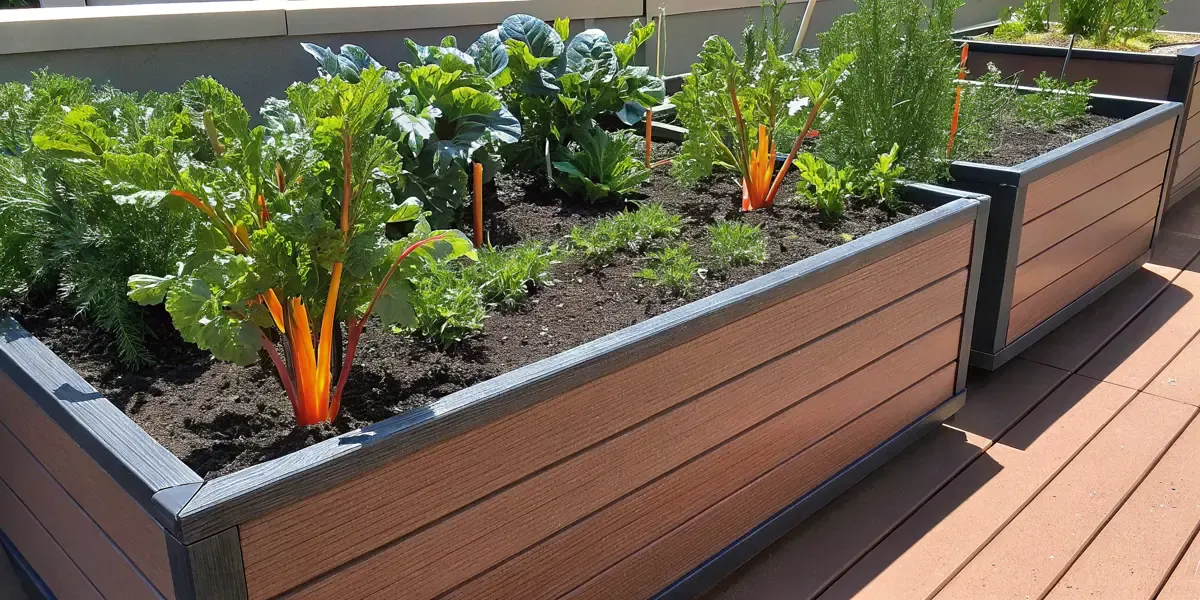
Root crops like carrots and beets often struggle in hard soil. A self watering planter solves this by using loose potting mix. These pots work like a mix of soil and water-based tools. They have a water tank below the soil to keep it moist all day.
Better soil for faster growth
Crops such as beets, carrots, and radishes grow well in pots because the mix stays light. Loose soil lets roots push down without hitting rocks or hard clay. This leads to straight carrots and round beets. Experts at the University of Wisconsin-Madison say light soil makes it easy for roots to grow.
Frame It All systems use tough boards that keep the soil at a steady heat. This helps root crops stay cool in the sun. Our Snap-Lock system also makes it simple to set up your garden in minutes without tools. You can use these boards to build raised garden beds that last for years.
Steady moisture with less work
Root crops need steady water to prevent cracks or tough skin. A self-watering system uses a wick to pull water up from the tank. This means you do not have to water every day. In fact, you can often go a full week between refills during the hot summer months.
These systems help save water and food for your plants. By keeping the water level even, you avoid the dry spells that ruin a crop. You can learn more about how self-watering containers work from the University of Maryland. Using these smart tools keeps your garden lush even when you are busy.
What are the Best Dwarf and Compact Fruit-Bearing Crops for Sub-Irrigation?
The best fruit-bearing crops for self-watering planters are compact or dwarf varieties of tomatoes, sweet peppers, hot peppers, and patio eggplants. These thirsty, sun-loving plants require significant, uninterrupted moisture during fruit set, which a sub-irrigation reservoir delivers seamlessly to prevent blossom end rot.
Growing your own food is a fun way to use your outdoor space. But fruit-bearing plants like tomatoes and peppers can be thirsty. These plants need a lot of water to grow juicy, healthy fruit. Using a self watering planter helps give these crops the steady moisture they need. This system moves water from a tank up to the roots. This keeps the soil damp but not soaked, which helps your plants stay strong all summer.
High-yielding dwarf tomatoes
Many people think you need a big yard for tomatoes. But dwarf and small types are perfect for small spaces. These plants stay short and do not need huge cages to stay upright. They are a great choice because they grow a lot of fruit in a small area. Experts from the University of Wisconsin-Madison say that dwarf or compact types often work best in pots. These plants stop growing at a set height, so they do not take over your patio.
Steady water is key for a good tomato harvest. If the soil gets too dry and then too wet, the fruit can crack. It can also lead to blossom end rot, which ruins the bottom of the tomato. A self watering planter solves this by giving the plant a steady drink from below. The roots pull what they need from the water tank. This stops the "feast or famine" cycle that stresses the plant and hurts your crop.
Compact peppers and eggplants
Peppers and eggplants also love the warm sun and steady water. You can find many small types of sweet and hot peppers. These small plants still grow plenty of fruit for your kitchen. Patio eggplants are another smart pick. They stay small and bushy, but they still give you deep purple fruit. These crops need a lot of food and water to keep growing once the heat hits. Using a self watering planter ensures they never wilt on a hot day.
If you have a small deck, you can use a self-watering elevated planter to grow these crops. These raised systems make it easy to care for your plants without bending over. The tank at the bottom holds enough water to last for many days. This is helpful during the hot part of summer when the sun is strong. Your peppers and eggplants will stay green because they have a steady source of life.
Steady watering for better fruit
Plants that grow fruit use a lot of energy. They need a deep root system to pull in water and food. In a standard pot, the soil can dry out fast. This stops the plant from growing and can even kill it. This system allows the roots to reach down toward the water source. This mimics how plants find water in the ground. It helps build a strong root base that can support a heavy crop of fruit.
Using a system with a tank also helps you save time. You do not have to water your plants every single day. The plant takes only what it needs, which prevents over-watering. This balance is vital for the health of your garden. When your plants are happy, they grow more fruit that tastes better. Setting up a smart garden system lets you enjoy the harvest without all the hard work.
Which Vegetables Should You Avoid in a Self-Watering Planter?
You should avoid planting deep taproot crops like parsnips, vining giants like pumpkins and standard watermelons, and tall, heavy-feeding crops like field corn in self-watering planters. These massive plants require far more soil depth, horizontal space, and water volume than compact container reservoirs can provide.
While a self-watering planter is a great way to grow food, not every crop fits well in a container. These systems use a water reservoir to keep soil moist from below. This setup works like a hybrid between hydroponics and standard gardening. It is great for many plants, but some crops have root needs or growth habits that make them hard to manage in a small space.
You should think about how much room a plant needs above and below the soil before you start. Some crops will quickly outgrow a small box or drink all the water too fast. Knowing which plants to skip helps you avoid a messy or failing garden later in the year. It also helps you get the most out of your garden gear.
Deep roots and taproots
Plants with long roots are not a good fit for most self-watering pots. The water reservoir at the bottom of the pot often limits how deep the soil can go. For example, parsnips need deep, loose soil to grow straight and long. In a shallow box, these roots will hit the bottom and twist. This ruins the look and feel of the crop you worked hard to grow.
You might also want to skip large root crops like some types of daikon radish. While smaller root crops like beets or carrots grow well in pots, the giants of the root world need more earth. If you want to grow these larger types, use a modular raised garden bed system with more soil depth. These beds allow you to stack boards to create the deep space that long roots need to thrive.
Vining giants and heavy feeders
Pumpkins and normal melons are vining giants that can cause trouble for your porch. These plants can grow vines that are 10 to 20 feet long. They will quickly trail out of your pot and take over your deck or yard. They also need a lot of food and water to grow those fruits. A small reservoir might go dry in one hot day, which causes the fruit to wilt or die.
Corn is another crop that can be a struggle for any container garden. Corn plants grow tall and have shallow but wide roots. They can tip over in a light breeze if they are in a small pot. Also, you need a large group of corn plants to get good pollination. A single self-watering elevated planter usually does not have the room for a full block of corn. Without a block of plants, your corn ears will have missing kernels.
Instead of these large plants, look for "bush" or "dwarf" types. Many breeders now make compact versions of squash, melons, and even tomatoes. These types stay small but still give you a great harvest. Choosing the right plant size is the best way to get a big win from your garden system.
Looking to build a highly productive outdoor vegetable garden? Explore Frame It All's modular raised garden beds to find durable, rot-resistant solutions for crops of all sizes.
Frequently Asked Questions
How do self-watering planters work?
These systems use a water storage area under the soil. A special divider keeps the dirt away from the liquid. Water moves up into the roots through a process called wicking. This keeps the soil damp but not too wet. Based on the University of Maryland, this setup is a mix between regular pots and hydroponic gardening. It lets you go longer between watering tasks while keeping plants healthy and strong.
Are self-watering planters good for vegetables?
Yes, these pots are great for growing many food crops. They provide a steady supply of moisture which helps plants grow fast. Most vegetables can thrive in them if you pick the right size. Experts from the University of Wisconsin-Madison say that small or dwarf plant types work best. Leafy greens like kale and spinach do very well because they need constant water. Root crops like carrots also like the loose soil in these beds.
Can I use liquid fertilizer in a self-watering pot?
You can use liquid food for your plants, but you must be careful. It is often best to add nutrients directly to the soil or use slow-release grains. If you put liquid feed into the water tank, it might cause salt to build up. This could hurt your plants over time. Always read the instructions for your specific self-watering planter to see what the maker suggests for the best results and plant health.
What are the pros and cons of self-watering planters?
These planters save a lot of time and water. You might only need to fill the tank once a week instead of every day. They also keep nutrients from washing away. However, they can be heavy once filled with water. They might not work as well for plants that like dry soil, such as cacti. In very hot weather, you still need to check the water level often to ensure your garden stays hydrated and happy.
Ready to grow more vegetables with less work?
Every day you wait to grow vegetables is another day without fresh food at your table. Old pots lead to dead plants when the soil gets too dry, so you will waste money on seeds if you cannot water every day. Start now so your roots grow deep and strong before the high heat of summer arrives. Our systems keep the soil damp so your greens can grow well even when you are busy or away from home. Stop the stress of wilted leaves and get the best results by using tools that help your garden thrive with less effort.
Ready to grow more? Shop the Frame It All Self-Watering Elevated Planter collection to start your garden today.