

Back pain, limited space, and daily watering chores often stop people from starting a garden. Self watering planters and raised garden beds solve different parts of that problem. The right choice can make it much easier to enjoy a healthy harvest at home.
Shop the Self-Watering Elevated Planter and start a lower-maintenance patio garden.
By Frame It All
Self watering planters provide a steady supply of moisture to roots using a built-in reservoir and capillary action. This system prevents dry soil and reduces the need for daily watering. In contrast, standard raised garden beds offer more soil space for deep roots but need more manual care. According to Oregon State University, these containers are good for small spaces because they save water. Choosing between them depends on how you want to reach and use your garden. Planters work best for decks where drainage is key. Larger raised beds are better for high-yield crops in a backyard. Both systems help you grow food without the heavy digging of old style ground gardens.
Self watering planters vs. raised garden beds at a glance
Choosing how to grow your food depends on your space and your daily goals. Both self watering planters and standard beds give good results for home cooks. Knowing how they differ helps you pick the best fit for your yard or deck. Some people want the ease of fast care while others want a large growing space for big crops.
| Feature | Self-Watering Planters | Raised Garden Beds |
|---|---|---|
| Watering | Built-in tank | Manual or drip |
| Best Use | Decks and patios | Backyards |
| Soil Depth | Fixed size | Can stack higher |
| Care Needs | Very low | Low to medium |
| Set Up | Fast | Tool-free kits |
Ease of watering and care
Self-watering systems use a tank to keep plants wet from below. This part helps you wait longer between times you water. In hot months, you might only need to fill the tank once a week. This makes it a great pick for busy people or those who travel. It keeps the soil at a steady wet level which helps many plants grow well.
For large plots, raised garden beds are often a top choice. They give better soil build and help water flow better than planting in the ground. These beds work well for big crops like tomatoes or squash that need more room for roots to spread out. You can also add drip lines to these beds to make care easier for a large garden.
Space and soil depth
Standard beds are often 8 to 12 inches high to give roots room to grow as experts suggest. You can use durable composite raised garden beds to stack boards high. This makes the bed deeper for crops like carrots or beets. The Frame It All system uses a Snap-Lock design that lets you add layers without tools or extra help.
Small planters work best for condos, balconies, or small patios. They have a set depth but use very little floor space. They are good for herbs and salad greens that do not need deep soil to grow. You can move them easily if the sun moves or if you change your deck layout. Being easy to move is a big plus for renters or people in cities.
Which one should you pick?
Think about how much work you want to do each day. If you have a busy life, a self watering planters kit saves time and stress. If you want to grow a lot of food for your family, a large raised bed gives you more room to plant. Both types help you avoid back pain from bending down to the ground. They also keep your garden away from some pests and weeds.
You should also look at your soil and health. These beds allow you to use a mix of 70% soil and 30% compost for the best growth as experts advise. This mix helps your plants get the food they need to stay healthy all year. Many of these kits use boards made from recycled plastic. This helps the earth while you grow fresh food at home.
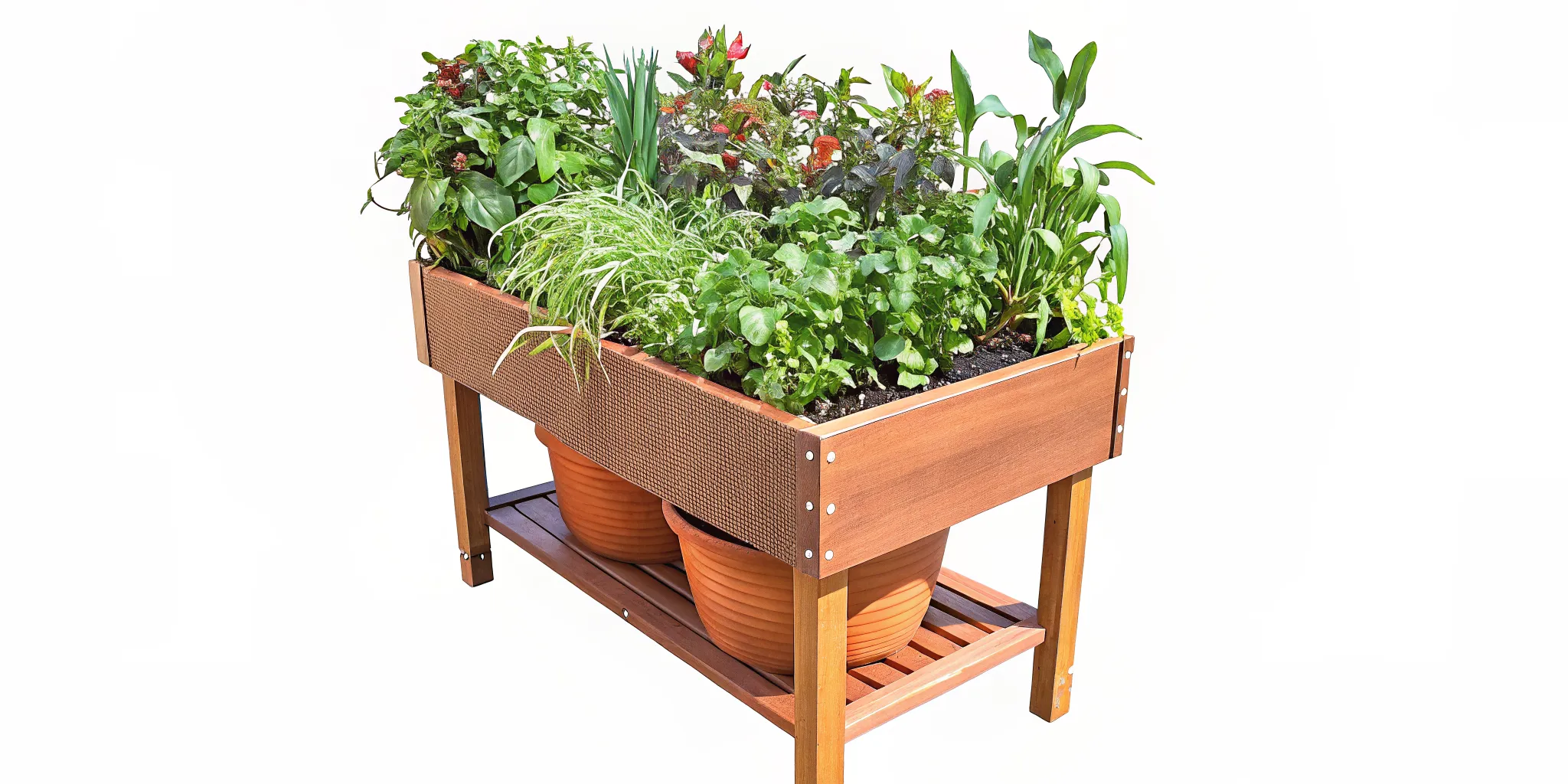
How do self watering planters work?
Quick answer: Self watering planters store water in a reservoir beneath the soil. Moisture moves upward to the root zone as plants need it, reducing routine watering while helping avoid soggy topsoil.
Self watering planters use a built-in system to give plants water from the bottom up. Most units have a large water area at the base. This area sits under the dirt and holds a supply of water for the roots. These self watering planters work for both indoor and outdoor gardening to make plant care easy.
The role of the water area
The main part of this tool is the storage area at the bottom. It keeps water away from the dirt so the soil does not get too wet. Roots grow down toward the wet zone to get what they need. This setup lets you go longer between chores. You can often wait up to one week before you need to add more water in the summer heat.
Wicking and root health
Most systems use a wicking method to pull water up to the roots. Tiny tubes or wicks move liquid from the base into the soil. This keeps the dirt moist but not soaked. It helps stop root rot and other plant health issues. Good soil flow is vital for health. This is why many people use a mix of 70% soil and 30% compost in their raised garden beds to help roots grow well. This soil ratio is suggested for raised beds to keep plants strong.
This bottom-up feed is great for many crops. Leafy greens and herbs love the steady moisture. But some plants with deep roots may need a larger durable composite raised garden beds setup for more space. Using a storage area at the base helps keep plants happy while you save time on daily watering tasks.
Managing the water level
These tools also have an overflow hole to stop floods. If too much rain falls or you add too much water, the extra liquid drains out. This prevents the soil from getting soggy. A simple gauge often shows you when to refill the base. This makes it a great choice for urban gardeners who have small spaces or busy lives.
Which option works best on a patio or deck?
Quick answer: A self watering planter is usually the better fit for a patio or deck because it uses less floor space and reduces watering chores. Always confirm the surface can support the filled planter and manage drainage safely.
Gardening on a patio or deck is a smart way to grow food when you have little room. Many people live in places where the ground is not good for plants. Raised garden beds are helpful when your yard has poor soil or small space. These systems let you build a garden right on top of a hard surface. But you must think about weight and drainage before you start. Choosing the right setup keeps your deck safe and your plants happy.
Garden weight and deck safety
Decks are built to hold a lot of weight, but wet soil is very heavy. A large garden bed can put a lot of stress on the wood or stone. You should check how much weight your deck can handle first. For many urban gardeners, raised garden beds that use light soil mixes work best. Using a mix of 70% soil and 30% compost can help with growth. This soil and compost mix is often lighter than the dirt you find in the ground.
You also need to protect the surface under your plants. Water and dirt can leave stains or cause rot on wood decks. Using a tray or a liner helps keep the water off the deck boards. Good drainage is needed so roots do not sit in water. If water stays in the soil too long, the plants might die. A proper system lets extra water escape while keeping the deck dry.
More ease with self watering planters
If you want a low-stress garden, self watering planters are a great choice. These pots use a built-in system to give water to the plants when they need it. This means you do not have to water them every single day. On a hot patio, soil can dry out fast. These planters hold a tank of water at the bottom. The roots pull up the moisture as the soil gets dry. This is very helpful for busy people or those who travel often.
These planters offer many perks for deck owners:
- They save you time by holding water in a tank.
- They stop leaks that could rot your deck boards.
- They are light which makes them easy to move.
- They fit well in small spaces and tight corners.
Because they are self-contained, these pots keep your outdoor area clean. You do not have to worry about mud or water spills on your stone or wood. This lets you grow fresh food in a way that fits your life. You can pick herbs, greens, or even small tomatoes right outside your back door.
Light and layout for deck gardens
Where you put your garden matters just as much as what you grow. Most vegetables need at least six hours of sunlight each day. Look at your patio at other times to find the sunny spots. If one area is too hot, you can move your pots to a shady spot. This freedom is one of the best things about gardening on a deck.
Make sure you leave enough room to walk around your plants. A width of four feet or less is best so you can reach the middle. This helps you pick your crops without straining your back. Proper spacing also lets air move between the plants. This keeps them healthy and helps stop bugs from moving in. With a bit of planning, your deck can become a lush green space.
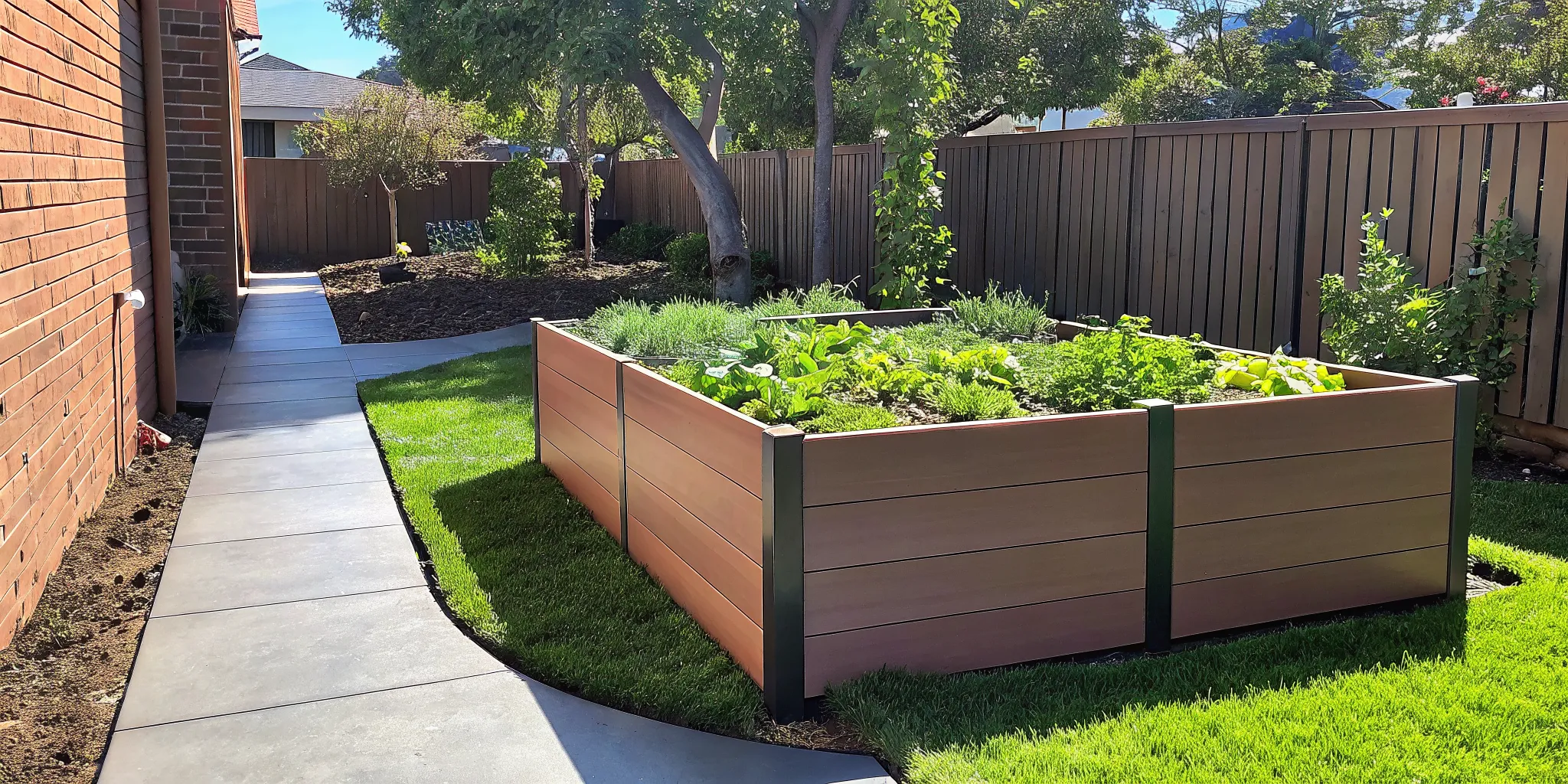
When is a raised garden bed better for a small yard?
Quick answer: A raised garden bed is better when you have a permanent patch of yard and want more soil volume for larger crops. Modular layouts can turn an awkward corner or narrow strip into productive growing space.
Choosing the right setup for a small yard often comes down to how you plan to use your space. A raised garden bed is often the best pick when you want to grow a large amount of food in a tight area. These beds create usable garden space where soil might be poor or area is limited. You can find more details on our raised garden beds collection page.
Maximizing crop volume and soil depth
Small yards need to work hard to give you a good harvest. Raised beds are typically 8 to 12 inches high, which allows for proper root growth for most vegetables. This depth is much better for large plants than most small pots. By using a mix of 70% soil and 30% compost, you can grow more plants in less space compared to planting in the ground.
For even better results, some growers use self watering planters to keep soil moist in small areas. These tools use a built-in system to give plants water as they need it. This helps when you have a small patio or deck where space is very tight. It also means you spend less time with a hose each day.
Flexibility and modular expansion
Small yards often change as your needs grow. Frame It All beds use a Snap-Lock system that lets you add more boards without using tools. This modular design means you can stack layers to get more depth or extend the bed as your garden grows. Our durable composite raised garden beds are made from 38% recycled plastic and 62% hardwood fibers, so they will not rot like wood.
If you have physical limits, a raised bed can be built to a height that makes it easy to reach. Experts suggest a width of no more than 4 feet so you can reach the center from either side. This keeps your small yard tidy and makes sure you can care for every plant with ease.
Which garden setup is easier to access?
Choosing the right garden layout can make a big difference for people who have trouble moving or bending. Standard garden plots at ground level often cause strain. Using raised garden beds can help solve these problems. These setups are ideal for people with physical limits when built at the right height. They allow you to tend to plants without having to lean over too far or kneel on hard ground.
Reducing strain and reach
A key part of a good garden is how easy it is to reach the center. Most experts suggest a maximum width of 4 feet for adult gardeners. This size lets you reach every plant from the sides without stepping into the bed. Keeping the soil loose is vital for root growth. Sticking to this width also prevents soil from getting packed down by feet. For those who use chairs, a narrow bed can make the reach even easier.
Height also plays a big role in comfort. Many basic beds are about 8 to 12 inches high. This height gives roots enough room to grow well. But for better access, you can stack layers higher. Taller beds let you sit on the edge or work from a seat. This change reduces the need to bend and helps keep your back safe while you work.
Simple watering for all gardeners
Watering can be a hard chore if you have to carry heavy cans. Many people now use self watering planters to make this task easier. These tools use a built-in system to give plants the right amount of water. You only need to fill a tank every now and then instead of every day. In the hot summer, some of these systems let you wait a week between fills. This helps people who cannot get to their garden every day.
Smart placement and paths
Where you put your garden matters just as much as what you grow. Most vegetables need at least six hours of sun each day to stay healthy. When you plan your space, leave enough room for wide paths between the beds. Wide, flat paths make it safe to move around with tools or a walker. A firm surface like gravel or wood chips can help prevent slips. Proper planning ensures that gardening stays a fun and safe hobby for everyone.
How to choose the right garden for your space
Picking the best garden setup for your home takes a bit of planning. You must think about your yard size, your daily plan, and what you want to grow. A good garden should fit your life and help your plants thrive. Whether you have a large lawn or a small deck, the right choice will make your hobby easier. It also ensures you get the most food for your hard work.
Check your sun and soil
Most crops need plenty of light to grow well. You should find a spot that gets at least six hours of sun every day for the best results. If the soil in your yard is hard or full of clay, you can skip the digging. Using raised garden beds lets you start with a clean slate. You can fill them with a mix of rich dirt and plant food to give your seeds a better home.
Match the garden to your routine
Think about how often you can tend to your plants. If you have a busy life, you might want a system that does some of the work for you. Using self watering planters is a great way to save time and keep plants happy. These tools have a water tank in the base that feeds the roots slowly. This means you do not have to water them every single day, even during a hot summer. It is a perfect fit for city spots or decks where hose access is hard to find.
For those who want to grow a lot of food, strong composite raised garden beds are a solid choice. These kits are easy to put together and last for many years. They do not rot like wood, so you spend less time on repairs and more time on your crops. You can also stack them to make them taller if you want to avoid bending over too much while you work.
Consider space and reach
You should also think about how you will reach your plants. Most experts say that a garden bed should be no more than four feet wide so you can reach the middle from either side. This keeps you from stepping on the dirt, which can pack it down and hurt the roots. If your space is tight, look for narrow or tall options that fit against a wall or rail. Planning for easy reach makes weeding and picking much more fun.
A good soil mix is also key to success. Many growers use a blend of soil and compost to feed their plants the right way. This helps the ground stay loose and full of life all year long.
- Measure your open area to see how many beds or planters will fit without crowding the space.
- Track the sun for one full day to find the brightest spots for your food plants.
- Choose between ground-level beds for big crops or self watering planters for easy care and small spaces.
- Pick a kit with easy parts so you can set up your new garden in just a few minutes.
- Mix your soil with about 30 percent compost to give the food your plants need to stay strong.
Once you have your garden in place, you can start to add your best crops. Choosing the right size and style now will help you avoid problems later. It ensures your plants have enough room, light, and water to grow big. With a smart layout, you can enjoy fresh food right from your own back door all season long.
What maintenance does each option require?
Steady upkeep keeps your garden healthy. Both self watering planters and standard beds need care. The amount of work depends on the style you choose. Some tasks happen daily, while others wait for the end of the year.
Tank and drainage care
Self watering planters use a built-in tool to give plants water. You must check the water level in the tank often. In hot months, the plants use more water to stay cool. These units help you go longer between watering times. In fact, some let you wait a full week before you fill the tank again.
Outdoor units often have a hole for overflow. This hole lets extra rain water run out. Without it, the roots could drown during a big storm. In standard raised garden beds, you should check the soil for moisture each day. Proper drainage is one of the main gains of raised beds in a garden.
Soil health and plant food
Healthy plants start with good soil. For raised beds, a mix of 70% soil and 30% compost is often best. This blend gives plants the food they need to grow strong. Over time, plants use up the food in the dirt. You will need to add new compost each spring to keep the soil rich.
Using durable composite raised garden beds helps because the walls do not rot. They also do not leach chemicals into your soil. Good soil health leads to a longer growing season. It also helps the plants build better root systems. In a raised bed, the soil does not get packed down by feet.
Managing pests and weeds
Weeds are less of an issue in raised systems. But you should still check for them once a week. Pulling small weeds is easy work. Look at the leaves of your plants for signs of bugs. Early action can save your whole crop. Here are some tasks you should do each week:
- Check the water level in the tank or basin.
- Look for yellow or wilted leaves on each plant.
- Pull any small weeds that sprout in the soil.
- Look under leaves for pest eggs or tiny holes.
Seasonal cleaning and resets
At the end of the year, you should clean your tools and beds. For planters with tanks, drain all the water before the first frost. Standing water can freeze and crack the plastic or metal. Scrub the tank with mild soap and water to remove dirt or algae.
For large outdoor beds, remove all dead plant matter. This stops pests and bugs from hiding in the waste all winter. You can leave the soil in the bed, but cover it with a tarp. This protects the soil from heavy rain and wind. A clean start in the spring makes gardening easy.
Frequently Asked Questions
How do self-watering planters work?
These pots use a built-in water tank below the soil. A wick or small tube pulls water up to the plant roots as they need it. This method keeps the soil damp but not too wet. As shown by ePlanters, this watering system makes plant care simple for busy people. It helps stop root rot by keeping the top soil dry while roots drink from the bottom.
Are self-watering planters good for outdoor use?
Yes, these pots work well on patios, decks, and in small yards. They are great for hot summer days when plants need more water. You can often wait a week between refills instead of watering every day. Lovely Greens notes that these systems help plants survive high heat. Just make sure the pot has a hole for extra water to escape. This prevents the roots from drowning during heavy rain.
What are the benefits of self-watering planters compared to raised garden beds?
Self-watering pots offer better water control for small spots like balconies. They take up less room and move easily if you need to follow the sun. However, Penn State Extension says that raised beds provide better drainage and more room for roots. While planters save time on daily care, raised beds are better for growing large crops in poor or dirty ground soil.
How do I choose between a self-watering planter and a raised garden bed for a small space?
Think about what you want to grow and how much space you have. If you have a tiny deck and want herbs, a self-watering pot is best. These units move easily and save water. If you want to grow deep-root crops like carrots, a raised garden bed is a better choice. These beds hold more soil and stay in one place. They also help people with back pain garden without bending.
Ready to find the right garden for your home?
Waiting to start your garden means missing out on fresh food and a beautiful yard this season. If you put off your plans, you face the same old problems with poor soil or back pain for even longer. By acting now, you can set up a system that saves water and lasts for years without the rot of real wood. You will get a stress-free way to grow plants on any patio, deck, or small yard. You can enjoy your outdoor space and see real results in just a few short weeks.
Ready to shop the garden solution that fits your space? Shop the garden solution that fits your space to start your outdoor project today and get the most out of your home garden this year.