
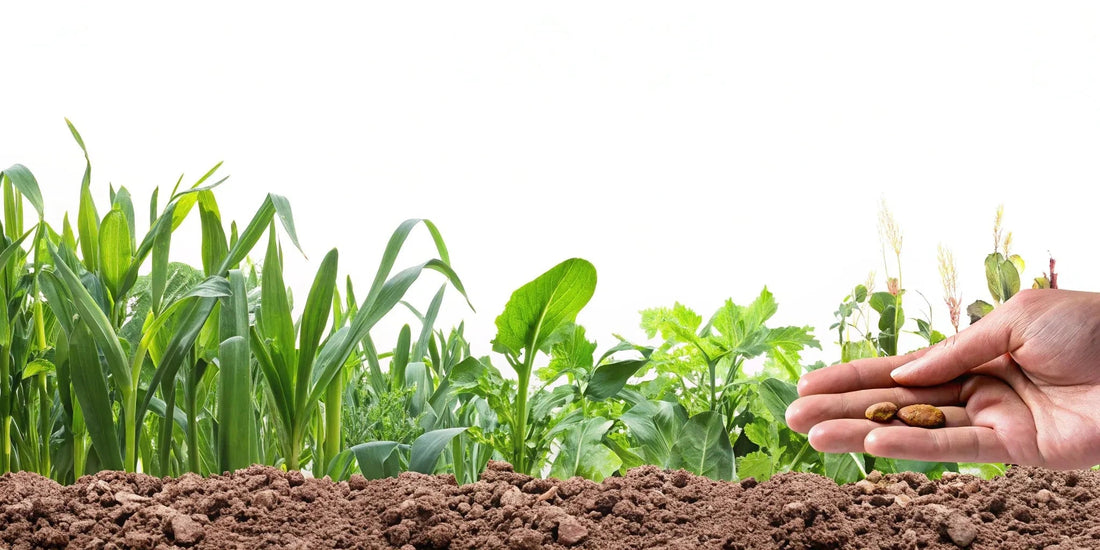
It’s easy to see a plant seed as just a starting point. But each one is a tiny, self-contained survival pod, the result of thousands of years of evolution. They are the foundation of our entire food system and the unsung heroes of ecosystems around the globe. From the way they travel on the wind to the vital nutrition they provide, every seed has a fascinating story. Understanding this journey brings a new appreciation to your own gardening. This guide explores that incredible world, connecting your backyard efforts to a global story of survival and growth.
Key Takeaways
- A seed is a complete life-support system: It contains a baby plant, its food supply, and a protective outer shell, giving it everything needed to wait for the perfect moment to grow.
- You can trigger germination with the right signals: Success comes down to providing key environmental cues like consistent moisture, the correct temperature, and the proper amount of light or darkness your specific seed requires.
- Your seed choice defines your garden: Knowing the difference between heirloom seeds, which can be saved year after year, and hybrids, which are bred for specific traits, empowers you to select the best plants to meet your goals.
What is a Plant Seed, Really?
We all know that a tiny seed can grow into a towering sunflower or a sprawling zucchini plant. But what’s actually going on inside that little package? Understanding the basic anatomy of a seed can make you a more intuitive and successful gardener. Think of it as getting to know your plants from their very first moment of life. A seed isn't just a speck of potential; it's a perfectly self-contained survival kit, equipped with everything a new plant needs to get started. Let's take a closer look at the components that make this magic happen.
What's Inside a Seed? The 3 Main Parts
Every seed is a marvel of natural engineering, containing three essential parts. First is the embryo, which is the baby plant itself, complete with a rudimentary root and shoot. Next is the endosperm, a built-in food supply packed with starches, proteins, and oils to nourish the embryo as it begins to grow. Think of it as the packed lunch the parent plant sends along for the journey. Finally, the entire package is wrapped in a seed coat. This tough outer layer acts like a suit of armor, protecting the delicate embryo from physical damage, pests, and drying out until conditions are just right for germination.
What Makes a Seed Unique?
Seeds are the primary method of reproduction for "seed plants," which include everything from flowers and vegetables to shrubs and trees. They form after an ovule is fertilized by pollen. This sets them apart from plants like ferns and mosses, which use spores instead of seeds to reproduce. In flowering plants, the seed often develops inside a fruit, which serves as a protective vessel and helps with dispersal. Interestingly, what we sometimes call a "seed," like a sunflower seed, is technically a dry fruit containing the actual seed inside. Understanding these distinctions helps you know exactly what you’re planting in your raised garden beds.
The Scale of the Seed World: A Look at the Numbers
The world of seeds is one of incredible extremes, showcasing nature's creativity in ensuring survival. Seeds range in size from the massive coco de mer, which can weigh up to 40 pounds and floats between islands, to the minuscule seeds of some orchids, so light they travel like dust on the wind. This diversity isn't random; it's directly tied to how a plant spreads its offspring. Seed-producing plants have been perfecting these strategies for a very long time, first appearing on Earth about 300 million years ago. Today, they are the most common and diverse group of plants, with nearly 400,000 different species blanketing the planet.
What Scientists Are Still Discovering
You might think that something as fundamental as a seed would be completely understood by now, but scientists are still uncovering its secrets. A major area of current research focuses on genetics, specifically how genes control a seed's growth and the development of its protective coat. Researchers are studying genes that control seed development and have found some surprising things. For instance, plants with simpler seeds, like pine trees, actually have more copies of these developmental genes than flowering plants with more complex seeds. Why this is the case remains a puzzle, reminding us that even the smallest seed in your garden is part of a deep and ongoing scientific mystery.
A Guide to Different Types of Plant Seeds
When you’re picking out seeds for your garden, it helps to know they come in a few different categories. Think of it like understanding different breeds of dogs—they’re all dogs, but with unique traits. The plant kingdom has its own way of classifying seeds, and knowing the basics can make you a more intuitive gardener. The main distinctions come down to how a seed is formed and how many "seed leaves" it starts with. Let's look at the major types you'll encounter.
Meet the Gymnosperms: The "Naked" Seeds
Gymnosperms are the old-timers of the plant world, showing up on the scene millions of years ago. Their name gives away their biggest secret: they produce "naked" seeds. This doesn't mean they're streaking through your garden! It simply means their seeds aren't enclosed inside a fruit. The most classic example is the pine cone. Each scale on a cone holds a seed that's exposed to the elements. This evolutionary strategy was the first of its kind for plants, marking a huge step in plant reproduction. While you might not be planting many gymnosperms in your veggie patch, understanding this group helps you appreciate the incredible diversity of the plant kingdom.
Angiosperms: The Seeds Hiding in Your Fruit
If gymnosperms are the originals, angiosperms are the modern superstars. These are the flowering plants, and their big innovation was to develop seeds inside a protective fruit. From apples and tomatoes to the pesky burrs that stick to your socks, angiosperms have mastered the art of seed protection and dispersal. That fruity casing does more than just protect the embryonic plant; it often entices animals to eat it and, well, deposit the seeds elsewhere later on. This clever adaptation is why angiosperms are the most widespread and diverse group of plants on the planet. Nearly everything you plant in your raised garden beds, from cucumbers to strawberries, is an angiosperm.
Monocots vs. Dicots: What's the Difference?
Now let's zoom in on those angiosperms. They can be split into two main groups: monocots and dicots. The difference lies in their cotyledons, which are the embryonic leaves packed inside the seed. Monocots, like corn, grasses, and lilies, have just one cotyledon. When they sprout, you'll see a single leaf shoot up first. Dicots, on the other hand, have two cotyledons. Think of a bean seed—you can easily split it into two halves. When a bean plant sprouts, it pushes those two seed leaves above the ground. This distinction is more than just a fun fact; it influences a plant's leaf, stem, and root structure, which is fundamental to plant development.
From Seed to Sprout: A Plant's Life Cycle
Every plant in your garden started as a tiny seed, each one holding the potential for life. Understanding a seed's journey from a dormant speck to a thriving plant can make you a more intuitive and successful gardener. It’s a fascinating cycle of waiting, waking, and growing. Let's walk through the main stages of a seed's life, from its creation to the moment it sprouts. This knowledge will help you give your seeds the best possible start.
How a Plant Seed Is Made
Think of a seed as a tiny survival kit for a baby plant. Inside its protective outer shell, called a seed coat, is an embryo (the undeveloped plant) and a packed lunch (its food supply). This package is created after a flower is pollinated and its ovule is fertilized. The parent plant pours its energy into creating this perfect little bundle, ensuring its offspring has everything it needs to begin life. Once formed, the seed matures and often dries out, entering a dormant state until it finds the perfect place and time to grow.
What Happens During Germination?
Germination is the moment a seed "wakes up" and begins to grow into a seedling. For this to happen, a few key conditions must be met. First, the embryo inside must be alive. Next, the seed needs to break its dormancy, or sleeping state. Finally, the environment has to be just right, with the proper combination of water, oxygen, and temperature. Water softens the seed coat and signals the embryo to start growing, while oxygen fuels its growth. This is why properly starting seeds is so important for a healthy garden.
What Affects a Seed's Development?
Some seeds sprout as soon as they have moisture, but many have a built-in waiting period called dormancy. This survival mechanism prevents them from germinating at the wrong time, like in winter. For seeds with extra-tough coats, you might need to help them through a process called scarification. This involves gently scratching or soaking the seed coat to allow water inside. In nature, this might happen as a seed tumbles over rocks. For the home gardener, a little sandpaper or an overnight soak can often do the trick and break seed dormancy.
How to Help Your Seeds Sprout
Getting a seed to sprout is one of the most rewarding parts of gardening. It’s not magic, but it does require a little science. For a seed to break out of its shell and grow into a seedling, it needs three things: a living embryo inside, any dormancy to be broken, and the right environment. As a gardener, you have a lot of control over that last part. By creating the perfect conditions, you’re giving your seeds their best shot at life.
Think of it as setting the stage for a big performance. You need to get the temperature and moisture levels just right, provide the correct amount of light, and use soil that will support new roots. For some seeds, you might even need to give them a special signal to wake up from their deep sleep. It sounds like a lot, but once you understand what your seeds need, you’ll see just how simple it can be to help them thrive. Using a contained space like a raised garden bed makes managing these conditions even easier, since you control the soil, water, and placement from the very beginning.
Finding the Sweet Spot for Heat and Water
When it comes to water and warmth, seeds are a bit like Goldilocks—they need everything to be just right. Consistent moisture is the first signal that tells a seed it’s time to wake up. The goal is to keep the soil damp like a wrung-out sponge, but never soggy. Too much water can rot the seed before it even has a chance to sprout.
Temperature is the other key factor. Every seed has an ideal temperature range for germination, which you can usually find on the back of the seed packet. Cool-season crops like lettuce and peas prefer cooler soil, while warm-season plants like tomatoes and peppers need more heat. A soil thermometer can be a handy tool, but you can also start seeds indoors on a heat mat to give them a warm, cozy start.
Light and Soil: What Your Seeds Really Need
While all seedlings need light to grow, not all seeds need it to germinate. Some seeds, like lettuce and dill, require light to sprout and should be sown on the surface of the soil. Others, like calendula and verbena, need darkness and must be covered completely. This is known as photodormancy, and your seed packet will tell you what your specific seeds prefer.
The soil you use is the foundation for your plant’s entire life. It provides the nutrients, moisture, and structure a new seedling needs to develop strong roots. For starting seeds, it’s best to use a lightweight seed-starting mix that’s free of pests and diseases. When you’re ready to plant in your garden, our garden builder kits let you fill your beds with high-quality soil, creating the perfect home for your plants from day one.
How to Break Seed Dormancy
Have you ever planted a seed that just refused to grow? It might have been in a state of deep dormancy. This is a natural survival mechanism that keeps seeds from sprouting until conditions are ideal for survival, like after a long winter. For some seeds, you need to manually break this dormancy.
Two common methods are scarification and stratification. Scarification involves nicking or scratching a hard seed coat to let water in. It’s often needed for seeds like sweet peas or morning glories. Stratification mimics the cold, damp conditions of winter. You can do this by placing your seeds in a moist paper towel inside a plastic bag and storing them in the refrigerator for a few weeks or months. Many native perennials and wildflowers require this cold treatment to germinate successfully.
Specific Germination Techniques for Popular Plants
Now that you know the basics, let's apply them to some garden favorites. Every plant has its own unique preferences, and knowing them can make all the difference. For warm-season crops like tomatoes and peppers, heat is the magic ingredient; they need soil temperatures between 70-80°F to sprout reliably, which is where an indoor heat mat can be a game-changer. On the flip side, cool-season greens like lettuce often need light to germinate, so you should barely cover them with soil, while carrots prefer darkness. For seeds with tough outer shells, like beans and peas, an overnight soak in water can soften their coats and speed up germination. And if you're planting native perennials or wildflowers, many require a period of cold, moist stratification to break their natural dormancy. Your seed packet is your best guide, so always check it for specific instructions.
How Do Seeds Travel So Far?
Have you ever wondered how a lone dandelion pops up in the middle of your pristine lawn or how an oak tree starts growing far from its parent? It’s not magic—it’s the incredible journey of a seed. Plants are stationary, but their offspring are world-class travelers. To survive and thrive, plants have developed ingenious ways to send their seeds far and wide, a process known as seed dispersal. This strategy helps them find new, fertile ground, avoid competing with their parent plant for resources like sunlight and water, and ensure the continuation of their species.
The methods are as diverse and fascinating as the plants themselves. Some seeds are built for flight, catching the wind like tiny gliders. Others are master hitchhikers, latching onto unsuspecting animals for a free ride. Some even brave the open ocean, floating for thousands of miles to find a new shore. Understanding these natural distribution networks can give you a whole new appreciation for the plants in your own raised garden bed and the wild landscapes beyond your yard. Let’s look at some of the most common ways seeds get around.
Hitching a Ride on the Wind
Wind is one of the most powerful forces for seed dispersal. Plants that use this method often produce a huge number of lightweight seeds to increase the odds that at least a few will land in a suitable spot. Some, like pine seeds, come equipped with delicate wings that help them spin and glide through the air. Others, like the fluffy seeds of a milkweed or dandelion, have hair-like structures that act as tiny parachutes, allowing them to be carried long distances on a gentle breeze. Then there are seeds so small and light, like those of orchids, that they travel like fine dust, swept up and scattered by the wind across vast areas. This method is a simple yet effective way to colonize new territory.
Example: Dust-like Orchid Seeds
Orchids take wind travel to a whole new level. Their seeds are so minuscule they’re often compared to dust, making them one of nature's most impressive travelers. This incredibly lightweight design allows them to be picked up by the slightest breeze and carried for miles, sometimes even across oceans. It’s a strategy that’s all about playing the numbers game; by scattering millions of seeds over vast areas, the orchid increases its odds that a few will land in the perfect nook of a tree branch where they can germinate and grow. It’s a powerful reminder of the incredible and often invisible strategies plants use to survive, adding another layer of wonder to the natural world right outside your door.
Carried Away by Animals
Animals are the unpaid couriers of the plant world, and they play a crucial role in dispersing seeds. Some plants produce seeds with hooks or burrs that easily latch onto the fur of a passing mammal, getting a free ride to a new location before being groomed off or falling away. Other plants wrap their seeds in delicious, fleshy fruits. When animals like birds or bears eat fruits like apples and cherries, the tough seeds pass through their digestive systems unharmed and are deposited in a new spot, complete with a bit of natural fertilizer. And who can forget the busy work of squirrels, who bury nuts like acorns and walnuts for later, often forgetting where they left them and inadvertently planting a new generation of trees.
Floating Away: Seeds That Use Water
For plants living near rivers, lakes, or oceans, water is the perfect transportation system. These plants produce seeds that are buoyant and waterproof, allowing them to float for days, weeks, or even months. The classic example is the coconut, which can drift across entire oceans to colonize remote islands. Other seeds, like sea-beans, travel down rivers and into the sea, their incredible journeys tracked by beachcombers around the world. Beyond these main methods, some plants have even more dramatic techniques. The seed pods of plants like jewelweed and wisteria build up tension as they dry, eventually exploding to fling their seeds away from the parent plant in a process called ballistic dispersal. It’s a powerful reminder of the creative and resilient nature of plants.
Example: The Giant Coco de Mer
If you thought the coconut was an impressive ocean traveler, meet its heavyweight cousin: the coco de mer. Native to the islands of the Seychelles, this palm produces the largest seed in the entire plant kingdom, weighing up to a staggering 40 pounds. This incredible size and natural buoyancy are central to its survival strategy, allowing the seed to float on ocean currents for years before washing up on a distant shore. Its incredibly tough outer shell protects the embryo from saltwater and physical damage throughout its long journey, giving it a chance to germinate and establish a new palm tree far from its parent. It’s a powerful example of how plants evolve clever ways to find a new place to grow.
How Seeds Feed the World
It’s easy to think of seeds on a small scale—a single packet for your backyard tomato plants or a few beans to start in a pot. But on a global scale, seeds are the absolute bedrock of agriculture and our entire food system. From the vast fields of wheat that become our bread to the corn that feeds livestock, it all starts with a seed. Understanding the bigger picture of how seeds function in agriculture can give you a whole new appreciation for the ones you plant in your own raised garden beds.
Why Seeds Are the Foundation of Our Food Supply
Think about your last meal. Chances are, seeds played a starring role. They are the embryonic beginnings of new plants, packed with all the nutrients a seedling needs to get started. This energy-rich package is also what makes them so valuable to us. The majority of food calories that people consume worldwide come directly from seeds. Grains like rice, corn, and wheat are the most obvious examples, but this category also includes protein-packed legumes like beans and lentils, as well as nuts. Without a reliable and diverse supply of seeds, our grocery store shelves would look incredibly bare, highlighting their essential role in feeding the world.
Heirloom, Hybrid, and GMO Seeds Explained
When you shop for seeds, you’ll likely see terms like heirloom, hybrid, and GMO. Think of them as different approaches to plant breeding. Heirloom seeds are open-pollinated varieties that have been passed down through generations, treasured for their unique flavors and history. Hybrid seeds are created by intentionally cross-pollinating two different parent plants to produce a new plant with the best traits of both, like better disease resistance or higher yield. Finally, GMO (genetically modified organism) seeds have had their DNA altered in a lab to introduce specific traits, such as resistance to pests or herbicides. Each type has its place in gardening and agriculture, and understanding the difference between them helps you choose the best fit for your garden.
Where Do Our Seeds Come From?
The seed industry is a massive economic driver. In 2018 alone, U.S. farmers spent around $22 billion on seeds, a figure that shows just how critical high-quality seeds are to modern farming. Beyond the economics, seeds are also key to maintaining agricultural diversity. As they travel and adapt to new environments, they help create a more resilient food supply that can better withstand challenges like climate change and new plant diseases. This is why seed banks and conservation efforts are so important—they protect the genetic diversity that ensures we have a wide variety of plants to rely on for generations to come. Every seed saved and planted contributes to this vital global ecosystem.
Understanding Seed Quality and Conservation
Not all seeds are created equal, and understanding what makes a seed "high-quality" is the first step toward a thriving garden. A quality seed is more than just one that sprouts; it’s one that is viable, disease-free, and true to its variety. This genetic integrity is the foundation of our entire food system. As our climate changes and new plant diseases emerge, having a wide variety of seeds is like having a deep bench of players ready to step in. This is why seed conservation efforts and global seed banks are so critical. They act as a library of genetic diversity, safeguarding thousands of plant varieties for the future. By choosing to plant heirloom seeds or even saving seeds from your own harvest, you’re playing a small but vital role in protecting this precious resource for generations to come.
Edible Seeds: What to Eat and What to Avoid
From the sunflower seeds you snack on to the grains that make up your morning toast, seeds are a huge part of our daily lives. They are tiny powerhouses of nutrition, designed to give a new plant everything it needs to start growing. But while many seeds are delicious and healthy, not all are safe to eat. Let's walk through which seeds to add to your plate and which ones to leave in the garden.
Nutritious Seeds to Add to Your Diet
It’s amazing when you stop to think about it, but a massive portion of the food we eat comes directly from seeds. Grains like wheat, corn, and rice are the seeds of grass plants and form the foundation of diets worldwide. The same goes for legumes like beans, lentils, and peas. Nuts are also seeds (or technically, the fruit containing a seed). They’re all packed with the energy, protein, and healthy fats a tiny plant needs for its big debut. This is why adding seeds like chia, flax, and pumpkin to your diet is such a great way to get a concentrated dose of essential nutrients.
Beyond Nuts and Grains: Spices, Legumes, and More
The world of edible seeds goes far beyond the trail mix in your pantry. Many of the flavors that define our favorite dishes actually come from seeds we use as spices. Think about the sharp bite of mustard, the warm aroma of nutmeg, or the earthy notes of fenugreek—all of these begin as tiny seeds, packed with concentrated flavor. Legumes are another major category that we often overlook as seeds. When you plant peas or beans in your garden, you're planting seeds that will grow into plants that produce even more edible seeds. This group includes nutritional powerhouses like lentils and peanuts, which are not only a fantastic source of protein but also play a vital role in sustainable agriculture. They fix nitrogen in the soil, enriching it for future crops and making them a perfect companion plant in any garden.
Toxic Seeds to Watch Out For
While you’re exploring the world of edible plants, it’s just as important to know what to avoid. Some seeds contain compounds that can be harmful if eaten. For example, the pits of stone fruits like cherries, apricots, peaches, and even apple seeds contain a chemical that can convert to cyanide in your body. While you’d need to eat a large quantity of crushed seeds for it to be dangerous, it’s best to just steer clear. Other seeds, like castor beans, are highly toxic and should never be eaten. Even some common legumes, like raw kidney beans, contain proteins that can cause serious stomach upset, which is why they always need to be cooked thoroughly before eating.
Simple Ways to Prepare Seeds for Eating
Some seeds need a little prep work before they’re ready to eat. This often helps make their nutrients more available and easier for your body to digest. Soaking seeds in water, a process sometimes called leaching, can help remove compounds that might interfere with nutrient absorption. You’ve probably seen this with beans and nuts, and it's the first step in sprouting your own seeds at home. For seeds with tough outer shells, like sunflower or pumpkin seeds, roasting can make them easier to crack and adds a delicious flavor. Other seeds, like flax, are best when ground, as your body can’t break down the whole seed to get to the good stuff inside. A little preparation goes a long way.
Your Guide to Starting a Garden from Seed
There’s something incredibly rewarding about watching a tiny seed sprout and grow into a plant that produces food or beautiful flowers. Starting from seed gives you access to a much wider variety of plants than you’ll find at a local nursery. With a little planning and the right setup, you can successfully start your own garden from scratch.
How to Choose the Right Seeds for Your Garden
Walking down the seed aisle can feel overwhelming, but understanding a few key terms makes it much easier. You’ll generally find three types of seeds: heirloom, hybrid, and open-pollinated. Heirloom seeds are open-pollinated varieties that have been saved and passed down for generations, often celebrated for their unique flavors. Open-pollinated seeds will produce plants very similar to the parent plant, so you can save the seeds for next year. Hybrid seeds are created by cross-pollinating two different parent plants to produce specific traits, like disease resistance or higher yields. Choosing the right seed packet really comes down to your personal gardening goals.
Gardening with a Goal: Pollinators, Cut Flowers, and More
Before you buy a single seed, ask yourself: what do I want this garden to do? Your answer will guide every choice you make. Are you dreaming of a garden buzzing with life? Look for seed mixes specifically designed to attract pollinators like bees and butterflies. If you want fresh bouquets all summer long, you’ll want to plant a cutting garden with flowers like zinnias and cosmos. Maybe your goal is more practical, like growing herbs for your kitchen or planting flowers that deer tend to avoid. Thinking about your purpose from the start helps you select the right seeds and design a space that truly meets your needs, turning a simple patch of dirt into a functional and beautiful extension of your home.
Gardening in Small Spaces: Containers and Raised Beds
You don’t need a sprawling backyard to enjoy the rewards of gardening. Many plants thrive in containers on a sunny balcony, a front porch, or even a windowsill. The key is to choose varieties that are well-suited for smaller spaces, like dwarf tomatoes or bush beans. This approach lets you bring fresh herbs, flowers, and even vegetables into your life, no matter the size of your outdoor area. For a more structured small-space garden, raised garden beds are a fantastic solution. They allow you to create a dedicated, nutrient-rich growing area on a patio or in a tiny yard, giving you complete control over your garden's environment and making your small space incredibly productive.
Easy-to-Grow Vegetables for Beginners
If you’re new to vegetable gardening, the best way to build confidence is to start with plants that are known for being low-maintenance and productive. Choosing easy-to-grow varieties gives you a better chance at a successful first harvest, which is all the motivation you’ll need to keep going. For a nearly foolproof start, try planting things like lettuce, peas, green beans, zucchini, and radishes. These tend to grow quickly and have fewer pest problems. Herbs like basil and mint are also incredibly forgiving. Starting with these beginner-friendly vegetables will teach you the basics of watering, sunlight, and harvesting without the frustration that can come with more demanding plants.
A Note on Pet Safety
Our furry friends are part of the family, so it’s important to make sure our gardens are safe spaces for them. Many common and beautiful plants, from houseplants like the popular Monstera Deliciosa to outdoor flowers like lilies and tulips, can be toxic to cats and dogs if ingested. Before you bring a new plant home or sow a packet of seeds, take a moment to research whether it’s pet-friendly. The ASPCA has an extensive and easy-to-search database of toxic and non-toxic plants. If you have a curious pet who loves to dig, consider using an animal barrier garden to keep your plants and your pets safely separated from each other.
Start Seeds Indoors or Sow Directly Outside?
Deciding where to plant your seeds depends on your climate and the type of plant. Starting seeds indoors gives you a head start on the growing season, which is a huge advantage for plants that take a long time to mature, like tomatoes and peppers. For other plants, like carrots and beans, it’s best to sow them directly into the garden soil after the last frost. Not sure when that is? A quick search for your area’s USDA Plant Hardiness Zone will give you the guidance you need. Using a raised garden bed can also help, as the soil tends to warm up faster in the spring, giving your directly sown seeds a cozy start.
Simple Tips for Healthy Seedlings
To get your seeds to sprout, you need to create the right environment. Your seed packet is your best friend here—it will tell you everything you need to know about temperature, moisture, and light requirements. Most seeds need consistently moist soil (but not waterlogged) and warm temperatures to germinate. Once your seedlings emerge, they’ll need plenty of light. If you’re starting them indoors, a spot on a sunny windowsill or under a grow light works perfectly. As they grow, you may need to thin them out to give the strongest seedlings room to thrive. Protecting your tender new plants from pests is also key; an animal barrier garden can keep critters from undoing all your hard work.
A Basic Planting and Harvesting Timeline
Knowing when to plant your seeds is just as important as knowing how. Timing is everything in the garden, and following a general schedule helps ensure your plants have the best conditions to thrive. While every region has its own unique climate, a basic timeline can guide your efforts. In early to mid-spring, get a head start by sowing seeds for warm-weather lovers like tomatoes, peppers, and eggplant indoors. At the same time, you can plant cool-season crops like lettuce, spinach, peas, and carrots directly into your garden beds. As the season progresses into late spring and early summer, it’s time to move your indoor seedlings outside and sow seeds for corn, squash, and beans. Don’t forget about a second harvest! In late summer, you can plant another round of fast-growing crops like kale and beets to enjoy a fall harvest.
Growing Beyond the Vegetable Patch: Houseplants from Seed
Think your seed-starting skills are just for the vegetable patch? Think again. Growing houseplants from seed is a fun and incredibly affordable way to expand your indoor jungle. Many popular and exotic houseplants, from vibrant coleus to the iconic Monstera Deliciosa (Swiss Cheese Plant), can be started from a tiny seed. It requires a bit of patience, but watching a coveted houseplant emerge and unfurl its first true leaves is a unique reward. This approach also gives you access to rare varieties you might not find at a local nursery. It’s the perfect next step for any gardener looking for a new and exciting challenge, and a great way to fill your home with greenery you grew from the very beginning.
Related Articles
- How to raise hot peppers | Frame It All
- Know and Grow Guide – Frame It All
- Ultimate Guide To Square Foot Gardening | Frame It All
- High Yield Vegetables for Your Raised Garden Bed | Frame It All
Frequently Asked Questions
What's the real difference between an heirloom and a hybrid seed for a home gardener? Think of it as a choice between history and performance. Heirloom seeds come from plants that have been passed down for generations, so you can save their seeds and get the same plant next year. They're often prized for unique flavors. Hybrid seeds are a cross between two different parent plants, bred to have specific strengths like disease resistance or a bigger harvest. You can't save seeds from hybrids, but they can be very reliable and productive in the garden.
My seeds aren't sprouting. What could be wrong? There are usually three main culprits when seeds fail to sprout. First, check your watering. The soil should be consistently damp, like a wrung-out sponge, not soaking wet or bone dry. Second, consider the temperature. Most seeds need warmth to germinate, so a cold windowsill might be slowing them down. Finally, make sure you planted them at the right depth. Some seeds need light to sprout and should barely be covered, while others need darkness. Your seed packet is the best guide for getting these conditions just right.
Why do some seeds need to be started indoors while others can be planted right in the garden? It all comes down to giving plants enough time to mature. Plants that need a long growing season, like tomatoes and peppers, benefit from a head start indoors, especially in climates with shorter summers. This ensures they have plenty of time to produce fruit before the first frost arrives. On the other hand, plants that grow quickly or have sensitive roots that dislike being transplanted, like carrots and radishes, do much better when sown directly into the garden soil.
Do I really need to worry about apple seeds or cherry pits being toxic? While it's true that these seeds contain a compound that can be harmful in large amounts, you don't need to panic if you accidentally swallow one. The amount is very small, and your body can handle it without issue. The real danger would come from intentionally crushing and eating a large quantity of them, which is something no one typically does. It's perfectly safe to eat the fruit without meticulously removing every last seed.
What's the easiest way to break seed dormancy for a beginner? If your seed packet mentions needing "scarification" or "stratification," don't be intimidated. For seeds with tough coats that need scarification, simply rubbing them gently with a piece of sandpaper or a nail file is enough to help water get inside. For seeds that need a cold period (stratification), the easiest method is to place them on a damp paper towel, seal it in a plastic bag, and pop it in your refrigerator for the recommended time. This mimics a natural winter and signals the seed that it's time to wake up for spring.