

A concrete patio can produce a surprising amount of fresh food for your kitchen table. You do not need a vast yard to grow tomatoes, peppers, and leafy greens. Smart planning turns small outdoor spots into productive garden zones.
Design your dream small-space garden with Frame It All's modular raised beds today!
A productive vegetable garden layout on a patio focuses on maximizing limited space. Using modular raised beds or elevated planters lifts crops for easy reach while separating plants into square-foot grid zones. Keeping bed width under four feet prevents soil packing and ensures you can maintain a high-yield garden easily.
How Do You Design a Small-Space Vegetable Garden Layout?
To design a small-space vegetable garden layout, map your sunlight hours and floor dimensions first. Choose modular beds or elevated planters that fit your space, keep beds narrow at four feet to prevent soil compaction, and grow climbing vegetables vertically on trellises.
Planning a small-space vegetable garden layout with Frame It All modular systems starts with finding the best spot for your plants. Most vegetables need at least eight hours of full sun each day to stay healthy and grow well. If you have a sunny patio or deck, you can use modular systems to build a garden in just a few square feet. These flexible sets are great for small spots because you can change their shape to fit your home.
Maximize Sunlight and Reach
When you plan your garden, think about how the sun moves across your yard. You should also keep your garden beds narrow so you can reach the middle without stepping on the soil. A good vegetable garden layout uses beds that are four or five feet wide so you can reach plants from either side. Keeping beds narrow helps you avoid packing down the soil, which keeps roots strong. You can use a garden builder tool to plan these sizes before you start to build.
For even better results, use vertical tools like frames for climbing plants. Growing crops like peas or beans upward can help you get more food in a small area. As experts note, growing vegetables vertically is a smart way to save room while still getting a large crop. This way keeps your patio neat and leaves more floor space for other needs.
Modular Beds for Patios and Decks
Using raised beds made from composite parts is a top choice for small outdoor spaces. These parts do not rot and look like wood but do not need much care. Modular sets let you build a custom small-space vegetable garden layout that fits into tight corners. Since these beds sit above the ground, the soil often warms up faster in the spring. This can give you an early start on your garden each year.
Raised beds also make gardening easy on your body by bringing the plants to a better height. Higher beds can help reduce back pain while you pull weeds or pick your food. If you live in a city with hard or poor soil, raised beds let you use healthy soil that you bring in from outside. This ensures your vegetables have the food they need to grow well no matter how the ground looks in your yard.
The Best Vegetable Garden Layout Styles for Patios and Decks
The best vegetable garden layout styles for patios and decks are linear borders, square-foot grids, and corner L-shapes. Linear layouts save walkway space, grid systems maximize square-footage yields, and corner designs utilize awkward angles comfortably.
Choosing the right vegetable garden layout is the first step to a great patio crop. Small spaces need smart plans to make sure every plant gets enough light and air. On a deck, you must also think about how you will move around your beds. Modular systems allow you to build a garden that fits your exact floor plan without wasting an inch.
Most vegetables need at least eight hours of sun each day to grow well. When you plan your layout, place your tallest plants on the north side of the bed. This keeps them from casting shade on smaller crops. Using a design your own garden layout tool can help you see how your beds will fit before you start building. You can test different shapes to find the one that works best for your home.
Linear and row layouts
Linear layouts work best for long, narrow decks or areas along a fence. This style places plants in straight lines, which makes it easy to see and reach every leaf. You can set these beds against a wall to save space in the middle of your patio. This vegetable garden layout is simple to build and keeps your outdoor space looking tidy and neat. It is a great way to turn a blank wall into a green wall of food.
While old rows on a farm need a lot of room, patio rows use small, slim beds. Keep your pathways about two feet wide to give yourself enough room to walk. This helps you tend to your plants without feeling cramped or crowded. Row layouts are ideal for crops that grow tall, like peas or beans, which you can train to grow up a trellis. This uses your vertical space so you can grow more in less area.
Square and grid systems
Square and grid systems are a top choice for getting the most from your harvest in a small area. This method often uses a grid to divide a bed into one-foot squares. You plant a set number of seeds in each square based on how much room that plant needs. These small-space vegetable garden layout strategies help you grow more food in less total space. It is a very smart way to garden on a deck.
Grid layouts make it very easy to plan your season and stay on track. You can quickly see where to put new starts once you harvest a crop. This style also helps with weed control because the plants grow close together and shade the soil. Keeping your beds about four feet wide ensures you can reach the center from any side. This prevents you from stepping on the soil, which keeps it loose and healthy for roots.
Corner garden designs
Corner layouts turn empty areas into useful green zones. Patios often have corners that go unused because they are hard to reach. A L-shaped or corner bed fills that gap perfectly. These designs use your deck space well while leaving the center open for chairs or a table. They create a lush, wrapped-around look that makes a patio feel like a private oasis. It is a smart way to get use out of every corner.
Working in a corner bed is also better for your body. Many raised beds bring the garden to a simple height, which helps reduce back pain. You can sit on the edge of a 16-inch tall bed while you work. This makes gardening a fun hobby rather than a hard chore. Corner beds are perfect for a mix of herbs and leafy greens that you can grab quickly while cooking in your outdoor kitchen.
The table below compares these three styles to help you pick the best one for your home.
| Layout Style | Best For | Space Use | Ease of Access |
|---|---|---|---|
| Linear / Row | Narrow decks | Good for borders | Very easy |
| Square / Grid | High yields | Excellent | Moderate |
| Corner | Empty corners | Superior | Good |
Elevated Planters vs. Small Raised Beds: Which Is Best for Your Patio Layout?
Elevated planters are best for daily-use herbs and salad greens because they bring plants to waist height, reducing back strain. Small raised beds are better for deep-root vegetables like tomatoes or carrots, holding water longer and offering more growing volume.
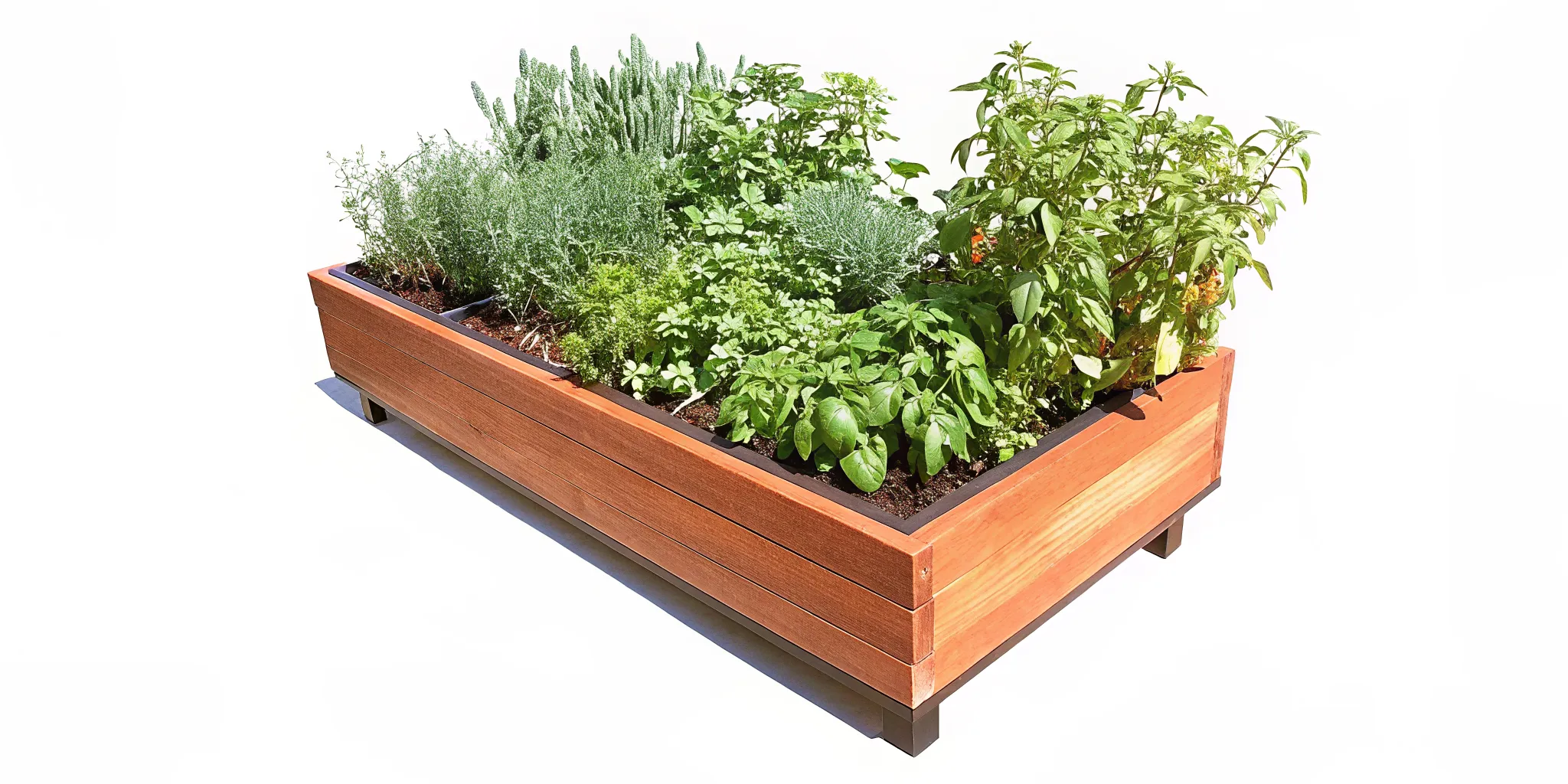
Choosing the right base for your patio garden is a big part of your vegetable garden layout. Most people pick between high boxes on legs or low beds that sit on the deck. Both work well for small spots, but they do other things. High boxes, also called elevated planters, are great if you want to save your back. Low beds give plants more room for deep roots and hold water better in the sun.
Comfort and Ease of Use
High garden boxes bring the dirt up to your waist. This setup lets you work on your plants without bending low or kneeling. If you have back or joint pain, this choice makes your work much more fun. You can design your own garden layout with these high boxes to fit your space. They are easy to move if you want to change your patio look.
Low raised beds sit right on your patio or the ground. They often cost less and can hold more dirt. But you will have to bend and reach more to care for them. Many people find that high boxes are best for herbs and salad greens that you pick every day. If you want to grow a lot of food in a small spot, you should look at small-space vegetable garden layout plans to help you out.
Soil and Plant Health
The depth of your dirt changes what you can grow. High boxes have a floor, which stops roots from going deep. These are best for small crops like lettuce or kale. Low beds have deep frames that allow for a bigger vegetable garden layout. You can grow crops like tall tomatoes, peppers, or long carrots in these beds with ease. Deep soil helps these plants stay strong and healthy.
Dirt in high boxes can dry out fast because air flows under the bed. You will need to water these plants more often to keep them from wilting. Low beds stay cool and damp for a longer time. The University of Minnesota Extension notes that raised beds warm up fast in the spring. This helps you get a head start on your garden before the ground is ready. Proper water flow is also key so your plants do not sit in soggy dirt.
Durable Patio Choices
When you pick your boards, think about how long they will last. Many wood beds rot after a few years of rain and sun. Frame It All uses tough boards made from a mix of wood fiber and plastic. These boards do not rot, warp, or break down over time. They look like real wood but stay strong for many years. This is a smart choice for any outdoor space that gets a lot of wet weather.
Using these boards makes it simple to set up your garden. You can snap the parts together using the Snap-Lock system without any tools. This makes it easy to build your vegetable garden layout in just one day. You can start with one bed and add more as you get better at growing your own food. These modular beds let you change your plan as your patio needs change.
What Is the Best Way to Layout a Small Vegetable Garden?
To layout a small vegetable garden, group crops by height and sunlight needs in blocks rather than traditional rows. Place the tallest structures on the north side, use a narrow bed width of four feet for ease of reach, and choose high-yield patio varieties.
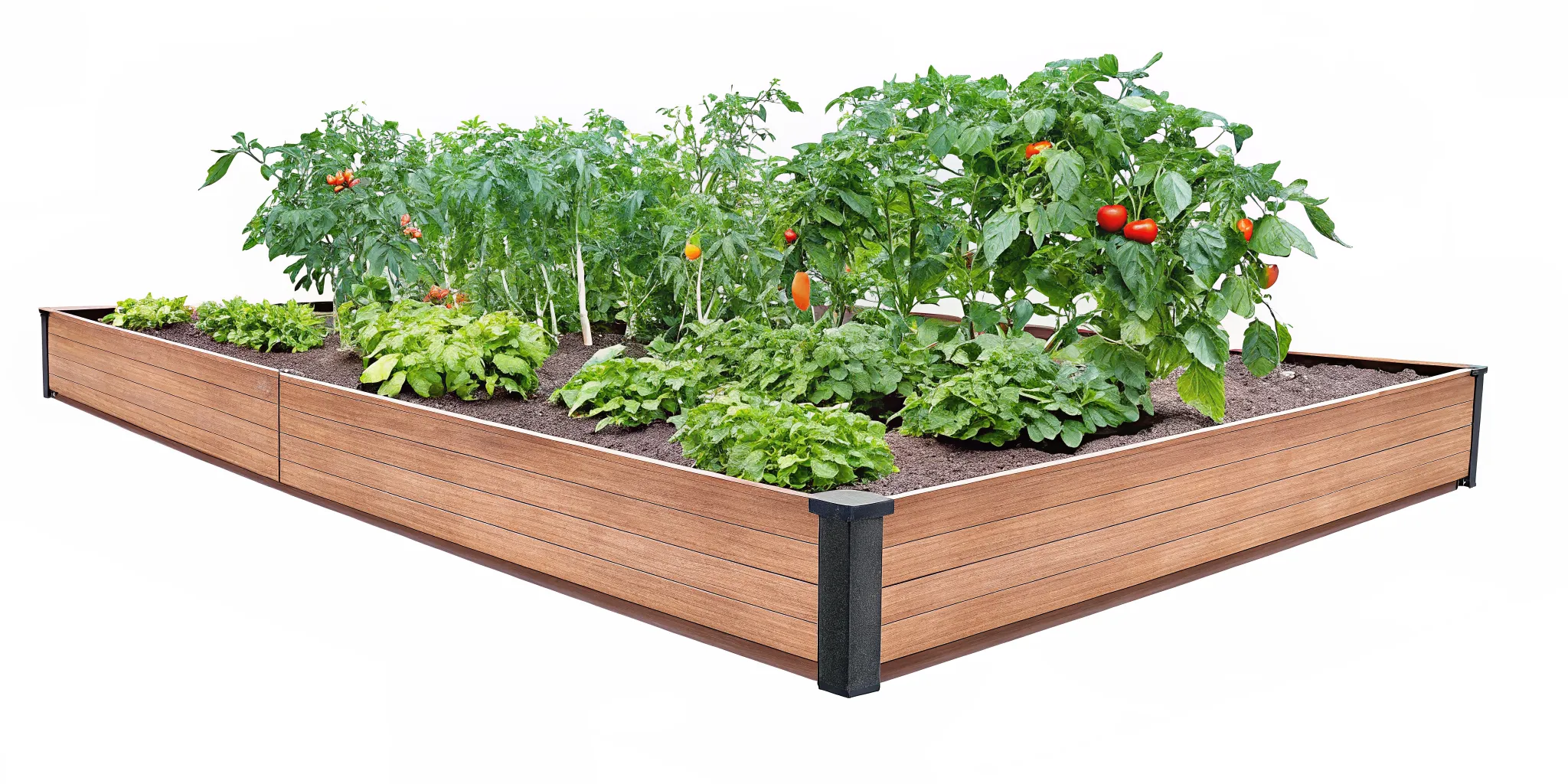
The best way to set up a small garden is to focus on how you use your space. A smart vegetable garden layout helps you grow more food in less room. You should move away from long rows and use block planting instead. This method keeps your plants close and cuts down on empty space where weeds can grow. It also makes it easy to reach every plant without stepping on your soil.
Maximize yield with block planting
Block planting is a top choice for small areas. By grouping plants in blocks or beds, you use almost all your soil for growing. You can use small-space vegetable garden layout strategies like square-foot gardening to plan your crops. This system splits your bed into one-foot squares. It lets you know exactly how many plants fit in each spot, which helps you get the most out of your raised garden beds.
Keeping your beds narrow is also a smart move. Experts suggest that you limit bed width to four or five feet. This allows you to reach the center from either side. It keeps you from stepping on the soil, which can harm plant roots. According to the University of Minnesota Extension, this practice prevents soil packing and keeps your garden healthy.
Track the sun for better growth
Sunlight is the most vital part of your garden plan. Most vegetables need at least eight hours of full sun each day to grow well. When you plan your vegetable garden layout, think about where the sun moves. Place your tallest plants on the north or west side of your bed. This keeps them from casting shade on your smaller crops during the day.
Tall crops like corn or pole beans can block the sun if you put them in the wrong spot. Place low-growing greens, such as lettuce or spinach, on the south side. This simple step ensures every plant gets the light it needs. Research shows that full sunlight supports healthy growth and leads to a bigger harvest at the end of the season.
Choose compact and high-yield plants
For a small garden, you need the right types of plants. Look for "bush" or "patio" varieties of your favorite crops. These are bred to stay small but still produce plenty of food. Bush beans and patio tomatoes are great examples. They don't take up much room but offer a high yield. This makes them a perfect fit for corner vegetable garden bed layouts.
You can also grow leafy greens to fill in small gaps. Crops like kale and Swiss chard grow up rather than out. This saves space and keeps your garden looking full. Using these compact plants helps you avoid a crowded look. It also makes it easier to spot and fix any pest issues before they spread to your whole garden.
Maximizing Yield with Vertical Growing Layouts
Adding height to your vegetable garden layout is a smart way to get more food from less space. When you grow plants up instead of out, you save ground for other crops. This method works well in small yards or on patios. Using vertical tools like trellises and nets lets you turn empty air into a lush, green wall of food.
Best Crops for Vertical Growth
Many common vegetables love to climb. Pole beans and peas have small tendrils that wrap around thin wire or mesh. Larger plants like cucumbers and summer squash can also grow up if you give them a sturdy frame.
Growing these crops off the ground keeps them away from pests and soil rot. It also makes picking your food much easier since you do not have to bend down as much. High-yield gardening does not need a big farm when you use air space.
Some heavy crops, like big winter squash or small melons, might need extra help. You can use soft cloth or mesh slings to support the weight of the fruit as it grows. This keeps the heavy fruit from pulling the vine off the trellis. By using small-space vegetable garden layout strategies, you can fit a large range of food into a tiny area.
Placing Tall Structures for Sun
Where you place your tall frames is key. Most vegetables need at least eight hours of full sun each day. If you put a tall trellis on the south side of your garden, it will cast a long shadow over your low-growing plants. This can slow down the growth of crops like lettuce or greens that need light.
To avoid this problem, place tall structures on the north side of your vegetable garden layout. This keeps the shadow off the rest of the bed. You should also think about using raised garden beds to help the soil warm up faster in the spring. This gives your climbing plants a strong start early in the year.
Saving Space with Vertical Systems
Vertical layouts are a great choice for city gardeners. You can use wall planters or stacked beds to grow herbs and greens on a balcony. These systems are easy to move if you rent your home.
You can also design your own garden layout using modular parts that fit your space. This helps you use every inch of your outdoor area for fresh food. By using trellises and nets, you can grow more food in one season.
Vertical gardening keeps your plants healthy by giving them better air flow. This reduces the risk of leaf problems and keeps your garden looking neat and tidy all year long. Air flow also helps your plants stay dry after a rain.
Choosing the Right Companion Plants for Your Layout
Pairing the right plants in your vegetable garden layout can help you grow more food in less space. This method uses the natural traits of plants to help each other. For example, some plants give shade while others keep soil moist. When you plan your layout, think about how each plant can serve its neighbors. This plan is vital for small patio spots or balconies where every inch of space counts.
Maximize space with shade and support
In a small vegetable garden layout, you can use vertical growth to create shade for smaller crops. Tall plants like trellised tomatoes or corn can block harsh afternoon sun. This shade helps cool-season crops like spinach or lettuce stay fresh. Most vegetables need at least eight hours of sun to grow well and produce fruit. By placing shade-lovers behind tall plants, you can hit this goal without the plants wilting from heat. You can use small-space vegetable garden layout strategies to plan these layers in your bed.
Group crops by water and soil needs
It is best to group plants that have similar needs for water and food. Plants like peppers and tomatoes enjoy warm soil and steady moisture. Other plants may prefer drier spots. Proper plant spacing is also key to prevent pests and keep air moving around each plant. You should also check your soil before you plant to find out what nutrients it may need such as nitrogen or phosphorous. This helps you give every crop the right start.
Strategic layout for long term success
If you have limited space, using a grid can help you optimize your number of plants per square foot. You may also want to use perennial plants which stay in one spot for many seasons. Placing these along the edges of your garden layout keeps them out of the way of your annual crops. If you are not sure how to start, you can design your own garden layout using online tools to see how your plants will fit together.
Frequently Asked Questions
What is the 70/30 rule in gardening?
The 70/30 rule is a simple guide for garden design. It says that 70% of your plants should be long-term ones that stay all year. The other 30% should be plants that you change each season, like crops. This mix keeps your yard looking good even in the winter. In a small space, you can use raised beds to help you follow this rule. This way, your garden stays neat and provides fresh food all summer long.
Which vegetables should not be planted together?
Some plants do not grow well when they are close to each other. For example, you should not plant onions near beans or peas because they can slow their growth. You should also keep tomatoes and potatoes apart to stop the spread of plant sickness. A good vegetable garden layout keeps these plants in other beds. This helps your crops stay strong and healthy. Using blocks makes it easier to plan where each type of plant should go.
How do you layout a patio vegetable garden for small spaces?
To plan a patio garden, use modular beds that fit your small space. These kits use a tool-free setup to build a custom layout fast. According to the University of Minnesota Extension, raised beds warm up faster in the spring. This helps your food plants get a head start. Use frames to grow climbing plants like peas. This saves floor space on your deck and helps you grow more food in a tight area.
What is the 80/20 rule in gardening?
The 80/20 rule says that a small number of your plants will give you most of your food. In most gardens, 20% of the plants produce 80% of the harvest. When you plan a small vegetable garden layout, you should pick high-yield crops like tomatoes and herbs. These plants give you a lot of food for the space they take up. This focus helps you get the most out of a small patio or balcony garden each year.
Ready to build a smart garden layout on your patio?
Putting off your garden work means one more year of missed crops and an empty patio where nothing grows yet. Waiting too long costs you the chance to pick fresh and healthy food right outside your own back door now. Starting your small space plan now helps you grow fresh greens and herbs in only a few weeks. You can avoid the mess of soil and rot by using our garden builder tool to plan your own space.
Ready to get started? Explore our modular raised garden beds to find a kit that fits your small space well. Request your kit today to start growing your own good healthy food.