

A few chewed leaves do not mean your vegetable garden needs a chemical spray. A safer response starts with finding the pest, protecting healthy plants, and choosing the least disruptive fix. With a prevention-first plan, you can protect your harvest while leaving room for pollinators and other helpful garden life.
Shop animal barrier gardens to protect vegetables and herbs before pests reach them.
Organic garden pest control combines prevention, regular monitoring, physical barriers, and targeted non-toxic responses. The goal is not to remove every insect. It is to keep damage low enough for vegetables and herbs to thrive. Healthy soil, crop rotation, row covers, animal barriers, hand-picking, and careful pest identification all support that goal.
The right response depends on what is causing the damage. Start by understanding the system, then build layers of protection that fit your garden.
What is organic garden pest control?
Organic garden pest control is a method that focuses on the long-term health of your plants and soil. It is a way to stop pests without using harsh sprays that can hurt the air or water. This system is often called Integrated Pest Management, or IPM. It combines many tools to keep bugs and animals away while keeping the garden safe for people and pets. Instead of killing every bug, you create a space where nature does the work for you.
Building a healthy garden ecosystem
The best way to stop pests is to have a garden that can fight back. This starts with the soil. A rich soil full of good microbes helps plants grow thick stems and strong leaves. It can take about three years to build a healthy soil biome if you are switching from chemical tools. You should also mix different types of plants together. If you only plant one crop in a bed, a single bug outbreak could kill everything. Planting herbs like basil or thyme can attract good bugs that eat the bad ones.
Companion planting is another top tool for organic care. You can place marigolds between your rows of vegetables. These flowers act as a natural guard against many pests. Onions and garlic are also great to add to your beds. Their strong smell can deter insects and even rodents from exploring your space. Choosing to manage pests in modular beds helps you build a space that pests find hard to attack.
Monitoring and naming your pests
You must check your plants often to see what is happening in the garden. This is called monitoring. Integrated Pest Management (IPM) teaches that finding the exact pest is the most vital step. You need to know if the bug you see is a friend or a foe. For example, ladybugs are helpful because they eat aphids and whiteflies. If you see a few holes in a leaf, do not panic. You should set an action threshold, which is a point where the damage is high enough to need a fix. Accepting a small amount of damage keeps your garden natural and saves you work.
Using physical barriers and tools
Physical tools are a smart way to block pests without any toxins. Fences and mesh covers can stop many animals from reaching your food. At Frame It All, we make animal barrier systems that fit right into our modular joints. These systems leave no gaps for rabbits or deer to get through. You can also use underground pest barriers to stop burrowing pests from eating your root crops. Using these tools helps you avoid chemical sprays that can be lethal to bees and other pollinators.
If you must use a spray, choose organic options like neem oil or Spinosad. You can mix one or two tablespoons of neem oil with a gallon of water to treat your plants. Use these sprays only as a last resort and follow the rules on the label. This keeps your garden strong while protecting the world around you. By choosing a path of long-term care, you can enjoy a lush garden that is safe for years to come.
Build a prevention-first garden plan
In short: Prevent pests by strengthening plants, rotating crops, removing hiding places, and checking the garden before damage spreads.
Prevention is the best way to keep your garden safe. Instead of waiting for bugs to arrive, you can stop them before they start. This method is called Integrated Pest Management (IPM). It uses nature to protect your plants and keeps your food safe to eat. By planning ahead, you reduce the need for sprays and save time. This approach is also good for your wallet. It focuses on taking action only when it is truly needed. A well-planned garden is the first line of defense for any organic grower.
Focus on soil health
Healthy soil is the base of a strong garden. Plants that grow in rich soil can fight off pests on their own. It takes time to build a good soil biome. It can take about three years to see the full results of your work. You can start by adding compost and avoiding harsh chemicals. Using manage pests in modular beds helps you control the soil quality from the start. A healthy soil ecosystem is a key part of natural pest control. Rich soil holds water better and gives your crops the energy they need to stay strong against stress.
Use diverse plant layouts
If you only plant one type of crop, you risk losing everything. A single pest could eat your entire harvest if an outbreak occurs. To avoid this, mix different plants together. This is called companion planting. You can add marigolds or herbs like lavender and thyme. These plants look nice and help keep bugs away. Onions and garlic can also deter rodents and insects with their strong scent. Flowering herbs like basil and mint attract bees to your yard. These insects create a balanced space that is more tough to pests.
Inspect and identify pests
Knowing your bugs is a vital part of your plan. You should check your plants twice a week to look for signs of damage. Check under the leaves and near the stems. If you find a bug, try to name it correctly. Not all bugs are bad. Some insects eat the pests that harm your plants. Once you name the pest, you can set a limit for action. You do not need to spray for just one or two bugs. Only take action when the pest numbers grow too large. This keeps your garden ecosystem in balance.
Follow these steps to create your prevention plan:
- Inspect your plants often to catch small problems early.
- Name the bugs you find to see if they are friends or foes.
- Set an action limit so you only use controls when needed.
- Place underground pest barriers to block burrowing animals from reaching roots.
- Plant flowers and herbs to attract bugs that eat garden pests.
- Rotate where you plant each crop to stop pests from living in the soil.
- Keep your tools clean and clear away old plant debris each season.
Use barriers to stop pests before they feed
In short: Physical barriers provide immediate, non-toxic protection by separating vegetables and herbs from insects, rabbits, deer, and burrowing pests.
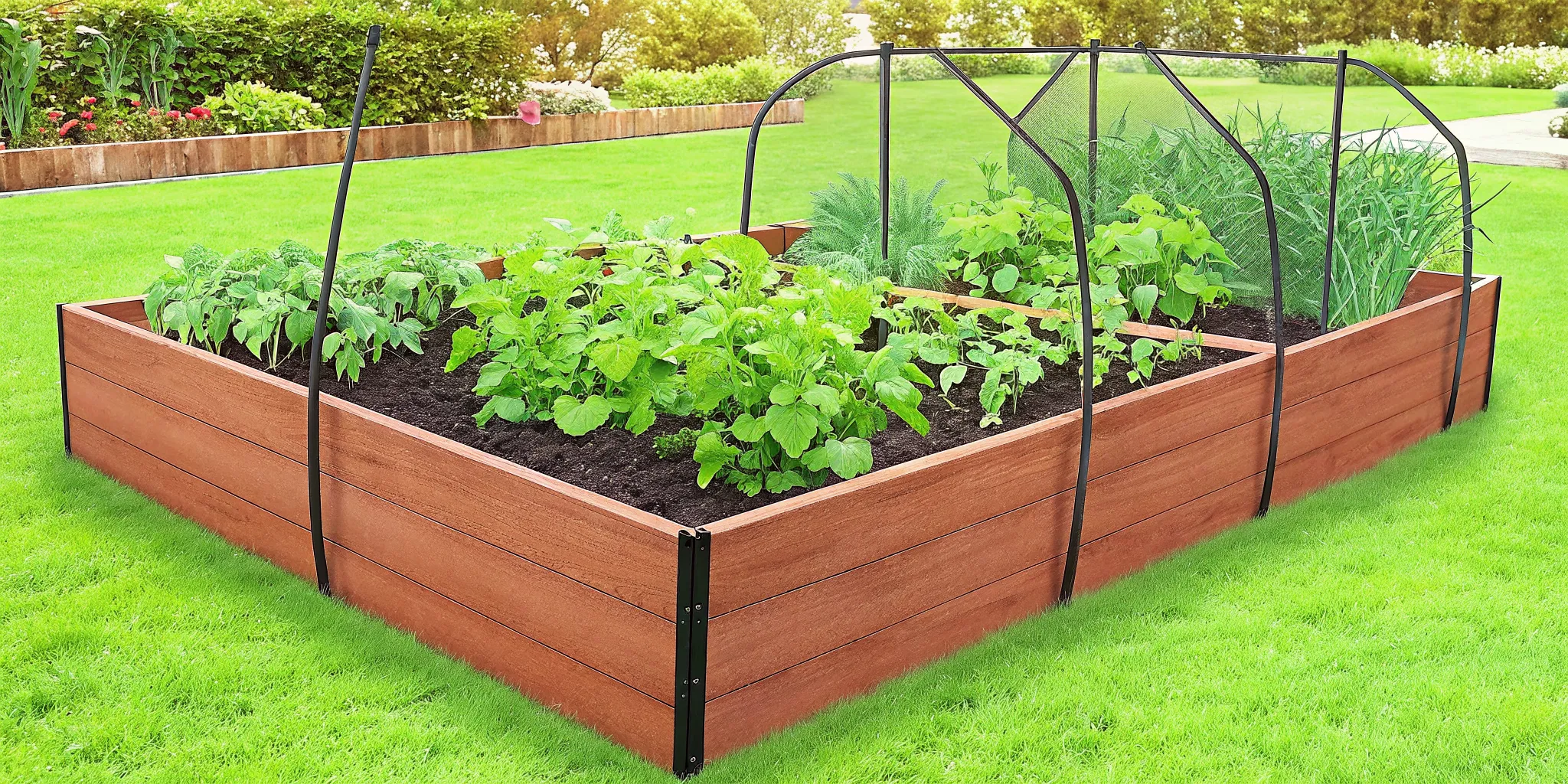
Solid walls are a key part of organic garden pest control. These tools create a wall between your plants and the pests that want to eat them. This way is often called mechanical control. It is part of Integrated Pest Management (IPM). IPM is a plan that uses safe ways to stop pests while protecting nature. Using walls helps you grow food without harsh sprays. It also helps keep your garden healthy and full.
Simple covers for small insects
Row covers and netting can stop small bugs from ever touching your crops. These light cloths let in sun and water but block pests like beetles and moths. You can drape them over metal hoops or wood frames. This keeps the cloth from weighing down soft leaves. It is a simple way to protect young plants when they are at risk. Many growers use this for greens like kale and spinach.
You can also use collars around the base of stems. These small plastic or cardboard rings stop cutworms from chewing through young stalks. For the best results, push the collar an inch into the soil. This stops pests from crawling under the edge. These small steps make it much easier to keep pests out of your garden. They save you time and help your plants grow through the year.
Secure fencing for larger animals
Larger pests like rabbits and deer need stronger walls. A simple fence can keep these animals from reaching your crops. Frame It All offers Animal Barrier Garden Beds that are built for this task. These walls snap directly into the garden joints. This design leaves no gaps where small animals might squeeze through. It gives a safe space for your crops to grow without being eaten.
The Snap-Lock system makes it easy to add these guards to your garden. You do not need special tools to set them up. This kit design also lets you change the height of the fence as needed. You can use a fence to stop everything from pets to wild animals. Strong fences reduce stress for the gardener and protect your time outside. They are a smart choice for any long-term garden plan.
- Use tall netting for climbing pests like deer.
- Install mesh with small holes to block birds and squirrels.
- Check the base of fences for signs of digging.
- Keep gates closed even when you are nearby.
Underground walls for burrowing pests
Pests do not just come from the air or the ground. Some pests, like moles and voles, attack from beneath the soil. These animals can chew on roots and kill a healthy plant in days. To stop them, you can install underground pest barriers. These are often made of wire cloth or heavy mesh. You place them at the bottom of your raised bed before you add soil.
This mesh allows water to drain but stops animals from digging up. It is a vital step for root crops like carrots and potatoes. The U.S. Fish and Wildlife Service says that non-chemical tools are safer for the land. They protect your plants without harming the soil or nearby water. A good wall plan makes your garden a safe place for both plants and people. It ensures your hard work leads to a great crop every year.
How do you monitor garden pests effectively?
In short: Inspect leaves, stems, soil, and barriers at least weekly, identify the pest, record damage, and act only when the problem crosses your chosen threshold.
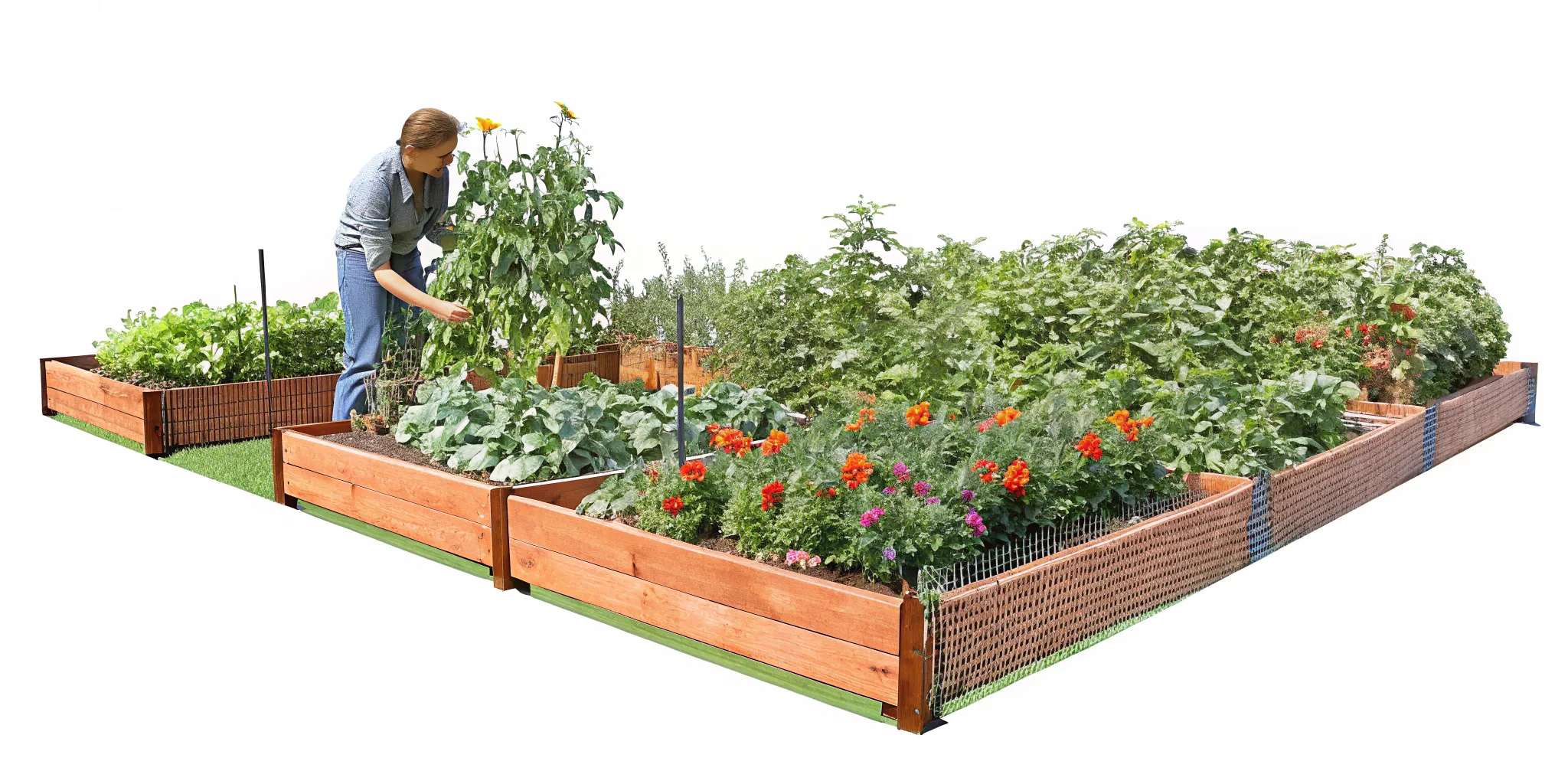
Good organic garden pest control starts with a watchful eye. Many people wait until their plants are dying before they look for bugs. By then, it may be too late to save the crop without harsh sprays. Watching your plants lets you find pests when they are few and easy to handle. This early path is part of Integrated Pest Management (IPM). IPM is a way to manage your garden that is safe for the soil and your family.
How often should you scout?
You should walk through your garden at least once or twice every week. The best time to scout is in the early morning or at dusk when many bugs are active. Look at the new growth on your plants first. Pests love tender, young leaves. Be sure to flip leaves over to check the bottoms. Many pests hide their eggs or stay out of the sun there.
During your walk, look for more than just bugs. Check for "frass," which is the waste that insects leave behind. Look for "honeydew," a sticky sap that aphids make. These signs tell you a pest is near even if you do not see it. If you manage pests in modular beds, your work is easier. The raised height lets you see every leaf without straining your back.
How do you identify damage?
Not every bug you see is a threat. In fact, many bugs are good ones that eat the pests for you. Ladybugs and lacewings are great allies in your garden. You must learn to tell the difference between a friend and a foe. Knowing what you are looking at is a big step in pest control.
Look for patterns in the damage. Ragged holes often come from slugs or snails. Tiny yellow spots on leaves might be from spider mites. If your plants start to wilt even when the soil is wet, you may have root issues. Burrowing pests like voles can eat roots from below the soil. In these cases, you might need to install underground pest barriers to protect your hard work.
When should you take action?
You do not need to kill every bug in your garden. A healthy garden can support a few pests without losing its strength. An "action threshold" is the point where you decide you must act. For example, if you see one aphid on a tomato plant, you can probably wait. If you see ten aphids on every leaf, it is time to step in.
Setting these limits keeps you from using too many sprays or treatments. This protects pollinators and local wildlife that help your garden grow. When the limit is hit, choose the safest fix first. This could be a blast of water from a hose or a spray of neem oil. You can also use tall fences to keep out larger pests like rabbits. Keep a simple log of what you find and when you act. This helps you spot trends and plan for a better garden next year.
Match the non-toxic response to the pest
In short: Identify the pest first, then use the narrowest effective response, from hand-picking and water sprays to barriers and carefully labeled organic treatments.
Explore raised garden beds with fencing for a durable layer of non-toxic protection.
Safe garden care starts with a smart plan. You do not need harsh sprays to keep your plants healthy. Instead, you can use organic garden pest control to stop bugs and animals. This path focuses on long-term health rather than quick fixes.
Using a linked pest control plan helps you manage your beds in a way that is good for the land. It keeps your soil rich and your food clean for your family to eat. A smart plan saves you time and keeps your yard safe.
Look for signs of trouble
The first step is to watch your garden every day. You must find and name each pest before you act. Look for holes in leaves or wilting stems. Check under the leaves for small eggs or sticky spots.
Some bugs only come out at night, so you may need a light to find them. Knowing the life cycle of a bug helps you pick the right time to stop it. This careful eye keeps you ahead of any large problems.
Good bugs also live in your soil and help your garden thrive. You do not want to harm them while you fight the pests. Ladybugs and bees help your plants grow and stay strong. These helpful guests are your best allies in a green yard.
Finding the source of the harm is the best way to keep these friends safe. A balanced garden will often fix its own bug problems over time. Most healthy yards have a mix of life that keeps everything in check.
Know when to step in
You do not need to fight every bug you see. Many plants can handle a few nibbles without dying. You should set a point where you feel you must step in. This point is your action limit.
If the harm is small, you might just wait and watch. This allows helpful birds and bugs to do the work for you. It also gives your soil time to build a strong base of health. A strong base is the key to a long-lasting garden.
Using a limit helps you save time and money in the long run. It keeps you from using tools that your garden does not need yet. Building a healthy soil biome can take about three years to set up.
During this time, your plants will get better at fighting off threats on their own. When the pest count gets too high, you can then pick the best tool for the job. This method keeps your garden in a natural balance.
Match tools to the threat
Each pest needs a specific response to keep it away. Small bugs like aphids often need a light oil or soap. You can also bring in bugs that eat the pests. For larger pests like rabbits, you may need a physical wall.
You can fence your garden beds to keep hungry animals out of your greens. These fences act as a firm line of defense for your yard. They are easy to set up and last for many years.
Barrier systems are a great way to stop pests without using toxic sprays. These walls fit into your garden joints to leave no gaps for small pests. You can also use underground pest barriers for gophers or moles.
The modular snap-lock system lets you build the exact wall you need. You can stack and extend your beds to create a safe zone for your crops. This custom setup keeps your roots safe while letting the rest of the soil stay healthy.
| Criteria | Small Garden Pests | Large Garden Pests |
|---|---|---|
| Signs to Watch | Holes in leaves and eggs | Chewed stems and mounds |
| First Response | Neem oil or soap spray | Short mesh or wire fence |
| Next Step | Release helpful ladybugs | Tall animal barrier kit |
| Best Tool | Spray bottle and oil | Modular fencing system |
Once you match the tool to the pest, you can rest easy. Your garden will stay green without the use of toxic fumes or sprays. This goal is at the heart of organic care for any home.
With the right plan, your yard can be a safe place for both your family and your plants. You will see more growth and less harm as the seasons pass by. A well-kept garden is a joy for years to come.
Reduce pest pressure from season to season
In short: Crop rotation, cleanup, resilient soil, and accurate garden records interrupt pest cycles and make each growing season easier to manage.
To keep your yard healthy, you must look at the big picture. Instead of using quick fixes, focus on long-term organic garden pest control that builds over time. This way of working is known as Integrated Pest Management (IPM). It uses many small steps to stop bugs before they become a big problem.
Use crop rotation and mixed planting
If you plant the same thing in the same spot every year, bugs will find it easily. Rotating your crops helps break the life cycle of pests that live in the soil. Planting many different types of vegetables also keeps bugs from taking over a whole bed. If you only grow one type of plant, you risk losing all of them to a single bug or fungus.
You can also use companion planting to help your crops stay safe. Adding herbs like lavender, thyme, and basil can draw in good bugs that eat the bad ones. Other plants, like marigolds, can act as a natural first line of defense against many common garden pests. The smell of onions and garlic can also keep rodents and some insects away.
Set up physical barriers
Sometimes the best way to stop a pest is to block its path. Fences and nets can keep larger animals like deer and rabbits from eating your harvest. You can fence your garden beds to add a strong layer of safety. These tools help you keep your plants safe without needing to use harsh sprays or traps.
For pests that live in the dirt, you may need a different plan. Burrowing animals like voles can eat root crops from below. Installing underground pest barriers at the base of your bed keeps these animals out. By combining these parts, you can manage pests in modular beds with very little work.
Build a healthy ecosystem
A strong garden starts with good soil. It can take about three years to build a healthy soil biome from scratch. During this time, you should watch your plants closely to find bugs early. Finding and naming pests is the first and most important step in keeping them under control.
You can also help the good bugs that already live in your yard. Ladybugs are great because they eat aphids and whiteflies. Giving these good insects a place to live helps keep your yard in balance. A balanced garden is much more resilient and needs far less help from you to stay healthy.
When should you escalate pest control?
In short: Escalate only after accurate identification and when damage keeps increasing despite prevention, removal, and barrier-based controls.
Many new gardeners think they must spray their plants as soon as they see a bug. But organic garden pest control is about much more than just quick kills. It starts with building a healthy space where plants can grow strong. You should only use stronger tools when a pest problem gets too big to ignore. Taking small, smart steps first helps keep your yard safe for your family and pets. It also protects good bugs like bees that help your garden thrive.
Set action thresholds
An action threshold is a set point where you must act to save your plants. Seeing a few aphids on a leaf does not always mean you have a crisis. You should check your garden often to see if the pest count is going up or down. This helps you know if your plants are in real danger.
A set action threshold tells you when a pest group is large enough to cause real harm. If the damage is low, it is often better to let nature find a balance. Many times, helpful bugs like ladybugs will arrive to eat the pests for you. This saves you time and keeps your plants clean.
Use the safest controls
If you do decide to act, you should start with the safest and most simple ways. You can try many safe steps to stop pests before you use a spray:
- Pick off large bugs by hand and drop them in soapy water.
- Use a strong stream of water from a hose to knock off small pests.
- Put up bird houses to attract birds that eat pest insects.
- Use underground pest barriers to keep moles out of your roots.
If these steps are not enough, you can try organic sprays like neem oil. These tools work well but you must follow all label directions. When you use a spray, focus only on the plants that have a problem. This is called spot treatment. You should also spray in the late evening when bees are not active. This helps protect your local pollinators from the spray.
Find local expert help
A pest problem can sometimes feel too big to handle by yourself. You may find a bug you cannot name or see new types of damage on your leaves. In these moments, it is wise to seek expert tips before you try harsh tools. Your local school extension office can give you great help for your exact area. They can help you find out which bugs are active in your soil right now. This knowledge helps you manage pests in modular beds without using dangerous sprays.
Frequently Asked Questions
How do I get rid of bugs in my garden organically?
To remove pests without toxic sprays, you can start by picking larger insects like beetles by hand. Using strong sprays of water from a hose can also knock off smaller bugs like aphids. For a longer fix, invite helpful insects such as ladybugs into your garden. These natural hunters help keep pest levels low. According to the U.S. Fish and Wildlife Service, ladybugs are great at controlling aphids and whiteflies.
How can companion planting deter pests organically?
Companion planting means placing certain plants together to protect your crops. For example, growing marigolds near vegetables acts as a shield against many pests. Onions and garlic are also good choices because their strong scent keeps rodents and insects away. This method creates a natural barrier that does not rely on toxic sprays. It is a simple way to keep your herb and vegetable gardens healthy while using the natural power of plants to help them.
What is the best natural pest control for gardens?
The best natural way to stop pests is a method called Integrated Pest Management (IPM). This plan focuses on stopping problems before they start. You can do this by checking your plants often and using physical barriers like mesh or fencing. Finding which pest is the problem is key to choosing the right fix. According to University of Arizona experts, regular checking is the most important step in good organic pest management.
How do you manage pests in a vegetable garden?
Managing a vegetable garden takes a mix of good habits and physical tools. Changing where you plant your crops each year stops pests from living in the soil. Using raised beds with built-in animal barriers also keeps larger pests like rabbits away from your plants. These steps mean you need fewer sprays and help keep your food safe. Checking your plants often and pulling out weak ones will help you grow a healthy garden all season long.
Ready to protect your next harvest?
A well-planned barrier can protect vegetables and herbs before hungry animals reach them. Frame It All animal barrier gardens pair durable raised beds with modular protection that is easy to add to your outdoor space.
Ready to build? Explore animal barrier gardens and choose a setup that fits your growing plans.