

By midsummer, one cucumber vine can turn an orderly raised bed into a tangle that shades lettuce, hides fruit, and blocks the path. A garden bed with trellis prevents that problem by giving climbing crops a defined vertical lane. The right support is not simply decorative: it must match the plant's climbing habit, mature weight, and wind exposure. Use a light mesh for peas, a sturdier anchored frame for pole beans and cucumbers, and strong ties plus a rigid frame for indeterminate tomatoes. An integrated modular kit is the practical choice when you want reliable anchoring, tool-free setup, and a support system that can change with next season's crop plan.
Shop Frame It All raised garden beds with trellises to pair durable vertical support with an easy-to-assemble modular bed.
Why a garden bed with trellis works so well
A trellised raised bed converts sprawling vine growth into a managed vertical canopy, leaving valuable soil surface open for compact crops. Instead of relying on a fixed promise about how many more plants will fit, plan from each crop's mature footprint. A cucumber trained upward may free enough bed edge for a row of radishes or lettuce, while a vigorous squash can still cast substantial shade. Frame It All's modular approach makes that planning easier because gardeners can match the bed and vertical support to the available space, then extend the layout later.
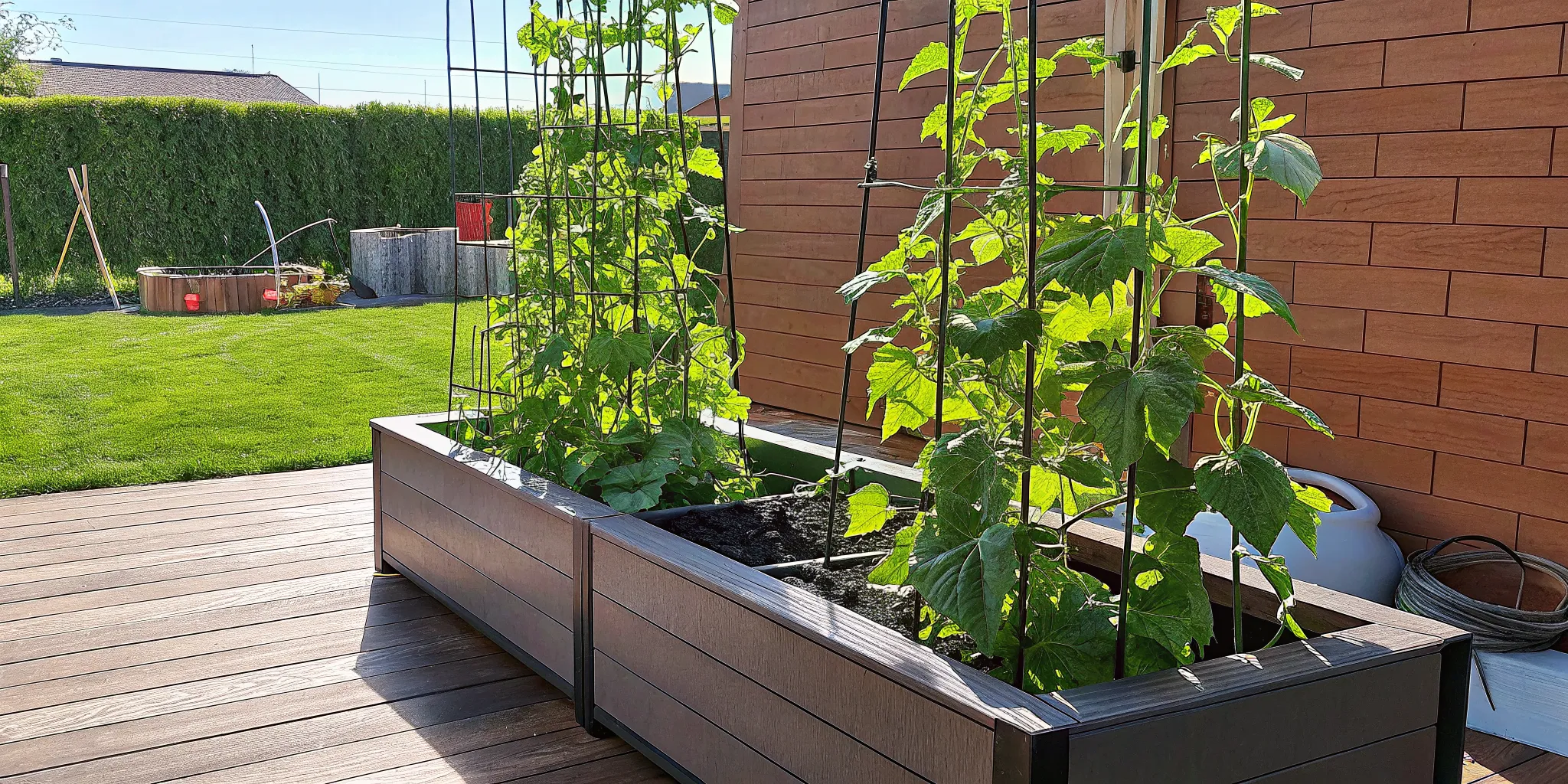
Growing more in small spots
The main gain of a trellis is how it saves space. Many vining plants like cucumbers and peas take up a lot of room on the ground. When they grow flat, they can crowd out other crops. A trellis allows these plants to grow tall instead of wide. This leaves more soil open for small plants like lettuce or herbs. By growing up, you can fit two or three times more plants in the same area.
This upright way is perfect for urban homes. You do not need a large farm to grow a lot of food. Experts from K-State Research and Extension say that vertical growth is the best way to fill a small garden. Even a small corner can become a lush green wall. This makes your garden look full and rich without feeling messy.
Better health for your plants
Plants are often healthier when they grow off the ground. Soil can hold water and pests that harm leaves and fruit. When plants sit on wet dirt, they are more likely to rot or get sick. A trellis keeps the vines high and dry. This move helps with plant care by keeping the leaves away from dirt and germs. It also keeps your fruit clean and free from mud.
Airflow is another big part of plant health. When leaves are crowded on the ground, air cannot move through them. This damp air leads to mold and fungus. A trellis spreads the leaves out so air can flow freely. Research from the University of Illinois Extension shows that keeping plants off the ground helps stop diseases. Good airflow and more sunlight help the plants grow strong and yield more fruit.
- Higher sunlight reach for all leaves
- Lower risk of pests from the soil and rot
- Reduced mold growth due to better air flow
- Easier spot checks for bugs or damage
Simpler care and picking
Caring for a garden is easier when all things are at eye level. You do not have to bend down to pull weeds or check for pests. This makes gardening better for your back and knees. You can see the stems and leaves well, which helps you find problems early. It is also easier to prune your plants when they are spread across a sturdy veggie wall trellis.
Picking is also faster and more fun. In a flat garden, fruit can hide under large leaves. You might miss a ripe cucumber until it gets too big and bitter. With a trellis, the fruit hangs down and is easy to spot. You can pick your crops without digging through a tangled mess of vines. This neat growth makes your daily garden tasks quick and simple.
Which plants need a trellis?
Growing plants on a trellis helps save space in your yard. It keeps fruit off the ground and improves air flow around the leaves. This reduces the risk of rot and pests. A modular raised garden bed options is a smart choice for many liked crops. Upright gardening lets you grow more food in a small space while keeping your garden neat and tidy.
Vining crops for small spaces
Many vine crops can take up a lot of room in a flat garden. Cucumbers, squash, and small melons are great choices for upright support. When these plants grow up instead of out, they leave more space for other herbs or greens. Small fruits weighing up to three pounds work best on a mesh support. This includes most cucumbers and small winter squash kinds. The University of Minnesota Extension notes that growing these crops on a trellis leads to cleaner fruit and straighter shapes.
You can train vining squash and melons by gently weaving the stems through the trellis mesh as they grow. For larger fruits, you might need to use a small mesh bag or sling to hold the weight. Most vines will grow strong enough to hold their own fruit as they get heavier. Using a trellis helps you spot ripe produce much faster during harvest time. It also keeps your fruit away from slugs and soil rot that can ruin your crop.
Legumes and vining flowers
Peas and pole beans are born to climb. They use small tendrils to grab onto wire or mesh as they reach for the sun. Snap peas and snow peas grow well on a light trellis or a simple string setup. Pole beans need a more sturdy structure since they can grow tall by mid-summer. These plants fix nitrogen in the soil, which helps other plants in the same bed grow better. This makes them a great partner for leafy greens or root crops.
Flowering climbers also add beauty to your garden bed. Plants like morning glories, sweet peas, and clematis will quickly cover a trellis with color. These flowers attract bees and butterflies to your yard. This helps with the pollination of your food crops. An upright flower wall also acts as a natural screen for privacy in your outdoor space. It turns a simple garden into a lush and private retreat for you and your family.
Indeterminate tomatoes
Tomatoes come in two main types: determinate and indeterminate. Determinate types grow to a set size and then stop. Indeterminate types are vining plants that keep growing all season long. These vining tomatoes can reach heights of six feet or more. Without support, they will sprawl on the dirt. This makes them a target for pests and causes the leaves to rot in wet weather.
Staking or caging these plants keeps the heavy fruit away from the soil. This prevents rot and makes it easier to prune the vines for better growth. You should start tying the main stem to the trellis when the plant is about a foot tall. This sets a strong base for the rest of the growing season. Regular pruning and support help the plant put more strength into growing large, juicy tomatoes.
How vertical support saves garden space
Adding height to your garden is a top way to get more from a small patch of land. Many crops sprawl across the dirt and take up room that could hold other plants. When you use a garden bed with trellis, you turn that flat growth into upward gain. This shift lets you grow more food and flowers in the same amount of space. It is a smart move for any home grower who wants to make every inch count.
More crops in less space
Old gardens often waste space because plants like squash crawl along the ground. A single vine can cover six feet of soil quite fast. By training these plants to grow up a frame, you free up that ground for small crops. You can plant herbs in the shade under the tall vines. This method helps you grow two or three times as much food without making your garden size any larger. It makes the most of every square foot you have.
Most city yards do not have room for a big farm. Using tall tools lets you grow more in a way that fits your life. You can place your beds along a fence or wall. This keeps the center of your yard open for kids or pets to play. It also makes your garden look neat. Instead of a messy patch of vines, you have a green wall that grows straight up. It turns a small deck or patio into a lush food source.
| Support Type | Space Saved | Best Plants | Cost |
|---|---|---|---|
| Mesh Trellis | Very High | Peas and Beans | Low |
| Ground Path | None | Melons | Zero |
| Wood Stakes | Low | Peppers | Low |
| Wire Cages | Medium | Tomatoes | Low |
| A-Frame | High | Cucumbers | Medium |
Better air and more light
Plants that grow up a frame get much more sun than those on the ground. When a plant sits on the dirt, the low leaves often stay in the dark. This can slow down growth and lead to less fruit. Lifting the vines makes sure that every leaf can reach the sun. This boost in energy leads to fast growth and big crops. It is one of the easiest ways to help your garden do well.
Air flow is also a big plus for tall gardens. When plants bunch up on the ground, wet air stays trapped between the leaves. This damp air helps mold and rot grow. University studies show that lifting plants off the soil lowers disease risks a lot. Good air movement keeps the leaves dry and the stems strong. This means you spend less time fighting bugs and more time picking fresh food.
Easier care and fast picking
A tall garden is much easier on your body. You do not have to bend down or crawl on the dirt to find your crops. Instead, the fruit hangs at eye level. This makes it simple to spot ripe food before it goes bad. It also saves your back and knees from the strain of old garden work. For many people, this is the main reason to switch to a garden bed with trellis system. It makes the hobby fun and pain-free.
Caring for your plants also becomes simple. Since your plants are in a neat row, you can see where the water needs to go. You can also mulch the base of your plants to keep the soil wet. If you want to start, look at our raised garden beds that work with snap-on frames. This setup keeps everything tidy and easy to reach. You can spend more time enjoying the view and less time doing hard chores.
Where should you place a trellis in a raised bed?
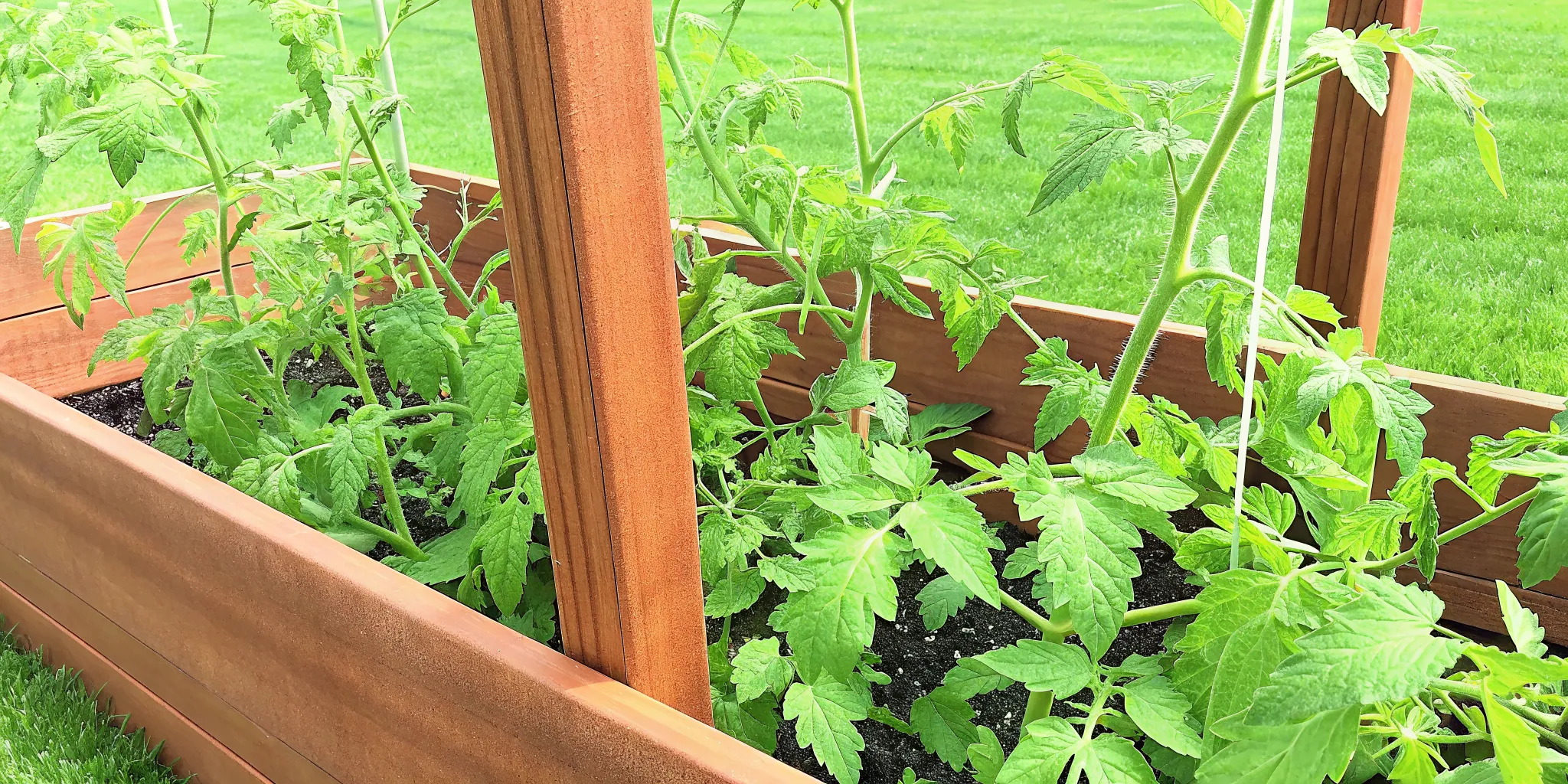
The best spot for your trellis depends on how you want to manage light and space. Proper placement keeps your vined crops healthy while making sure they do not rob sunlight from smaller plants. You must also consider the weight of your crops and the force of the wind. A sturdy raised bed systems for vertical growing setup works best when you plan for these factors before you plant your seeds.
Manage light and shade
In most gardens, the sun stays in the southern sky. This means a tall trellis will cast a long shadow toward the north. If you place a trellis on the south side of your bed, it will shade the plants behind it. While this might help cool-season crops like lettuce in the heat of summer, most vegetables need full sun. To keep your whole bed bright, place the trellis on the north edge. This allows the sun to reach every corner of your bed without blocks.
Plan for wind and weight
Vined plants can get very heavy once they start to fruit. A wall of cucumber vines or heavy tomatoes acts like a sail when the wind blows. You should place your trellis where it can use the bed frame for support or face into the wind to avoid tipping. Sturdy frames made of composite or metal can help anchor the structure. You can find tips on building these strong bases through the University of Nebraska-Lincoln Extension guides on intensive gardening.
Follow these steps to find the best spot for your vertical garden support:
- Check the sun path in your yard to find which side of the bed faces north.
- Place your trellis on the north side of the bed to prevent it from shading other plants.
- Ensure you can reach both sides of the trellis for easy harvest and pruning.
- Anchor the trellis poles deep into the soil or attach them to the bed frame for stability.
- Leave enough space between the trellis and the bed edge to allow for airflow.
- Plan your crop height so that the tallest vines do not block your view of the rest of the garden.
Good placement also helps with air flow. If you put a trellis too close to a wall or fence, the air can become stagnant. This leads to mold and pests that can harm your plants. By leaving a small gap, you let the breeze move through the leaves. This keeps the vines dry and helps them stay strong all year. You can learn more about plant spacing in the Colorado State University Extension notes on bed layouts.
When should you choose a trellis kit?
Choosing between a trellis kit and a DIY setup often comes down to your time and skill level. A trellis kit is a great choice when you want a system that fits your garden bed well. These kits are made to work with specific bed sizes, so you do not have to worry about loose parts or weak spots. Using an integrated raised-bed support system helps the vertical frame and bed work as one stable structure. This is vital for heavy plants that need solid backing to grow tall.
Better design and strength
One of the best reasons to pick a kit is the way it fits together. Many kits use a modular design that lets you snap parts into place without extra tools. This creates a strong frame that can handle the weight of heavy crops like squash or melons. When you build your own trellis, it can be hard to anchor it firmly to the bed frame. A kit solves this by using parts that lock into the corners of the raised bed. This link helps the trellis stay upright even in high winds or under a full load of fruit.
Strength is not just about power but also about how the parts last over time. Many kits use composite or metal parts that do not rot like wood. As per the University of Maryland Extension, using tough parts in a raised bed setup helps prevent soil rot and pest issues. A kit made from high-quality composite will look good for years. It will not warp or splinter like some DIY wood frames might after a few seasons in the rain.
Faster setup for busy growers
If you want to start planting right away, a kit is the fastest way to get your garden ready. DIY projects often need trips to the store for lumber, screws, and mesh. You also need tools like drills and saws to put it all together. A kit comes with all you need in one box. This saves you time and effort, mostly if you are new to gardening or have a busy schedule. You can set up a full veggie wall trellis in just a few minutes with no tools at all.
This ease of use makes kits a smart move for those starting out. You do not have to be a builder to create a good garden. The parts are pre-cut and ready to use, so there is no guesswork. This means you can focus on your plants instead of the build. Experts at the Utah State University Extension note that simple vertical supports make gardening easy for everyone. A kit takes the stress out of the setup phase so you can enjoy the harvest sooner.
Planning for long term growth
A modular trellis kit also gives you more choice for the future. As your garden grows, you might want to change your layout or add more beds. Kits often allow you to stack or extend the frames as needed. This means your garden bed with trellis can grow with your skill level. You can start with a small setup and add more height or width next year. This choice is hard to get with a fixed DIY structure that you have to take apart to change.
Choosing a kit also helps you stick to a crop plan. You know the exact size of your support, so you can pick the right plants for the space. This prevents crowding and helps each plant get the light it needs. By using a system that is easy to change, you can rotate your crops each season. One year you might grow peas, and the next you can switch to heavy tomatoes. The kit will be ready for whatever you decide to plant next.
See the Frame It All Stack & Extend Veggie Wall when you want a tool-free vertical support that can adapt with your garden.
How to keep trellised plants healthy all season
Setting up your garden bed with trellis the right way is the best way to get a big harvest. You must start your care plan before the first seeds even sprout. Most vining plants grow fast once they find their feet. If you wait too long to give them help, they might trail on the ground. When vines sit on the dirt, bugs and rot can kill your crop fast. A strong support keeps your food safe and clean.Set up support early
You should install your trellis when you first build your garden bed. This keeps you from hurting young roots later in the year. A strong frame helps plants like peas and beans stay off the wet soil. This is key because wet dirt can lead to mold and pests. Many pros at the University of Minnesota Extension say that good support leads to better airflow. This airflow stops leaf spots from killing your plants. When you use a kit, make sure the posts are deep in the ground. Heavy fruit like squash or melons can pull a weak frame down. Frame it All kits use a Snap-Lock system to stay firm. Check the ties once a week to see if they are still tight. But do not make them so tight that they cut the stems. You want the plant to feel safe but have room to grow thick.Help vines find their way
Plants do not always know where to grow on their own. You may need to guide them toward the wire or netting. Use soft garden twine or plastic clips to hold the stems in place. Do not tie them too tight. Stems need room to grow thick as the plant gets older. If the tie is too snug, it can choke the plant. This stops food and water from reaching the fruit. For plants with heavy fruit, you might need to make small hammocks. This keeps the weight from pulling the whole vine off the trellis. This is a common part of upward growing with Frame it All systems. By helping the plant early, you make sure it uses all its power to grow food. It should not have to fight to stay upright. Check your garden bed with trellis every few days to lead new growth.Check and prune for growth
As the summer goes on, your plants will get very thick. You should prune away any yellow or dead leaves near the bottom of the bed. This keeps the air moving through the vines. It also helps the sun reach the inner parts of the plant. Watch for signs of pests that like to hide in dark, leafy spots. If you see bugs, pick them off by hand or use a soft spray of water. Once your harvest is done, take time to clean the frame. Remove all old vines and ties before the cold hits. This stops rot from living in the garden until next year. A clean start helps your next garden bed with trellis stay healthy. Taking care of your tools and beds now saves work in the spring.Frequently Asked Questions
How tall should a garden bed with trellis be?
A good garden bed with trellis should be at least five to six feet tall for most vining crops. This height lets plants like indeterminate tomatoes and large peas grow their best without spilling over. If your trellis is too short, the vines will bunch up at the top and block sunlight. According to the University of Minnesota Extension, giving enough vertical space keeps fruit clean and prevents rot by making air flow better.
Can I add a trellis to an existing raised garden bed?
You can add a trellis to a full bed, but it is easier to do it before planting. For an existing bed, look for a kit that mounts to the outer walls or corners. This prevents you from hurting the roots of your plants with deep stakes. A sturdy veggie wall kit can often be joined to the frame without tools. This keeps the support stable while giving your climbing vines a clear path to grow upward.
What are the best plants for a garden bed with trellis?
Small spaces work best with vining plants that grow tall rather than wide. Pole beans, cucumbers, and snap peas are top choices for a garden bed with trellis. These plants have a small base but yield a large harvest by using vertical space. Vining flowers like sweet peas also work well to add color. Using a trellis helps you get more food from a tiny plot. As noted by Utah State University, vertical growth is the best way to save space.
Which trellis material lasts the longest in a garden?
Composite and metal are the longest-lasting materials for a garden bed with trellis. Unlike wood, these materials do not rot, warp, or splinter when they get wet. Composite supports made from recycled plastic and wood fiber are very tough and handle the sun well. They keep their shape for many years with very little care. This makes them a great value for long term gardening. Choosing a rot-resistant frame protects your soil and keeps your plants safe from pests that live in decaying wood.
Ready to shop raised garden beds with trellises?
Frame It All pairs durable composite raised beds with the patented Snap-Lock system, so DIY gardeners can assemble and adjust a modular growing layout without special tools. Choose a compact vertical setup for a patio or expand the bed as your crop plan changes.
Shop raised garden beds with trellises and build a cleaner, easier-to-manage vertical garden.