
Store-bought playsets can be great, but they don’t always capture your child’s unique personality or fit perfectly into your yard. The real magic of building a DIY playground is the freedom to customize every single detail. You can add a rock wall for your little adventurer, a sandbox for your creative builder, or a swing set perfectly positioned to catch the afternoon sun. This is your chance to create a one-of-a-kind structure that grows with your family. We’ll show you how to plan, design, and build a custom play space that sparks imagination and becomes the favorite spot in the neighborhood.
Have you thought about creating a DIY playground for your family? Providing a secure and stimulating environment for kids to explore and enjoy is essential in today's world. Constructing a DIY playset can offer your child a place to grow, imagine and have plenty of fun.
Your DIY backyard project can be hugely rewarding for you as well! Let your kids see you create their own DIY backyard playground out of two by fours, paint, deck screws, and dreams. Imagine the memories that they will be able to share when they embark on their own projects, or even build a DIY outdoor playset for their kids.
In this article, we’ll go through the entire process of building a DIY backyard playground, from the planning and preparation to the final finishing touches including playground borders, safety material, and equipment. Every step along the way, we will provide you with the tips and tools you need to avoid pitfalls and keep everyone safe.
How to Build a DIY Playground Your Kids Will Love
When you discuss the prospect of building a playset, we imagine that your children will probably bombard you with all sorts of exciting ideas. You’ll probably have to tailor our recommendations to accommodate their important personal preferences. However, these tips will give you a good starting point for your DIY project. Consider adding different combinations of these fun elements.
- Slide
- Swing
- Sandbox
- Set of monkey bars
- Merry-go-round
- Rock wall
During the planning and construction process, you will have the chance to demonstrate how to flatten the ground, dig post holes, cut lumber using a circular saw, and attach wood to one another.
One design possibility is to create an integrated main structure that incorporates ladders, decking, netting, and other accessories with standard play equipment such as slides and monkey bars. Add a steering wheel and other decorative features to create the experience of being on a racecar, spaceship, pirate ship, and everything in between.
Place special elements of the backyard playground in locations that provide a lofty vantage point. When your children and their friends stand at a ship's wheel, observation window, house, or castle parapet, a deck made from two by four lumber can take on an entirely new life.
Your Step-by-Step Guide to Building a Playground
Step 1: Plan and Design Your Dream Playground
Have a family meeting to discuss what they want to do in their new playhouse. Before you start your DIY outdoor playground project, create a material list.
Many young people love to climb, so offer them a climbing structure that lets them move from the ground to upper levels.
For many of these projects, you will need a post hole digger and a circular saw for cutting wooden planks and posts for keeping playset structures in place.
Two by fours of pressure-treated or composite wood might cost a bit extra, but you will be glad you did when your playhouse stands the test of time. Two by four deck boards and support posts that have not been pressure treated can warp and lose strength as they absorb moisture.
Budgeting for Your Project: DIY vs. Pre-Built
Deciding between a fully DIY playground and a pre-built kit often comes down to your budget and how much time you want to invest. If you already own the necessary tools and can find accessories like slides and swings at a good price, a do-it-yourself playset can certainly cost less than a prefabricated one. Building your own playground can be a more affordable route, but it requires careful planning to account for every piece of lumber, every box of screws, and all the finishing touches. Don't forget to factor in the cost of safety surfacing and a durable border to contain it, which is essential for any play area.
On the other hand, pre-built playsets offer convenience. The price tag is higher upfront, but it includes all the pre-cut materials, hardware, and instructions, saving you significant planning and prep time. The final decision really depends on what you value more: saving money with a hands-on project or saving time with a more straightforward assembly. Weigh the cost of materials and your own time to figure out which path makes the most sense for your family’s new backyard adventure.
Choosing Your Build Style: Kits, Plans, or From Scratch
Once you’ve settled on a budget, you can decide how you want to approach the build. Going completely from scratch gives you total creative freedom to design a one-of-a-kind structure, but it also demands the most skill in design and construction. If you’re not quite ready to draft your own blueprints, working from a set of plans is a fantastic middle ground. Companies like Paul's Playhouses sell DIY plans that help you create a safe and sturdy playground designed to fit various yard sizes and budgets, taking the guesswork out of the structural engineering.
For an even more streamlined process, you can use a hardware-only kit. Many kits provide all the specialized metal parts, brackets, and swings you need, but they don't include the wood. This approach, used by brands like Swing 'N Slide, helps you save on shipping and allows you to select the quality and type of lumber you prefer. Whichever style you choose, you can define the final play zone with simple additions like a sandbox or a dedicated area filled with soft mulch, which you can easily frame with playground borders to keep everything neat and tidy.
Step 2: Prepping the Ground for Safe Play
If your project involves digging holes, ensure that none of the hole locations will intersect with a gas line, sewer line, electrical wire, or anything else that you might inadvertently damage by calling 811 which is the national before you dig.
Ask your town or city government if they require a local building permit to build the play structure in your backyard. You might need to provide details or schematics of the structure and have an inspection before anyone can use the play structure.
Selecting the Perfect Spot
Choosing the right location is the first step to a successful and safe playground. Look for a spot in your yard that is flat, dry, and has good drainage to prevent water from pooling around the structure. It’s also critical to look up! Make sure the area is clear of any overhead obstacles like tree branches or utility lines. Before you get too attached to a location, remember to call 811. This free national service will mark the approximate location of underground utility lines on your property, so you can dig with confidence and avoid any dangerous or costly mistakes.
Laying Out the Footprint
Once you’ve picked the perfect spot, it’s time to mark out the playground's footprint. Grab some stakes and twine to outline the base of your structure. Hammer a stake into each of the four corners to create a square or rectangle. A helpful trick to ensure your corners are perfectly square is to measure the diagonals. If the distance from one corner to the opposite corner is the same for both diagonals, you’ve got a perfect square. This simple check ensures your entire structure will be stable and properly aligned from the very beginning, saving you potential headaches down the road.
Preparing the Ground Surface
With your footprint marked, you can now prepare the ground. Start by removing all the grass and sod within the designated area and leveling the dirt as much as possible. This creates a clean slate for your build. Next, you’ll need to dig the holes for your main support posts. Be sure to check your local building codes for the required depth, which is typically below the frost line to prevent shifting. After your structure is built, you’ll add a soft, shock-absorbing material like mulch or rubber chips. To keep this material contained and your play area looking tidy, install a durable playground border around the perimeter.
Step 3: Assembling the Main Structure
The building process will be different depending on the components that you use for your DIY backyard playground.
When you anchor a playground structure to the ground, dig holes deep enough that each post reaches a depth below the frost line in your area. This increases the stability of the posts. Set posts with concrete.
After you set the first post, use two by fours to keep the space between one post and the next post consistent and to keep the post in place while the concrete sets.
Creating a Sturdy Foundation
The long-term safety and stability of your playground depend entirely on its foundation. Before you build up, you have to dig down. When anchoring the main posts, it's crucial to dig holes deep enough to go below the frost line in your region. The frost line is the depth to which the ground freezes in winter; placing your footings below this point prevents the structure from heaving and shifting during freeze-thaw cycles. For maximum stability, set each post with concrete. This ensures the core of your playset won't wobble or lean over time, giving you peace of mind while your kids are playing.
Gathering the Right Tools and Hardware
Having the right equipment on hand before you start will make the entire process smoother and more enjoyable. You don’t need a professional workshop, but a few key items are essential. For most wooden playsets, you will need a post hole digger for the foundation and a circular saw for cutting lumber to size. Other must-haves include a power drill for assembly, a tape measure, a level to keep everything straight, and safety glasses. When it comes to hardware, opt for galvanized or stainless steel screws and bolts. They’ll resist rust and corrosion, ensuring your playground structure remains strong and secure through years of weather and play.
Tips for Assembling the Deck and Roof
The deck is the central hub of the playset, so getting it right is key. A great trick for keeping your posts perfectly spaced and upright while the concrete sets is to use scrap two-by-fours as temporary braces. After setting your first post, you can use these braces to maintain a consistent distance to the next post, ensuring your frame is square from the very beginning. As you build the deck platform, check for level constantly. A level deck is a safe deck. For the roof, you can keep it simple with a slanted design to shed rain or even use a durable outdoor fabric for a colorful canopy.
Techniques for Building Stairs Safely
Stairs can be tricky, but they are a critical safety feature. For small children, traditional stairs can be challenging. A safer alternative is to build trapezoid-shaped steps with 45-degree angled sides, which creates a wider, more stable surface for little feet. Ensure the height (rise) and depth (run) of each step are identical to prevent trips and falls. Once the stairs are fully assembled and attached to the main structure, always test them yourself. Put your full weight on each step and check for any movement or weakness before giving your kids the green light to climb.
Helpful Tricks for Building Solo
While building a playset is often easier with a partner, it’s definitely possible to tackle it on your own with a few clever strategies. Your best friends when working alone are clamps. Use C-clamps or quick-grip clamps to act as a second set of hands, holding boards and posts in place while you drill and secure them. You can also use angled scrap wood to temporarily brace larger pieces, like wall frames or support posts, keeping them upright and stable. Breaking the project into smaller, more manageable tasks—like building one wall at a time—can also make the process feel less overwhelming and more achievable.
Adding a Fun Slide
You can buy a prefabricated slide and attach it to your playground. Be sure to cushion the landing area at the base of the slide and the base of the ladder on the other side of the slide in case children fall while climbing the ladder.
How to Secure the Slide
Making sure that slide is rock-solid is your top priority. A wobbly slide is a recipe for scraped knees, so let’s get it anchored correctly. Start by attaching the top of the slide to your playground deck, carefully following the manufacturer’s instructions. They’ll specify the right bolts and placement for a secure connection. A simple but crucial tip: always drill small pilot holes before driving in large screws or bolts. This prevents the wood from splitting, which is especially important for maintaining the structural integrity of your playset.
Once the top is secure, focus on the base. Use stakes to anchor the bottom of the slide firmly into the ground so it won’t shift or lift during play. Next, create a safe landing zone. According to safety guidelines, you should have a thick layer of shock-absorbing material, like wood chips or rubber mulch, at the base. To keep all that loose-fill material contained and tidy, install playground borders around the landing area. This not only looks clean but also ensures the cushioning stays where it’s needed most to soften any tumbles.
Creating a Classic Sandbox

A sandbox offers hours of fun, with fairly low cost. The great thing about our sandbox collection at Frame It All is that - when your kids are grown - you can easily repurpose it into a raised garden bed for your flowers, veggies or herbs!
Installing Challenging Monkey Bars
Monkey bars promote exercise and coordination. They can be a freestanding structure anchored to the ground with four posts.
Putting Together the Perfect Swing Set

Swing sets are a source of excitement, joy, and relaxation. A DIY swing set generally consists of two sets of poles in an A-shaped configuration and a crossbar that the swings hang from.
Building an Adventurous Rock Wall
A rock wall can be a great way for adventure-seeking kids. Be sure to anchor the rock wall securely and provide a soft landing surface and safety equipment to prevent injuries from falls.
Hanging a Nostalgic Tire Swing

If you already have a suitable tree in your yard, a sturdy rope and a ladder might be all you need. The two most common types of tire swings are a vertical swing, where the rope ties around the tire, and a horizontal swing, where three or four separate ropes anchor to one side of the tire.
Designing a Cozy Rest Area
Add shaded benches and other places for getting a drink or resting after intense play.
Don't Forget the Finishing Touches
Once the main elements of the play set are in place, the next step will be to make the area safe to use and ready for inspection, if needed. Install handrails on all second-floor decking to prevent falls and any parts of the ground level that present fall risks.
Make sure that the concrete has set around every post hole. Clear away all construction equipment, such as screws, nails, power tools, and stray pieces of metal. Check each board in the playset for splinters and nails or screws that stick up.
A coat of paint or stain can give the playset a finished look and give the treated lumber an extra layer of protection. Check the swings, slide, monkey bars, and every ladder, board, and rock climbing handhold for security and stability.
Get Creative: Fun Playground Features to Add
Once you have the basics down, you can add unique features that reflect your kids' personalities. Think beyond the standard kit and consider what will truly spark their imagination. Whether you have a little adventurer, a water bug, or a budding gardener, there are plenty of creative additions that can make your backyard playground the talk of the neighborhood. These ideas can transform a simple play area into a dynamic space for all kinds of fun, encouraging different types of play and learning right in your own backyard.
For the Adventurer: Obstacle Courses and Climbing Domes
If your kids are constantly climbing the furniture, give them a dedicated space to channel that energy. Many young people love to climb, so a structure that lets them move from the ground to upper levels is a fantastic addition. Think about installing a rock-climbing wall on the side of the main fort or adding a set of monkey bars to promote exercise and coordination. You can even design a small obstacle course with balance beams and rope nets to challenge their agility. These features not only provide a great physical workout but also build confidence as they conquer each new challenge. Get creative with the space underneath a raised platform by turning it into a secret hideout or a pretend restaurant.
For Hot Days: Backyard Splash Pads
When the summer heat hits, a water feature can be a lifesaver. A backyard splash pad is a wonderful way for kids to cool off and engage in sensory play without the safety concerns of a full pool. You can find simple DIY kits or design a more integrated system with various sprinklers and fountains. This type of water play area is a huge hit with kids of all ages. One of the best parts is its versatility; some designs can be converted into a sandpit or even a cozy fire pit area for the cooler months, making it a year-round feature for the whole family to enjoy.
For the Nature Lover: Natural Play Spaces
For kids who love digging in the dirt, consider creating a natural play space that connects them with the outdoors. You can design areas that focus on adding gardens, plants, and natural materials like wood slices or smooth river stones for them to explore. A dedicated digging pit or a mud kitchen can provide hours of imaginative fun. You can use durable playground borders to neatly contain these zones and keep your yard looking tidy. A sandbox is another classic choice, and when your children outgrow it, you can easily repurpose the frame into a raised garden bed for flowers or vegetables, teaching them a valuable lesson about sustainability and growth.
Is Your DIY Playground Safe? A Safety Checklist
Kids love spending time on backyard playgrounds, but a child can trip or take a tumble on even the safest playset. Responsible homeowners and parents owe it to every child in their neighbourhood to make the play area as safe as possible.
If a kid falls off while swinging, they can land far away from the set. For their safety, place cushioning material for a distance at least twice the height of the set in the front and back and six feet to the sides.
Ensure that the ground is compact and level before starting the project. A DIY playground set built on unstable ground can become dangerous.
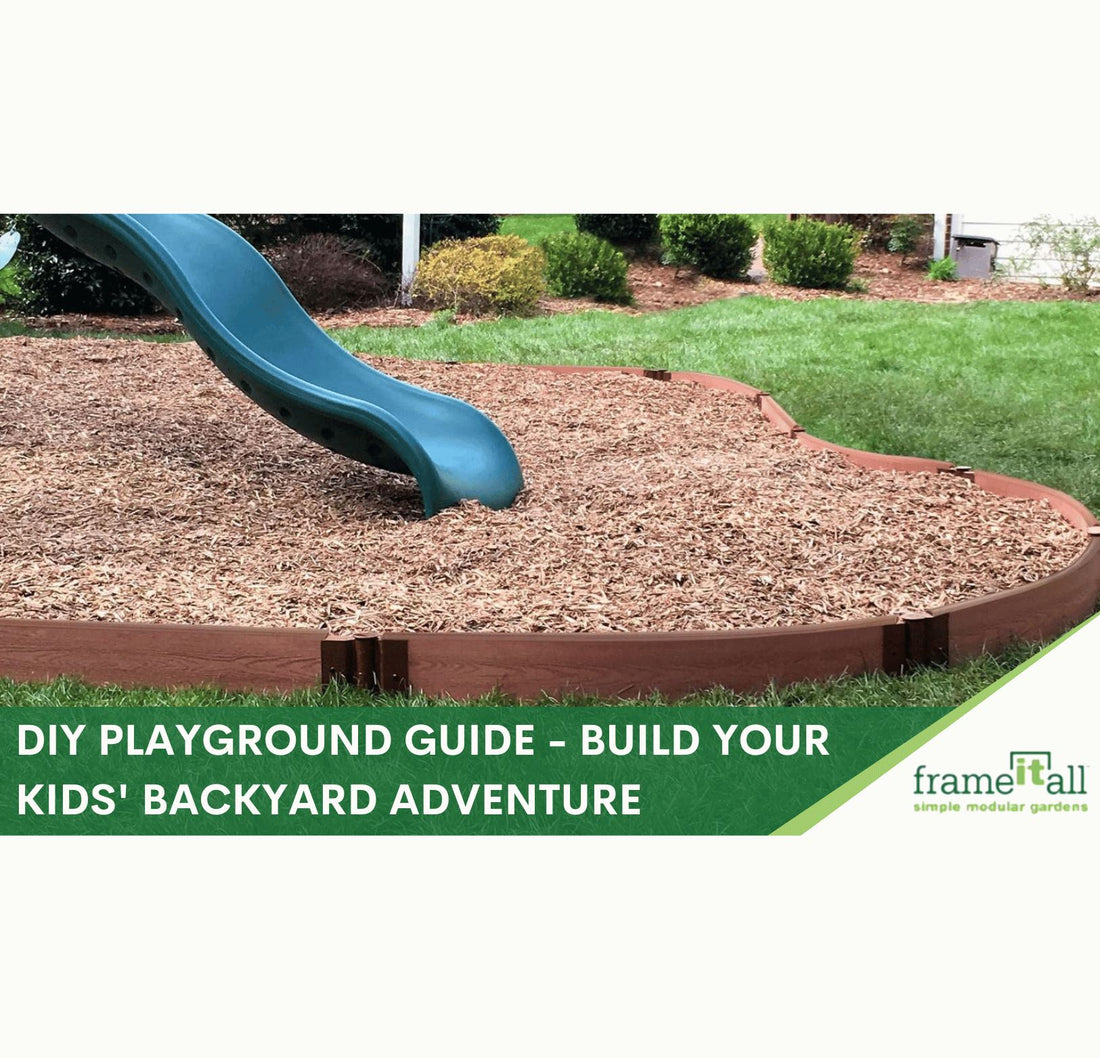
Protect everyone who uses your DIY backyard playground from injuries by covering the playground space with a soft mulch and keep it in place with a sturdy, flexible playground border.
Map Out a Safe-Fall Zone
Once your playground structure is built, it’s time to think about the area around it. Kids rarely fall straight down; they tumble, jump, and swing with momentum. That's why mapping out a proper safe-fall zone is a non-negotiable step. A good rule of thumb is to extend this cushioned area for a distance of at least six feet in all directions from the equipment. For swings, you’ll need even more space. Plan for a clear, cushioned zone that extends at least twice the height of the swing’s top bar, both in front of and behind the swings. So, if your swing set is eight feet tall, you’ll need a 16-foot safe zone in the front and back. Make sure this entire area is free of any obstacles like rocks, stumps, or landscaping features.
Select the Best Ground Cover
Now that you’ve defined your safe-fall zone, you need to fill it with a soft, impact-absorbing material. Hard-packed dirt or grass simply won’t provide enough cushion to prevent injuries from a fall. Popular choices for ground cover include wood chips, rubber mulch, sand, or pea gravel, each with its own benefits. To ensure the material is effective, you need to maintain a proper depth—usually around 9-12 inches. The key to this is keeping all that loose material contained. Using sturdy, flexible playground borders will keep your mulch in place, prevent it from scattering across the lawn, and maintain the consistent depth needed for a safe landing. This simple addition keeps the play area tidy and, more importantly, safe for everyone who uses it.
Make it Easier with a Frame It All Kit
Frame It All provides high quality playground borders that have many advantages over the DIY backyard playground products you can find at the big box stores.
The borders in our playground border collection consist of recycled materials and sustainably produced wood fiber. They are more flexible and durable than cedar wood fibers and ideal for any DIY playground sets.
Our knowledgeable team is ready to help you with your backyard playground project. If you need some help, call us at 800-914-9835 to discuss your plans to build a DIY backyard playset that your family will love.
Frequently Asked Questions
How much space do I really need for a backyard playground? It’s easy to underestimate the amount of room you need. Beyond the actual footprint of the playset, you have to plan for a safe-fall zone. A good rule of thumb is to have at least six feet of clear, cushioned space in every direction around the structure. For swings, you’ll need even more room—plan for a clear zone in front of and behind the swings that is at least twice the height of the swing’s top bar.
What's the best material to put on the ground for safety? Hard-packed dirt and grass just don't provide enough cushion to protect against injuries from a fall. Your best options are loose-fill materials like rubber mulch, wood chips, or sand. The most important factor is depth; you should aim for a layer that is at least 9 to 12 inches deep to properly absorb impact. Using a playground border is the best way to keep all that material contained and maintain the necessary depth for a safe play area.
Do I actually need a permit to build a playset in my yard? This is a great question, and the answer really depends on where you live. Some towns and cities have specific regulations about the size and height of backyard structures and may require a building permit. It’s always best to make a quick call to your local building department before you start digging. Taking this simple step can save you from potential fines or the headache of having to take the structure down later.
How can I be sure my DIY structure is sturdy enough for my kids? The stability of your entire playground comes down to its foundation. Anchoring your main support posts in concrete is the most critical step for creating a structure that won't wobble or lean. Be sure to dig your post holes below your area's frost line to prevent shifting during the winter. Once it's built, get in the habit of checking all the hardware, like bolts and screws, a couple of times a year to make sure everything remains tight and secure.
How do I protect my wooden playset from the weather so it lasts for years? Starting with pressure-treated or naturally rot-resistant lumber like cedar is your best first line of defense. To keep it in great shape, you'll want to perform some simple annual maintenance. Plan on applying a fresh coat of waterproof sealant or stain every two to three years. This protects the wood from sun damage and moisture, preventing splintering and rot so your family can enjoy the playset for a long time.
Key Takeaways
- Design a Playground That's Uniquely Yours: Start by deciding on your build style—whether from scratch, using plans, or a hardware kit—to create a custom play space that fits your family's personality and your backyard.
- Prioritize a Strong and Stable Build: The safety of your playset starts with a solid foundation. Always anchor your main support posts in concrete below the frost line and use quality, rust-resistant hardware for a structure that will last.
- Finish with a Safe Landing Zone: Don't overlook the ground beneath the playset. Create a safe-fall zone extending at least six feet around the structure, fill it with soft material like mulch, and use playground borders to keep it neatly contained.