

Composite raised garden beds and wood beds can both create a productive backyard garden, but the material you choose shapes how much upkeep the garden will need. Wood offers a classic look, while composite is built to resist common moisture-related damage.
Shop composite raised garden beds from Frame It All
Composite raised garden beds are often the better long-term choice for gardeners who want low upkeep. Their boards resist rot and splinters, while wood beds can need sealing, repairs, or board replacement as they age.
Composite raised garden beds vs wood at a glance
Choosing what to use for a garden bed is a big step. Wood is a classic pick for many, but composite raised garden beds are more common now. Each type has its own pros and cons about cost, care, and how long they last. Knowing the facts helps you make the best choice for your yard.
Toughness and earth impact
Many wood beds rot after just a few years of touching damp soil. Cedar is a tough wood that fights off bugs, but it will still break down in time. You can read more about how soil affects bed wood in state research.
Composite raised garden beds use boards with a tough outer shell. These boards block out water and sun damage. This means your garden stays strong and looks great for many years.
What you pick also affects the world. Wood is from nature, but it often comes from cutting down trees. Some wood is treated with chemicals to stop rot. These can leak into your soil and harm your plants.
Frame It All beds use reused plastic and wood fibers. This helps keep waste out of trash sites. Picking a green option protects your plants and the planet at the same time.
Upkeep and total value
Wood needs a lot of work to stay in good shape. You must sand and seal the wood often to stop it from rotting. This takes a lot of time and effort every spring.
Composite beds need almost no work at all. You never have to stain or paint them. When you read the Frame It All material comparison, you see that composite lasts longer.
A long-term warranty means you will not have to buy new beds every few years. While composite costs more at first, it saves money over time. You do not have to buy new boards or paint every year.
This makes it a smart long-term buy for any home. You get a garden that lasts for many years without the stress of lots of fixes. This value makes composite a top pick for serious growers.
Side by side contrast
Looking at these types side by side shows the clear winners for each point. Wood is good for a low start cost, but composite wins on life and care. Modern large composite raised garden bed kits also make setup a breeze with tool-free parts.
| Feature | Wood Beds | Composite Beds |
|---|---|---|
| Lifespan | 5 to 10 years | 20 to 30 years |
| Upkeep | Sanding and sealing | No care needed |
| Setup | Needs power tools | Simple snap-lock |
| Rot Risk | High risk | No risk |
| First Cost | Lower price | Higher price |
Which raised garden bed material lasts longer?
Choosing the best stuff for your garden bed is a big choice. Most people pick between wood and composite. While wood can break down over time, composite beds stay strong for years. To pick the best one, look at how they handle water, rot, and sun.
How wood beds age
Many gardeners use cedar because it blocks bugs and rot. But even the best wood has limits when it touches wet soil. Over time, water seeps into the wood grain.
This leads to splitting. A study from the University of Georgia notes that while cedar lasts well, its life in soil is often in doubt. You may need to swap wood beds every five to ten years.
Wood also changes with the seasons. When wet, it swells. When dry, it shrinks. This causes wood to warp or crack.
To keep wood from rotting, you might need to sand or seal it often. This work takes time and money. Without it, the wood may fail before you are ready for a swap.
The long life of composite kits
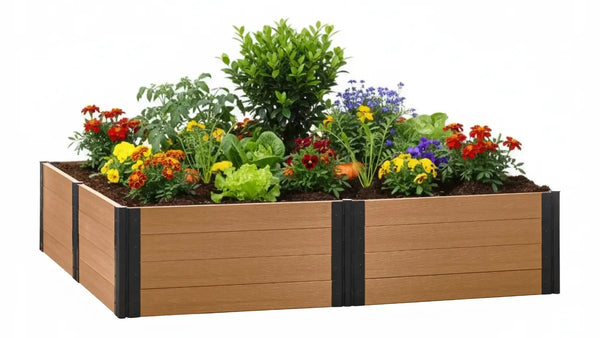
Modern composite raised garden beds solve these old problems. They use a mix of wood fiber and plastic that does not rot or host bugs. High-quality kits use a shield called a cap. This 360-degree cap blocks UV rays and water.
- Boards do not warp, crack, or splinter.
- Colors stay bright even in hot sun.
- No need to sand, stain, or seal.
- Safe for food because boards are non-toxic.
Because they are tough, these beds last for decades. They do not peel, which keeps your garden neat. When you review the composite bed comparison, you see a gap in value.
Wood is cheap at first. But you buy it again as it rots. Composite kits cost more now but have a 30-year warranty. You save money by building once.
Why weather and water matter
Weather is the biggest test for any garden stuff. Rain and snow keep soil wet. In a wood bed, this water is a threat. It starts rot deep in the boards.
Soil in raised beds also dries out fast, as noted by the University of Minnesota. This cycle is hard on wood, but composite boards stay stable. They do not change shape when the weather shifts.
Composite kits also handle the sun better. Wood can turn grey and weak in the heat. A capped composite board keeps its color and shape.
You do not have to worry about boards bowing out from the soil weight. This strength keeps the bed safe. In the end, composite is a practical choice for a garden designed to stay useful for years.
How maintenance changes the long-term equation
Choosing between wood and composite for your garden depends on how much time you want to spend on care. Wood is a classic choice, but it needs regular work to stay in good shape. Over time, the cost and effort of keeping wood beds healthy can add up. Many people find that composite raised garden beds offer a better value because they need far less work.
The true cost of wood upkeep
Wood beds, even those made from cedar, face threats from water and pests. Cedar has some natural resistance to rot, but it still breaks down when it stays in wet soil. To slow this, you must clean and seal your wood beds every year or two. Without this work, the boards can warp, crack, or rot away within a few years.
If you choose wood, you should check the structure every spring. Look for soft spots in the corners where water tends to sit. You may also need to tighten screws that loosen as the wood moves and dries. If a board rots, you will have to dig out the soil to replace it. This task is heavy work and takes time away from actual gardening.
Easier care with composite beds
In contrast, composite is made to last without the need for staining or sealing. Frame It All uses capped composite that provides high UV and moisture resistance compared to wood. This means the boards will not rot, splinter, or peel, even after years of rain. You can see how garden bed materials differ to see how much more durable these kits are.
Daily care for composite is very simple. You mostly just need to wash away dirt or leaves with a hose. If you find a tough stain, a quick scrub with soapy water usually fixes it. Since the boards do not soak up water, they stay the same size all year. This keeps the joints tight and the structure strong without any extra tools or repairs.
Planning for the long term
When you look at the total life of your garden, composite often wins on both time and money. While wood kits might cost less at first, the price of sealants and new boards grows every year. A composite bed is built to stay in place for decades. By choosing a low-care option, you can focus on growing healthy plants rather than fixing your garden walls.
How to plan a raised bed that stays useful
Planning is the key step for any garden task. When you use composite raised garden beds, you want a layout that lasts for years. A good plan helps you avoid mistakes like poor drainage.
Utah State University says that using a raised bed lets you control the soil type. This is helpful if your yard has bad soil. Proper prep ensures your garden stays healthy for a long time.
Find the right spot
Pick a spot that gets plenty of sun. Most plants need at least six hours of direct light every day. You should also look for a flat area. If the ground is not level, your bed might lean or drain poorly.
The University of Minnesota shows that soil in raised beds warms up faster in the spring. This helps you start your planting season soon. Make sure you have enough space to walk around the bed for easy weeding.
Choose your shape and size
Modular kits give you many options for shape and height. You can build a simple square or a long bed. Think about how far you can reach. Most people find that a four-foot width is best.
This width lets you reach the center from either side without stepping on the soil. Stepping on soil packs it down, which hurts plant roots. If you have back pain, consider a taller bed.
Taller composite raised garden beds bring the plants closer to you. This makes planting much easier on your body. You will not have to bend down as much to care for your crops.
- Pick a flat site. Choose a level spot in your yard that gets at least six hours of sun. Remove any large rocks or trash from the area before you start.
- Choose your size. Decide on the width and length of your bed. A width of four feet is best because it lets you reach the middle easily from both sides.
- Prep the ground. Mow the grass very short or lay down a weed mat. This stops grass and weeds from growing up into your new garden soil.
- Snap the parts together. Use the Snap-Lock parts to join the wall pieces. You do not need any tools for this step, which makes the work fast and simple.
- Level the bed. Check that the walls are straight and even. A level bed ensures that water spreads out evenly when you water your plants.
- Fill with soil. Use a mix of topsoil and compost. This mix provides the best food and drainage for your plants or flowers.
Fast setup without tools
One big plus of modern garden kits is how fast they go together. You do not need a saw or a drill to build these beds. The parts fit together with a simple locking system. This means you can spend more time planting and less time building.
These durable capped composite garden beds are made to stand up to rain and sun. They will not rot or warp like wood does over time. Once your bed is set up, it stays useful for many years with very little care.
Explore Frame It All composite raised garden bed sizes and layouts
Is composite or wood the more sustainable choice?
Choosing the right material for your garden involves looking at the long-term impact on the earth. Many people think natural wood is the best green choice because it comes from trees. While wood is a renewable source, the type of wood and how it is treated matters for the planet. For example, some gardeners prefer recycled wood to reduce the carbon cost of shipping new lumber. However, wood in contact with wet soil will eventually rot and need to be replaced.
The life cycle of wood beds
Wood beds like cedar or pine have a limited life when used to build a composite raised garden beds. Cedar has a natural resistance to rot, but its life span in direct soil contact is still limited. Traditional wood beds often need to be replaced every five to ten years depending on the climate. This cycle of building and replacing means more trees must be cut and processed over time. If you use treated wood to make it last longer, you risk leaching chemicals into your soil, which is not ideal for organic gardening.
Untreated pine is another common choice because it is cheap and easy to find. But pine has almost no resistance to rot or insects. This means a pine bed might only last a few seasons before it breaks down. Replacing these beds frequently adds to the waste stream and requires more resources for transport and manufacturing. For those focused on a truly green garden, the constant need for new materials is a major drawback of most wood options.
Sustainability of composite materials
Composite materials offer a different path by using waste that would otherwise end up in a landfill. High-quality composite garden beds are made from a mix of recycled plastic and wood fiber. This helps clear out plastic waste and gives it a new, useful life. These materials do not rot, warp, or splinter even after years of use in the rain and sun. Because they last so much longer than wood, you do not have to buy new parts or rebuild your garden every few years.
Frame It All beds take this a step further by using FSC-certified wood fiber and recycled plastics. This certified fiber ensures the wood comes from forests that are managed in a responsible way. When you choose a material with a 30-year warranty, you are making a one-time investment that reduces the total amount of waste your garden produces. You can explore the wood and composite guide to see how the total carbon footprint drops when you stop the cycle of frequent replacement.
Comparing long-term environmental impacts
When you weigh the choices, you must look at the full life of the bed. A wood bed may look more natural, but its short life often makes it less green over thirty years. Composite beds stay strong and do not need paint or stains that can harm the soil. They also help keep plastic out of our oceans and landfills by turning it into a durable tool for growing food. This makes composite a strong choice for those who want a garden that is both easy to use and kind to the earth.
Modern composite technology also ensures these beds are safe for growing vegetables. Since they do not use harsh chemicals to fight off rot, you can grow your food with peace of mind. By choosing sustainable garden solutions, you are helping to protect natural resources while building a beautiful space. In the end, a bed that lasts for decades and uses recycled goods is often the most earth-friendly choice for a serious home gardener.
How to compare long-term value
When you start a garden, the price you pay today is only part of the story. Many people pick wood beds because they cost less at first. But when you look at composite raised garden beds, you see the value over time. You must look at how long the bed will last in the sun and rain. Wood can rot or attract bugs over time. To get the best value, look at the cost of the bed over ten or twenty years.
To compare long-term garden bed materials, you must think about future costs. These beds do not rot like pine or cedar. While wood might look good at first, it often needs a full swap after a few years. A top-tier bed lasts much longer. Some kits even come with a 30-year warranty. This means you buy the bed once instead of many times over your life.
First price versus life cost
The first price for wood is low, but the total cost grows every year. You have to pay for new boards when the old ones get soft and break. When you add up these costs, the cheap wood bed becomes costly. A tough bed made of mixed wood and plastic stays strong for a long time.
Think about these points when you check the price:
- How many times will you need to buy a new kit?
- Does the wood need oil or stain to stay dry?
- Will the boards warp or pull apart in the heat?
- How much time will you spend fixing old walls?
High-end beds use capped boards to stop water and sun damage. This strength is why many experts suggest them for home use. You can read more about how to pick the right beds from state guides. They note that the stuff you choose affects how much care the garden needs.
Upkeep and time spent
Your time has value too. Wood beds need care to keep them from falling apart. You may need to sand the wood or add a new coat of seal every few years. If you skip this, the wood will rot fast. With composite, you just spray it with a hose to keep it clean.
This "no work" style is a big win for busy people. You can spend your time planting food instead of fixing a frame. The boards stay the same shape and size for years. They do not split or grow mold in wet soil. This keeps your garden clean and safe with no splinters for kids or pets.
Growth and change
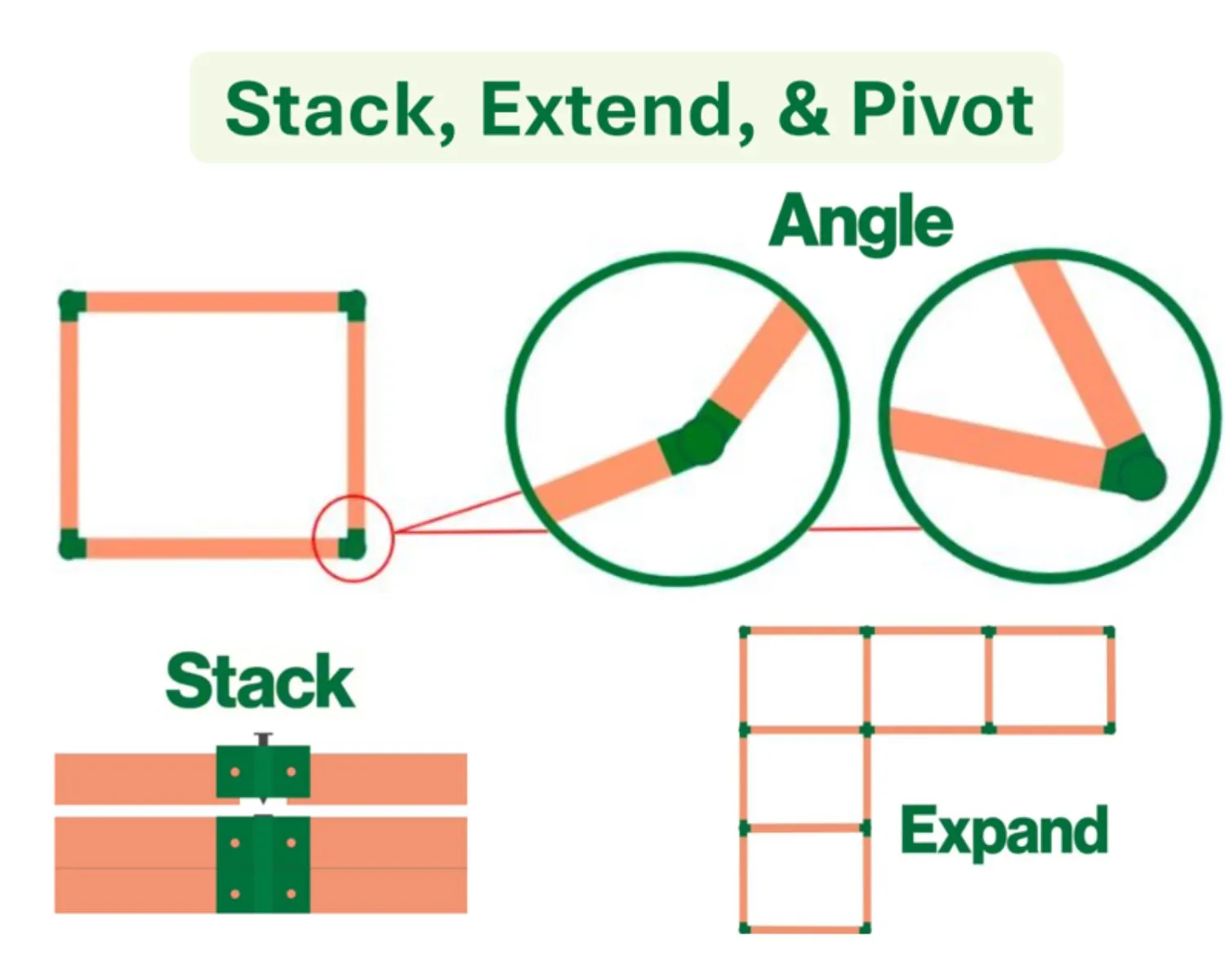
A good garden should grow with you. Modular systems let you add more height or length later. If you start with a small bed, you can buy more parts to make it bigger. You do not have to throw away your old bed to get a new look. This saves money as your hobby grows.
These systems use parts that snap together without tools. This makes it easy to move the bed if you change your yard layout. You can stack levels to make a taller bed that is easy on your back. This flex makes the bed more useful for a long time. It fits your needs as you get older or change your crops.
Which raised garden bed is right for you?
Picking the right bed for your garden is a big step. You want a spot where plants can grow well for years. Most people choose between wood and composite raised garden beds. Each type has its own good and bad points. You should think about how much work you want to do to keep the bed in good shape. Also, think about how long you want it to last. Making a smart choice now will save you time and money later.
Upkeep and weather resistance
Wood beds like cedar look natural in a yard. Cedar has a natural way to fight off rot and bugs. But even the best wood can break down when it sits in wet soil for a long time. Experts at the University of Georgia note that wood life span can vary when it touches the ground. You may need to sand, stain, or seal wood every few years to keep it from rotting. This takes a lot of work and can be messy.
Composite raised garden beds do not have these problems. They are made from a mix of wood fiber and plastic. This mix does not rot, peel, or warp. You do not ever have to stain or seal them. This saves you a lot of time and money on upkeep. The boards stay strong even in wet or hot weather. This makes them a great pick for any place with tough weather. You can spend more time on your plants and less time on the bed itself.
Speed and ease of setup
Building a wood bed often takes a lot of tools. You might need a saw, a drill, and a lot of screws. It can take a few hours or a whole day to put one together. If you are not handy with tools, this can be hard to do. It also means you need to buy or rent tools if you do not have them. This adds to the cost and the stress of starting your garden.
Frame It All beds use a special system to help you. You can use the Snap-Lock Assembly Information to put your bed together fast. You do not need any tools to do this. The parts just snap into place with your hands. This makes the job much faster and easier. Most people can set up their new garden in just a few minutes. This is a big plus for people who want to start planting right away. It also helps those who do not want to use heavy tools.
Best value over time
Wood is often cheaper to buy at first. But you have to replace it more often. Most wood beds last five to ten years. After that, the wood gets soft or breaks. Then you have to buy new boards and build it again. This means you have to dig up your soil and move your plants. This can hurt your garden and cost you more money in the long run.
A composite bed is a better long-term choice for many. Frame It All beds come with a 30-year warranty. They are built to last for decades without failing. When you compare composite vs wood garden beds, the composite option often costs less over its whole life. These beds use recycled plastic that would otherwise go to a landfill. This helps you grow a healthy garden while being kind to the earth. You can find many Raised Garden Bed Collection options that fit your style and your yard.
Frequently Asked Questions
Are composite raised garden beds better than wood?
Composite beds are often a better choice for long-term use. While wood is cheaper at first, it will rot and decay in wet soil over time. Composite boards use reused plastic and wood bits that stop water and sun harm. This means they can last for many years without the need for staining or fixes. As noted by Frame It All, these items offer more sun and wetness help than plain wood.
How long do composite raised garden beds last?
Composite raised garden beds are designed for longer service than untreated wood because their boards resist rot, splinters, and insect damage. Actual lifespan depends on the product, climate, installation, and care. Review the specific product details before choosing a kit.
What is the best depth for a raised garden bed?
A depth of at least 10 inches is best for most garden beds. This depth gives roots plenty of space to grow deep and strong. It also helps the soil hold on to water during hot days. Deep beds are good for crops like tomatoes, peppers, and carrots that need more room. As noted by Gardeners Supply, a depth of 10.5 inches helps roots and keeps soil wet for better plant growth.
Do raised garden beds require more water than in-ground gardens?
Yes, raised garden beds often dry out faster than gardens in the ground. This is because the walls are open to the air and the soil can get warm. You should plan to water these beds more often, mostly in the summer. Tall beds will lose water even faster than low ones. As noted by Minnesota Extension, raised beds act like large pots and need a lot of water to keep plants healthy.
Ready to find the right composite raised garden bed for your yard?
Composite boards offer a practical way to spend less time sanding, sealing, and replacing weathered wood. Frame It All's modular Snap-Lock system also makes it easier to build a layout that fits your space without a complicated tool list.
Ready to shop composite raised garden beds? Explore the raised garden bed collection to compare sizes and layouts for your yard.