
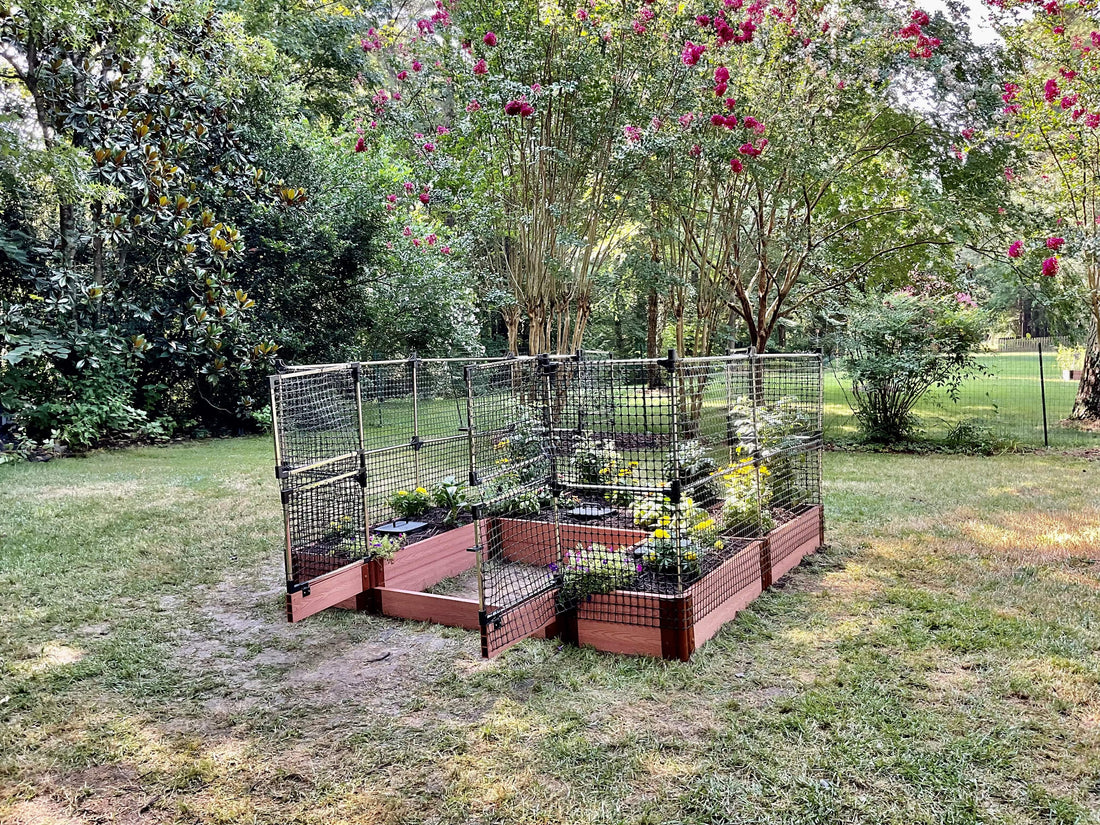
A garden fence is so much more than a barrier—it's a key part of your garden's design. Think of it as the frame for your living masterpiece. The right fence for your garden bed defines your space, complements your home's style, and can turn a simple vegetable patch into a stunning focal point. It can also pull double duty, offering a sturdy structure for climbing vines and flowers. From sleek, modern metal to a classic, natural composite, your fence is an opportunity to add personal flair. This guide will help you select a fence that protects your plants and enhances your backyard's design.
Key Takeaways
- Define Your Fence's Purpose First: Before choosing a style, decide what you need your fence to do. Whether it's keeping out deer, blocking wind, or adding privacy, your primary goal will determine the right height, strength, and design for your garden.
- Invest in Durable, Low-Maintenance Materials: Save yourself future headaches by choosing materials like composite or coated metal. They stand up to weather, rot, and pests, meaning you'll spend more time gardening and less time on repairs and upkeep.
- Plan for Easy Access and a Solid Setup: A successful fence is one you can live with. Ensure your design includes a convenient gate for daily tasks and that you install it on level ground for long-term stability and effectiveness.
Why Your Garden Bed Needs a Fence
After all the effort you put into planning, planting, and nurturing your garden, the last thing you want is for it to be ruined overnight. A garden fence is more than just a border; it’s your garden’s first line of defense and a key part of its overall design. It protects your hard work from hungry critters and harsh weather while adding a touch of personal style to your outdoor space. Let’s look at why a fence is a non-negotiable for any serious gardener.
Keep Pesky Critters Out
There’s nothing more frustrating than discovering your prize-winning tomatoes have become a midnight snack for the local wildlife. A sturdy fence is the most reliable way to stop animals like deer, rabbits, groundhogs, and even curious neighborhood pets from treating your garden like an all-you-can-eat buffet. By creating a physical barrier, you ensure your vegetables and flowers are safe from four-legged foragers. For a solution designed specifically for this problem, animal barrier gardens combine a raised bed with integrated fencing to keep your plants protected from top to bottom, letting you harvest what you sow.
Shield Your Plants from Harsh Weather
Beyond pests, a garden fence can also act as a shield against the elements. A well-placed fence can create a microclimate, protecting delicate plants from damaging winds that can snap stems and dry out soil. In areas with unpredictable weather, this added protection can make a huge difference in your garden’s success. When choosing your fence, think about materials that can stand up to your local climate. A strong, durable material like composite fencing won't rot in wet conditions or become brittle over time, ensuring your garden stays sheltered season after season.
Define Your Space with Style
A fence doesn’t just have to be functional; it can also be a beautiful design element. The right fence helps define your garden area, turning it into a distinct and intentional outdoor room. You can choose a style that complements your home, whether it’s modern, rustic, or classic. Fences also offer a fantastic opportunity for vertical gardening. You can use the structure to support climbing plants like pole beans, sweet peas, or flowering vines, adding height, color, and texture to your garden. This not only saves space but also turns a simple barrier into a living, productive part of your landscape.
Dual Purpose: Keeping Animals In and Out
While a garden fence is your best defense against hungry wildlife, its job doesn't stop there. It also works in reverse, helping you keep certain animals safely inside a designated area. This is especially useful if you have a curious dog who loves to "help" you dig or a small flock of backyard chickens you’d like to let roam without giving them free rein of your entire lawn. By creating a physical barrier, you can protect your garden from outside threats and manage your own pets within your yard. Thinking about this dual purpose helps you choose the right design—one that’s tall enough to deter deer but also secure enough at the base to contain a determined digger, creating a harmonious space for both your plants and your pets.
What's the Best Fencing Material for Your Garden?
Picking the right material is one of the most important decisions you'll make for your garden fence. It determines not just the look, but also how much time you'll spend on upkeep and how long it will last. Your climate, budget, and the types of pests you’re dealing with all play a role. Let's break down the most common choices to help you find the perfect fit for your garden.
Metal: For a Modern, Durable Look
Metal fences, like steel and aluminum, are known for their strength and durability. They offer a sleek, modern look and are fantastic for keeping determined critters out of your garden beds. While classic wrought iron is beautiful, it often needs special treatments to prevent rust. Newer metal garden beds and fences often come with protective coatings that stand up to the elements with very little maintenance. If you’re looking for a strong, long-lasting option that provides security without blocking the view of your beautiful plants, metal is an excellent choice.
Composite: The Low-Maintenance Option
If you love the look of wood but not the upkeep, composite fencing is your answer. Made from a mix of recycled plastic and wood fibers, it gives you that classic, natural appearance without the risk of rotting, warping, or insect damage. Cap Composite Fencing is a fantastic long-term investment because it requires almost no maintenance—no staining, sealing, or painting needed. It’s an eco-friendly choice that holds its color and integrity for years, making it a reliable and stylish way to protect your garden.
Wood and Vinyl: Classic and Versatile Choices
Wood is a timeless choice that offers a warm, traditional look. However, it requires a commitment to regular maintenance. You’ll need to stain or seal it every few years to protect it from moisture, rot, and pests. On the other hand, vinyl fencing is a low-maintenance alternative. It’s easy to clean and won’t rot, fade, or peel. While the initial cost for both can vary, remember to factor in the long-term cost and effort of maintaining a wood fence when comparing it to a set-it-and-forget-it option like vinyl.
Choosing Food-Safe Wood for Edible Gardens
When you're growing food, the materials you use around your soil matter just as much as the seeds you plant. If you opt for a wooden fence, it’s critical to choose a type that won't leach harmful chemicals into your garden. For any wood that will have direct contact with the ground, such as fence posts, Cedar is an excellent choice. It’s naturally rot-resistant and non-toxic, ensuring your soil remains pure and your harvest stays healthy. You should always avoid pressure-treated lumber for edible gardens. The chemicals used to preserve this type of wood can seep into the soil over time and be absorbed by your plants, which is a risk you don’t want to take with food you plan to eat.
Natural Wood Preservation Techniques
If your heart is set on a natural wood fence, you can extend its life without resorting to harsh chemicals. The best first step is choosing a naturally durable wood, like Western Red Cedar, which is inherently resistant to rot and insects. To further protect it, you can apply natural oils like tung oil or linseed oil. These oils penetrate the wood and help slow down the process of decay. For a more advanced and long-lasting method, you might explore the ancient Japanese technique of "Shou Sugi Ban." This process involves charring the surface of the wood, which creates a carbon layer that is highly resistant to water, pests, and even fire, preserving the wood for decades.
The Downsides of Vinyl Fencing
While vinyl is often praised as a low-maintenance "set-it-and-forget-it" option, it does have some drawbacks to consider. Although it stands up well to moisture, vinyl can become brittle in extremely cold climates and may crack upon impact. Repairing vinyl can also be tricky; unlike wood, you can't simply sand down a scratch or replace a single board. Often, an entire panel needs to be replaced, which can be costly and inconvenient. Aesthetically, while vinyl has come a long way, some people find it lacks the warmth and natural texture of wood or composite materials, which can be a deciding factor depending on the style of your home and garden.
Weighing Durability vs. Upkeep
When it comes to a fence that will last, your best bets are composite, metal, and vinyl. These materials are specifically designed to withstand harsh weather, resist rot, and fend off pests. Wood, while beautiful, will always be the most demanding in terms of upkeep. If your main goal is to install a fence and not worry about it again, focusing on composite or metal is the way to go. Integrated systems like Animal Barrier Gardens often use these durable materials to give you a complete, long-lasting solution right out of the box.
Key Features of a Great Garden Fence
Once you’ve settled on a material, it’s time to think about the specific features that will make your garden fence a success. The right fence does more than just create a border; it protects your hard work, complements your landscape, and makes your gardening life easier. It’s about finding that perfect balance between form and function. A great garden fence keeps your precious plants safe from hungry critters while adding a touch of style to your backyard oasis.
Think about your daily interactions with your garden. Will the fence make it difficult to water your plants or harvest your vegetables? Does it stand up to your local weather, whether that’s gusty winds or heavy rain? You also want to consider the types of pests you’re dealing with. A fence that stops a rabbit might not do much to deter a deer. By focusing on a few key characteristics—height, durability, accessibility, and animal-proofing—you can choose a fence that you’ll be happy with for years to come. Let’s walk through the most important features to keep on your checklist.
Exploring Different Fence Styles
A fence is a major style statement for your yard, giving you a chance to extend your home’s personality into your garden. For a clean, modern aesthetic that doesn’t hide your beautiful plants, a metal fence is a great choice. Its strong, sleek lines offer security and a contemporary feel. If you prefer a more traditional or rustic vibe, you might lean toward the classic look of wood. However, for that same natural charm without the constant upkeep, composite fencing gives you the best of both worlds. It mimics the appearance of wood but won't rot, warp, or require yearly staining. The key is to choose a style that feels like a natural extension of your home, turning your garden into a beautifully defined and intentional space.
How to Choose the Right Fence Height
The first thing to consider is how tall and secure your fence needs to be. This depends entirely on what you’re trying to keep out. For smaller critters like rabbits, a two-foot-tall fence might be enough. But if you have deer visiting your yard, you’ll need something much taller—often seven feet or more. For general protection around raised garden beds, a sturdy wire mesh is a great option. If you’re also looking for a bit of privacy from your neighbors, a taller, solid fence made of composite or metal will do the trick. The goal is to create a barrier that effectively protects your garden without feeling like a fortress.
Find a Fence That Withstands the Elements
Your garden fence will be exposed to the elements 24/7, so it needs to be tough. Depending on where you live, it might have to endure intense sun, heavy rain, snow, or strong winds. Materials like wood can rot, warp, and attract pests over time, requiring regular maintenance. That’s why weather-resistant options are often a smarter long-term investment. Materials like our Cap Composite fencing and metal are designed to withstand the harshest conditions. They resist rot, rust, and fading, so you can spend less time on upkeep and more time enjoying your garden. A durable fence gives you peace of mind, knowing your garden is protected season after season.
Don't Forget About Gates and Access
A fence is meant to keep things out, but you still need to get in! Easy access is a feature that’s often overlooked until it’s too late. Imagine trying to haul a wheelbarrow of compost over a fence or contorting yourself just to water your tomatoes. Look for fencing systems with well-designed gates or panels that are easy to open and close. Our animal barrier gardens are designed with this in mind, allowing you to tend to your plants without any hassle. Your fence should make gardening more enjoyable, not more complicated. Make sure your chosen design lets you move freely in and out of your garden space.
Need Support for Climbing Plants?
Why not have your fence do double duty? A sturdy fence can also serve as a fantastic support system for climbing plants like peas, beans, cucumbers, and flowering vines. This not only saves you space but also adds a beautiful vertical element to your garden. Look for fences with a grid or trellis-like structure that plants can easily cling to. This integrated support helps keep your vining plants off the ground, which can improve air circulation and reduce the risk of disease. It’s a simple way to maximize your growing area and create a lush, living wall that’s both productive and beautiful.
How to Critter-Proof Your Fence
If critters are your primary concern, you need a fence designed specifically to stop them. A truly animal-proof fence addresses all their tricks. It should be tall enough to prevent jumping, have gaps small enough to block squeezing through, and ideally extend below the ground to stop diggers like groundhogs. Our raised garden beds with fences are built to protect your harvest from a whole host of animals, including deer, rabbits, raccoons, and skunks. When you’re shopping, check for features like durable netting and a secure frame that leaves no weak spots for determined pests to exploit. A good barrier is your first line of defense for a successful harvest.
Considering Ease of Assembly
Your time is best spent with your hands in the dirt, not deciphering complicated assembly instructions. A garden fence shouldn't require a weekend-long construction project or a toolbox full of specialized equipment. Look for systems designed for straightforward, tool-free assembly where the pieces simply slide or snap together. The best options come as complete kits with everything you need, so you aren't left making extra trips to the hardware store. For the ultimate convenience, consider an integrated system. For example, animal barrier gardens combine the raised bed and the fence into one easy-to-build unit, protecting your plants from day one. Choosing a fence that’s simple to set up means you can get your garden protected quickly and get back to the fun part—watching it grow.
How to Install Your Garden Bed Fence
Once you’ve chosen the perfect fence, a little planning goes a long way toward a successful installation. A fence is only as good as its foundation, so taking the time to get the setup right ensures it will stand strong for years, protecting your precious plants and looking great while doing it. These tips will help you build a garden fence that’s sturdy, effective, and built to last.
Start with a Solid Foundation
Before you start building, make sure the ground where your garden bed and fence will sit is clear and level. Remove any grass, weeds, rocks, or other debris from the area. A level surface is critical because it prevents your fence from leaning or warping over time, which can create gaps for pests to sneak through. A well-installed fence doesn't just protect your plants; it also creates a clean boundary and makes your whole garden look more put-together. Taking an hour to properly prepare the site is one of the best investments you can make in your garden’s future.
Digging a Trench to Deter Diggers
Some of the most determined garden pests, like groundhogs and rabbits, won't be stopped by a fence that just sits on top of the soil—they’ll simply dig right under it. To create a truly animal-proof fence, you need to address their underground tactics. This means digging a trench around the perimeter of your garden bed, typically about one to two feet deep. You can then bury the bottom of your fence or a layer of sturdy wire mesh, like hardware cloth, into the trench before backfilling it with soil. This creates an underground barrier that stops diggers in their tracks. It’s an extra step, but for anyone dealing with persistent burrowing animals, it’s the most effective way to ensure your hard work stays protected.
Install Sturdy Posts and Supports
A flimsy fence won’t do much to stop a determined deer or even a strong gust of wind. Your fence’s support structure is its backbone. For raised garden beds, the most stable option is a fence that connects directly to the bed’s frame. This integration creates a single, solid unit that is strong and perfectly level. Systems like Frame It All’s Animal Barrier Gardens are designed this way, with posts that slide directly into the raised bed brackets. This design distributes any force against the fence across the entire structure, making it far more durable than a freestanding fence simply placed around the bed.
Proper Post Spacing
How far apart you place your fence posts is crucial for the fence's strength and stability. If posts are too far apart, the fencing material can sag or bow under pressure from wind or leaning animals. A good rule of thumb for most DIY fences is to space your posts every four to eight feet. This spacing provides enough support to keep the fence taut and straight, ensuring it remains an effective barrier. For integrated systems that attach directly to a raised bed, the post placement is often predetermined by the design, taking the guesswork out of the equation and guaranteeing a secure fit that maintains the structure's integrity over time.
Securing Corner Posts
Think of your corner posts as the anchors of your entire fence. They bear the most tension and are essential for keeping the structure square and stable. It’s critical to secure these posts properly, making sure they are perfectly straight and level before you attach any fencing material. For a freestanding fence, this often means setting them in concrete. However, with a system that connects to your garden bed, the corner brackets of the bed itself serve as the anchor. This design simplifies installation while providing incredible stability, as the weight and structure of the raised bed ensure the corner posts won't shift or lean, keeping your fence strong for years to come.
Make it Easy with Modular Panels
Why reinvent the wheel when you can use a kit designed for success? Using modular components or an all-in-one kit takes the guesswork out of installation. These systems come with everything you need—panels, posts, and hardware—along with clear instructions to guide you. This approach is perfect for DIY gardeners because it ensures all the parts are compatible and designed to work together seamlessly. You can assemble a sturdy, professional-looking fence without needing specialized tools or construction skills. Our Garden Builder Kits let you design a custom layout with fencing, ensuring a perfect fit for your unique space.
Plan for Future Maintenance
Your work isn’t over once the fence is up. Different materials require different levels of upkeep, so it’s smart to plan for long-term care from the start. A traditional wood fence might need regular painting or staining to prevent rot, while some metal fences may require rust protection. If you prefer spending more time gardening and less time on maintenance, consider a low-maintenance material. Composite fencing, for example, resists rot, warping, and fading, and usually just needs an occasional wash with soap and water to look its best. Choosing a material that fits your lifestyle will keep your garden looking great with minimal effort.
Beyond the Fence: Alternative Protection Methods
A full-perimeter fence isn't always the right solution for your space or budget, and that's okay. Plenty of other effective methods can protect your plants without building a fortress around your garden. These alternatives offer targeted protection, allowing you to focus your efforts exactly where they’re needed most. From shielding individual plants to using smart garden design, you can create a layered defense that keeps your harvest safe. Let's look at a few strategies that go beyond traditional fencing.
Physical Barriers for Individual Plants
If you only need to protect a few specific plants, individual barriers are a fantastic option. Think of them as personal bodyguards for your most vulnerable greens. Items like garden cloches, row covers, or fine netting can be placed directly over plants to physically block pests. These barriers are great because they stop animals like rabbits and birds from getting to your plants while still allowing essential sunlight, air, and water to pass through. It’s a simple, targeted approach that’s perfect for protecting young seedlings or prized crops without fencing off the entire area.
Integrated Pest Management Strategies
Using physical barriers is a core principle of a broader approach called Integrated Pest Management (IPM). In simple terms, IPM is about using common-sense practices to manage pests in the most effective and least harmful way possible. Instead of immediately reaching for chemical sprays, you start with preventative and physical controls like netting or a fence. This is a kind and effective way to control pests without introducing chemicals into your garden, which helps protect your plants and supports a healthier ecosystem in your backyard.
Elevated and Modular Garden Beds
Simply lifting your garden off the ground can be a surprisingly effective defense. Elevated garden beds make it harder for ground-level pests like rabbits and slugs to reach your plants, and they also save your back from bending. For even more protection, you can combine a raised bed with built-in fencing. Our Animal Barrier Gardens are designed for this purpose. These kits integrate a sturdy fence directly into the raised bed frame, creating a seamless barrier up to four feet tall—high enough to deter deer. It’s a complete, all-in-one solution that protects your garden from top to bottom.
Common Garden Fencing Mistakes to Avoid
Building a fence for your garden is an exciting project, but a few common missteps can turn your dream garden into a frustrating chore. Planning ahead and thinking through your choices will save you a lot of time, money, and headaches down the road. By avoiding these frequent mistakes, you can ensure your fence is effective, long-lasting, and a beautiful addition to your yard for years to come. Let's walk through what to watch out for so you can get it right the first time.
Picking the Wrong Material for Your Climate
It’s easy to focus on the initial cost, but selecting the wrong material is one of the biggest mistakes you can make. A cheap wood fence might look good for a season, but it can quickly become a target for rot, insects, and weather damage, requiring constant upkeep. The right material is the foundation of a good fence, providing the durability you need to protect your plants. Instead of just thinking about today's budget, consider the long-term value. Materials like composite fencing or powder-coated metal resist weathering and pests, offering a low-maintenance solution that stands the test of time.
A Fence That's Too Short (or Too Tall)
A fence that’s too short won’t keep out determined critters like deer, while one that’s too tall might block precious sunlight from your plants or violate local building codes. The key is to match the fence height to its primary purpose. If you’re trying to deter small animals like rabbits, a two-foot barrier might be enough. For larger animals or privacy, you’ll need something taller. Our Animal Barrier Gardens are designed with specific heights to keep pests out without overshadowing your garden, striking the perfect balance between protection and sunlight exposure.
A Phased Approach for Deer
If you’re dealing with deer but aren’t ready to commit to a towering fence, you can take a phased approach. Start by installing a shorter, sturdy fence, perhaps three to four feet high. This initial barrier might be enough to deter casual browsers. The key is to build this first phase with future expansion in mind, using durable posts and materials that can support added height later. If you find that deer are still jumping over, you can add post extenders and run wire or netting to increase the height without having to rebuild the entire structure. This method allows you to test the waters and only invest in a taller barrier if it becomes necessary. Using a modular system like our Animal Barrier Gardens provides a solid foundation that can be adapted as your needs change.
Forgetting You Need to Get In and Out
You’ve built a beautiful, secure fence around your garden—but now you can’t get your wheelbarrow inside to add fresh compost. Forgetting to plan for easy access is a surprisingly common oversight. Before you start building, think about how you’ll get in and out for daily tasks like watering, weeding, and harvesting. Will a simple gate do the trick, or do you need a wider opening for equipment? A well-designed fence should make gardening easier, not harder. Planning for a strategically placed gate or a removable panel will ensure your garden remains both protected and accessible.
Underestimating the Upkeep
Every fence requires some level of care, but the amount can vary dramatically depending on the material. A traditional wood fence might need to be stained or painted every few years to prevent rot and decay. Some metal fences can be prone to rust if their coating gets scratched. When you’re choosing a fence, be realistic about how much time you’re willing to spend on upkeep. If you’d rather spend your weekends gardening than performing fence repairs, opt for a low-maintenance material. Composite boards and vinyl only need occasional washing, freeing you up to enjoy your garden.
Ignoring Small Pests
You might have built a fence tall enough to stop a deer, but what about the pests that operate closer to the ground? It's a common mistake to focus only on large animals and forget that smaller critters can be just as damaging. A fence with wide mesh or large gaps between slats is an open invitation for squirrels, chipmunks, and even smaller rabbits to slip through and feast on your seedlings. A truly effective barrier needs to be comprehensive. When you’re choosing a fence, look at the details of its design. A complete system, like an animal barrier garden, is often the best defense because it's built to protect your plants from all angles, ensuring no pest—big or small—gets an easy meal.
Finding the Perfect Fence for Your Garden Bed
Once you know what you need, it’s time to start shopping. Finding a quality garden fence means looking beyond the price tag to consider the materials, long-term value, and the company standing behind the product. A great fence isn't just functional; it's a durable investment that will protect your garden for years with minimal fuss. When you’re comparing options, pay close attention to what other gardeners are saying, what kind of guarantee is offered, and how the cost aligns with the product's lifespan. These factors will help you separate the flimsy, short-term fixes from the truly reliable solutions that will make your gardening life easier.
Our Favorite Garden Fence Picks
The market is full of options, and what works for one garden might not be the best fit for another. For example, some gardeners love the classic look of wood; Bob Vila’s top pick is the Greenes Fence Cedar Raised Garden Bed because it’s sturdy and naturally pest-resistant. While wood is a great choice, it does require upkeep. If you’re looking for a low-maintenance solution that integrates seamlessly with your garden bed, our Animal Barrier Gardens are designed for exactly that. They combine the garden bed and fence into one easy-to-assemble kit, using durable composite materials that won't rot or warp.
How to Set Your Fencing Budget
Garden fencing prices can vary quite a bit. According to Home Depot, you can expect to spend anywhere from $10 to over $700, depending on the material, height, and length you need. It’s tempting to go for the cheapest option, but think about the long-term cost. A less expensive fence might need to be repaired or replaced after just a few seasons of harsh weather. Investing a bit more upfront in a durable material like metal or composite can save you money and headaches down the road. It’s all about finding the right balance between your budget and a product that will last.
Cost-Saving DIY Tips
If you're handy and looking to save some money, building your own garden fence is a great project. You can create an effective barrier without a huge price tag by being smart with your materials. For instance, you can build a simple fence using affordable galvanized steel or aluminum rolled fencing stretched between posts. To cut costs even further, use sturdy wood posts for the corners and less expensive metal T-posts for the supports in between. This hybrid approach gives you stability where you need it most while saving on materials. The key is to ensure your DIY fence is still secure enough to keep pests out; a flimsy fence won't do you much good, no matter how much you saved on it.
Budget-Friendly Material Options
When we talk about a budget-friendly fence, it’s important to think about the total cost over its lifetime, not just the price tag at the store. While a simple wood fence might seem like the cheapest option initially, the ongoing costs of staining, sealing, and eventually replacing rotted boards can add up quickly. A smarter investment is often a low-maintenance material that stands up to the elements. Composite fencing, for example, gives you the beautiful look of wood without the risk of rotting, warping, or insect damage. It holds its own against weathering, saving you from years of upkeep. This way, you spend a bit more upfront for a fence that will protect your garden for years with little to no extra cost or effort.
What to Look for in a Warranty
A strong warranty is one of the best indicators of a quality product. It shows that the manufacturer believes in its materials and craftsmanship enough to stand behind them for years. When you’re shopping, always look for information on the warranty policy. For instance, Frame It All is known for its excellent customer service and strong warranty, giving you peace of mind with your purchase. Our premium Cap Composite fencing even comes with an industry-leading 30-year warranty, so you can be confident that your investment is protected for decades to come.
Check Local Rules Before You Build
Before you buy or build anything, take a moment to check your local regulations. Many cities and homeowner's associations (HOAs) have specific rules about fence height, materials, and placement. You might even need a permit, especially for taller fences that could obstruct a neighbor's view. A quick call to your local planning office or a look at your HOA’s website can clarify the requirements. Taking this simple step beforehand can save you from potential fines or the hassle of having to take down a fence that doesn’t meet local codes.
Related Articles
- Do You Need Fencing Around Raised Garden Beds?
- Raised Garden Beds with Animal Barrier Fence | Frame it All
- 5 Vegetable Backyard Garden Fence Ideas - Frame It All
- Border Fencing for Gardens: A Comprehensive Guide
Frequently Asked Questions
How tall does my garden fence really need to be? The right height depends entirely on which critters you’re trying to keep out. For smaller animals like rabbits, a two-foot fence is often sufficient. However, if deer are the main culprits in your area, you’ll need a much taller barrier, typically seven feet or more, to prevent them from simply hopping over. The best approach is to identify your local wildlife and choose a height that effectively addresses that specific challenge.
I’m worried a fence will block too much sunlight. How can I avoid this? That’s a great question, as sunlight is crucial for a healthy garden. To ensure your plants get all the light they need, opt for a fence with an open design, such as wire mesh or a style with widely spaced pickets. If you prefer a solid fence for privacy, try to place it on the north side of your garden. This way, it won't cast a long shadow over your plants during the peak sun hours of the day.
Is a composite fence really worth the investment compared to wood? While wood often has a lower upfront cost, composite fencing is a smarter investment for your time and money over the long haul. Wood requires consistent maintenance like staining or sealing to fight off rot and pests. Composite material is engineered to withstand the elements without warping, rotting, or fading, meaning you can install it and forget it. You’re paying for a durable, hassle-free solution that lets you focus on gardening, not fence repair.
What’s the best way to stop animals from digging under my fence? Determined diggers like groundhogs require an underground defense. The most effective strategy is to bury a layer of hardware cloth or sturdy wire mesh about a foot deep along the outside base of your fence. For extra security, you can bend the bottom of the mesh into an L-shape that extends outward from the fence. This creates a barrier that stops burrowing animals before they can get anywhere near your garden.
Can I install a garden fence myself, or do I need to hire a professional? You can definitely install a garden fence on your own, especially if you choose a modular kit. Many modern systems, particularly those designed to connect directly to a raised garden bed, are made for easy DIY assembly. These kits typically include all the parts and straightforward instructions, allowing you to build a sturdy and effective fence without needing specialized tools or construction experience.